
Faculty of Medicine and Pharmacy of Laâyoune (FMPL)

General Information
The Faculty of Medicine and Pharmacy of Laâyoune (FMPL) is the youngest medical school in Morocco, established in October 2021. Affiliated with Ibn Zohr University (UIZ), it was created as part of the Moroccan government's strategic plan to boost healthcare services and medical education in the Southern Provinces.
General Info
Established: 2021.
Location: Quartier 25 Mars, Laâyoune, Morocco.
Programs: * Doctor of Medicine (MD): 6-year program.
Pharmacy: Recently integrated cycles.
Language of Instruction: French.
Note: While scientific literature is largely in French/English, students need basic Arabic to communicate with patients in the region.
Accreditation: State-recognized degree, listed in the World Directory of Medical Schools (WDOMS).
Campus Facilities
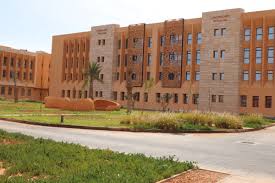
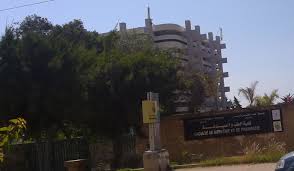
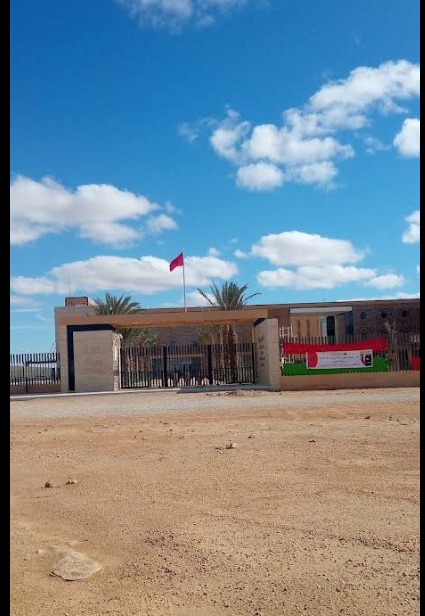
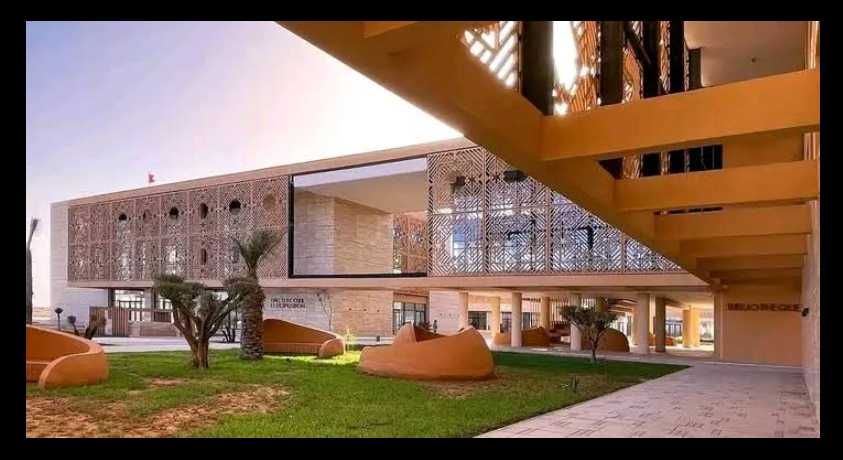
Architecture: The campus is a newly built, state-of-the-art facility covering over 10 hectares. Its design is inspired by Sahrawi culture while incorporating modern academic infrastructure.
Facilities: Features modern amphitheatres, a specialized medical library, and research laboratories.
Simulation Lab: As a new institution, it is equipped with the latest clinical simulation technology, allowing students to practice medical procedures in a controlled digital and physical environment.
Hospital & Medical Facilities
Leading tertiary care hospital attached to the institution
CHU Laâyoune (University Hospital Center): A massive, brand-new university hospital is being integrated with the faculty. It is destined to be the largest healthcare hub in the Sahara region.
Moulay Hassan I Hospital: Until the full CHU complex is fully operational, students conduct clinical rotations at the regional hospitals and urban health centers in Laâyoune.
Clinical Exposure: Students benefit from early immersion in a region where medical services are rapidly expanding, providing a wide range of community and regional health cases.
Fee Structure
State University Affordability
As a public university, FMPL follows the standard Moroccan public fee structure:
Moroccan Students: Tuition is free. Administrative and registration fees are nominal (approx. 300 – 600 MAD).
International Students (AMCI Quota): Most non-Moroccans join through the Moroccan Agency for International Cooperation (AMCI). Under this government-to-government track, tuition is free, and a monthly stipend is often included.
Self-Funded International Students: Direct admission is rare and strictly regulated. If available, fees are generally around $1,500 USD per year.
City Details
Vibe: The largest city in the Moroccan Sahara, Laâyoune is a peaceful, safe, and rapidly developing city. It offers a unique desert-coastal atmosphere.
Climate: Desert climate with mild, pleasant winters and warm, breezy summers due to its proximity to the Atlantic Ocean.
Transport: Well-served by buses and taxis. The city is walkable in many academic zones.
Hostel & Mess
University Housing: Students can apply for public university residences (Cité Universitaire).
Cost: Highly subsidized (approx. 500 MAD per year).
Private Housing: Laâyoune has a lower cost of living than northern cities like Casablanca or Rabat.
Shared Apartment: 1,500 – 2,500 MAD per month ($150 – $250 USD).
Studio Apartment: 2,500 – 4,000 MAD per month.
Dining: A student canteen provides subsidized meals. A food budget of 1,500 – 2,000 MAD per month is usually sufficient for students cooking at home.
Miscellaneous
National Contest: For Moroccan residents, admission is based on high school grades (pre-selection) followed by the Common National Entrance Exam in July.
International Applicants: 1. Application must be made via the AMCI portal (diplomatic channels). 2. Requires a Science Baccalaureate (Biology, Chemistry, Physics) with high grades.
NEET (For Indians): Mandatory for students intending to return to India to sit for the NExT/FMGE licensing exams.
Collage Images Gallery
Facilities & Campus Life

Well-equipped Library

Experienced Faculty

Computer Lab

Sports Activities

Heritage Campus


Frequently Asked Questions
Why Consult With Us?
- 15+ years of experience in medical education counseling
- 5000+ students successfully guided
- 50+ partner universities worldwide
- Free initial consultation with no obligation