

Fasa University of Medical Sciences Faculty of Medicine

General Information
Established in 1977, Fasa University of Medical Sciences is a historic and highly regarded public institution located in Fasa, Fars Province. Originally founded as a community-oriented school under the wings of Shiraz University, it has grown into an independent powerhouse for medical education. FUMS is particularly famous for its pioneering "Community-Based Medical Education" (CBME), which focuses on training doctors to solve the specific health challenges of rural and underserved populations. It is listed in the World Directory of Medical Schools (WDOMS) and remains a top choice for students seeking a rigorous, research-led education in southern Iran.
General Info
- Established: 1977.
- Primary Location: > Ebne-Sina (Avicenna) Sq., Fasa, Fars Province, Iran.
- Academic Model: Doctor of Medicine (MD).
- Structure: A 7-year program spanning four distinct stages:
- Pre-clinical (Years 1–2.5): Foundation in basic sciences (Anatomy, Physiology, etc.) with early exposure to community health.
- Pathophysiology: A bridge phase focusing on disease mechanisms.
- Clinical Clerkship (Years 3–5): Hospital-based rotations and clinical theory.
- Internship (Final 18 Months): Full clinical immersion and responsibility.
- Instruction: Persian (domestic) and English (international tracks). Note: For the international track, students are typically required to reach Persian proficiency (B1 level) before clinical rotations to interact with local patients.
- Research Pillars: A regional leader in Non-Communicable Diseases (NCDs), Cardiology (notably the FaRMI registry), and Traditional Iranian Medicine.
- Admission: For international students, eligibility requires a high school diploma with high marks in PCB (Physics, Chemistry, Biology). NEET qualification is mandatory for Indian nationals.
Campus Facilities
The FUMS campus is a blend of traditional academic values and modern research technology.
- Non-Communicable Diseases (NCD) Research Center: A prominent center conducting longitudinal studies on chronic diseases like diabetes and hypertension.
- Clinical Skills Lab: A modern simulation center equipped with high-fidelity mannequins for practicing emergency and diagnostic skills.
- FaRMI (Fasa Registry on Acute Myocardial Infarction): A unique, national-level cardiology registry that provides senior students with massive data sets for cardiovascular research.
- Traditional Medicine Unit: Focuses on the scientific validation and clinical application of herbal and humoral-based Iranian medicine.
- Anatomy & Dissection Hall: Features modern preservation techniques and 3D digital anatomy tools alongside traditional cadaveric study.
- Central Medical Library: Houses over 15,000 physical volumes and provides 24/7 access to major digital databases like PubMed and Scopus.
- Molecular and Cellular Lab: Dedicated to genetic research and medical biotechnology.
- IT Hub: Supports the university’s specialized medical informatics training and e-learning platforms.
- Student Research Committee (SRC): One of the most active in the province, funding student-led clinical and community health projects.
- Sporting Grounds: Includes a gymnasium and courts for volleyball and basketball, fostering physical health alongside rigorous study.
Hospital & Medical Facilities
Leading tertiary care hospital attached to the institution
FUMS manages several high-volume teaching hospitals that serve the entire eastern Fars region:
- Vali-e-Asr Hospital: The main teaching and therapeutic center (approx. 322 active beds). It is a tertiary hub featuring specialized units in Angiography, NICU, and Neurosurgery.
- Dr. Ali Shariati Hospital: A specialized facility (144 beds) focusing on Psychiatry, Neurology, and Infectious Diseases.
- Imam Hossein Hospital: A recently inaugurated (2023), 184-bed modern facility designed to enhance clinical training and patient care capacity.
- Vali-e-Asr Cancer Screening Center: A specialized unit for early diagnosis and research into regional cancer trends.
Fee Structure
State University Affordability
FUMS offers a high-value education that is significantly more affordable than many private or Western alternatives.
Scholarship
- FUMS Merit Scholarship: High-achieving international students can qualify for up to $1,200 per year in tuition waivers based on their academic performance.
- Research Grants: Senior students can apply for funding through the NCD Research Center for independent clinical projects.
- MOH Support: Occasional partial scholarships for students from countries with strategic medical partnerships with Iran.
City Details
- The Vibe: Located about 150 km southeast of Shiraz, Fasa is a historic city surrounded by mountains and citrus groves. It offers a peaceful atmosphere perfect for long-term medical study.
- Connectivity:
- Road: Regular bus and taxi services to Shiraz (approx. 2 hours), which has a major international airport.
- Rail: Plans for the Shiraz-Fasa-Bandar Abbas rail line are ongoing to further connect the city.
- Safety: Very high; the local community is deeply respectful of the university and its international residents.
Hostel & Mess
- Accommodation: The university provides secure, furnished dormitories with amenities such as Wi-Fi, study halls, and laundry rooms.
- Dining: The University Cafeteria serves traditional Persian meals and subsidized student menus. International students can often find specialized "mess" options through student coordinators.
- Vibe: Fasa is known as the "City of Knowledge" in the region. It is a quiet, academic-focused city with a dry, pleasant climate and a very safe environment for foreigners.
Miscellaneous
- Intake: Primarily September.
- Documents: Requires 10th/12th mark sheets (minimum 60% in PCB), NEET score (for Indians), Passport, and a Medical Fitness Certificate.
- Exit Exam: Graduates must pass the National Pre-internship Exam and the Final Clinical Assessment to receive their MD degree.
Collage Images Gallery
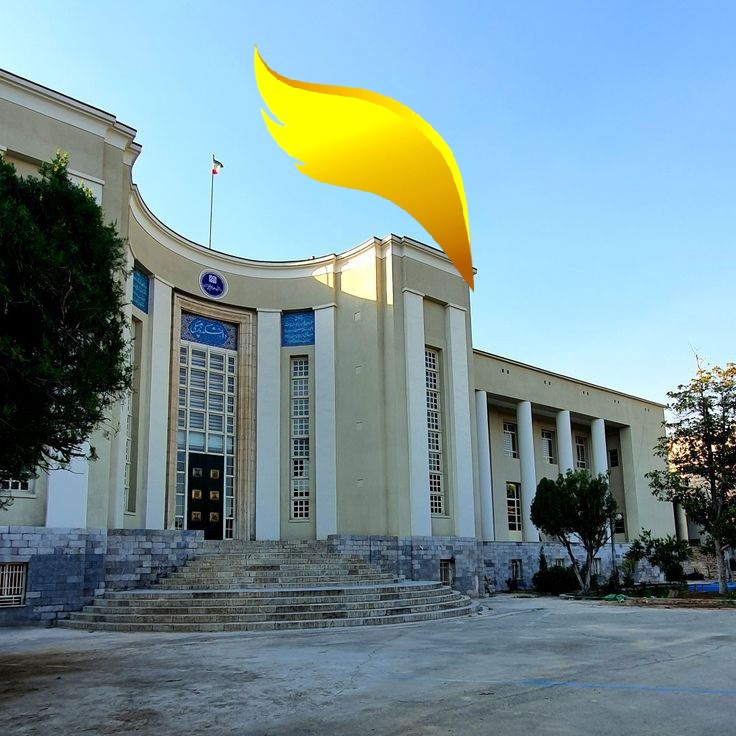
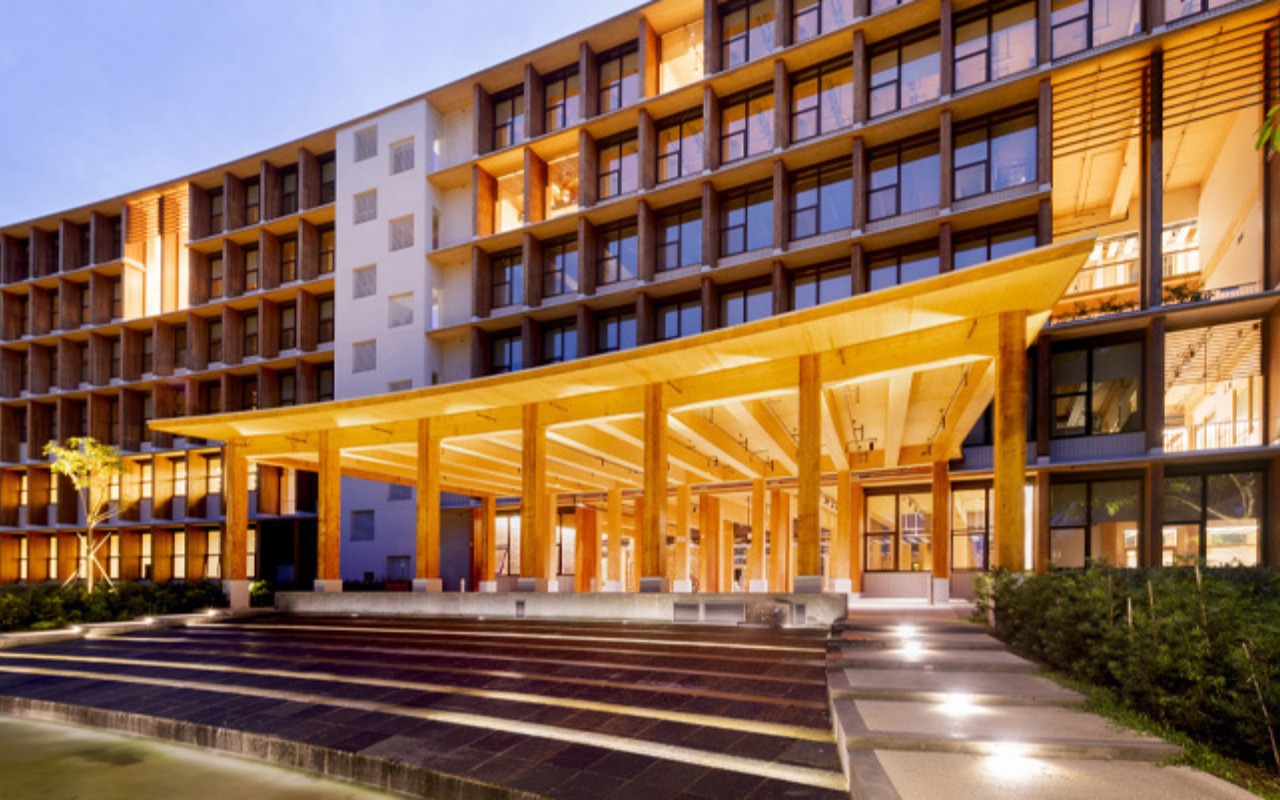
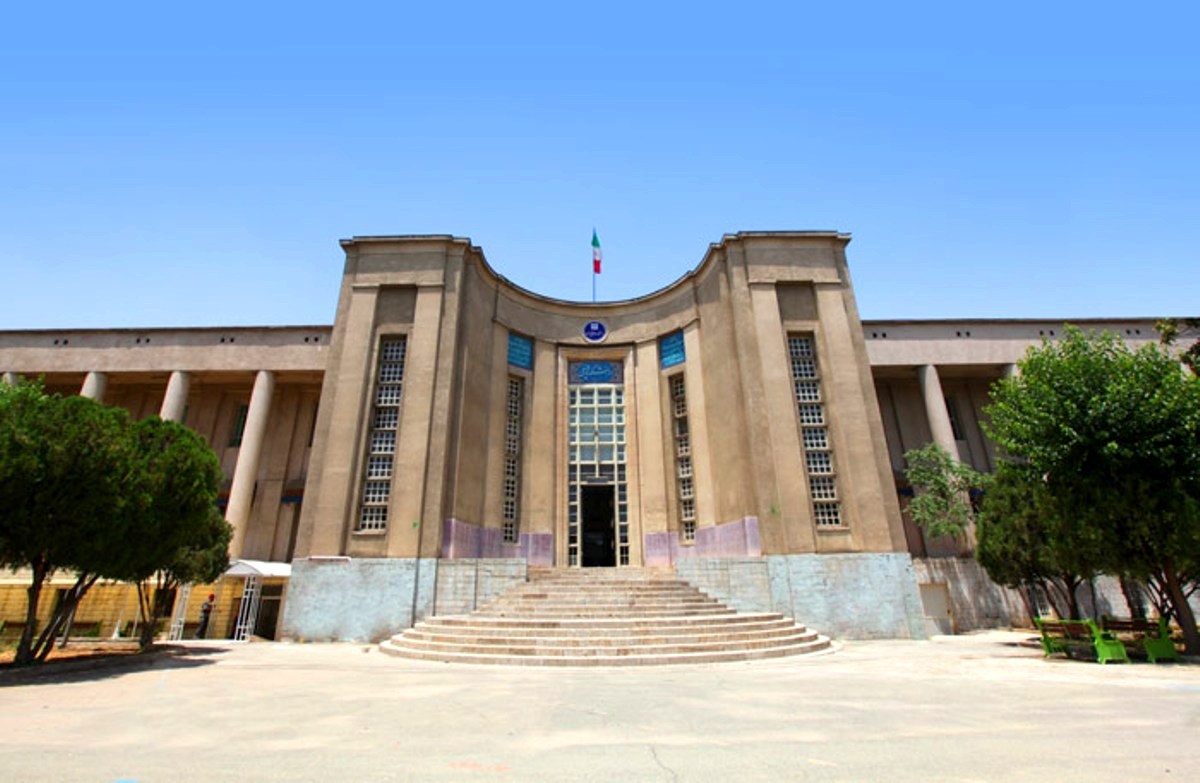
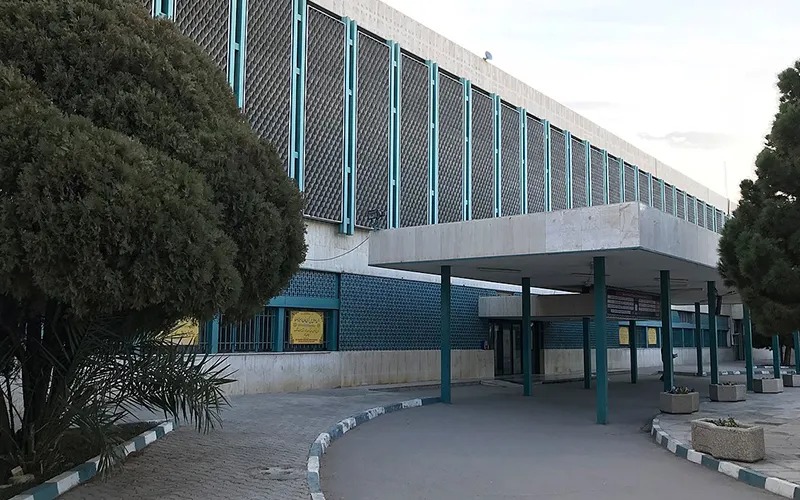
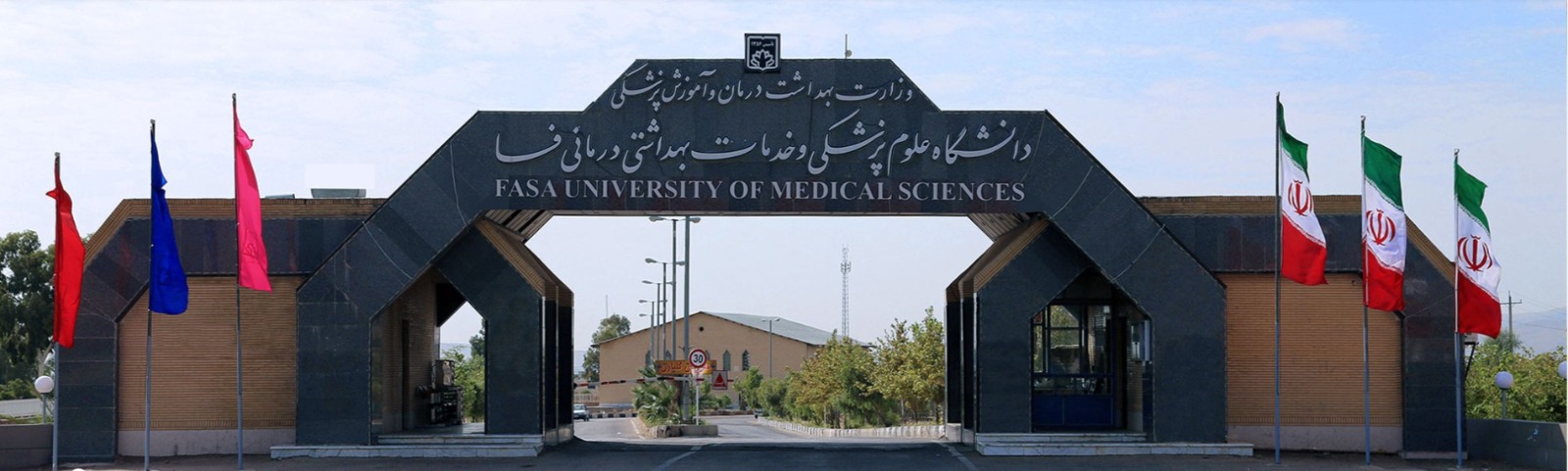
Facilities & Campus Life

Well-equipped Library

Experienced Faculty

Computer Lab

Sports Activities

Heritage Campus


Frequently Asked Questions
Why Consult With Us?
- 15+ years of experience in medical education counseling
- 5000+ students successfully guided
- 50+ partner universities worldwide
- Free initial consultation with no obligation