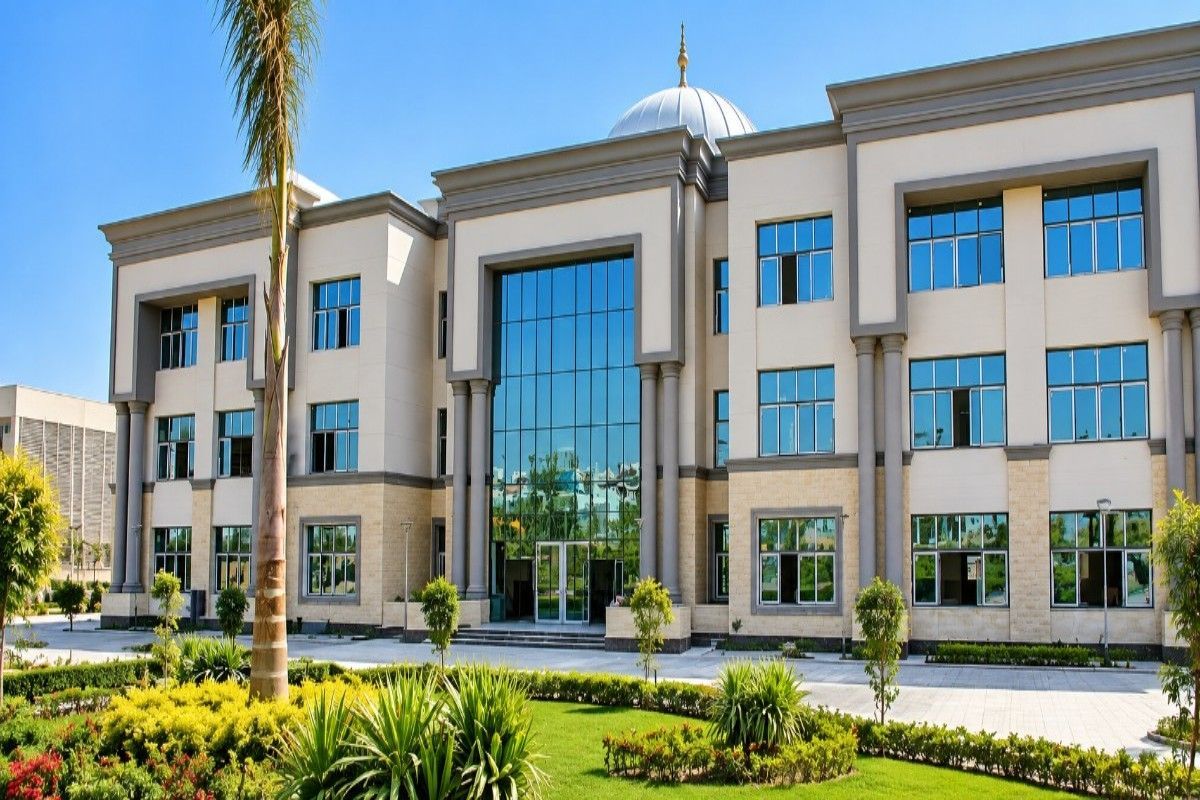
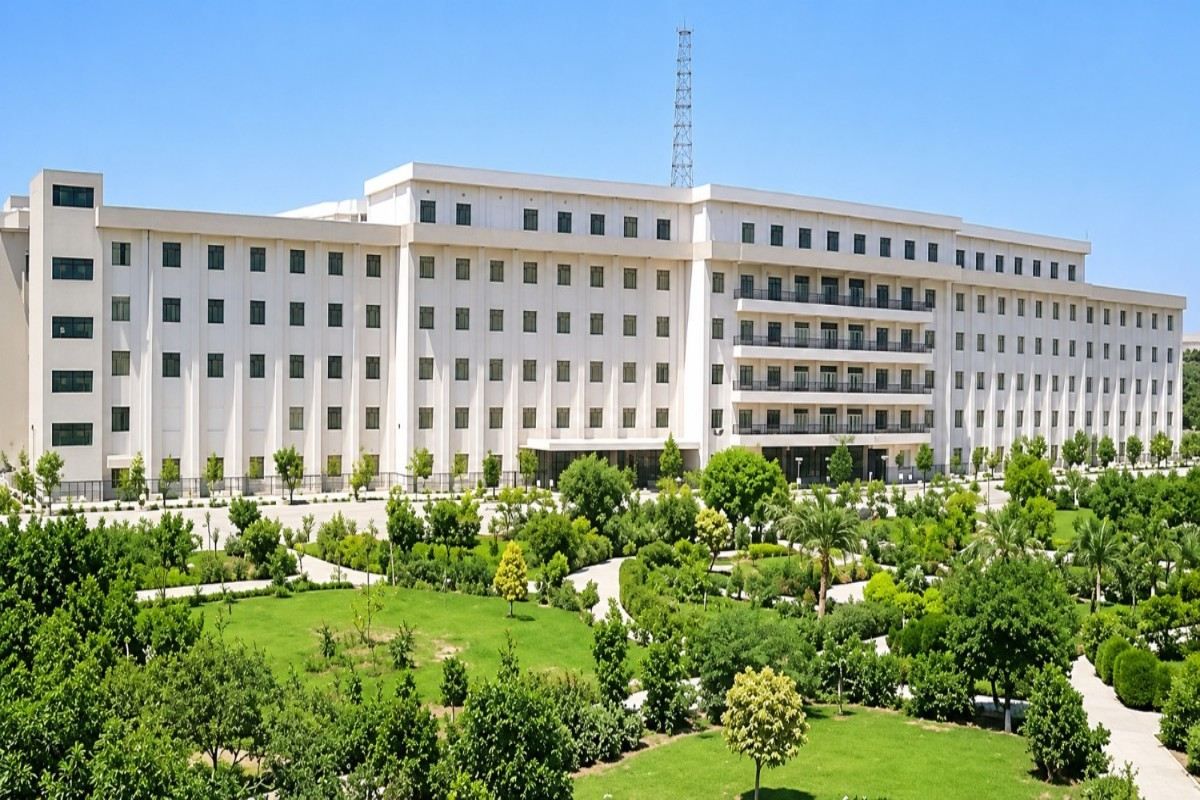
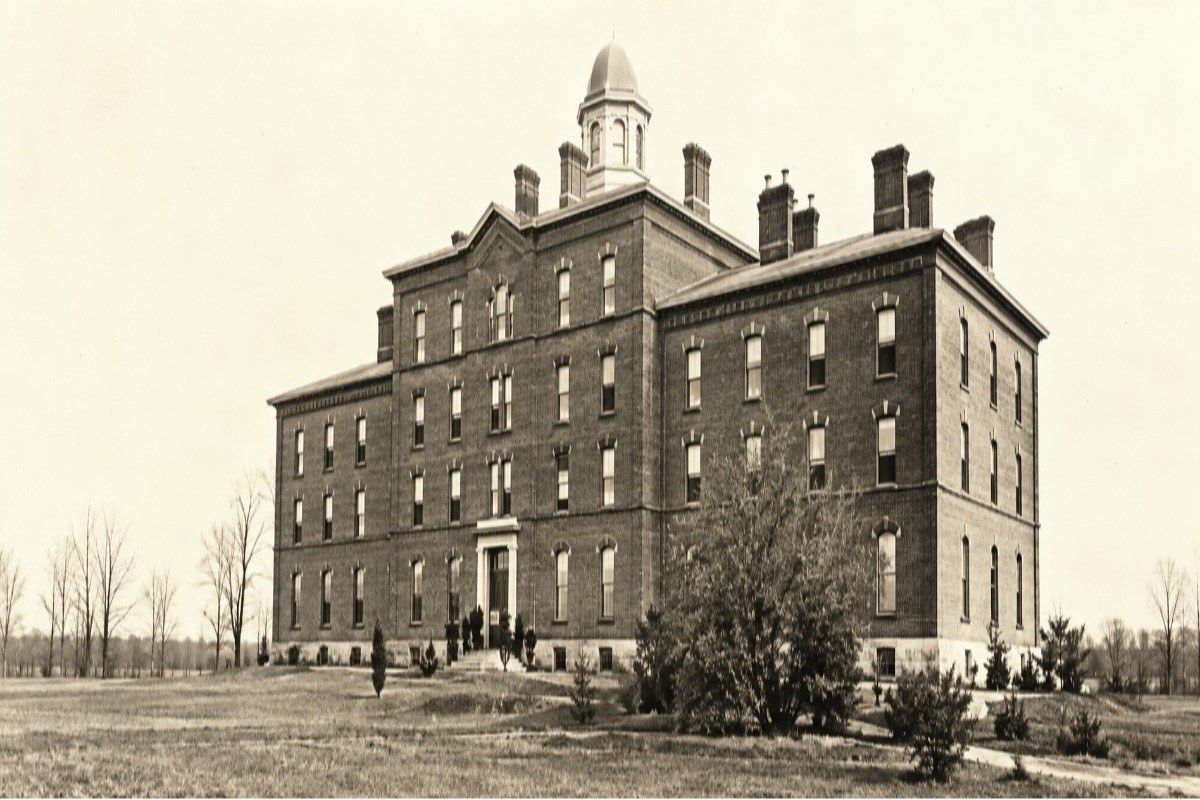
Fayoum University Faculty of Medicine serves the Fayoum Governorate, a historically and geographically distinctive region of Egypt centred on the Fayoum Oasis, a large depression west of the Nile Valley containing Lake Qarun, one of Egypt's oldest and most significant inland lakes, and an agricultural region with a documented history of continuous cultivation stretching back to ancient Egyptian times. Fayoum University itself gained independent status in 2005, having previously been associated with Cairo University, and has since developed a full multi-faculty structure, including its medical programme, serving a population whose health profile and healthcare access patterns differ meaningfully from those of both the dense urban Delta and the Nile Valley proper.
Fayoum's relative geographic isolation, situated in an oasis depression roughly 100 km southwest of Cairo and connected by road rather than the Nile corridor that links most other Egyptian cities, gives the Faculty of Medicine's clinical training a genuinely distinctive character. Students encounter a population with specific public health needs shaped by the oasis's agricultural economy (Fayoum is known particularly for its pottery industry, fishing on Lake Qarun, and traditional farming), combined with the public health and access challenges typical of more geographically isolated Egyptian regions relative to the Nile corridor's better-connected cities.
For international students, Fayoum offers an Egyptian medical education at a notably affordable cost point, consistent with most public Egyptian universities outside Cairo and Alexandria, combined with a uniquely calm, historically rich setting the Fayoum Oasis includes significant archaeological sites from both ancient Egyptian and Greco-Roman periods, along with notable desert and wetland ecosystems around Lake Qarun that offer a genuinely different Egyptian landscape experience than the Nile Valley or Delta. Students considering Fayoum should weigh its quieter, more isolated setting and limited international student community against its cost advantages and distinctive regional character, as with most smaller cities. For Egyptian public faculties, direct verification of the current availability of the English-medium track and NMC recognition status with the faculty is essential before applying.