


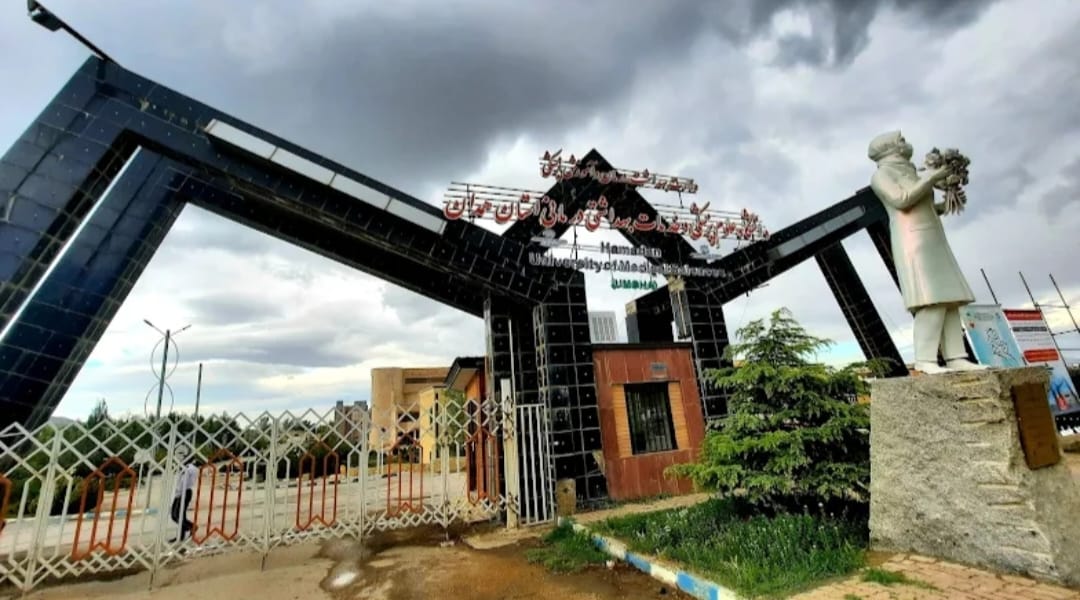
Hamadan University of Medical Sciences Medical School

General Information
Established in 1972 as a joint academic venture between Iran and France (originally as part of Bu-Ali Sina University), UMSHA became an independent medical university in 1986. Located in the historic city of Hamadan, it is officially ranked as a "Type A" institution, placing it in the top tier of Iranian medical schools. It is recognized by the WHO, ECFMG (Pathways), and the NMC (India). UMSHA is highly regarded for its robust clinical training and its strategic role as the primary healthcare hub for western Iran.
General Info
- Established: 1972 (joint program with France); 1986 (Independent University).
- Primary Location: > Shahid Fahmideh Street, Hamadan, Iran.
- Academic Model: Doctor of Medicine (MD/MBBS).
- Structure: A 6.5 to 7-year program including a mandatory internship.
- Pre-clinical (Years 1–2.5): Focus on basic medical sciences with modern lab integration.
- Clinical Clerkship (Years 3–5): Modular training across specialized hospital wards.
- Internship (Final 18 Months): Intensive practical responsibility in tertiary care centers.
- Instruction: English for international students. Persian (Farsi) proficiency is required by the start of the clinical phase to facilitate patient interaction.
- Research Focus: A global leader in Neurosciences, Non-Communicable Diseases, and Molecular Medicine.
- Admission: Eligibility is based on high school PCB scores (typically >50–60%). NEET qualification is mandatory for Indian applicants.
Campus Facilities
The UMSHA campus is situated near the scenic Alvand Mountain, providing a serene environment for high-level medical study.
- Clinical Skills Lab: An advanced simulation facility where students master diagnostic techniques on high-fidelity mannequins.
- Research Institute of Health Sciences: Houses several centers focused on cancer, neuroscience, and mental health.
- Anatomy & Dissection Hall: Features modern cadaveric study facilities and 3D digital anatomy tools.
- Molecular & Cellular Research Lab: Equipped for advanced genetic sequencing and biotechnological research.
- Central Library: A two-story facility with dedicated study wings for men and women, providing 24/7 access to major digital repositories.
- Telemedicine Unit: Connects the university to remote health networks for training in rural and emergency diagnostics.
- Computerized Examination Center: A specialized hub for national and international medical licensing assessments.
- Persian Language Training Center: An on-campus facility dedicated to bringing international students to clinical-level Farsi proficiency.
- University Sports Complex: High-tier facilities including gymnasiums and outdoor courts to support student physical wellness.
- Scientific Societies Hub: A collaborative space for student-led research in surgery, oncology, and urology.
Hospital & Medical Facilities
Leading tertiary care hospital attached to the institution
UMSHA operates one of the largest clinical networks in western Iran, featuring 16 teaching hospitals:
- Besat Hospital: The flagship general teaching hospital and a major regional center for specialized surgery and trauma.
- Shahid Beheshti Hospital: A primary site for internal medicine, nephrology, and pulmonary rotations.
- Farshchian Specialized Heart Hospital: A modern cardiovascular hub dedicated to cardiology and heart surgery.
- Fatemieh OB/GYN Hospital: The regional reference center for obstetrics, gynecology, and IVF treatments.
- Ekbatan Hospital: A key teaching facility for various clinical specialties.
Fee Structure
State University Affordability
UMSHA offers a high-quality education that is very economical compared to private Western or Asian colleges.
Scholarship
- Merit-Based Scholarship: High-achieving international students can receive tuition waivers of up to $1,200 per year.
- Research Stipends: Available for senior students contributing to the university’s high-impact neuroscience or cancer journals.
- EducationIRAN Support: Occasional grants for students from countries with strategic medical partnerships.
City Details
- The Vibe: Hamadan is one of the world's oldest continuously inhabited cities, known as the "Hegmataneh." It offers a cool, mountainous climate and is famous for the Tomb of Avicenna (Ibn Sina), the father of early modern medicine.
- Connectivity:
- Road/Rail: Excellent road links to Tehran (approx. 4 hours) and a national rail connection.
- Local: Most university facilities and hostels are clustered, making them easily accessible by university shuttle or local transit.
- Safety: Very high; Hamadan is a welcoming, secure city with a deep respect for the academic community.
Hostel & Mess
- Accommodation: The university provides high-quality hostels for both undergraduate and postgraduate students. Dorms are equipped with 24/7 personnel, surveillance, and laundry services.
- Dining: Subsidized student meals are available at the University Dining Hall. Shared kitchens are also available for international students who prefer to cook their own meals.
- Vibe: The environment is professional and academic. Students benefit from the "City of Science" reputation of Hamadan, which is safe, peaceful, and historic.
Miscellaneous
- Intakes: Two main intakes September (Fall) and February (Spring).
- Documents: Requires high school transcripts (PCB aggregate >50%), NEET scorecard (for Indians), Passport, and a Motivation Letter (SOP).
- Registration: Documents must be officially translated into Persian or English and verified by the relevant embassy.
Collage Images Gallery
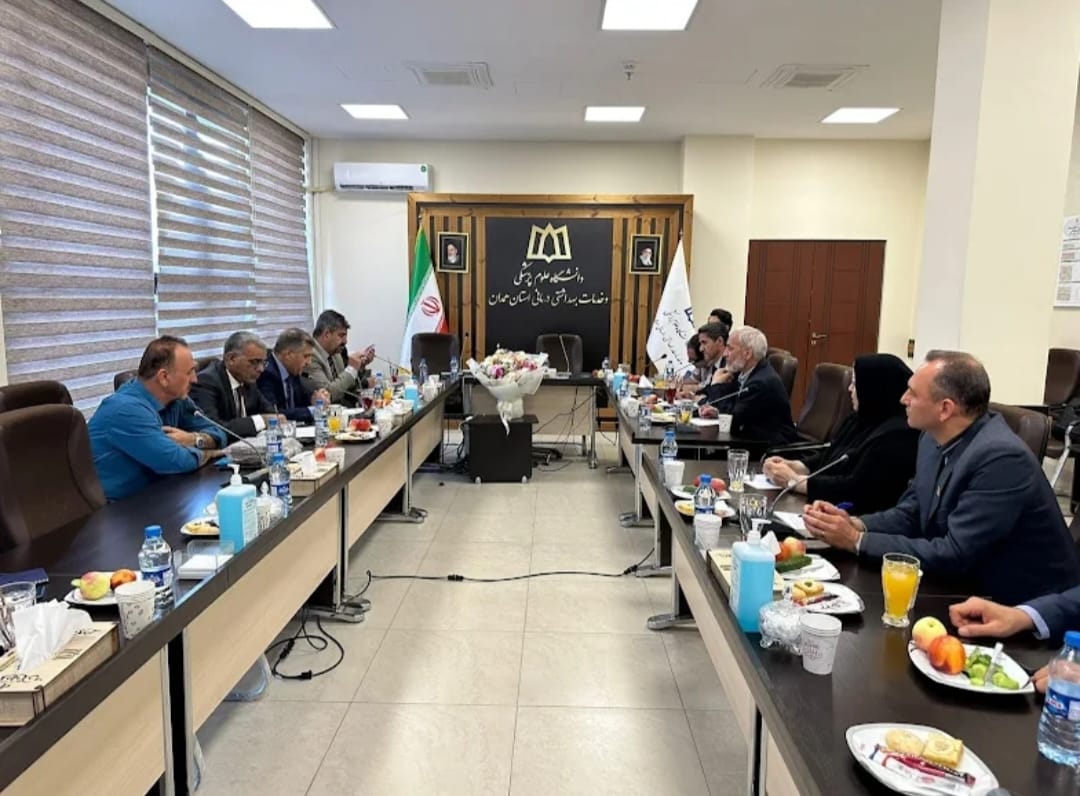
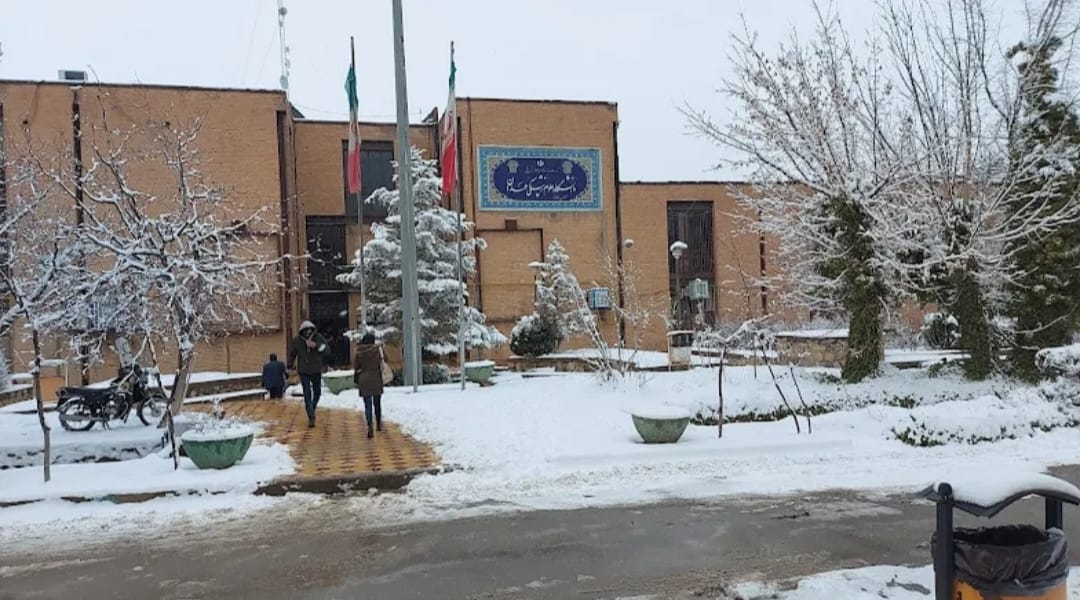
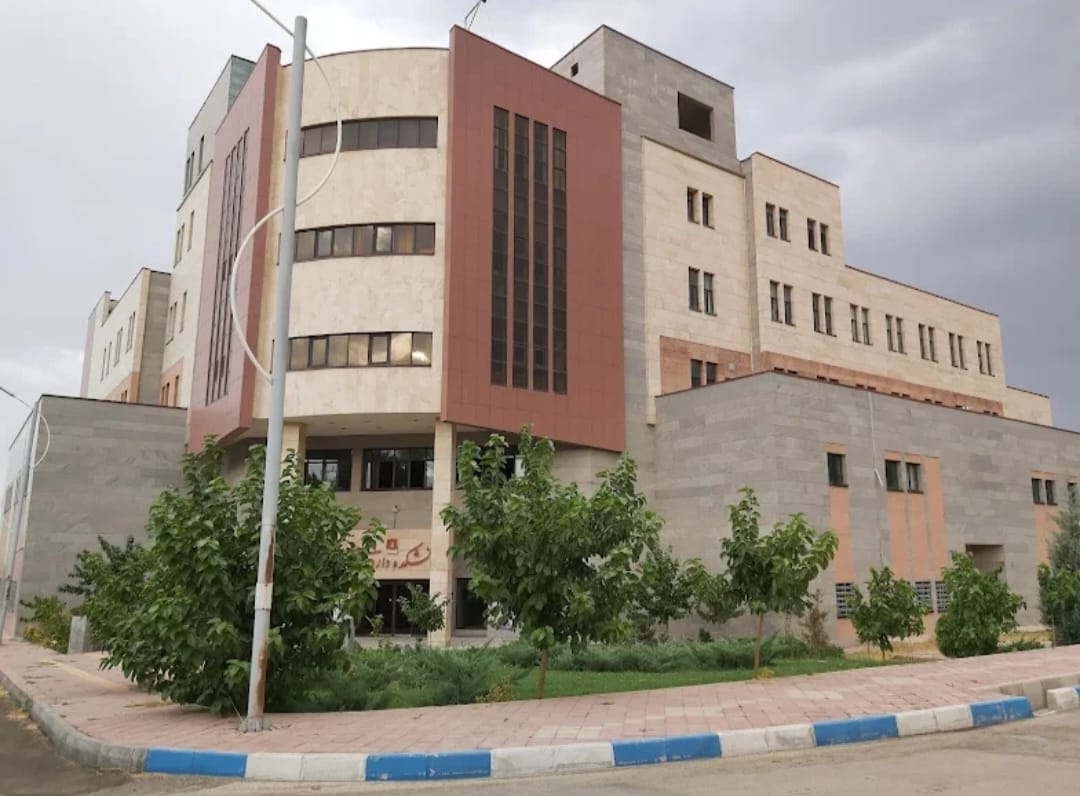
Facilities & Campus Life

Well-equipped Library

Experienced Faculty

Computer Lab

Sports Activities

Heritage Campus


Frequently Asked Questions
Why Consult With Us?
- 15+ years of experience in medical education counseling
- 5000+ students successfully guided
- 50+ partner universities worldwide
- Free initial consultation with no obligation