
Heinrich-Heine-Universität Düsseldorf Medizinische Fakultät

General Information
The Medical Faculty of Heinrich Heine University (HHU) Düsseldorf is one of Germany’s most prominent centers for medical education and research. Originally founded in 1907 as a Medical Academy, it served as the cornerstone for the entire university's establishment. Today, it is recognized for its compact campus design, "team-based" teaching models, and global leadership in hepatology, cardiovascular science, and molecular medicine.
General Info
- Established: 1907 (Medical Academy); 1965 (University status).
- Primary Location: > Moorenstraße 5, 40225 Düsseldorf, Germany (Campus adjacent to the University Hospital).
- Academic Model: Staatsexamen (German State Examination).
- Structure: A 6.3-year program (13 semesters).
- Vorklinik: Focused on basic biological and chemical principles of medicine.
- Klinik: Clinical subjects taught in a modular, block-based system.
- PJ (Practical Year): Final year rotations in Internal Medicine, Surgery, and an Elective.
- Clinical Focus: The "Düsseldorfer Curriculum Medizin" (DCM) is highly integrated, aiming for early patient contact and the dissolution of barriers between theory and practice.
- Instruction: 100% German. C1 level proficiency (DSH-2 or TestDaF 4x4) is mandatory for the MD program.
- English-Taught Options: Offers an international M.Sc. in Molecular Biomedicine and an international M.Sc. in Medical Physics (parts of which may be in English).
- Admission: Restricted (Numerus Clausus). Selection is heavily influenced by the Abitur/High School GPA and the TMS (Test for Medical Studies).
Campus Facilities
The HHU campus is famously compact, meaning the Medical Faculty, the University Hospital, and the Central Library are all within walking distance, creating a high-density "Medical Village."
- O.A.S.E. (Ort des Austauschs, des Studiums und der Entwicklung): A stunning, 8-story medical study center and library. It is the architectural heart of the faculty, providing 24/7 access to digital media, lounge areas, and group study rooms.
- Skills Lab (Training Center): A high-tech simulation environment where students practice clinical skills (ultrasound, intubation, suturing) on standardized patients and realistic mannequins.
- Medical Research Centre (MFZ I & II): Modern laboratory complexes that provide the infrastructure for high-end research in molecular biology and immunology.
- CARID (Cardiovascular Research Institute): A dedicated center for heart health, integrating basic research with clinical application in cardiology.
- Hiller Research Centre for Rheumatology: A specialized facility focusing on inflammatory diseases and musculoskeletal health.
- Advanced Light Microscopy Core: Provides students and researchers with cutting-edge imaging technologies to observe cellular processes in real-time.
- ZETT (Center for Animal Research): A central institution focused on scientific animal welfare and high-standard biomedical testing.
- Digital Anatomy & VR Labs: Features modern dissection tables and virtual reality headsets to supplement traditional cadaveric studies at the Institute of Anatomy.
- Botanical Garden: Located right on campus, this scientific institution grows over 6,000 types of plants and serves as a quiet retreat for students between intensive clinical blocks.
- Center for Bioinformatics: A core unit that supports the medical faculty in processing large-scale genomic and clinical data.
Hospital & Medical Facilities
Leading tertiary care hospital attached to the institution
The Universitätsklinikum Düsseldorf (UKD) is the primary training ground for medical students:
- Capacity: Roughly 30 specialized clinics and 30 research institutes with approximately 1,300 beds.
- Clinical Volume: Treats over 45,000 inpatients and 270,000 outpatients annually.
- Liver Center Excellence: Nationally renowned for hepatology and liver transplantation research.
- Interdisciplinary Centers: Includes a Breast Center, a Stroke Unit, and the West German Cancer Center (WTZ).
Fee Structure
State University Affordability
Like most public universities in North Rhine-Westphalia, HHU does not charge tuition for the primary medical degree.
Scholarship
- Deutschlandstipendium: 300 €/month for high-achieving students with social commitment.
- HHU Graduation Grants: Small financial supports for international students in the final phase of their studies.
- Research Grants: Available through individual institutes (like the BMFZ) for students pursuing an MD/PhD.
City Details
- The Vibe: Düsseldorf is a global hub for fashion, advertising, and telecommunications. It is known for its high quality of life, the Altstadt (Old Town), and the "Kö" shopping boulevard.
- Connectivity:
- Public Transport: Tram lines 704 and U79 stop directly at the university.
- International Access: Düsseldorf Airport (DUS) is a major international hub, making it easy for students to travel globally.
- Safety: Düsseldorf is consistently ranked as one of Germany's safest major cities.
Hostel & Mess
- Accommodation: Managed by Studierendenwerk Düsseldorf.
- Student Dorms: Rent ranges from 300 € to 500 €/month. Locations like Universitätsstraße are right on campus.
- Private Housing: A room in a shared flat (WG) in districts like Bilk or Oberbilk costs 450 € – 750 €/month.
- Dining: The Central Mensa is one of the largest in the region, offering a wide variety of meals, including vegan and international options, for 3 € – 6 €.
Miscellaneous
- APS Certificate: Mandatory for applicants from India, China, and Vietnam.
- Uni-assist: International students must apply through uni-assist to obtain their VPD before the final application to HHU.
- Deadline: July 15 for the Winter Semester (the only intake for Medicine).
Collage Images Gallery
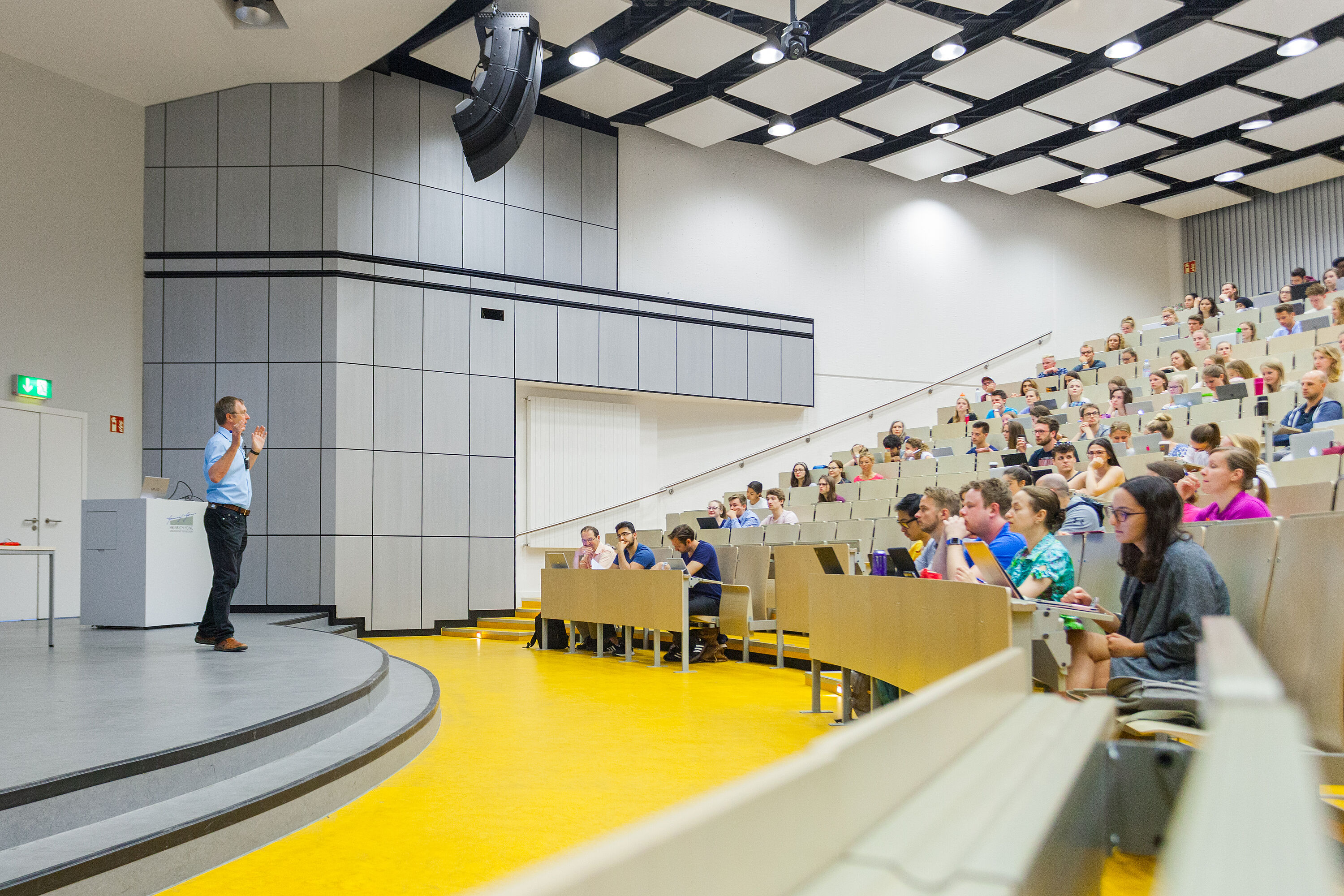
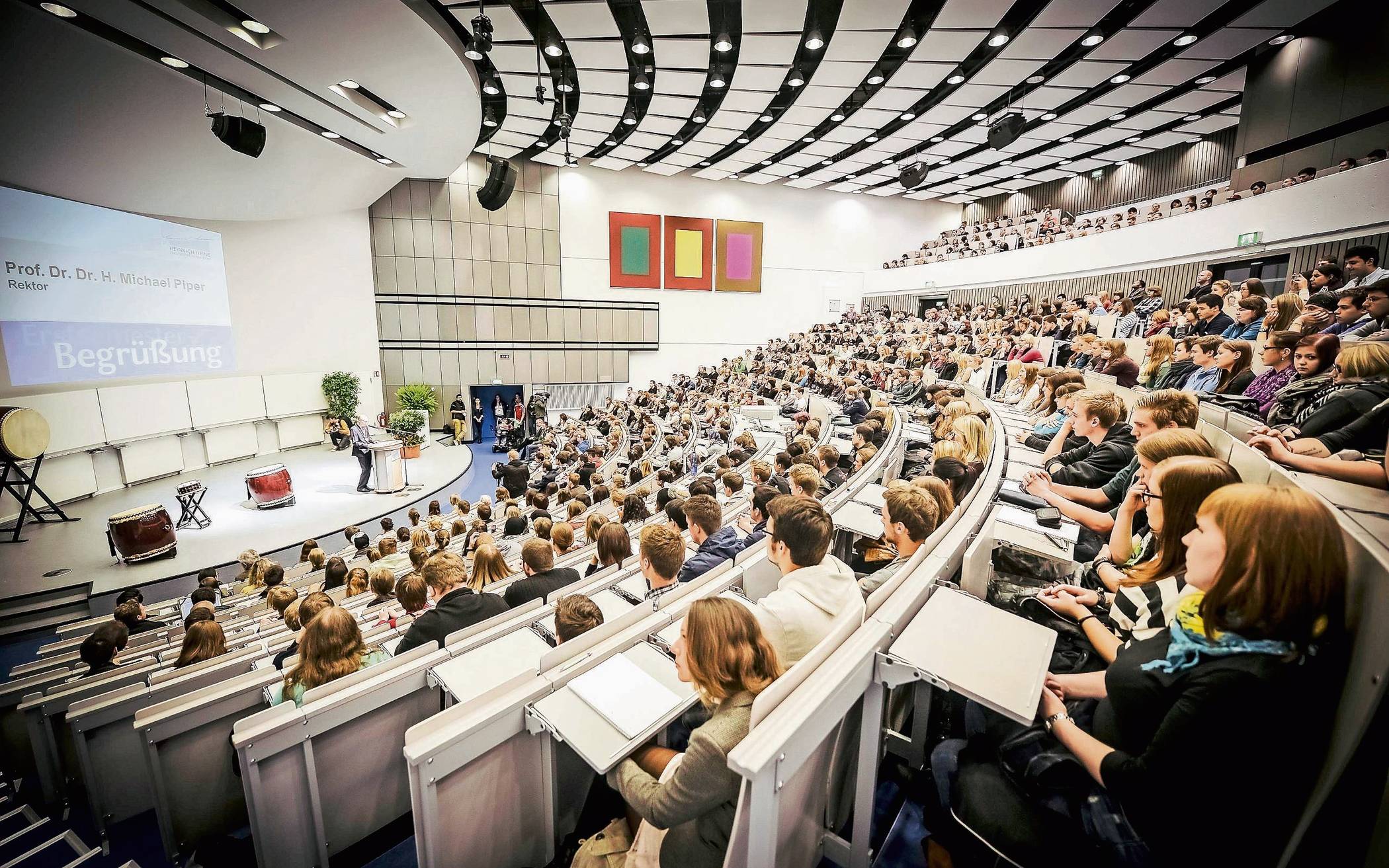
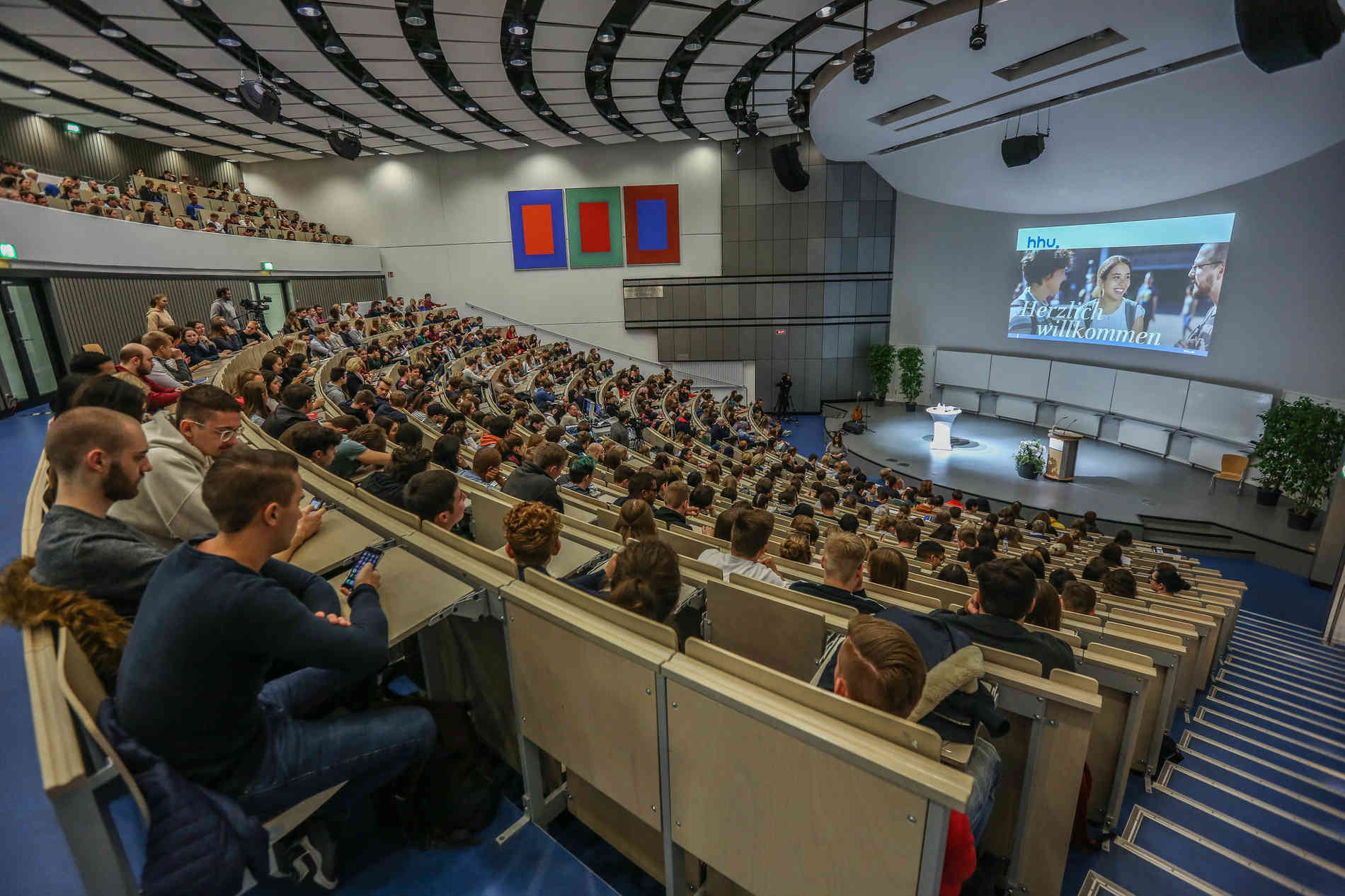
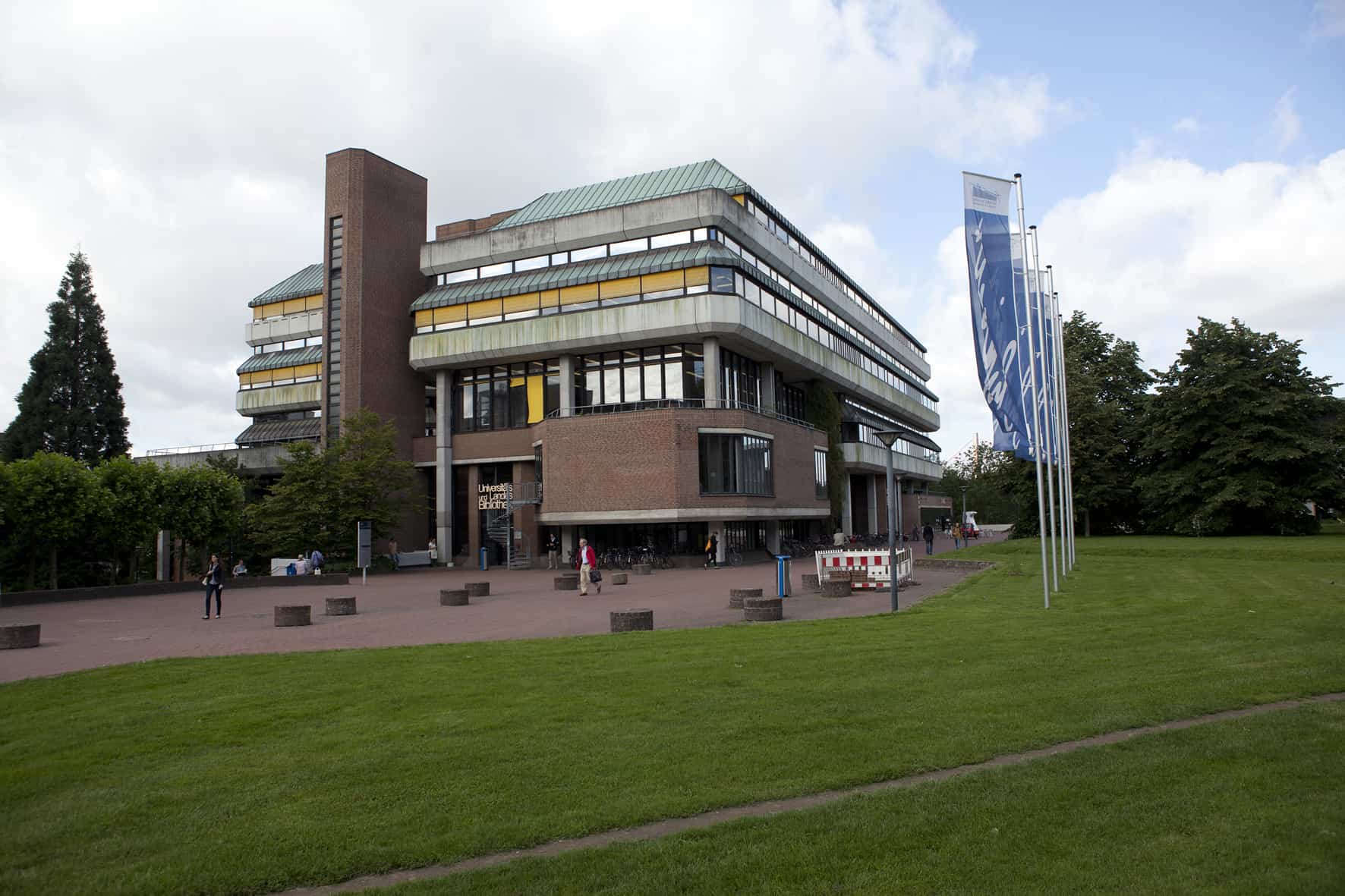
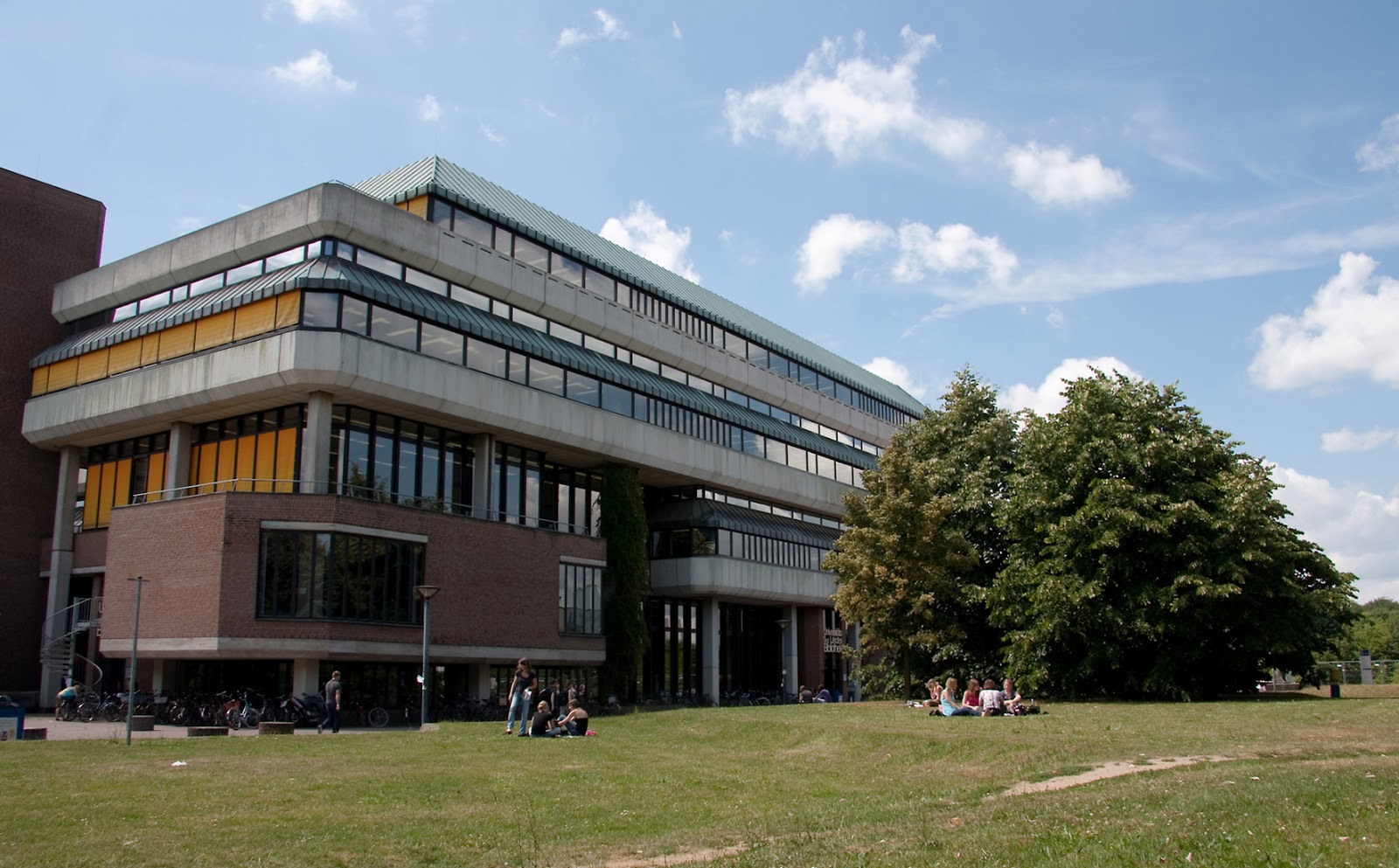
Facilities & Campus Life

Well-equipped Library

Experienced Faculty

Computer Lab

Sports Activities

Heritage Campus


Frequently Asked Questions
Why Consult With Us?
- 15+ years of experience in medical education counseling
- 5000+ students successfully guided
- 50+ partner universities worldwide
- Free initial consultation with no obligation