
Institute of Medicine, Tribhuvan University

General Information
The Institute of Medicine (IOM) is Nepal's best public medical school and the first medical school in the country. It was founded in 1972. It is in Maharajgunj, Kathmandu, and it is the main school for healthcare professionals in Nepal. IOM is connected to Tribhuvan University and is known for having a very competitive admissions process that produces the best medical professionals and researchers in the country. The Tribhuvan University Teaching Hospital (TUTH) is the largest and most popular referral center in Nepal.
General Information
- The main address is Maharajgunj Road, Kathmandu, Nepal.
- Degree Given: M.B.B.S. The program lasts for 5.5 years, with 4.5 years of school and 1 year of work experience.
- The language of instruction is English.
- Accreditation: The Nepal Medical Council (NMC), the National Medical Commission (NMC) of India, and the World Health Organization (WHO) all recognize it. It is also listed in the World Directory of Medical Schools.
- Acceptance:
- Selection: Very strict; the main choice for students who do well on the Common Entrance Exam.
- The entrance exam is run by the Medical Education Commission (MEC). The NEET test is required for Indian students.
- Intake: The Maharajgunj Medical Campus has about 100 seats, some of which are reserved for Indian and foreign students.
Campus Facilities
The Maharajgunj campus is a huge center of medical excellence, with both old and new research buildings.
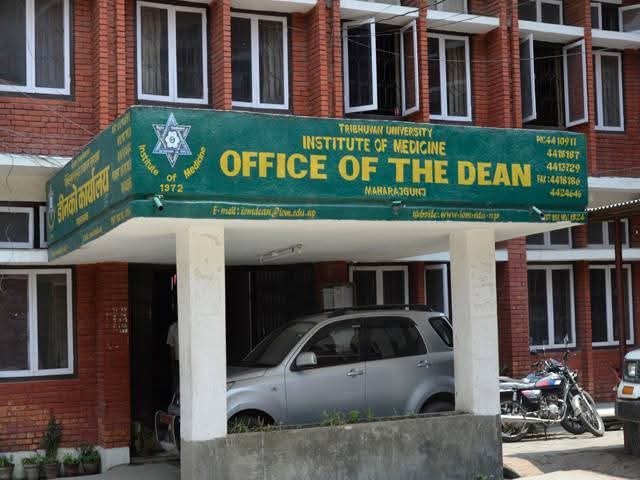
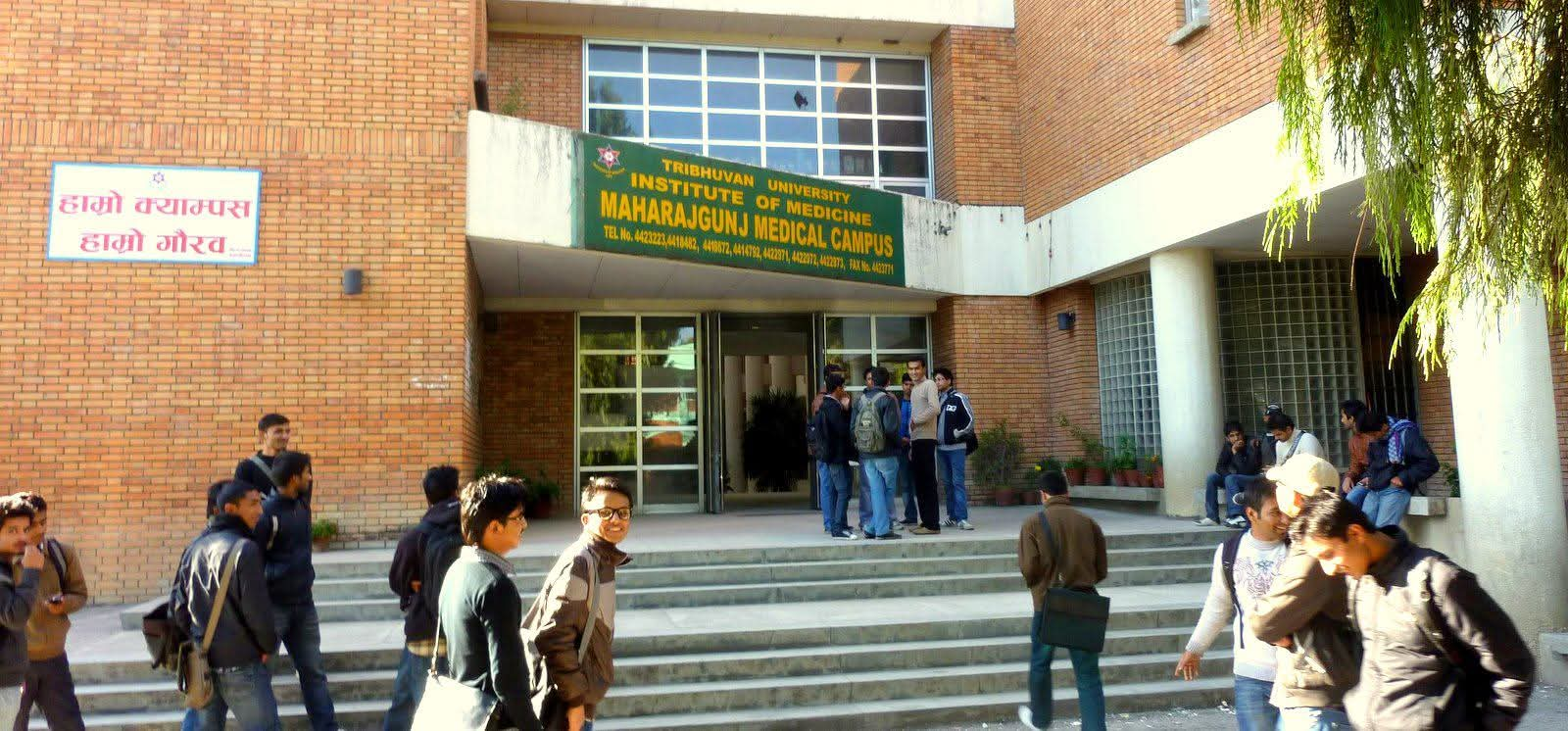
- Maharajgunj Medical Campus (MMC) is the main academic center of IOM. It has the dean's office and administrative offices.
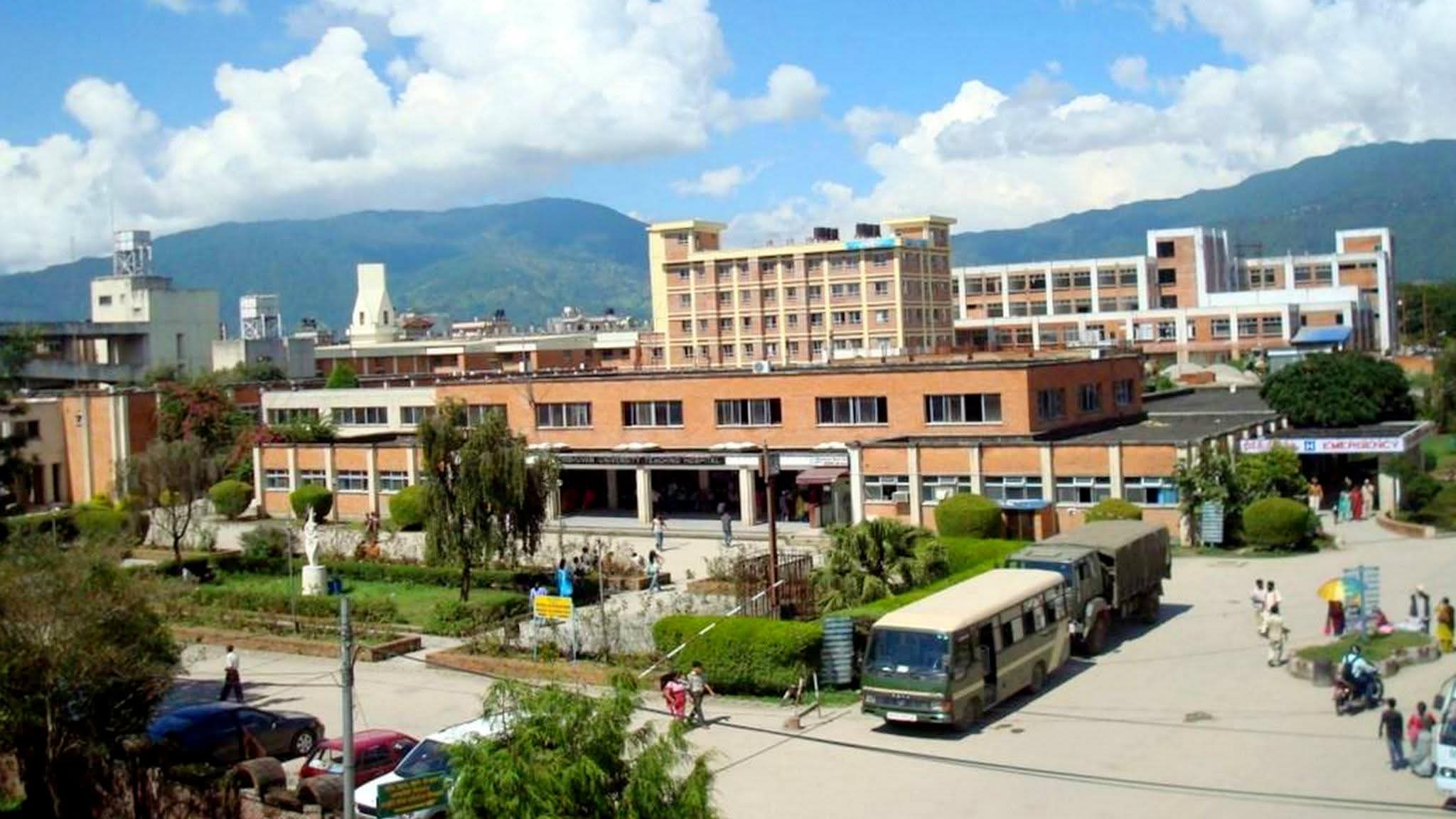
- Tribhuvan University Teaching Hospital (TUTH) is a landmark 850-bed hospital on campus that allows for immediate clinical immersion.
- NCHPE, or the National Center for Health Professions Education, is a place where medical teachers can get training and international students can take electives.
- The Central Medical Library is one of the most complete in the area. It has a lot of WHO publications, digital archives, and reading areas that are open 24/7.
- The Biomedical Research Center is a state-of-the-art building where students and faculty do research on public health and tropical diseases.
- Modern Anatomy & Pathology Museums has a huge collection of human specimens and specialized learning models that have been around for decades.
- Medical Skills Lab: Has high-fidelity simulators for practicing emergency care and surgical skills before going to the wards.
- There are football and basketball fields, a gym, and a student activity center at the Sports and Recreation Complex.
- Digital ICT Lab: Provides quick internet access and computer-based tools for health research and informatics.
- Cafeteria and Multi-Cuisine Mess: Provides safe and clean Nepali and Indian food to a wide range of students from different countries and regions.
Hospital & Medical Facilities
Leading tertiary care hospital attached to the institution
The Tribhuvan University Teaching Hospital (TUTH) is the best part of the institute because it offers an unmatched place to learn about medicine.
- 850-Bed Capacity: The largest public teaching hospital in Nepal, treating a massive volume of patients daily.
- Super-Specialty Centers: Includes the Manmohan Cardiothoracic Vascular and Transplant Center and the BP Koirala ENT & Orthopedic Building.
- Advanced Critical Care: Features one of the country's most established ICU, CCU, and Neonatal Intensive Care (NICU) units.
- Pioneer in Transplantation: TUTH is a national leader in renal and liver transplant surgeries, offering students exposure to complex surgical cases.
- Emergency & Trauma Center: A dedicated high-capacity emergency building designed for mass casualty care and acute trauma management.
Fee Structure
State University Affordability
As a public institution, IOM offers the most affordable medical education in Nepal for scholarship students, with regulated fees for self-paying and international tracks.
Scholarships
- Government Scholarships: A large majority of seats are awarded as full scholarships to Nepali students based on MEC merit rankings.
- Staff Quota & Reserved Seats: Specialized quotas for children of TU staff and marginalized communities as per national policy.
- Merit-Based Awards: Annual awards and tuition waivers for top-performing students in university professional examinations.
City Details
- The Vibe: Located in the capital, Kathmandu, the area is the central hub for healthcare, with various hospitals and research centers nearby.
- Connectivity:
- Air: Tribhuvan International Airport (KTM) is just 6 km away, with direct flights to major Indian cities.
- Road: Centrally located with easy access to all parts of the valley and interstate bus terminals.
Hostel & Mess
- Accommodation: Separate, dedicated hostels for boys and girls on the Maharajgunj grounds. The rooms are well-furnished and usually shared by two people.
- The Free Student Union (FSU) and other academic clubs that plan the "IOM Sports Week" and annual fests are all part of student organizations.
- Eating: The IOM Boys and Girls Mess is a social hub that serves traditional Nepali dal-bhat and Indian food at very low prices.
- Cultural Vibe: Students in Kathmandu can enjoy a lively city life while still being able to focus on their studies on the gated campus.
Miscellaneous
- Outcome-Based Curriculum: The M.B.B.S. program emphasizes early clinical exposure and problem-based learning (PBL).
- Internship: A mandatory 1-year residential rotating internship at TUTH is required for all graduates.
Collage Images Gallery
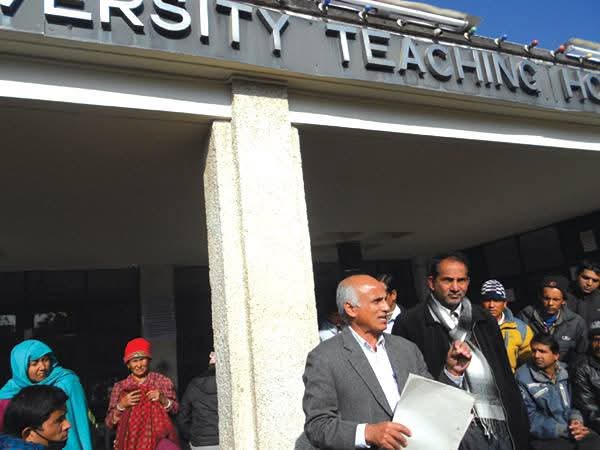
Facilities & Campus Life

Well-equipped Library

Experienced Faculty

Computer Lab

Sports Activities

Heritage Campus


Frequently Asked Questions
Why Consult With Us?
- 15+ years of experience in medical education counseling
- 5000+ students successfully guided
- 50+ partner universities worldwide
- Free initial consultation with no obligation