

Isfahan University of Medical Sciences Faculty of Medicine

General Information
Founded in 1946, Isfahan University of Medical Sciences is one of Iran's oldest and most prestigious "Type 1" public universities. Located in the cultural capital of Isfahan, MUI is a world-class center for medical education and research, consistently ranking among the top medical schools in the Middle East. It is fully recognized by the WHO, ECFMG (Pathways), and the NMC (India). MUI is particularly renowned for its Cardiovascular Research Institute and its focus on Regenerative Medicine, making it a top-tier choice for international students seeking a rigorous, high-volume clinical education in English.
General Info
- Established: 1946.
- Primary Location: > Hezar-Jerib Ave, Isfahan, Iran.
- Academic Model: Doctor of Medicine (MD).
- Structure: A 6 to 7-year program structured for global licensing:
- Basic Sciences (5 Semesters): Anatomy, Physiology, Biochemistry, and Immunology.
- Physiopathology (2 Semesters): Specialized study of disease mechanisms.
- Clinical Clerkship (Years 4–5): Hands-on rotations in all major medical specialties.
- Internship (Final 18 Months): Full clinical responsibility in university tertiary centers.
- Instruction: English for the international MD track. International students must complete Persian (Farsi) language training (integrated into the early years) to effectively communicate with patients during the clinical phases.
- Research Focus: A global leader in Cardiology, Stem Cell Therapy, Medical Nanotechnology, and Social Determinants of Health.
- Admission: Highly competitive. Requires a high school aggregate of >50-60% in PCB. NEET qualification is mandatory for Indian applicants. International students must pass an online Biology/Chemistry entrance test and an interview.
Campus Facilities
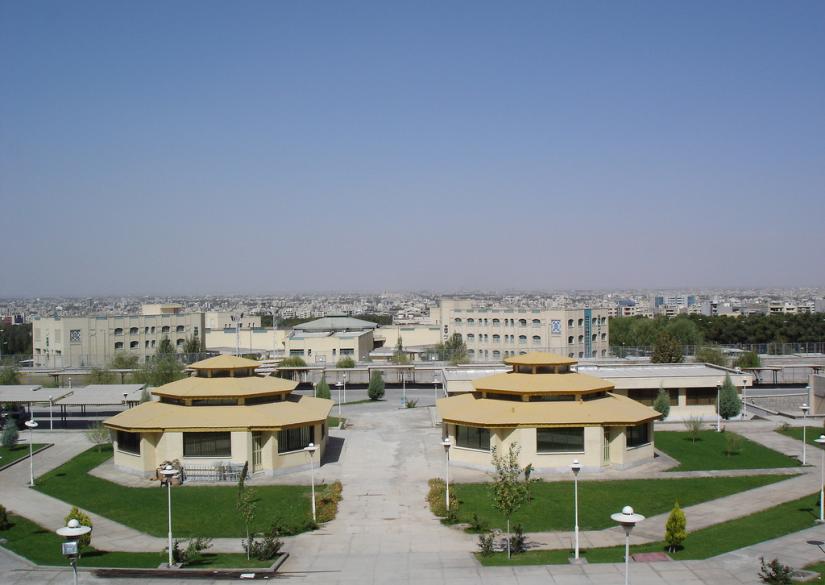
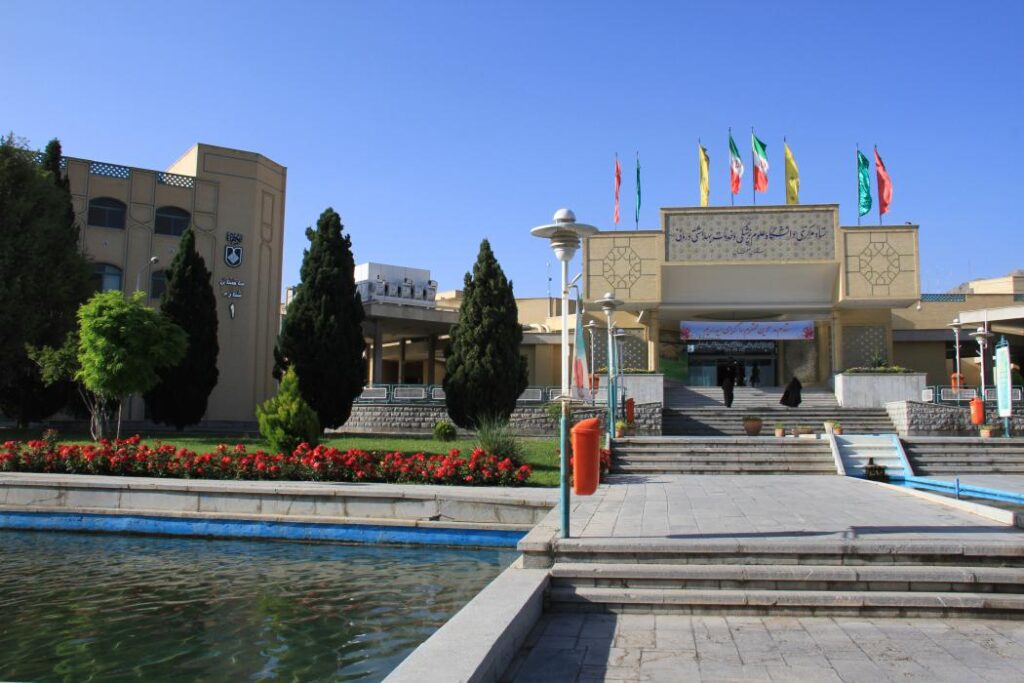
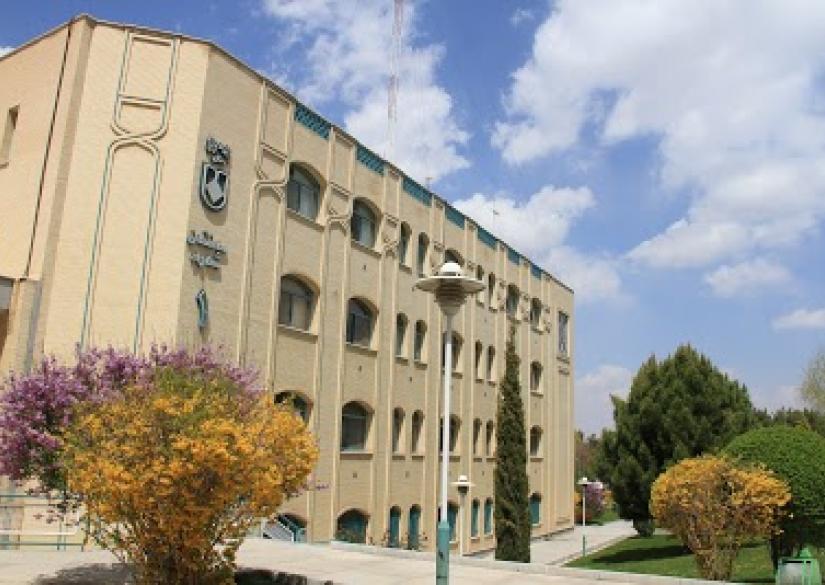
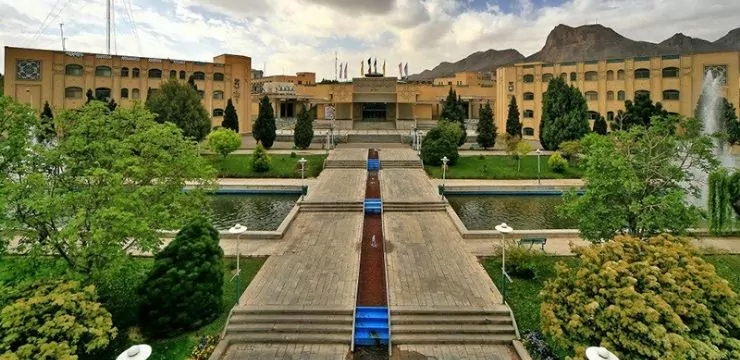
The MUI campus is a massive academic city featuring some of the most advanced medical technology in central Iran.
- Isfahan Cardiovascular Research Institute (ICRI): A WHO-collaborating center and one of the largest heart research hubs in the Middle East.
- Regenerative Medicine & Cell Therapy Center: Focuses on cutting-edge treatments using stem cells and tissue engineering.
- Clinical Skills Center (CSC): One of the largest simulation centers in the region, featuring 3D virtual anatomy and high-fidelity simulators.
- Medical Image and Signal Processing Research Center: Pioneers in using Artificial Intelligence and digital imaging for diagnostics.
- Anatomy Hall: Features traditional cadaveric dissection alongside advanced plastination and digital 3D modeling.
- Central Library: Provides 24/7 access to over 500,000 digital resources and physical journals via Scopus and ClinicalKey.
- Pharmaceutical Sciences Research Center: Integrated with the Faculty of Pharmacy for drug discovery and toxicology studies.
- IT & Bioinformatics Hub: High-speed infrastructure supporting modern medical informatics training.
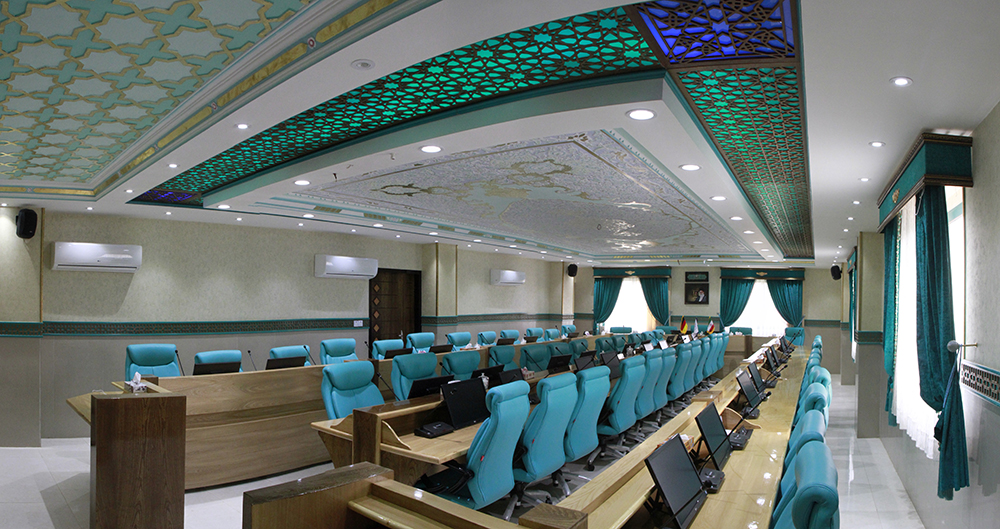
- Falsafi Complex: The dedicated hub for basic science laboratories and smart lecture halls.
- Scientific Society Space: Dedicated to student-led research in surgery, oncology, and neurosciences.
Hospital & Medical Facilities
Leading tertiary care hospital attached to the institution
MUI operates a massive clinical network of 12 teaching hospitals with over 2,500 beds:
- Al-Zahra Hospital: A massive, 1,000-bed multi-specialty tertiary center; one of the best-equipped hospitals in the Middle East.
- Khorshid (Noor) Hospital: A primary center for internal medicine and cardiology training in the heart of the city.
- Kashani Hospital: The regional reference center for Orthopedics, Neurosurgery, and Trauma.
- Imam Hossein Children's Hospital: A dedicated, state-of-the-art facility for pediatric and neonatal medicine.
- Seyed-al-Shohada Hospital: A specialized hub for Oncology and Hematology.
- Shahid Chamran Hospital: The primary facility for specialized Cardiovascular surgery.
Fee Structure
State University Affordability
MUI offers a high-value, Tier-1 education with competitive pricing For.
Scholarship
- MUI Merit Scholarship: High-achieving international students can receive tuition waivers of 30% to 50%.
- Type A Scholarship: Covers 100% of tuition, accommodation, and provides a monthly stipend (limited to exceptional candidates introduced by the Ministry).
- Research Grants: Senior medical students can apply for funding through the Student Research Committee for high-impact clinical projects.
City Details
- The Vibe: Isfahan is famous for its Persian-Islamic architecture, bridges, and the Naqsh-e Jahan Square. It is a safe, clean, and culturally rich city that provides a high quality of life.
- Connectivity:
- Isfahan International Airport: Regular domestic and international flights.
- Metro & Bus: The campus is well-connected to the city via the Isfahan Metro and BRT lines.
- Safety: Very high; Isfahan is considered one of the safest and most tourist-friendly cities in Iran.
Hostel & Mess
- Accommodation: MUI provides 10 dedicated dormitories (5 for boys, 5 for girls). Dorms are high-security, furnished, and include Wi-Fi, laundry, and study halls.
- Dining: The university cafeteria serves high-quality, subsidized meals. Given the large international community, diverse dietary options are often available.
- Vibe: Isfahan is one of the world's most beautiful cities (known as "Half of the World"). The campus environment is high-energy, multicultural, and deeply academic.
Miscellaneous
- Intakes: Two intakes September (Fall) and February (Spring).
- Documents: Online application, 10th/12th mark sheets (PCB focus), NEET scorecard (for Indians), Passport, and a Motivation Letter (SOP).
- Selection: Shortlisted candidates are invited for an online interview (usually via Skype) to assess scientific level and English fluency.
Collage Images Gallery
Facilities & Campus Life

Well-equipped Library

Experienced Faculty

Computer Lab

Sports Activities

Heritage Campus


Frequently Asked Questions
Why Consult With Us?
- 15+ years of experience in medical education counseling
- 5000+ students successfully guided
- 50+ partner universities worldwide
- Free initial consultation with no obligation