
Islamic Azad University Sari Branch Faculty of Medicine

General Information
Established in 1992, the Sari Branch is the largest and oldest higher education institution in the Mazandaran Province of northern Iran. Situated between the lush Alborz mountains and the Caspian Sea, IAUS offers a world-class environment for medical studies. Its Faculty of Medicine is recognized by the WHO, ECFMG (Pathways), and the Iranian Ministry of Health. Known for its strong focus on research and modern clinical training, IAUS is a top choice for international students seeking an English-medium MD program in one of Iran's most scenic and climatically pleasant regions.
General Info
- Established: 1992 (University); Medical faculty developed shortly after.
- Primary Location: > 7th km of Khazarabad Road, Sari, Mazandaran Province, Iran.
- Academic Model: Doctor of Medicine (MD).
- Structure: A 7-year program following the national curriculum:
- Pre-clinical (Years 1–2.5): Foundation in Anatomy, Physiology, and Biochemistry.
- Physiopathology (1 Year): Deep study of disease mechanisms.
- Clerkship (2 Years): Clinical rotations in affiliated teaching hospitals.
- Internship (1.5 Years): Final immersive clinical practice.
- Instruction: English for international students. Students must complete mandatory Persian (Farsi) language training during the early years to facilitate patient interaction during the clinical phase.
- Research Focus: Regional leader in Health Management, Midwifery & Reproductive Health, and Environmental Medical Sciences.
- Admission: Open to international students with a high school aggregate of >50% in PCB (Physics, Chemistry, Biology). NEET qualification is mandatory for Indian applicants.
Campus Facilities
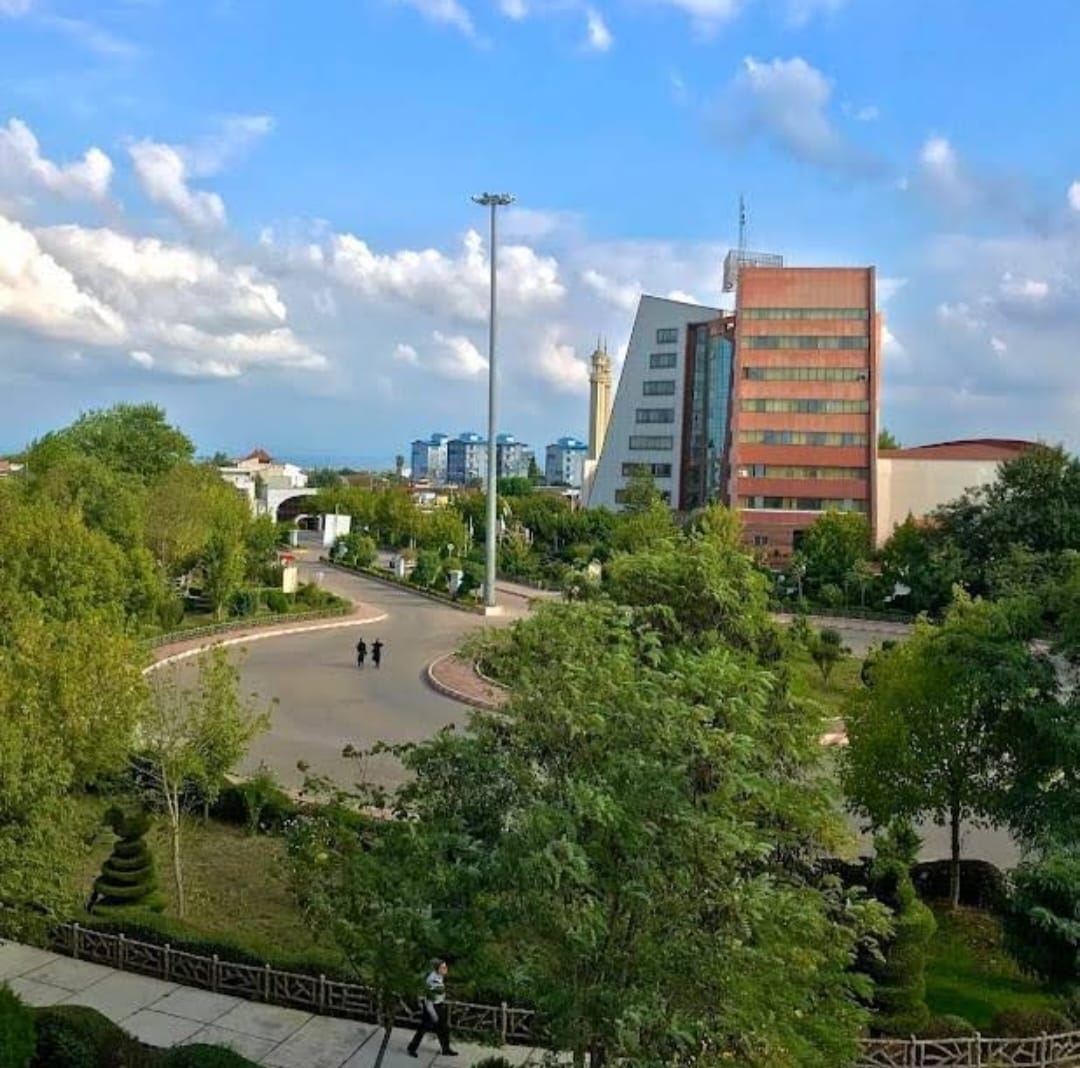
The IAUS campus is an expansive, high-tech hub designed for professional medical and scientific training.
- Health Reproductive Research Center: A specialized hub focusing on maternal health, obstetrics, and midwifery advancements.
- Hospital Administration Research Center: Conducts high-impact studies on healthcare systems and inpatient/outpatient management.
- Clinical Skills Lab: A dedicated simulation facility with advanced mannequins for practicing diagnostic and emergency procedures.
- Anatomy & Morphology Hall: Modern dissection and histology labs equipped with digital imaging and human cadaveric study facilities.
- Molecular Biology & PCR Lab: High-standard facilities for genetic research and microbiological testing.
- Central Library: Provides access to over 40,000 volumes and digital subscriptions to major medical journals via the IAU network.
- Medical Informatics Hub: Supports digital learning, hybrid classrooms, and training in electronic health records (EHR).
- IT & Virtual Learning Suite: High-speed infrastructure catering to the needs of the international student community.
- IAU Sari Sports Complex: Includes indoor gyms, football fields, and proximity to Caspian coastal recreation facilities.
- Scientific Society Hub: A dedicated space for student-led research societies in specialties like General Surgery and Aesthetics.
Hospital & Medical Facilities
Leading tertiary care hospital attached to the institution
IAUS students gain clinical experience through a robust network of university-affiliated and regional hospitals:
- Hekmat Teaching Hospital: The university’s primary clinical site for specialized training.
- Mazandaran Regional Health Network: Students rotate through a variety of provincial hospitals, gaining exposure to a high volume of diverse cases in internal medicine, surgery, and pediatrics.
- Primary Health Centers: Integrated training in community-based medicine and rural health management.
Fee Structure
State University Affordability
IAUS offers an affordable private medical education with a transparent fee structure.
Scholarship
- Academic Merit Discount: International students who achieve top-tier grades (GPA >17/20) can qualify for tuition waivers of 10% to 25%.
- Research Grant Support: Funding is available for senior medical students who publish research in indexed scientific journals.
- Language Proficiency Award: Minor discounts for students who pass the Persian proficiency exam (SAMFA) with high marks in their first year.
City Details
- The Vibe: Sari is the capital of Mazandaran, offering a blend of historic landmarks and natural wonders. It has a mild, humid climate similar to Mediterranean regions.
- Connectivity:
- Dasht-e Naz Airport (Sari): Offers regular flights to Tehran and other major hubs.
- Rail: Directly connected to the national Trans-Iranian Railway (Tehran-Sari line).
- Safety: Very high; Sari is considered one of the safest and most hospitable cities in Iran.
Hostel & Mess
- Accommodation: The university provides furnished student dormitories with 24/7 security, high-speed Wi-Fi, laundry facilities, and common study areas.
- Dining: The university cafeteria serves fresh, subsidized meals. Given Sari's location, students have access to exceptional local cuisine and fresh Caspian seafood.
- Vibe: Tranquil and green. Sari is known for its incredible natural beauty, including forests and the nearby sea. The campus is a quiet, disciplined environment perfect for medical study.
Miscellaneous
- Intakes: September (Main Intake) and February.
- Documents: Requires high school transcripts (PCB aggregate), NEET scorecard (for Indians), Valid Passport, and a Medical Fitness Certificate.
- Enrollment Step: For the session, students should begin their application by submitting a digital profile for document verification. Once preliminary eligibility is confirmed, a virtual interview is conducted to finalize the admission and start the visa invitation process.
Collage Images Gallery
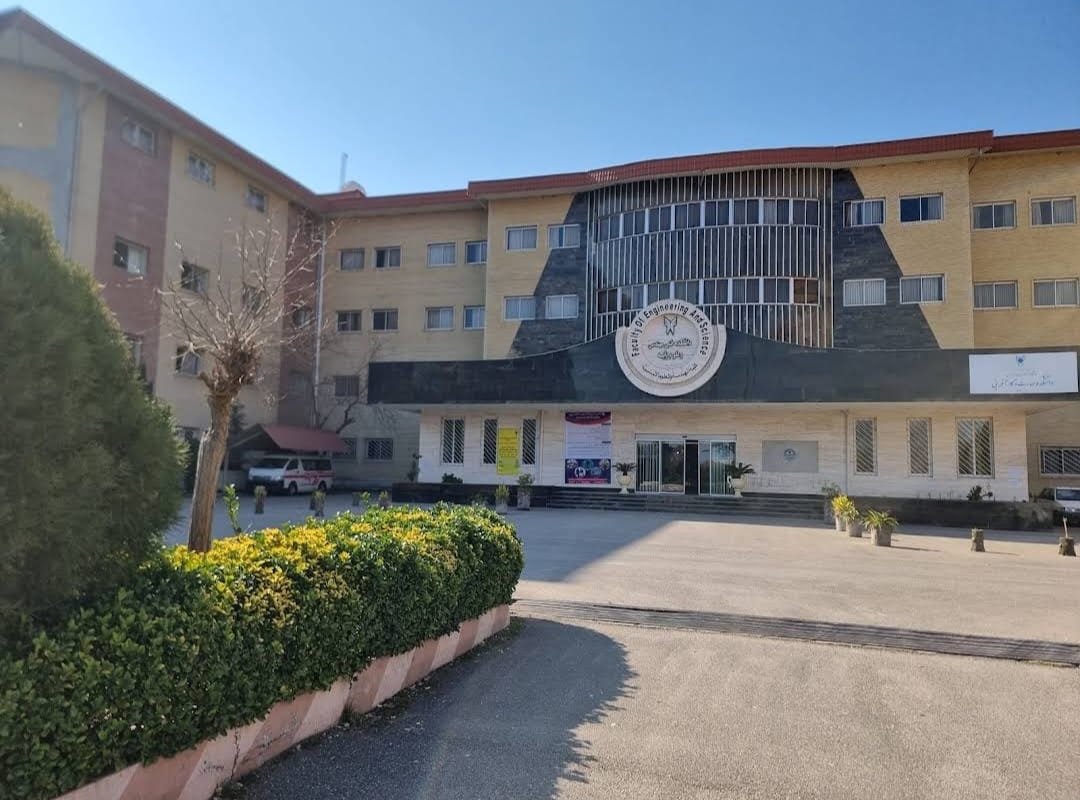
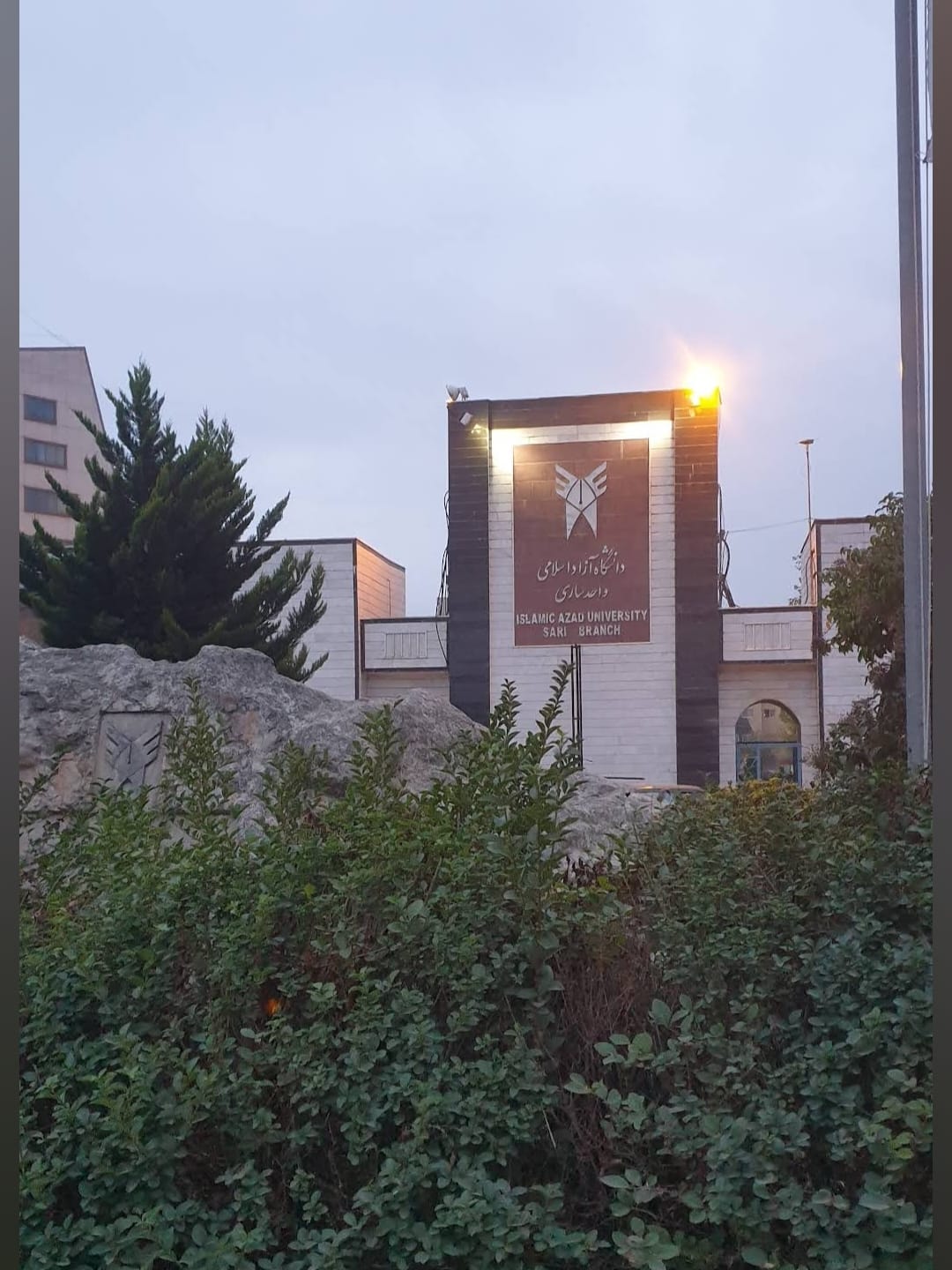
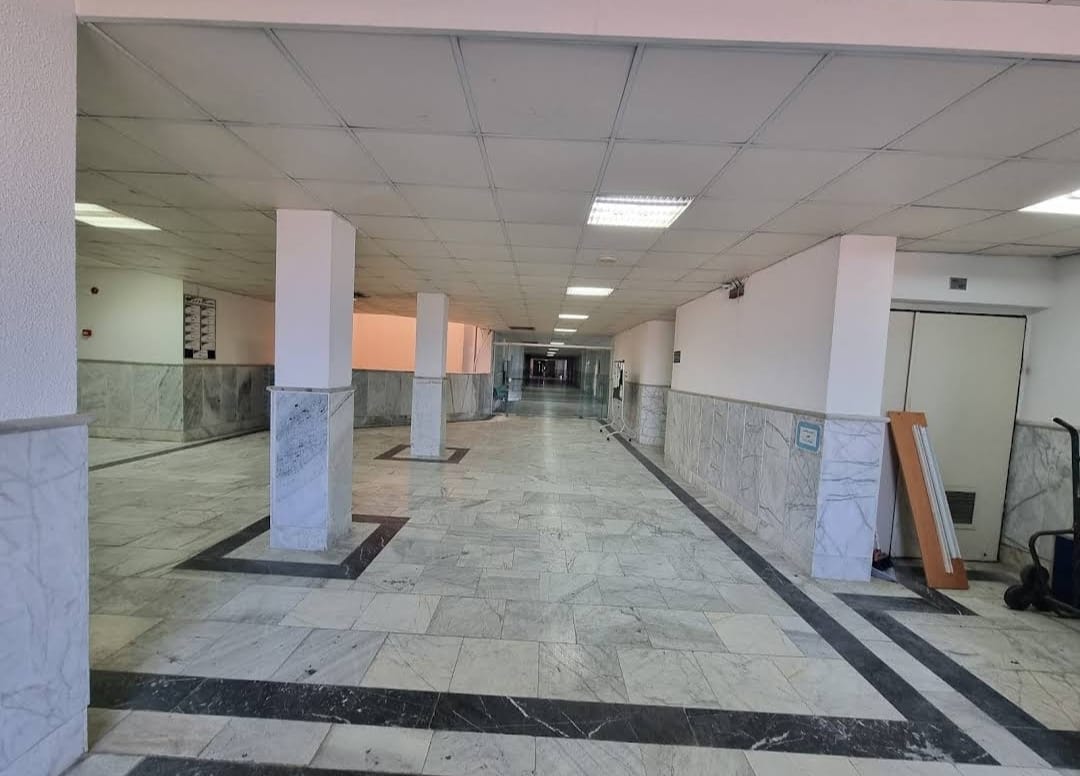
Facilities & Campus Life

Well-equipped Library

Experienced Faculty

Computer Lab

Sports Activities

Heritage Campus


Frequently Asked Questions
Why Consult With Us?
- 15+ years of experience in medical education counseling
- 5000+ students successfully guided
- 50+ partner universities worldwide
- Free initial consultation with no obligation