


Jomo Kenyatta University of Agriculture and Technology School of Medicine

General Information
The JKUAT School of Medicine (SoM), part of the College of Health Sciences (COHES), is a premier medical training institution in Kenya. Established with a focus on integrating technology with healthcare, it has quickly gained a reputation for high academic standards and innovative research.
General Info
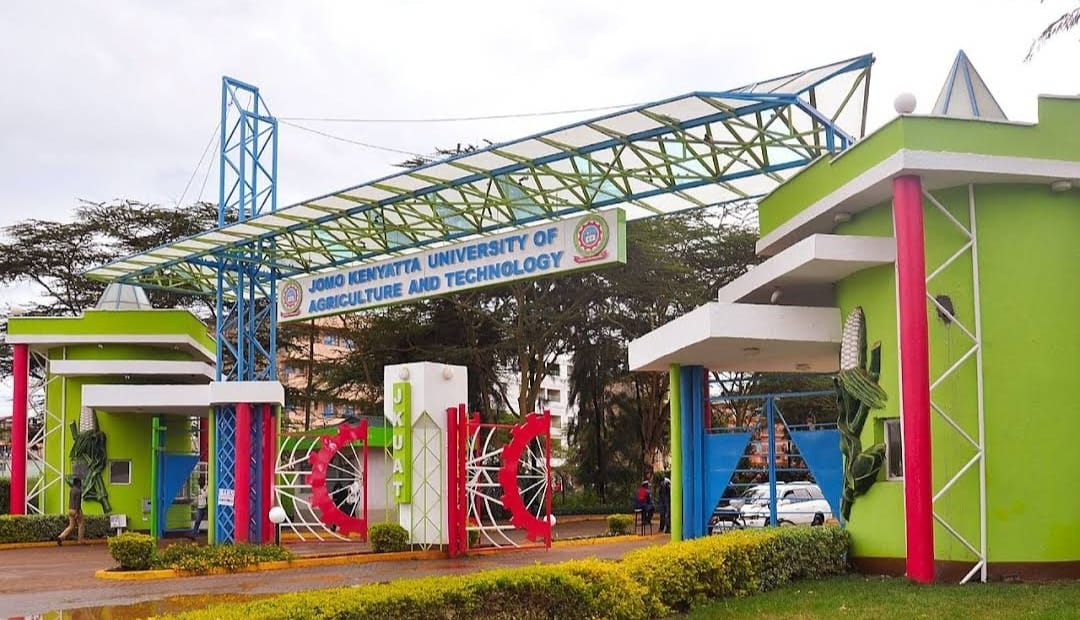
- Primary Location: Main Campus, Juja (approximately 36 km northeast of Nairobi CBD). Some clinical activities and administrative functions may interface with the Westlands or Nairobi CBD campuses.
- Degree Awarded: Bachelor of Medicine and Bachelor of Surgery (MBChB).
- Program Duration: 6 years (3 years of basic sciences and 3 years of clinical rotations).
- Academic Structure: Employs an integrated system that combines theoretical lectures with extensive laboratory practicals and early clinical exposure.
Campus Facilities
Located within the extensive Juja campus, the School of Medicine utilizes state-of-the-art facilities:
- Anatomy Laboratory: A modern facility for cadaveric dissection and anatomical study.
- Medical Physiology & Biochemistry Labs: Equipped for advanced diagnostic and physiological research.
- JKUAT Library: One of Kenya's largest libraries, providing medical students with extensive digital databases (ScienceDirect, Hinari) and a vast collection of medical journals.
- Skills Lab: A dedicated simulation space where students practice clinical examination and emergency procedures on high-fidelity models.
- Innovation Hub (iPIC): JKUAT's hub for technological innovation, where medical students can collaborate on biomedical engineering projects.
- Information & Communication Technology (ICT) Labs: Supports e-learning and medical informatics training.
- Sports Facilities: Access to the university’s football stadium, basketball courts, and athletics tracks for student well-being.
- Hospital Department: A functional on-campus university hospital that serves as an initial clinical exposure site for students.
- Transport Services: Dedicated university buses facilitate student travel between the Juja campus and clinical training sites in Nairobi and Kiambu.
Hospital & Medical Facilities
Leading tertiary care hospital attached to the institution
JKUAT medical students undergo clinical rotations at some of Kenya's most prestigious public health institutions:
- Kenyatta National Hospital (KNH): The largest referral hospital in East and Central Africa, providing exposure to complex medical cases.
- Thika Level 5 Hospital: A primary teaching site for many of the school’s core clinical rotations.
- Kiambu Level 5 Hospital: Frequently used for rotations in Internal Medicine and Surgery.
- Gatundu Level 5 Hospital: Built through a partnership with the university, this modern facility serves as a key teaching hub.
Fee Structure
State University Affordability
Fees are categorized based on the admission track (Government-sponsored vs. Self-sponsored).
Scholarship
- Higher Education Financing (HEF): A funding model providing loans and scholarships to Kenyan students based on financial need.
- HELB Loans: The Higher Education Loans Board offers low-interest loans specifically for medical students.
- JKUAT Internal Bursaries: Awarded by the Dean of Students to highly deserving, underprivileged students.
- External Grants: Organizations like the Aga Khan Foundation and various corporate trusts provide merit-based scholarships.
City Details
- The Vibe: Juja is a rapidly growing university town. It offers a balance between the quiet of the campus and the busy energy of the Nairobi-Thika Superhighway.
- Connectivity:
- Superhighway: Seamless access to Nairobi CBD (approx. 45 mins) and Thika.
- Public Transport: Constant flow of "Matatus" (minibuses) and taxis at the university gates.
- Safety: The campus is gated and patrolled 24/7; Juja town has a high density of student-friendly, secure housing.
Hostel & Mess
- Accommodation: Six on-campus hostels (Halls 1–6) house approximately 2,700 students. Given the large student population (50,000+), many medical students opt for private hostels in the Juja Town area (e.g., Gate A, Gate B, or Oasis).
- Dining: Three main mess facilities Candle in the Wind, Main Mess, and Hall Six Mess provide subsidized meals.
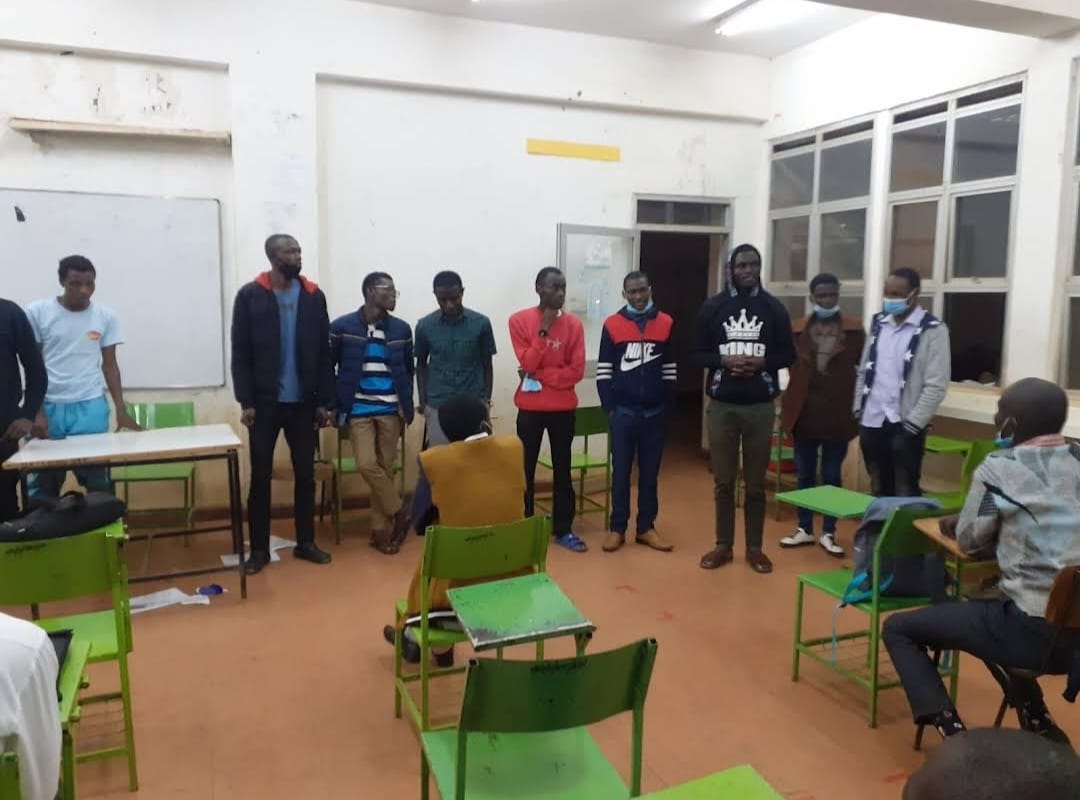
- Vibe: A tech-savvy, high-energy environment. Medical students are active in the JKUSMA (JKUAT Student Medical Association) and participate in "Free Medical Camps" for the surrounding community.
Miscellaneous
- Admission Requirement:
- MBChB: Minimum KCSE Mean Grade of B+ (plus) with a minimum of B+ in Biology, Chemistry, Physics/Math, and English/Swahili.
- International Students: Applicants with international qualifications (IB, SAT, IGCSE) must have their results equated by the Kenya National Qualifications Authority (KNQA).
Collage Images Gallery


Facilities & Campus Life

Well-equipped Library

Experienced Faculty

Computer Lab

Sports Activities

Heritage Campus


Frequently Asked Questions
Why Consult With Us?
- 15+ years of experience in medical education counseling
- 5000+ students successfully guided
- 50+ partner universities worldwide
- Free initial consultation with no obligation