
Julius-Maximilians-Universität Würzburg Medizinische Fakultät

General Information
The Medical Faculty of the University of Würzburg is one of Germany’s oldest and most prestigious institutions, with a history stretching back over 600 years. It is a cornerstone of "Life Sciences" in Germany, notably being the site where Wilhelm Conrad Röntgen discovered X-rays. Today, the faculty is a global leader in cancer research, heart failure studies, and infectious diseases, offering a "standard" medical curriculum that is deeply infused with cutting-edge molecular research.
General Info
- Established: 1402 (Founding of the University); 1582 (Refounding of the Medical Faculty).
- Primary Location: > Josef-Schneider-Straße 2, 97080 Würzburg, Germany (Campus Grombühl).
- Academic Model: Staatsexamen (German State Examination).
- Structure: A 6.3-year program (13 semesters).
- Vorklinik (Semesters 1-4): Strong emphasis on the biological and molecular foundations of medicine.
- Klinik (Semesters 5-10): Integrated clinical training across the university's 30+ specialized clinics.
- PJ (Practical Year): Final year spent in full-time clinical rotations.
- Clinical Focus: Training is highly evidence-based, focusing on "System Medicine" understanding the body as a complex network of molecular and physiological systems.
- Instruction: 100% German. C1 level proficiency (DSH-2 or TestDaF 4x4) is mandatory for the MD program.
- Research-Oriented Tracks: Offers the FOKUS Life Sciences track, a fast-track program for high-achieving students to bridge the gap between their medical studies and a PhD.
- Admission: Restricted (Numerus Clausus). Admission is determined by Abitur/High School GPA and the TMS (Test for Medical Studies).
Campus Facilities
The Medical Campus is primarily located in the Grombühl district, creating a dense "Science City" where research institutes and clinics are clustered together.
- Zentrum für Operative Medizin (ZOM) & Zentrum für Innere Medizin (ZIM): Ultra-modern clinical centers that serve as the main teaching hubs, integrating high-tech diagnostics with student wards.
- Rudolf Virchow Center: A Center for Integrative Biomedical Research where students can engage in high-resolution imaging and protein research.
- Comprehensive Heart Failure Center (CHFC): One of the world’s leading research facilities for cardiovascular health, providing unique data and lab access for students.
- Skills Lab (Lehrklinik): A specialized training facility where students practice clinical skills such as sonography, blood sampling, and communication using actors and medical simulators.
- HIRI (Helmholtz Institute for RNA-based Infection Research): The first of its kind globally, focusing on how RNA can be used to fight infectious diseases.
- Dr. Senckenbergische Anatomie (Würzburg Branch): A historic anatomical institute that maintains an extensive collection while utilizing modern 3D visualization tools.
- Core Unit Systemmedizin: A high-throughput sequencing and bioinformatics facility that supports students in analyzing genomic data for their dissertations.
- Biobank (ibdw): One of Germany’s largest interdisciplinary biomaterial banks, providing a massive resource for clinical studies and research projects.
- Center for Rare Diseases (ZESE): A North Bavarian reference center where students encounter highly complex and unusual medical cases rarely seen in standard practices.
- Medical Library (Teilbibliothek Medizin): Located directly on the Grombühl campus, offering 24/7 access to specialized medical journals and quiet learning spaces.
Hospital & Medical Facilities
Leading tertiary care hospital attached to the institution
The Universitätsklinikum Würzburg (UKW) is the maximum-care provider for the Lower Franconia region:
- Capacity: Roughly 1,400 beds spread across more than 30 clinics.
- Staff: Over 7,000 employees treating approximately 70,000 inpatients and 250,000 outpatients annually.
- Research Power: Over 1,000 doctors and scientists are active in research on-site, making it a "beacon" for clinical studies.
- Specialized Units: Includes the Comprehensive Cancer Center (CCC) Mainfranken and the Musculoskeletal Center.
Fee Structure
State University Affordability
Würzburg is a public university in Bavaria, meaning there are no tuition fees for the primary medical degree.
Scholarship
- Deutschlandstipendium: 300 €/month for students with excellent grades and social commitment.
- PROMOS: Funding for international internships or clinical clerkships.
- BAYHOST: Specific scholarships for students from Central and Eastern Europe.
- Emergency Funds: Provided by the International Office for international students in sudden financial distress.
City Details
- The Vibe: Würzburg is a classic German university city where one in five residents is a student. It is famous for its UNESCO-listed Residenz, its wine culture, and its safe, relaxed atmosphere.
- Connectivity:
- Public Transport: Trams 1 and 5 connect the main station directly to the Grombühl medical campus.
- Strategic Location: Located on major ICE train lines, making Frankfurt or Nuremberg reachable in about an hour.
- Safety: Consistently ranked among the safest cities in Germany.
Hostel & Mess
- Accommodation: Managed by Studierendenwerk Würzburg.
- Student Dorms: Rent ranges from 200 € to 400 €/month. The Grombühl dorms are closest to the medical campus.
- Private Housing: A room in a shared flat (WG) costs roughly 350 € – 550 €/month.
- Dining: The Mensa am Hubland and specialized cafeterias in Grombühl offer subsidized meals (approx. 3 € – 6 €) for students.
Miscellaneous
- APS Certificate: Mandatory for applicants from India, China, and Vietnam.
- Uni-assist: International students apply via uni-assist to receive a VPD before applying to the university.
- Intake: Only the Winter Semester (Deadline: July 15).
Collage Images Gallery
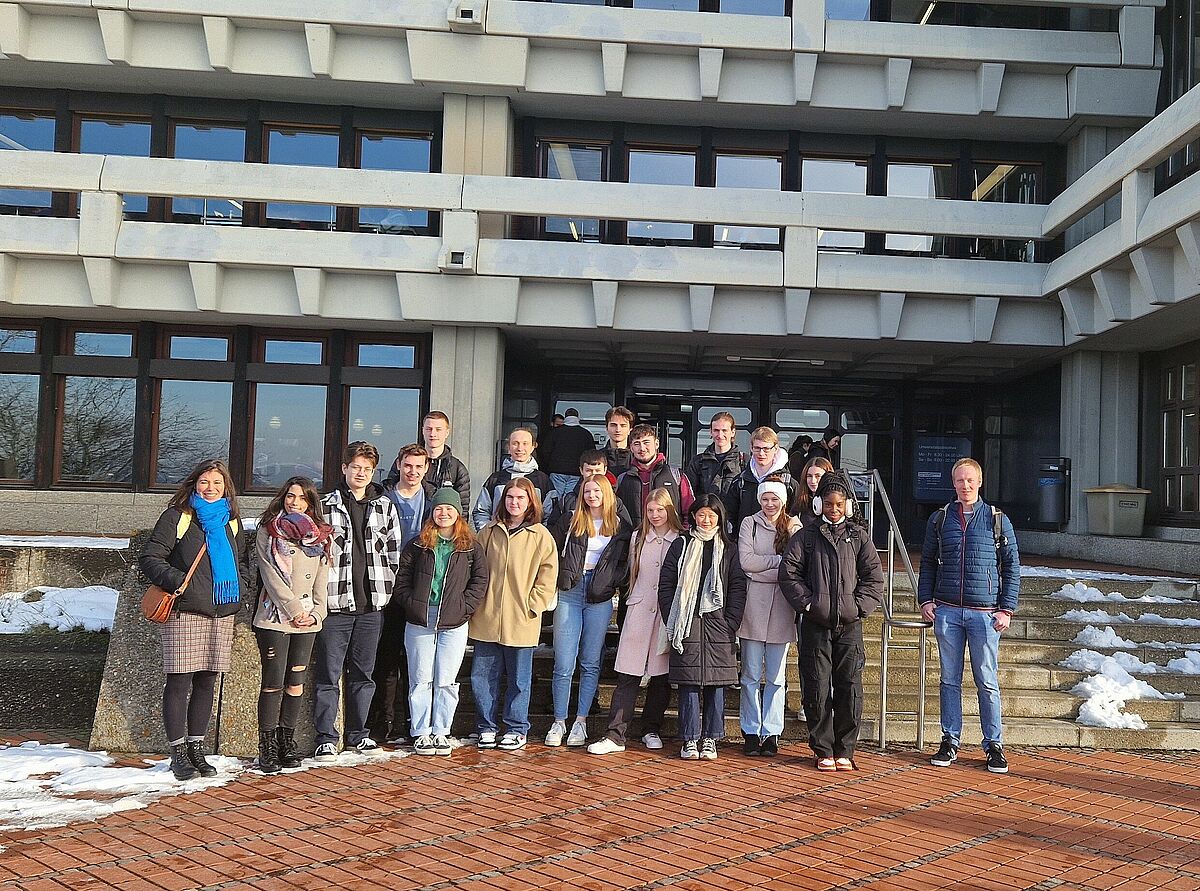
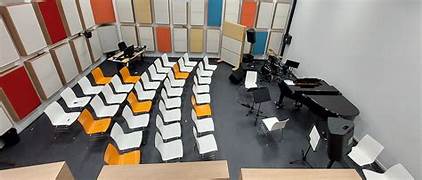
Facilities & Campus Life

Well-equipped Library

Experienced Faculty

Computer Lab

Sports Activities

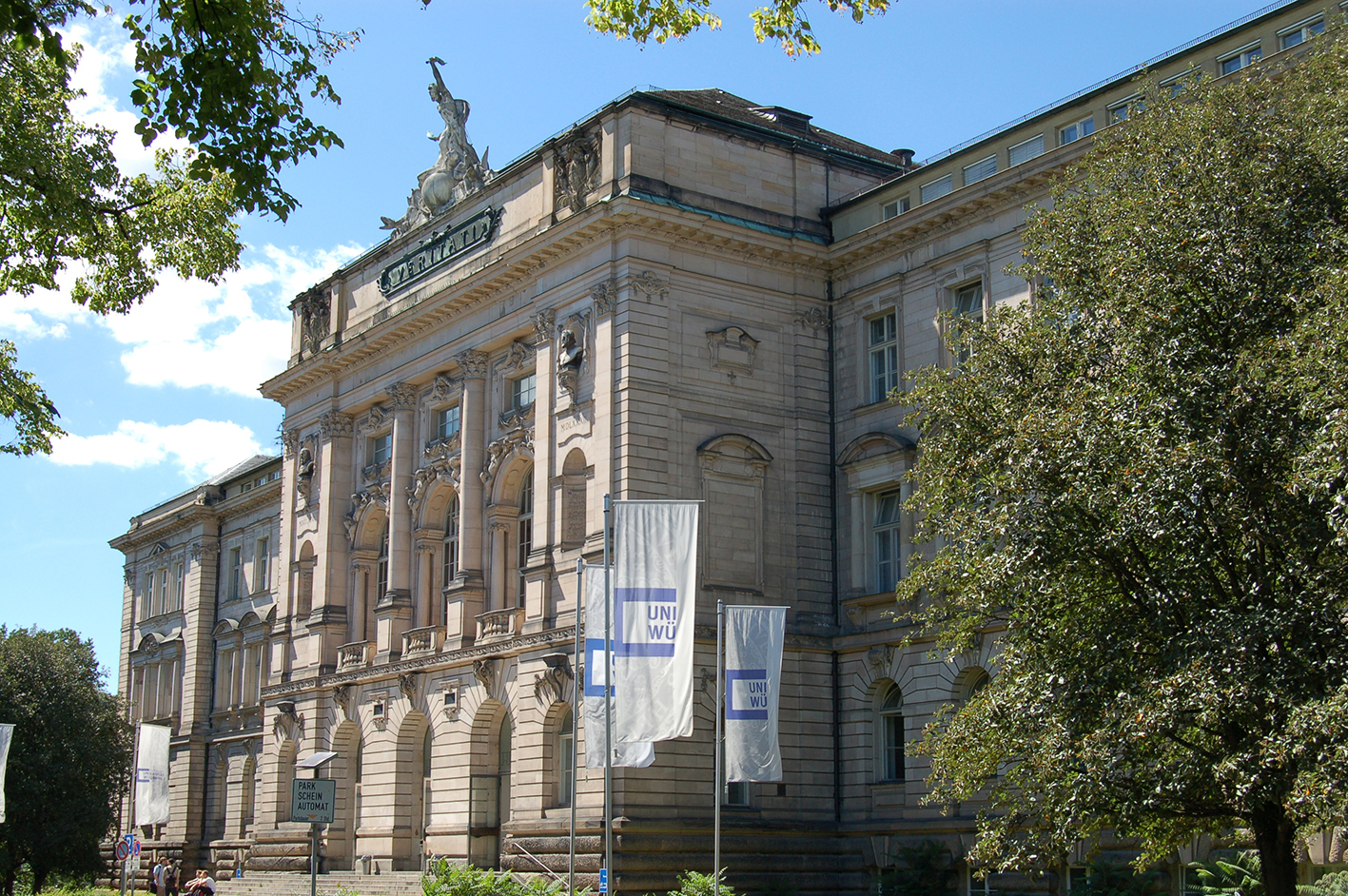
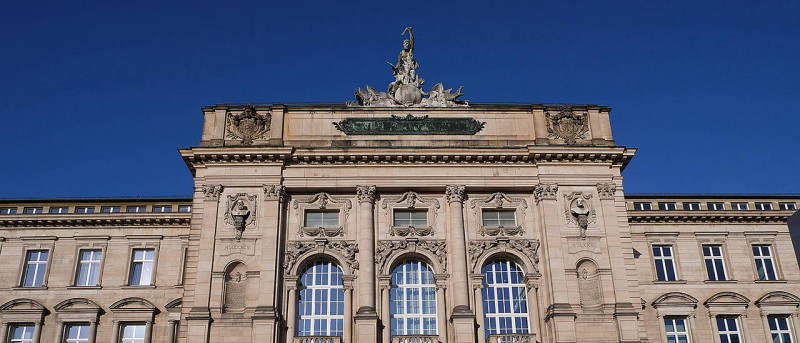
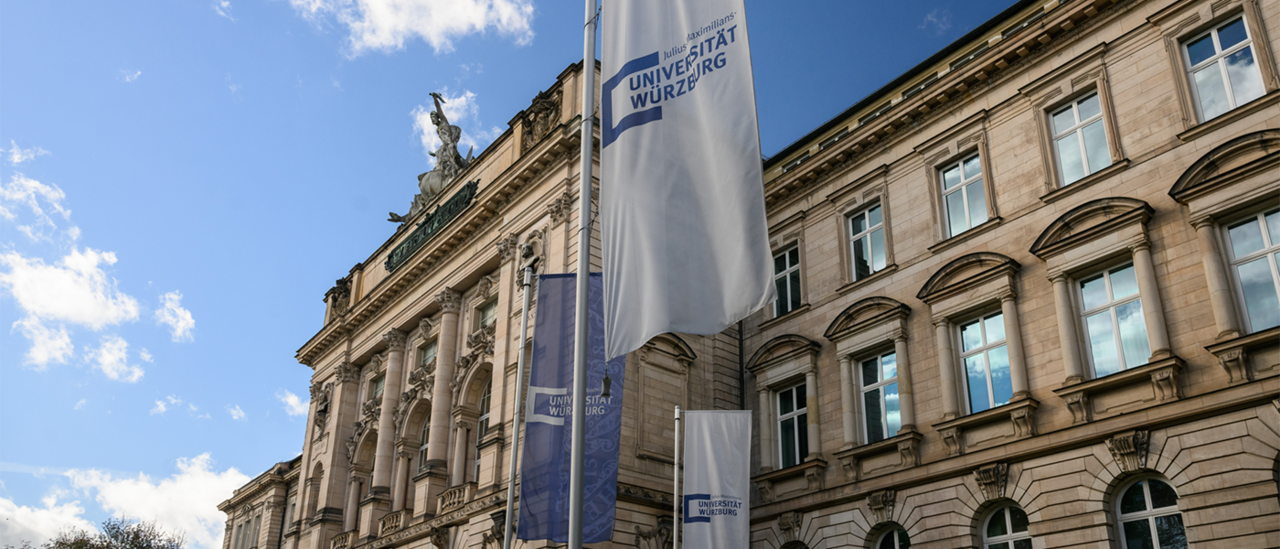
Heritage Campus


Frequently Asked Questions
Why Consult With Us?
- 15+ years of experience in medical education counseling
- 5000+ students successfully guided
- 50+ partner universities worldwide
- Free initial consultation with no obligation