

Karnali Academy of Health Sciences (KAHS)

General Information
The Karnali Academy of Health Sciences (KAHS) is a government-owned medical school that was set up by an Act of Parliament in 2011. The goal of the organization was to bring good medical education and healthcare to the "backward" areas of Nepal. It is located in the remote, high-altitude district of Jumla. KAHS is different because it focuses on rural and community-based medicine, which makes it the first school to train doctors for areas that are poor and hard to reach.
General Information
Chandannath-02, Jumla, Karnali Province, Nepal, is the main location.
Degree Given: M.B.B.S. The program consists of five and a half years of schooling, which includes a one-year internship.
The language of instruction is English.
Accreditation: The Nepal Medical Council (NMC), the National Medical Commission (NMC) of India, and the World Directory of Medical Schools (WHO/FAIMER) all recognize it.
Acceptance:
You must have at least 50% in Physics, Chemistry, and Biology (PCB) in 10+2 or an equivalent.
You must pass the Medical Education Commission (MEC) Entrance Exam to get in. Indian students must pass the NEET exam.
Intake: About 50 students per year, with special spots set aside for students from backward areas and other countries.
Campus Facilities
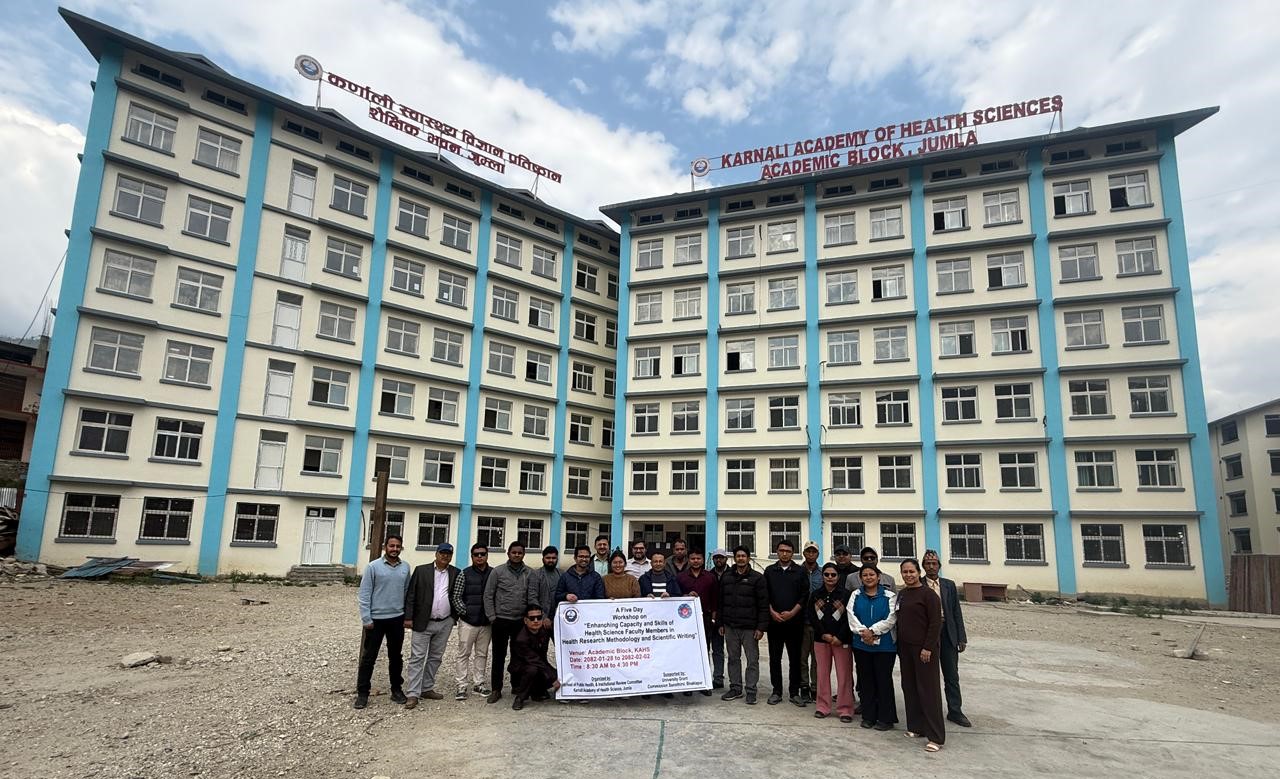
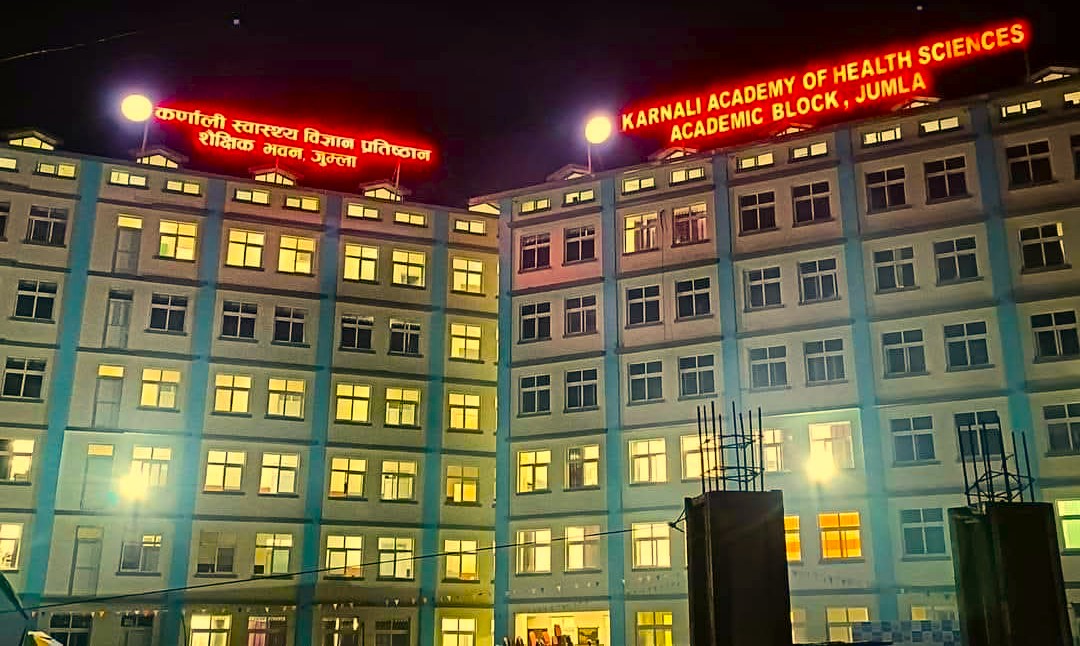
The KAHS campus is designed to handle the weather in the Himalayas and has modern medical training facilities in a rural area.
- Mountainous Academic Campus: This one-of-a-kind campus is located at an altitude of over 2,500 meters and offers a quiet and peaceful place to study hard.
- High-Altitude Medical Skill Lab: A special place where students learn how to deal with medical emergencies that happen in mountainous areas by using manikins.
- The Autonomous Digital Library has a huge collection of medical literature and lets you quickly access international journals through HINARI.
- The Telemedicine Center is a high-tech hub that links the Jumla campus with central hospitals in Kathmandu for real-time consultations and virtual learning.
- Modern Pre-clinical Labs: Labs that are fully equipped for Anatomy, Physiology, and Biochemistry and can work in low-temperature settings.
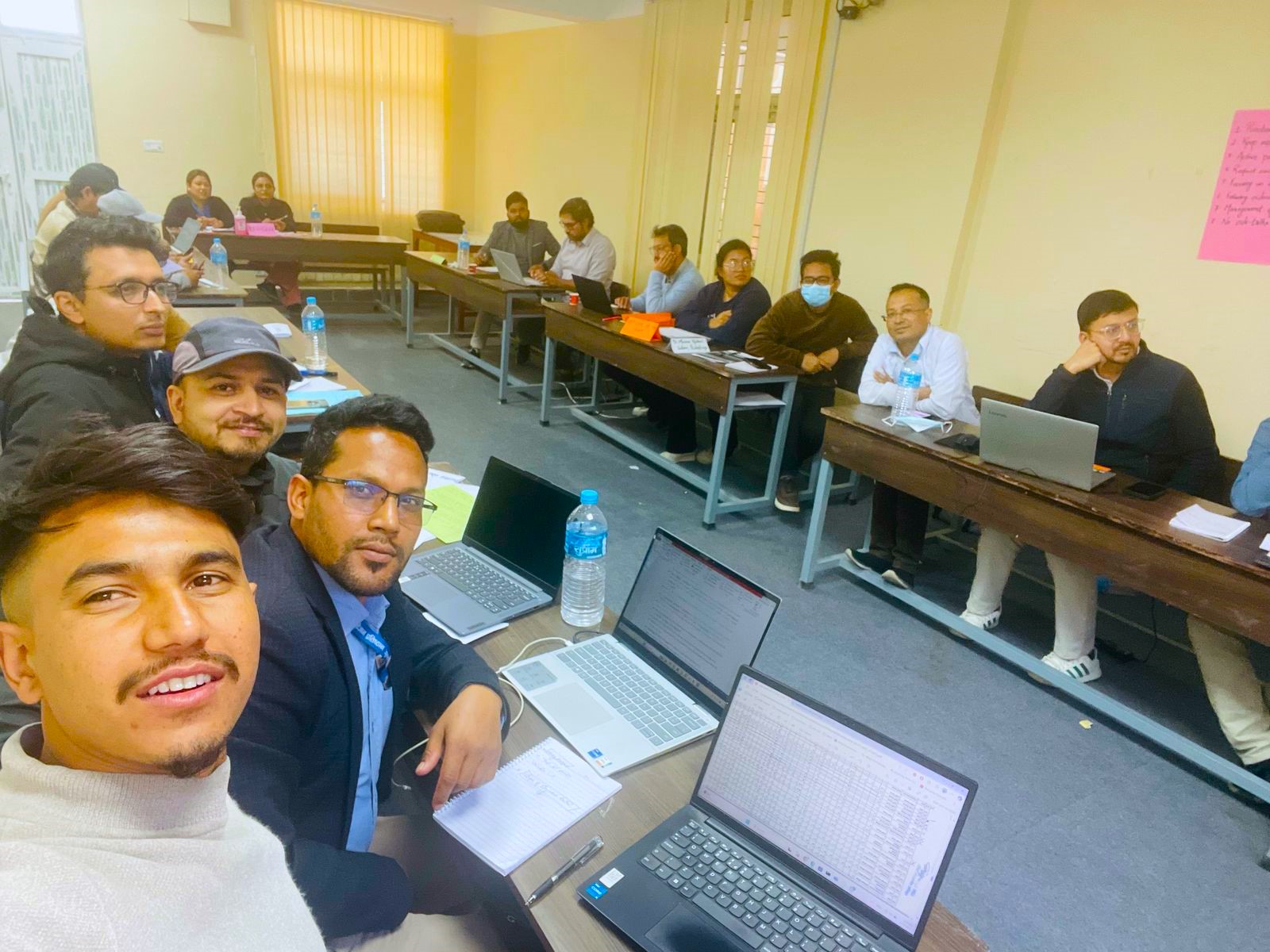
- Classrooms that are community-oriented: lecture halls with modern audio-visual equipment that are made for small-group, problem-based learning (PBL).
- The Research and Development Wing looks into high-altitude sickness and tropical diseases that are common in the Karnali region.
- Auditorium Hall is a central place for medical seminars, public health workshops, and traditional Karnali cultural events.
- Sports and Yoga Facilities: There are outdoor fields for football and volleyball and indoor halls for yoga and meditation to help with mental health.
- Solar-Powered Infrastructure: The campus uses cutting-edge solar energy systems to make sure that there is always electricity and hot water available, even in the cold.
Hospital & Medical Facilities
Leading tertiary care hospital attached to the institution
The KAHS Teaching Hospital is the main place for health care for everyone in the Karnali province.
- 300-Bed Capacity: A government-run teaching hospital that provides tertiary care to people living in 10 remote districts.
- Specialized Critical Care has a modern 10-bed ICU with 13 ventilators, a separate NICU, and a 25-bed High Dependency Unit (HDU).
- Rural Outreach Health Camps: Students go on "trekking clinics" a lot to bring healthcare to the most remote villages in Nepal.
- Diagnostic Imaging: has modern digital X-ray, ultrasound, and basic CT-scan machines that work with teleradiology.
- The Maternity and Child Health Center is a busy place that works to lower the death rates of mothers and babies in the rural Himalayas.
Fee Structure
State University Affordability
Because it is a government school, KAHS is one of the cheapest places to study medicine in Nepal.
Grants
- Government Reserved Seats: 45% of the seats are set aside for students from the less developed areas of Karnali and nearby zones.
- MEC Full Scholarship: Given to the best Nepali students based on the national common entrance merit list.
- Zonal Grants: Extra money for students who promise to work in the Karnali region for a set amount of time after they graduate.
City Details
- The Vibe: Jumla is a historic and quiet town surrounded by apple orchards and snow-capped peaks. It offers a distraction-free environment for medical students.
- Connectivity:
- Air: Jumla Airport connects the town to Nepalgunj (approx. 40 mins), which further connects to Kathmandu.
- Road: Accessible via the Karnali Highway, though the journey from Kathmandu or the Indian border (Nepalgunj/Rupaidiha) is long and adventurous.
Hostel & Mess
- Accommodations: Separate, centrally heated hostels for boys and girls. Rooms are furnished with essential winter-grade bedding and study furniture.
- Dining (Mess): Serves nutritious local and Indian-style meals. The diet is specially planned to meet the nutritional needs of students living in high-altitude conditions.
- Cultural Immersion: Students experience the rich "Khas" culture of Jumla, celebrating local festivals like Dashain and Tihar with the community.
- Outdoor Life: Excellent opportunities for trekking and exploring the Himalayan landscape during academic breaks.
Miscellaneous
- Compulsory Service: Students on government scholarships are required to serve in rural areas for a stipulated time.
- Licensing: Graduates are eligible for global licensing exams including FMGE (India), PLAB (UK), and USMLE (USA).
Collage Images Gallery
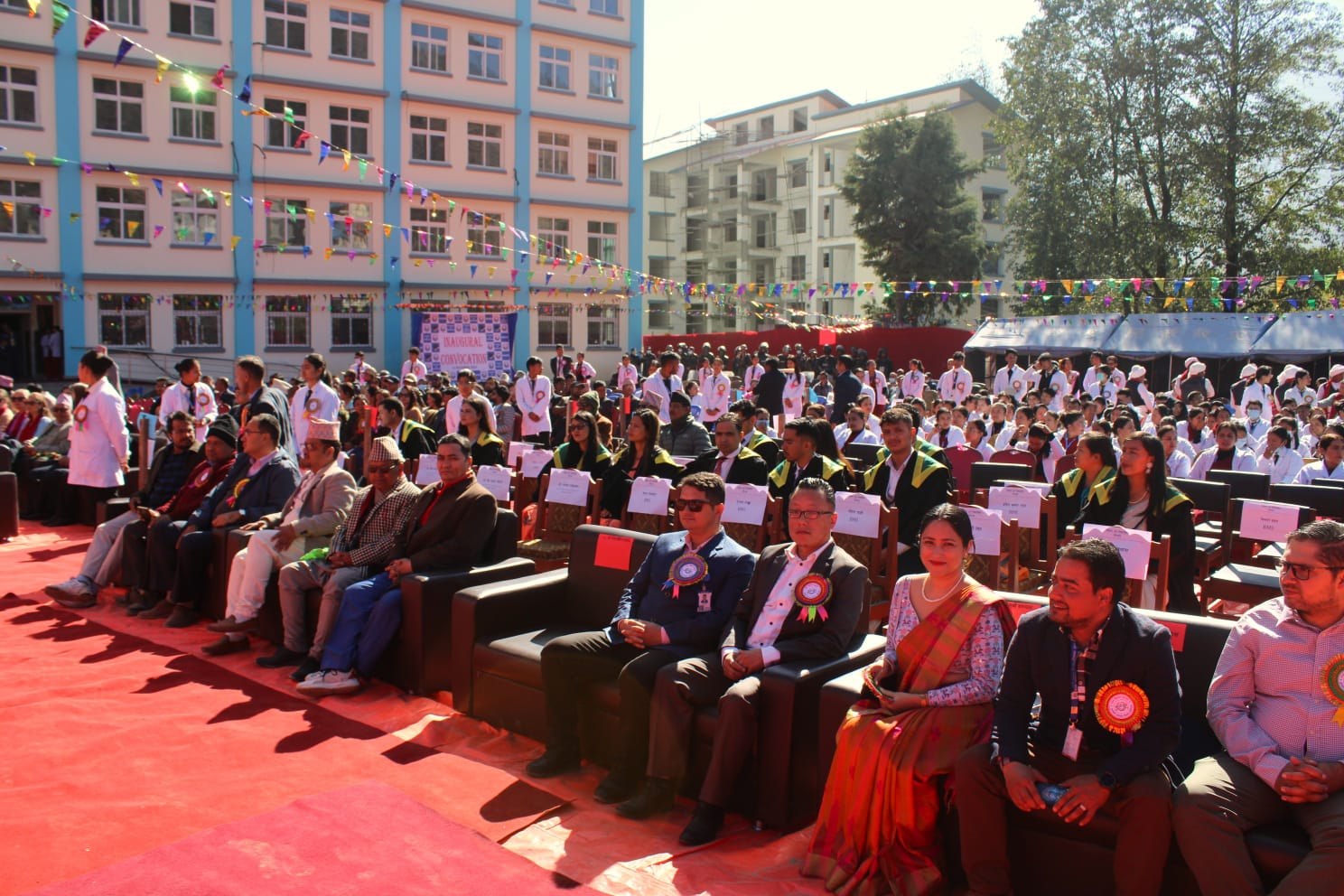
Facilities & Campus Life

Well-equipped Library

Experienced Faculty

Computer Lab

Sports Activities

Heritage Campus


Frequently Asked Questions
Why Consult With Us?
- 15+ years of experience in medical education counseling
- 5000+ students successfully guided
- 50+ partner universities worldwide
- Free initial consultation with no obligation