


Kenyatta University School of Medicine

General Information
The Kenyatta University (KU) School of Medicine is a premier public medical institution in Kenya. Established in 2004, it has rapidly evolved into a center for medical research and clinical excellence, anchored by the state-of-the-art Kenyatta University Teaching, Referral and Research Hospital (KUTRRH).
General Info
- Primary Location: Main Campus, Kahawa, Nairobi (off the Nairobi-Thika Superhighway).
- Degree Awarded: Bachelor of Medicine and Bachelor of Surgery (MBChB).
- Program Duration: 6 years.
- Academic Calendar: Semester-based; the medical program typically includes 3 trimesters per year for clinical years to cover the extensive curriculum.
- Accreditation: Fully accredited by the Kenya Medical Practitioners and Dentists Council (KMPDC).
Campus Facilities
The School of Medicine benefits from a modern medical complex designed to bridge the gap between bench research and bedside care.
- Ibn Sina Complex: The primary building for medical students, housing lecture theaters and administrative offices.
- Human Anatomy Laboratory: A large, modern facility for cadaveric dissection and histological study.
- Advanced Skills Lab: A simulation center where students practice clinical procedures on high-fidelity mannequins before interacting with patients.
- Medical Library: A specialized facility with access to major international journals and digital health databases.
- Post-Graduate Research Center: Focuses on infectious diseases, genomics, and clinical pathology.
- Medical Education Unit: Dedicated to improving teaching methods and curriculum development.
- ICT Innovation Hub: Supports medical informatics and the integration of AI in healthcare.
- Student Service Center: Provides mental health counseling and academic advising tailored to medical students.
- University Sports Complex: Access to world-class athletic facilities, including an Olympic-sized swimming pool.
- Modern Funeral Home: A teaching facility at the Njoro campus used for pathology and forensic training.
Hospital & Medical Facilities
Leading tertiary care hospital attached to the institution
The university is uniquely positioned with its own specialized national referral hospital.
- Kenyatta University Teaching, Referral and Research Hospital (KUTRRH): A state-of-the-art 650-bed Level 6 hospital. It is a hub for specialized care, including the Integrated Molecular Imaging Centre (IMIC) for advanced cancer diagnosis.
- Kiambu Level 5 Hospital: A long-standing clinical partner where students perform core rotations in general medicine and surgery.
- Kenyatta National Hospital (KNH): The largest referral hospital in the region, used for specialized electives and rotations.
- Mama Lucy Kibaki Hospital: Utilized for community health and primary care exposure.
Fee Structure
State University Affordability
Fees are determined by the admission track: Government-sponsored (KUCCPS) or Self-sponsored (SSP).
Scholarship
- Higher Education Loans Board (HELB): Loans and bursaries specifically for medical students.
- Higher Education Funding (HEF): The new government funding model provides grants based on a student’s financial vulnerability level.
- KU Internal Bursaries: Awarded annually to needy and high-achieving students within the medical school.
- DAAD & International Grants: Available primarily for postgraduate research in infectious diseases and public health.
City Details
- The Vibe: Suburban but bustling. The campus is a self-contained city with its own banks, shopping centers, and health clinics.
- Connectivity:
- Road: Directly on the Thika Superhighway; easy access to Nairobi CBD via matatus and buses.
- Internal: A shuttle service (the "KU Bus") moves students across the massive campus.
- Safety: The campus is strictly gated and monitored by university security 24/7.
Hostel & Mess
- Accommodation: Many medical students reside in the "New" Hostels (e.g., Usambara, Aberdare) which are modern and close to the medical buildings. Private hostels in the KM (Kahawa Main) area are also popular.
- Dining: Multiple messes like the Western Mess and Eastern Mess provide affordable, nutritionally balanced meals for students.
- Vibe: Highly academic yet collaborative. The KUMSA (Kenyatta University Medical Students Association) is very active, organizing medical camps and social events like the "White Coat Ceremony."
- Sports: KU is a sports powerhouse; medical students frequently participate in inter-university games and the annual "Culture Week."
Miscellaneous
- Admission Requirements:
- KCSE: Minimum Mean Grade of B+ (plus) with at least B+ in Biology, Chemistry, Mathematics/Physics, and English/Swahili.
- International: Equivalent grades from IB, SAT, or IGCSE (evaluated by KNQA).
- Clinical Skills: The school is known for having one of the best clinical skills simulation centers in East Africa.
Collage Images Gallery
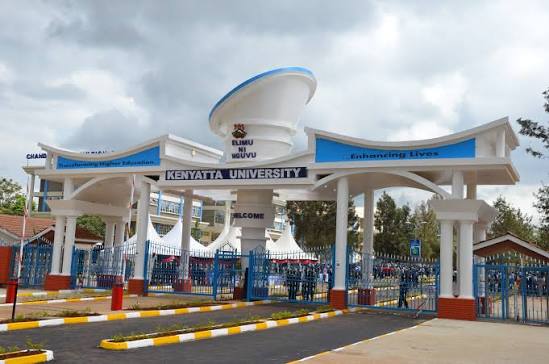
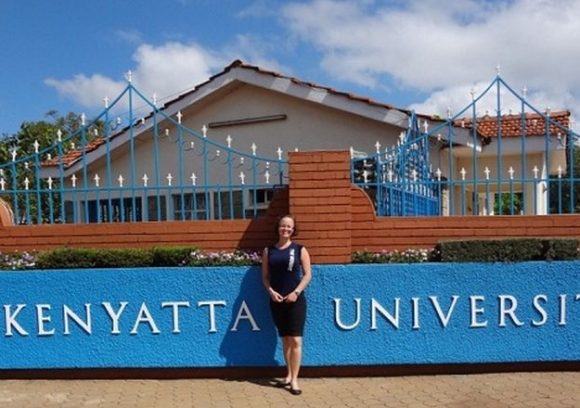
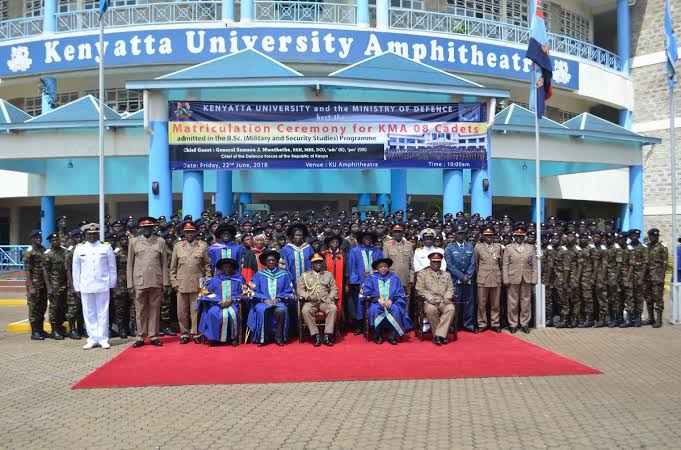
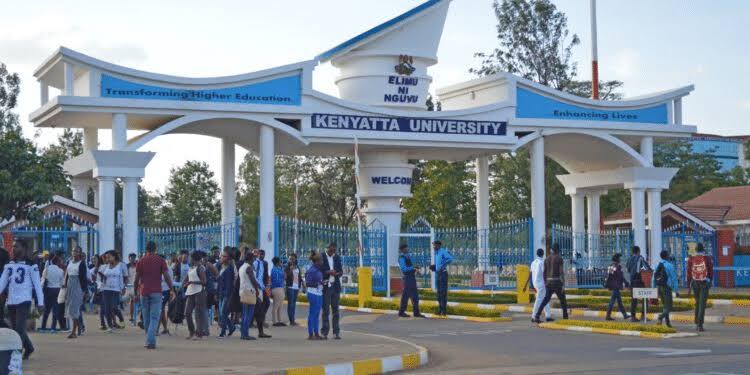
Facilities & Campus Life

Well-equipped Library

Experienced Faculty

Computer Lab

Sports Activities

Heritage Campus


Frequently Asked Questions
Why Consult With Us?
- 15+ years of experience in medical education counseling
- 5000+ students successfully guided
- 50+ partner universities worldwide
- Free initial consultation with no obligation