
Khoja Ahmet Yassawi Faculty of Medicine

General Information
The International Kazakh-Turkish University (IKTU) named after Khoja Ahmet Yassawi stands as a unique, state-level institution founded on an intergovernmental agreement between Kazakhstan and Turkey. Located in Turkistan, the spiritual and historical capital, IKTU offers a globally recognized medical education distinguished by its advanced facilities and profound cultural context.
Core Institutional & Program Highlights
IKTU is a highly strategic choice for international students seeking an NMC-approved medical degree with global mobility.
Official Status: A prestigious State University operating under the Ministry of Education and Science of Kazakhstan and the Council of Higher Education of Turkey.
Establishment Year: Founded in 1991, giving it over three decades of institutional history.
Degree Awarded: Doctor of Medicine (MD), which is recognized as equivalent to the Indian MBBS degree.
Program Duration: The globally compliant duration is 6 Years (comprising 5 years of academic study and 1 year of mandatory clinical internship).
Global Recognition: Fully approved by the National Medical Commission (NMC) of India, and recognized by the World Health Organization (WHO) in its World Directory of Medical Schools (WDOMS), ECFMG, and WFME.
Instruction Language: The entire program for the international cohort is conducted in the English Medium.
Curriculum Philosophy: The syllabus aligns with the credit-module system and ECTS (European Credit Transfer System) standards, ensuring compatibility with European academic frameworks.
NExT Eligibility: IKTU graduates are fully eligible to appear for the National Exit Test (NExT) in India for practicing medicine.
Unique Governance: Managed by a joint Kazakh-Turkish Board of Trustees, underscoring its dual national support and commitment to excellence.
Total Student Strength: The university enrolls over 10,000 students from various countries, fostering a multicultural learning environment.
Campus Facilities
The university is housed in a modern, expansive campus designed to facilitate advanced medical learning and research.
Architectural Design: The campus features striking contemporary architecture, providing a world-class environment for higher education.
Lecture Halls: Equipped with spacious, gallery-style classrooms featuring advanced multimedia systems, digital projection, and seating capacity for large batches.
Specialized Labs: Dedicated and well-equipped laboratories for foundational sciences, including Biochemistry, Microbiology, and Pathology.
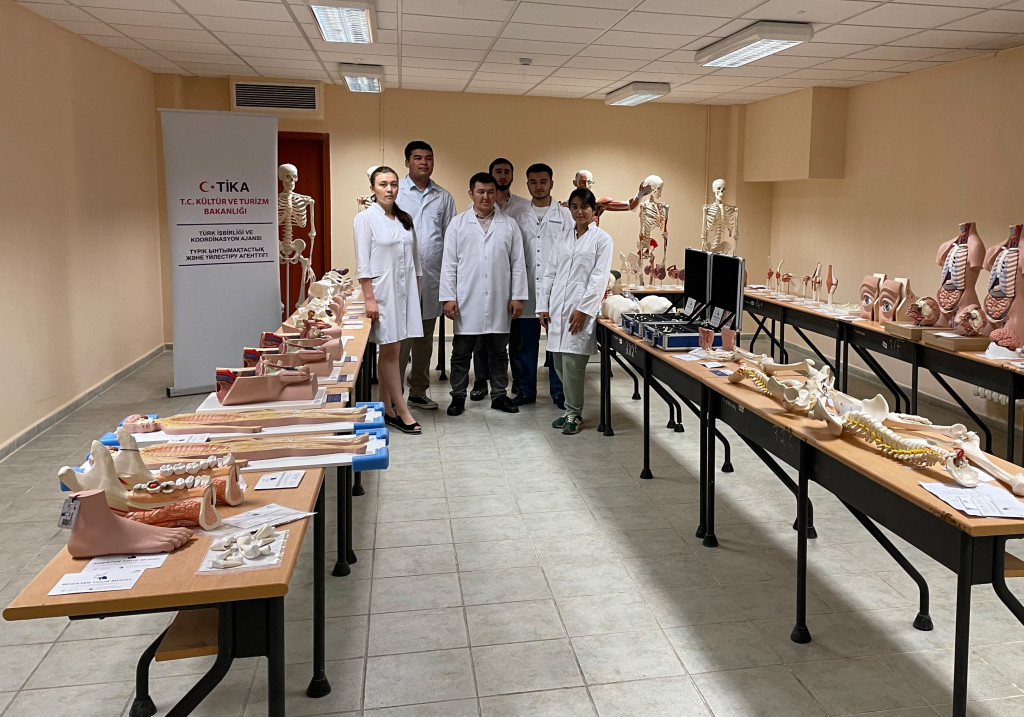
Anatomy Training: Features state-of-the-art Anatomy Labs and Dissection Halls that comply with international standards for practical training.
Simulation Center: The university maintains advanced Clinical Skills and Simulation Centers for training in procedural medicine using high-fidelity medical simulators.
Central Library: The multi-story Medical Library houses a comprehensive collection of print resources and provides digital access to global e-journals and medical databases (e.g., ClinicalKey, PubMed).
Connectivity: High-speed Wi-Fi connectivity is provided across all academic blocks and residential hostels.
Student Support: Dedicated offices handle international student affairs, visa renewal, and academic mentoring.
Security: The campus operates under 24/7 security surveillance and controlled entry points.
Hospital & Medical Facilities
Leading tertiary care hospital attached to the institution
IKTU ensures rigorous clinical training by utilizing its own hospital and affiliated clinical bases, providing diverse and high patient volume.
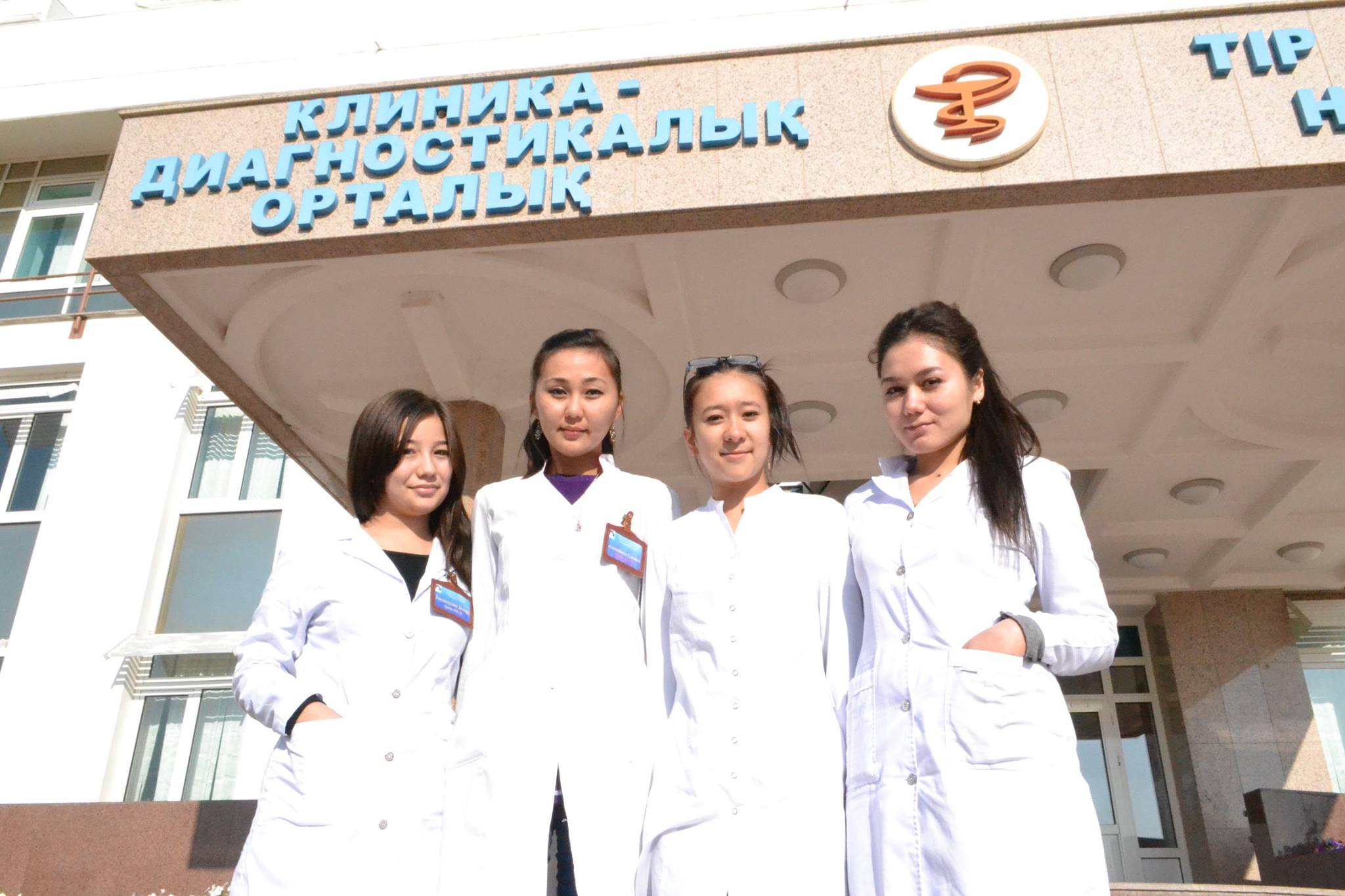
Integrated Hospital: The university operates the Khoja Ahmet Yassawi University Hospital (IKTU Hospital), which is directly integrated for clinical teaching.
Teaching Bed Capacity: The university's clinical network utilizes over 700+ teaching beds across the integrated hospital and mandated external affiliations.
Specialized Units: The hospital features modern diagnostic and treatment units, including intensive care, surgery, and trauma centers.
Diverse Rotations: Students gain vital experience through rotations in major State and City Hospitals in Turkistan and the surrounding region, ensuring exposure to both common regional pathologies and complex medical cases.
Bedside Teaching: Clinical training emphasizes intensive bedside teaching and supervised patient interaction from the fourth year onwards.
Diagnostic Technology: Students receive hands-on training with advanced diagnostic equipment, including modern CT, MRI, and ultrasound imaging systems.
Surgical Exposure: Significant opportunities are provided for observation and assistance in a high volume of surgical procedures across various specialties.
Clinical Communication: The curriculum includes mandatory instruction in Kazakh and Turkish languages to facilitate effective communication with local patients during clinical postings.
Fee Structure
State University Affordability
IKTU provides one of the most budget-friendly fee structures among all NMC-approved institutions in Central Asia, positioning it as a low-cost MBBS destination.
Payment Policy: Fees are payable annually upon arrival in Kazakhstan.
No Hidden Costs: The university adheres to strict state regulations; there are no capitation fees, donations, or hidden charges at any stage of admission or study.
Affordability: The total cost of the six-year program is significantly lower than that of private medical colleges in India and other international destinations.
| Expense Category | Annual Fee Range (USD) | Remarks |
| Annual Tuition Fee | $3,500 – $4,500 | Highly competitive state university fees. |
| Hostel Accommodation | $400 – $700 | Subsidized, secure, on-campus residential rent. |
| Mandatory Annual Charges | $350 – $550 | Covers compulsory medical insurance and annual residency permit fees. |
| Total 6-Year Tuition Cost | $21,000 – $27,000 | Total academic cost for the entire program. |
| First-Year Payment (Estimated) | $4,500 – $5,500 | Includes tuition, registration, and initial mandatory fees. |
City Details
Turkistan provides a unique, historic, and safe backdrop for international medical studies, differing significantly from the major metros.
City Vibe: Turkistan is known as the spiritual and historical center of Kazakhstan, offering a quieter, deeply cultural, and traditional Central Asian experience.
Safety Profile: The city is generally regarded as very safe for students, with a low incidence of serious crime, enhanced by a strong student community focus.
Climate: The region experiences a marked continental climate with extremely hot, dry summers and very cold, often snowy, winters (students must prepare adequate winter clothing).
Cost of Living: The overall cost of living (excluding tuition/hostel) is exceptionally economical, making the entire educational journey highly budget-friendly.
Transportation: Local transport is readily available via affordable public buses and shared taxis, with the university complex being centrally located.
Cultural Landmark: Home to the magnificent Mausoleum of Khoja Ahmed Yassawi (a UNESCO World Heritage Site), which serves as a major cultural and historical draw.
Indian Food: While dedicated Indian restaurants are limited compared to Almaty, the self-catering hostel model efficiently supports adherence to specific dietary needs.
Local Language: Kazakh is the primary language, followed by Russian. Acquiring basic language skills is highly recommended for enriching daily life and mandatory for clinical interaction.
Hostel & Mess
The university ensures secure, comfortable, and highly affordable residential living with a focus on student convenience.
Hostel Policy: On-campus residency is available and highly recommended, often being mandatory for the first year.
Room Configuration: Accommodation is provided in secure university dormitory blocks, typically in shared 2-seater or 3-seater rooms.
Security & Safety: Hostels feature robust 24/7 security personnel and CCTV monitoring, ensuring a safe living environment.
Utilities: All rooms and common areas are centrally heated, providing comfort during the cold winter months, along with consistent hot and cold water supply.
Mess System (Self-Catering): The standard residential model is self-cooking.
Kitchen Facilities: Common, fully equipped kitchens are provided on each floor or wing, allowing Indian students to prepare meals that adhere to their specific dietary requirements (Vegetarian/Halal).
Amenities: Dedicated study halls, recreation rooms, and on-site laundry facilities are provided within the hostel premises.
Miscellaneous
The admission process is transparent, merit-based, and compliant with all Indian regulatory requirements.
Eligibility: Must be NEET-UG qualified and have secured the minimum passing score mandated by the NMC. Academic requirement is generally 50% aggregate in PCB (Physics, Chemistry, Biology) in 10+2 (40% for reserved categories).
Admission Process: Direct admission is offered based on academic merit and NEET qualification, with no separate local entrance exam required.
Internship: The mandatory 1-year clinical internship must be completed in a designated clinical base in Kazakhstan as part of the 6-year MD degree structure.
Service Bond: The university and the Kazakh government do not impose any mandatory service bond or financial penalty upon graduation.
Visa Management: The university facilitates the issuance of the official letter of invitation and aids in the annual renewal of the student visa and residency permit.
Part-Time Work: Generally restricted on an international student visa, requiring students to focus solely on their rigorous academic schedule.
PG Options: Graduates may pursue postgraduate residency programs locally (requiring language proficiency) or opt for licensing exams globally (USMLE, PLAB, AMC, etc.).
Collage Images Gallery

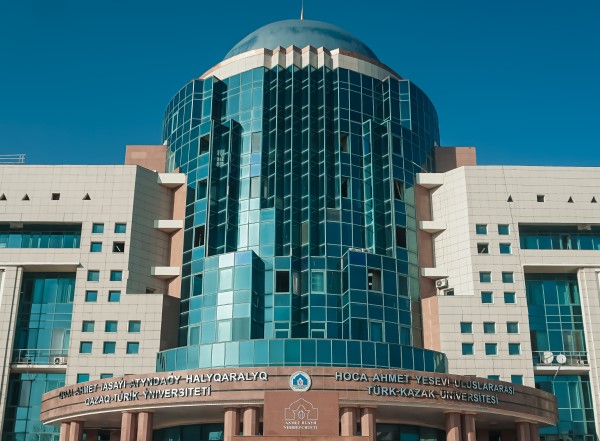


Facilities & Campus Life

Well-equipped Library

Experienced Faculty

Computer Lab

Sports Activities

Heritage Campus


Frequently Asked Questions
Why Consult With Us?
- 15+ years of experience in medical education counseling
- 5000+ students successfully guided
- 50+ partner universities worldwide
- Free initial consultation with no obligation