


Kisii University School of Health Sciences

General Information
The School of Health Sciences at Kisii University was established in 2010. It is a vital institution in the Nyanza region of Kenya, focused on producing healthcare professionals capable of addressing both local community needs and global health challenges. The school operates primarily from the Main Campus in Kisii Town.
General Info
- Primary Location: Main Campus, Kisii Town, Kenya.
- Degree Awarded: Bachelor of Medicine and Bachelor of Surgery (MBChB).
- Language of Instruction: English.
- Accreditation: Programs are approved by the Kenya Medical Practitioners and Dentists Council (KMPDC) and the Pharmacy and Poisons Board (PPB).
- Mission: To train holistic health professionals with the knowledge and skills to manage community health needs through education, research, and innovation.
Campus Facilities
The school has significantly expanded its infrastructure to support high-level medical training.
- Anatomy Laboratory: A modern facility located at the Kisii Teaching and Referral Hospital (KTRH) for cadaveric dissection and anatomical study.
- Simulation Centers: Facilities equipped with high-fidelity mannequins to bridge the gap between classroom theory and clinical practice.
- Modern Science Labs: Specialized labs for Biochemistry, Microbiology, and Cellular Immunology.
- University Library: Access to a vast collection of medical textbooks and international e-resources via the university's digital portal.
- ICT Integration: The school utilizes an E-Learning platform (ODeL) for blended learning and pedagogical technology integration.
- Information Technology in Medicine Lab: A dedicated space for studying medical informatics and digital health solutions.
- Diagnostic Imaging Units: Access to modern equipment for training in radiology and imaging.
- Student Service Center: Provides administrative guidance, academic records management, and counseling for medical students.
- Research & Development Office: Supports faculty and students in conducting clinical and community-based health research.
- Transport Hub: University-managed transport for students attending clinical rotations at various sub-county hospitals.
Hospital & Medical Facilities
Leading tertiary care hospital attached to the institution
The school is anchored by its collaboration with the county government's flagship health facility.
- Kisii Teaching and Referral Hospital (KTRH): A 450-bed facility (expanding to 700) that serves as the primary teaching site. It features a Renal Unit, MRI, and 64-slice CT-scan services.
- Sub-County Hospitals: Students are deployed to various sub-county facilities across Kisii and Nyamira counties for primary healthcare and community health rotations.
- University Health Centre: An on-campus facility providing basic care to the university community and serving as an initial site for clinical observation.
Fee Structure
State University Affordability
Fees are structured according to the student’s admission category (KUCCPS or PSSP).
Scholarship
- Government Scholarships & Loans (HEF): Students apply via the Higher Education Financing portal; funding is tiered (Bands 1–5) based on financial need.
- HELB Loans: The Higher Education Loans Board provides low-interest loans for tuition and living expenses.
- International Scholarships: Available for non-Kenyan students through university-based financial aid offices and partner foundations.
- County Bursaries: Many students apply for bursaries provided by their respective County Governments (e.g., Kisii County Bursary).
City Details
- The Vibe: Kisii is a bustling highland town known for its high rainfall and lush greenery. It is a safe, student-friendly city with a low cost of fresh food.
- Connectivity:
- Road: Well-connected via major highways to Nairobi (approx. 6–7 hours) and Kisumu (2 hours).
- Airport: Served by the Suneka Airstrip and the nearby Kisumu International Airport.
- Safety: The town is generally safe for students, though common urban precautions are advised.
Hostel & Mess
- Accommodation: While university hostels are limited, students frequent highly-rated private options like Roy’s Hostels, which offer Wi-Fi and meals within a 15-minute walk of the campus.
- Dining: University canteens provide affordable "Plate" meals. Kisii town also offers a vibrant market for fresh produce at low prices.
- Vibe: Serious and professional but community-focused. Medical students are active in the Kisii University Health Students Association.
- Community Outreach: The school is famous for its regular medical camps and sanitation drives in the surrounding villages.
Miscellaneous
- Admission Requirements (MBChB):
- KCSE: Minimum Mean Grade of B (Plain) with at least B (Plain) in Biology, Chemistry, Physics/Math, and English/Swahili.
- Upgrading Track: Requires a Diploma in Clinical Medicine and registration with the Clinical Officers Council (COC).
- Intake: The main medical and nursing intakes occur in September each year.
Collage Images Gallery


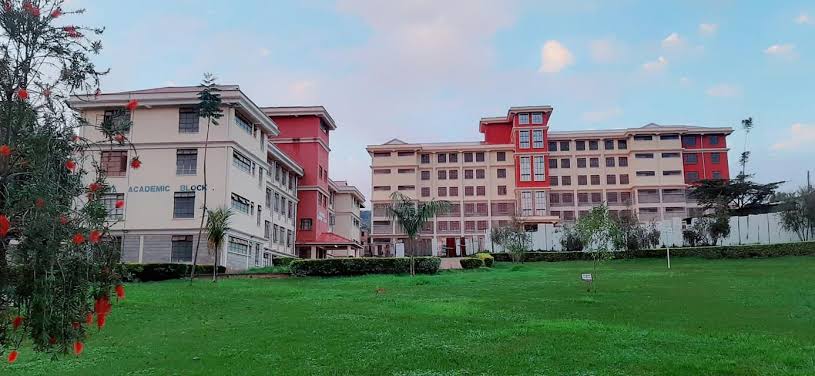


Facilities & Campus Life

Well-equipped Library

Experienced Faculty

Computer Lab

Sports Activities

Heritage Campus


Frequently Asked Questions
Why Consult With Us?
- 15+ years of experience in medical education counseling
- 5000+ students successfully guided
- 50+ partner universities worldwide
- Free initial consultation with no obligation