
Kurdistan University of Medical Sciences School of Medicine

General Information
Established in 1985 (officially achieving university status in 1990), Kurdistan University of Medical Sciences is the primary medical education and healthcare provider for the Kurdistan Province in western Iran. Located in the picturesque, mountainous city of Sanandaj, MUK is recognized by the WHO, ECFMG (Pathways), and the Iranian Ministry of Health. It has recently gained significant international attention, ranking in the 601–800 band of the Times Higher Education World University Rankings. For, the university offers a high-value English-medium MD program, celebrated for its research output in environmental health and its deep integration with the regional Kurdish community.
General Info
- Established: 1985.
- Primary Location: > Pasdaran St, Sanandaj, Kurdistan Province, Iran.
- Academic Model: Doctor of Medicine (MD).
- Structure: A 7-year program following the national integrated medical curriculum:
- Pre-clinical (Years 1–2.5): Foundation in Anatomy, Physiology, and Biochemistry.
- Physiopathology (1 Year): Bridging science with clinical diagnosis.
- Clerkship (2 Years): Supervised rotations across all core medical wards.
- Internship (1.5 Years): Final immersive stage where students manage patients as junior doctors.
- Instruction: English for international students. Comprehensive Persian (Farsi) training is mandatory during the first year to ensure students can perform clinical histories and interact with patients effectively during clerkships.
- Research Focus: Global leader in Environmental Health, Social Determinants of Health, and Cellular and Molecular Medicine.
- Admission: Open to international students with a high school diploma (PCB aggregate typically >60% or 80/100). NEET qualification is mandatory for Indian applicants.
Campus Facilities
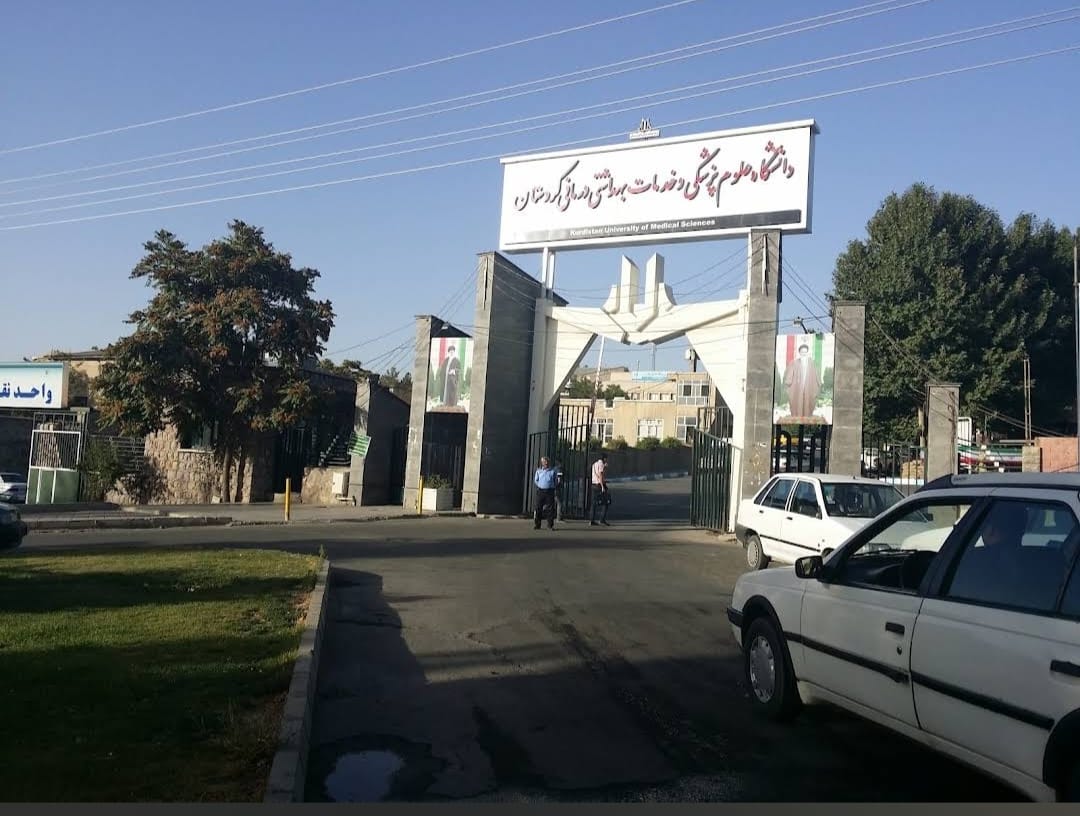
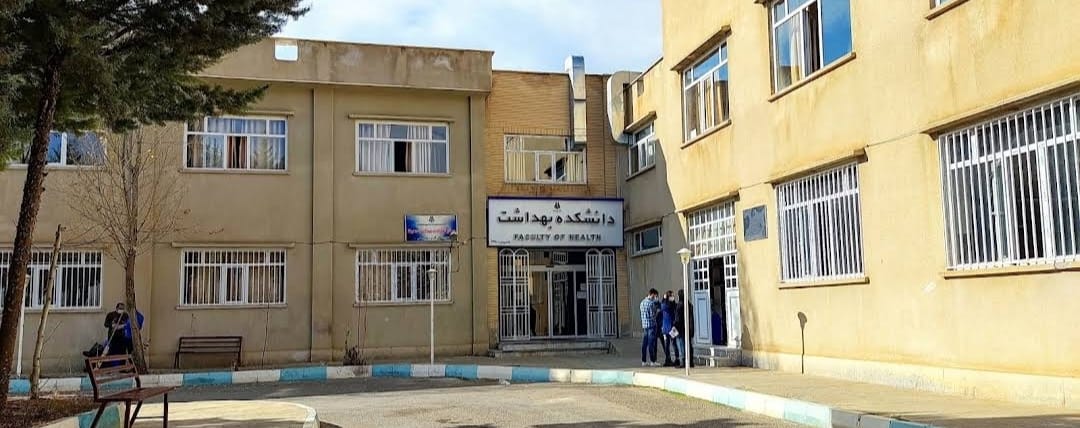
The MUK campus is set against the backdrop of the Zagros Mountains, offering modern facilities designed for high-level scientific research.
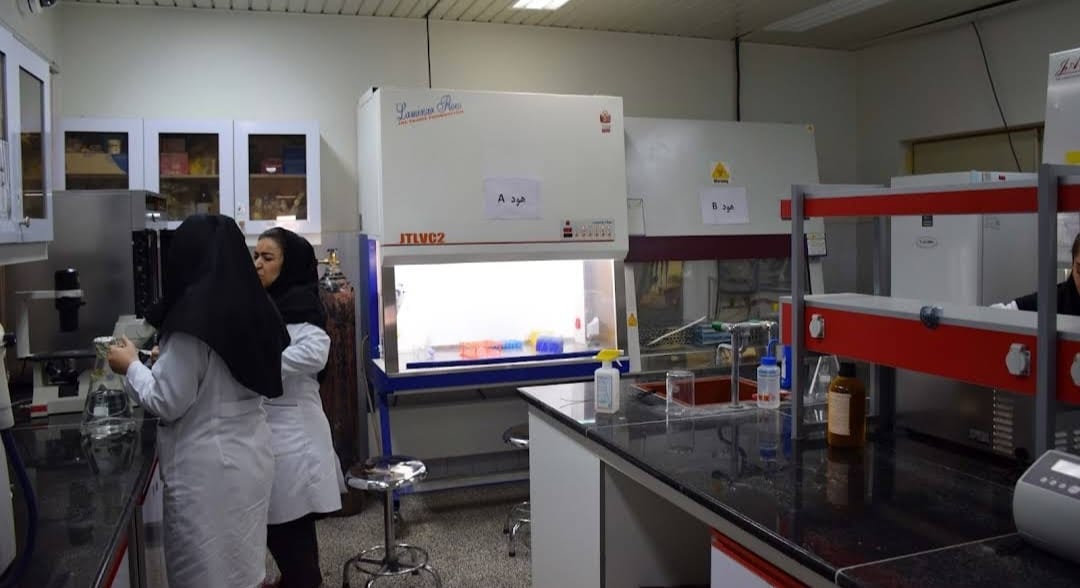
- Cellular and Molecular Research Center (CMRC): A flagship center specializing in stem cell research, molecular pathology, and cancer immunotherapy.
- Environmental Health Research Center: One of Iran's most productive units, focusing on air and water pollution and regional waste management.
- Social Determinants of Health Research Center: Studies the impact of social factors on regional public health outcomes.
- Clinical Skills & Simulation Center: A modern facility for hands-on training in advanced resuscitation, airway management, and diagnostic procedures.
- Anatomy Hall & Histology Lab: Features modern cadaveric study facilities and high-resolution imaging for morphological sciences.
- Zoonoses Research Center: Focuses on animal-to-human disease transmission, a critical field in the diverse agricultural landscape of Kurdistan.
- Liver and Digestive Research Center: A specialized unit for hepatology and gastrointestinal health research.
- IT & Virtual Learning Hub: Provides high-speed access to international databases like Scopus, PubMed, and ISI.
- MUK Athletics Center: Includes a gymnasium, indoor halls, and student sports clubs designed for physical well-being.
- Student Research Committee (SRC): A vibrant student body that organizes international webinars and medical congresses.
Hospital & Medical Facilities
Leading tertiary care hospital attached to the institution
MUK manages a comprehensive network of teaching hospitals in Sanandaj, providing students with over 1,500 combined beds:
- Kowsar Hospital: The university's flagship 540-bed tertiary facility, featuring the largest ICU and oncology wards in the province.
- Besat Hospital: A high-volume general and specialty hospital serving as a primary site for internal medicine and surgery rotations.
- Tohid Hospital: A specialized center where students gain exposure to cardiology and emergency medicine.
- Razi Hospital: A dedicated center for psychiatry and behavioral sciences training.
Fee Structure
State University Affordability
MUK is recognized as a high-ranking but affordable public destination For the academic cycle.
Scholarship
- Merit-Based Waivers: International students with high academic standing (GPA >17/20) can qualify for tuition discounts of 10% to 25%.
- Research Grants: Small stipends (up to $1,200/year) are available for students who contribute to high-impact research within the university’s research centers.
- Early Bird Support: Minor discounts are sometimes available for students who pay the full annual fee in advance.
City Details
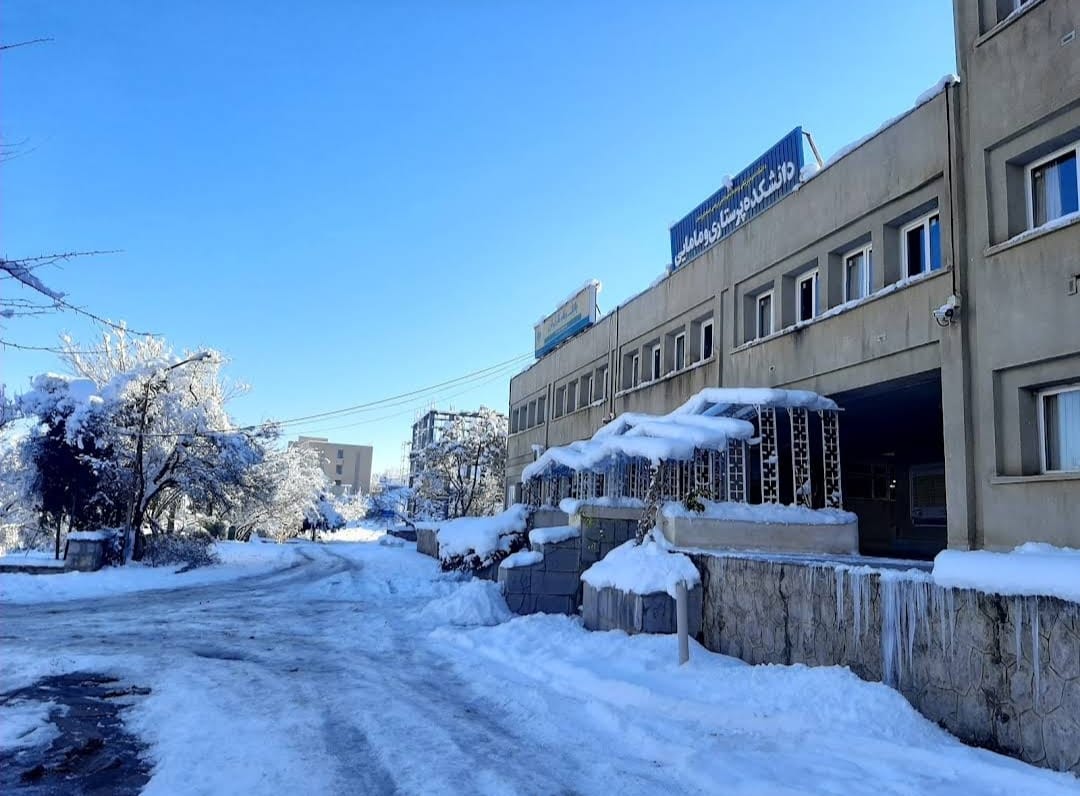
- The Vibe: Sanandaj is the capital of Iranian Kurdistan, known for its historic mansions, traditional bazaars, and scenic mountain parks. It has a mountainous climate with snowy winters and mild summers.
- Connectivity:
- Sanandaj Airport (SDG): Offers regular domestic flights to Tehran for international connections.
- Road: Well-connected via scenic highways to other major Iranian cities like Kermanshah and Hamadan.
- Safety: Very high; Sanandaj is a safe, student-friendly city with a very low crime rate.
Hostel & Mess
- Accommodation: The university provides secure dormitories for international students, with separate wings for male and female residents. Facilities include high-speed Wi-Fi, laundry rooms, and common study areas.
- Dining: Subsidized meals (Persian and Kurdish styles) are served at the University Dining Hall. Sanandaj is famous for its local Kurdish hospitality and fresh mountain produce.
- Vibe: Culturally unique and peaceful. Sanandaj is a city of culture and music, offering a welcoming atmosphere for foreign students who want to experience the rich Kurdish heritage.
Miscellaneous
- Intakes: September (Main Intake) and February.
- Documents: Requires high school transcripts (PCB aggregate >60%), NEET scorecard (for Indians), Passport, and a Medical Fitness Certificate.
- Application Step: For the cycle, students should apply via the MUK International Student Admission portal. The process involves document verification followed by a virtual interview to assess English proficiency and scientific foundations.
Collage Images Gallery
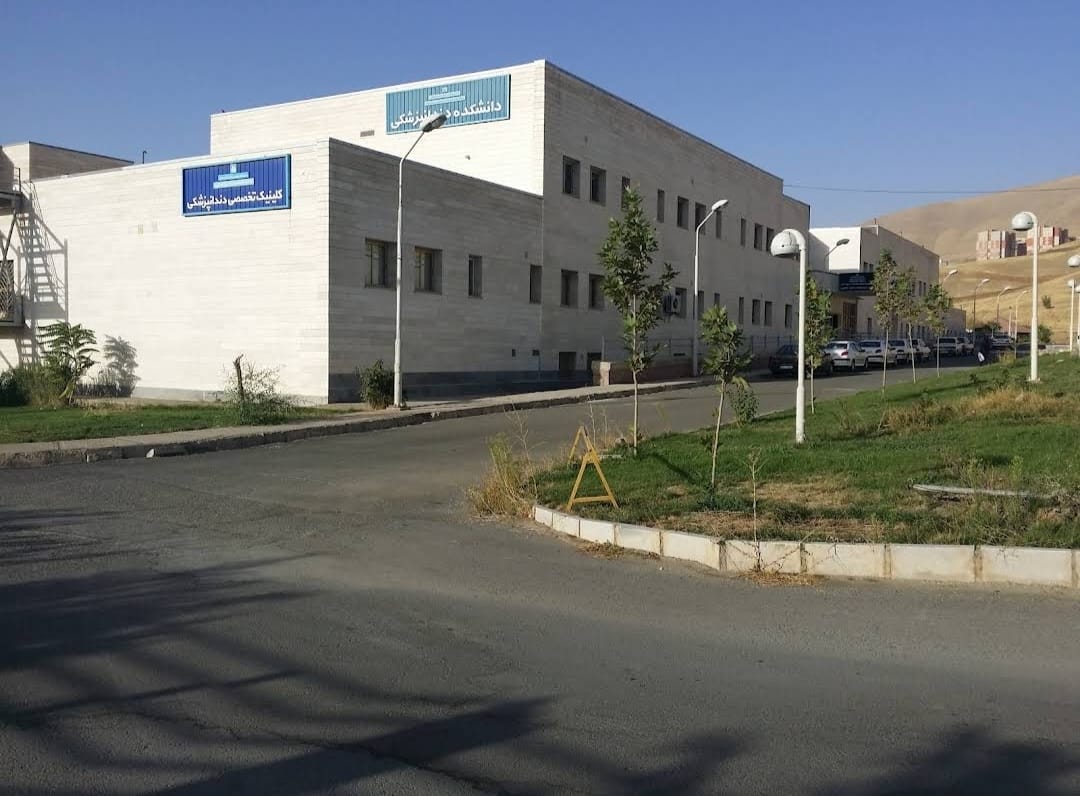
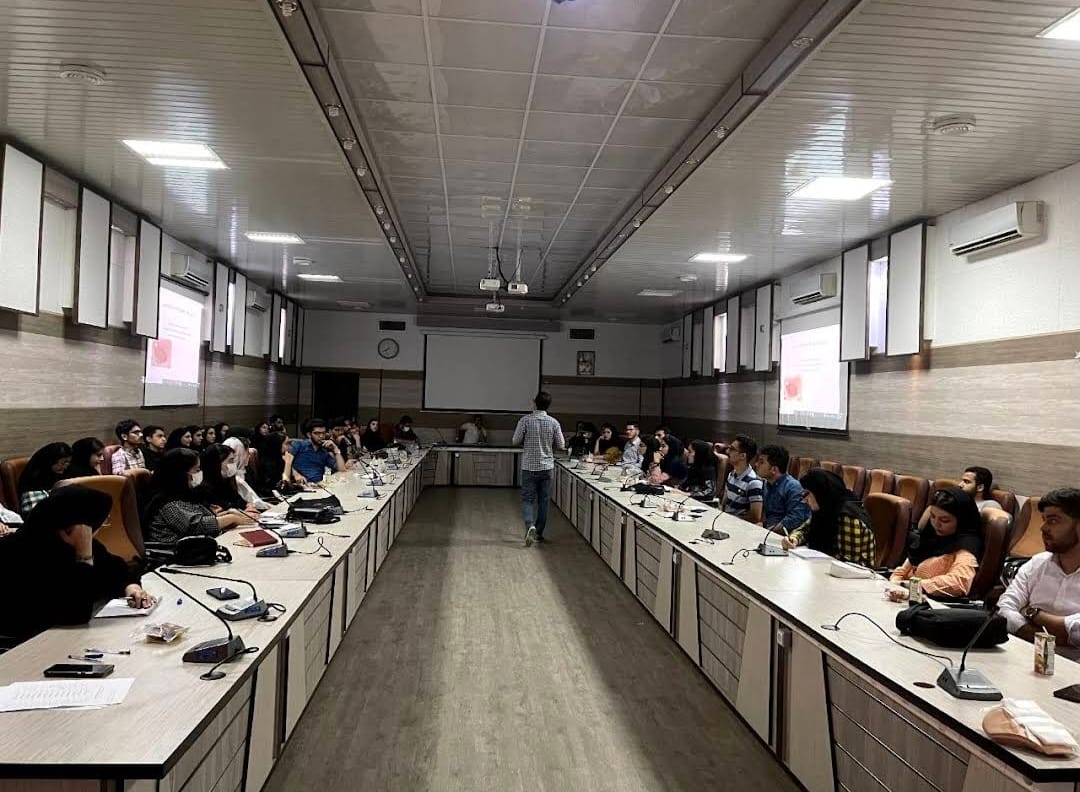
Facilities & Campus Life

Well-equipped Library

Experienced Faculty

Computer Lab

Sports Activities

Heritage Campus


Frequently Asked Questions
Why Consult With Us?
- 15+ years of experience in medical education counseling
- 5000+ students successfully guided
- 50+ partner universities worldwide
- Free initial consultation with no obligation