

Lord Liverpool University, George Washington School of Medicine

General Information
Lord Liverpool University (LLU) and its George Washington School of Medicine (GWSM) represent a unique, and often misunderstood, medical education project in Niue. While named after prestigious historical figures and a famous American university, it is a private offshore medical institution.
Cautionary Note: As of 2025, prospective students should be aware that Lord Liverpool University has historically faced significant challenges regarding international recognition. It is frequently classified as a "non-traditional" or "offshore" school, and its degrees may not be automatically accepted for medical licensure in countries like the USA, UK, or Australia.
General Info
Established: Approximately 2004–2005.
Status: Private, offshore medical school.
Location: Alofi, Niue (South Pacific).
Connection to George Washington University (USA): None. Despite the name "George Washington School of Medicine," this institution is not affiliated with the George Washington University School of Medicine and Health Sciences in Washington, D.C.
Instruction: Primarily targeting international students (often from South Asia or the Middle East).
Accreditation & Recognition Status
This is the most critical area for any medical student to research before applying:
WHO / WDOMS: LLU has appeared in various directories in the past, but current listings in the World Directory of Medical Schools (WDOMS) should be verified.
ECFMG (USA): Recognition by ECFMG is required to take the USMLE and practice in the USA. LLU's status has been inconsistent; you must check for a "Sponsor Note" on the WDOMS website for Niue.
Local Niue Recognition: The school operates under a charter from the Government of Niue, but this does not guarantee international portability of the degree.
Campus Facilities
The school was designed to follow a curriculum similar to the North American medical model:
Pre-Clinical Phase: Usually 2 years of basic sciences (Anatomy, Biochemistry, etc.).
Clinical Phase: 2 years of clinical rotations, which the school often claims can be completed in affiliated hospitals abroad (e.g., in the USA or Philippines).
Degree Conferred: Doctor of Medicine (MD).
Hospital & Medical Facilities
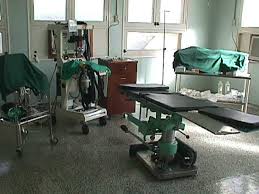
Leading tertiary care hospital attached to the institution
The clinical training infrastructure in Niue is highly limited due to the island's small population (approx. 1,600 people).
Niue Foou Hospital: This is the primary healthcare facility in Alofi. It is a small, modern (rebuilt in 2006) government-run hospital. While it provides basic services like outpatient care, a small surgical suite, and a maternity ward, the patient volume is extremely low.
Clinical Rotations: Because Niue lacks a full spectrum of specialized medical cases, the school historically advertised that students would complete their Basic Sciences (Years 1–2) on the island and then move to affiliated hospitals abroad (often in the Philippines or other Pacific nations) for their Clinical Clerkships (Years 3–4).
Challenges: Securing consistent, high-quality clinical placements that are recognized by international licensing bodies (like the ECFMG in the USA) has been a significant hurdle for students at this institution.
Fee Structure
State University Affordability
Offshore schools typically charge in USD.
Tuition: Historically ranged from $5,000 to $10,000 USD per semester.
Living Expenses: Budget at least $1,000 – $1,500 USD per month due to high import costs on the island.
City Details
Niue is one of the smallest countries in the world, which offers a very different experience from typical university towns.
Vibe: Extremely quiet, safe, and remote. Alofi is the capital but feels like a small village.
Population: Roughly 1,600 people on the entire island.
Connectivity: Limited internet and expensive flights (usually only one or two flights per week from New Zealand).
Cost of Living: High, as almost all goods (food, fuel, supplies) must be imported from New Zealand.
Hostel & Mess
Living in Niue is more akin to staying in a remote eco-resort than a traditional university campus.
Accommodation: Lord Liverpool University typically arranges housing for its international students in converted residential buildings or small guest houses in and around Alofi.
Style: Rooms are generally basic, often with shared kitchen and bathroom facilities.
Cost: Due to Niue’s remote location and the high cost of electricity and imported building materials, rent can be surprisingly high relative to the amenities provided (approx. $500 – $800 USD per month).
Mess & Dining: There is no traditional "university cafeteria" or large-scale mess hall.
Food Sourcing: Almost all food is imported via a weekly flight from New Zealand. This makes fresh produce very expensive and occasionally scarce.
Student Meals: Students are usually expected to self-cater. There are small local grocery stores and a few cafes in Alofi, but eating out is expensive.
Indian/International Food: For students from India or other countries, finding specific traditional ingredients (like specialized spices or lentils) can be difficult; many students bring dry goods in their luggage.
Connectivity: Niue was the first "Wi-Fi nation," but internet speeds are generally slow compared to global standards and can be unreliable during bad weather.
Transportation: There is no public transport system in Niue. Most students find it necessary to rent or buy a motor scooter or a small used car to travel between their residence and the medical facilities.
Environment: The island is a raised coral atoll. There are no sandy beaches; instead, there are dramatic "sea tracks" leading to limestone caves and swimming chasms. It is a beautiful but very isolated place to study.
Miscellaneous
Licensing Issues: Many graduates from offshore schools in the Pacific have faced difficulties returning to their home countries (like India or Pakistan) to practice because the schools are not recognized by the local medical councils (e.g., NMC or PMC).
Research and Faculty: Information regarding permanent faculty and research facilities on Niue is often scarce.
Student Outcomes: There is very little public data on the "Match" rate or residency placement for LLU graduates compared to established Caribbean or European schools.
Collage Images Gallery

Facilities & Campus Life

Well-equipped Library

Experienced Faculty

Computer Lab

Sports Activities

Heritage Campus


Frequently Asked Questions
Why Consult With Us?
- 15+ years of experience in medical education counseling
- 5000+ students successfully guided
- 50+ partner universities worldwide
- Free initial consultation with no obligation