


Maastricht University Faculty of Health, Medicine and Life Sciences

General Information
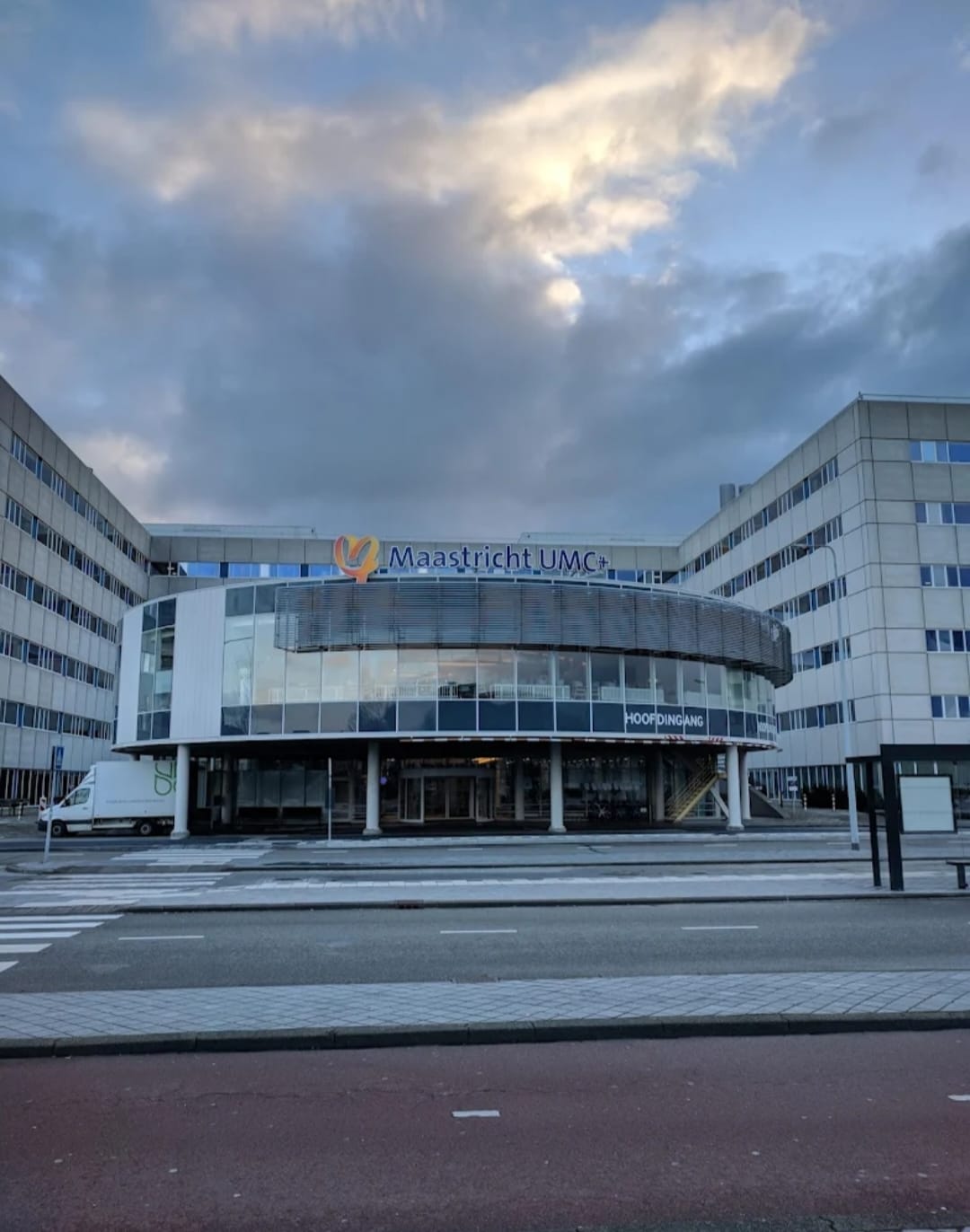
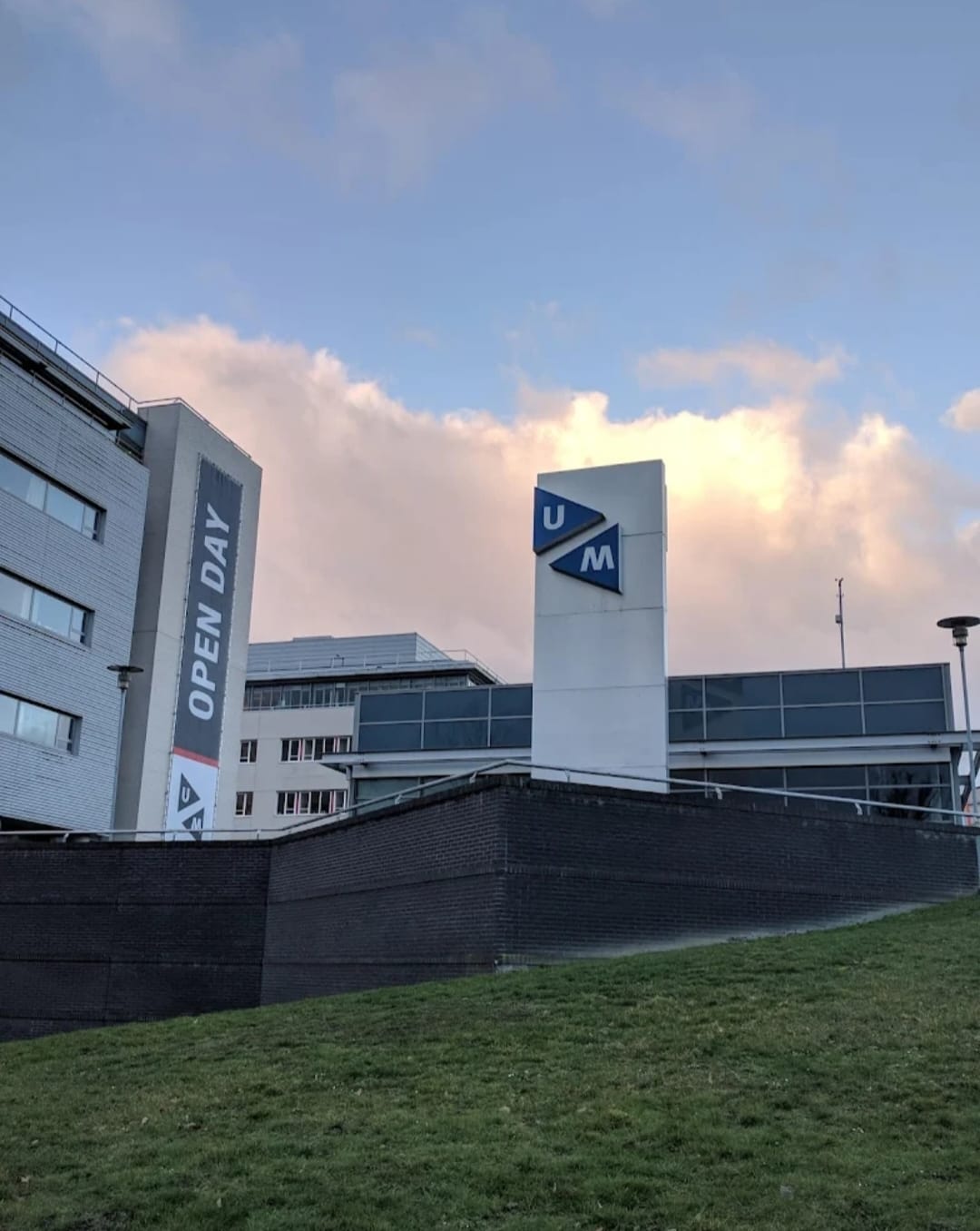
Established in 2007 through the merger of the Faculty of Medicine and the Faculty of Health Sciences, the Faculty of Health, Medicine and Life Sciences (FHML) is the largest faculty at Maastricht University. It is a world leader in Problem-Based Learning (PBL), an instructional method that originated here in the Netherlands. Located on the Maastricht Health Campus in the Randwyck district, the faculty works in integrated partnership with the Maastricht UMC+ hospital, creating a seamless bridge between classroom theory and clinical practice.
General Info
- Universiteitssingel 40–50, Maastricht (Randwyck), Netherlands is the main address.
- You will get a B.Sc. in Medicine (3 years) and an M.Sc. in Medicine (3 years). Six years in total.
- Language of Instruction: The Bachelor's in Medicine is taught in Dutch, but many other FHML programs, like Biomedical Sciences and European Public Health, are taught in English.
- Accreditation: The NVAO fully accredits the school, and the World Directory of Medical Schools lists it as a recognized school.
- Requirements for Admission:
- Numerus Fixus: There is a strict limit on how many people can get into medical school, and the deadline is January 15.
- Dutch Proficiency: To study medicine, international students must pass the NT2-II exam (C1 level).
- The selection process uses a decentralized test and a matching system to look at both cognitive and "non-cognitive" traits.
Campus Facilities
The Maastricht Health Campus is meant to be a lively "Life Sciences" center where business and academia come together.
- PBL Tutorial Rooms: Small, round classrooms made just for the Problem-Based Learning method, where groups of 12 to 15 students work together to solve real medical problems.
- The Simulation & Clinical Skills Centre is a huge, high-tech building with fake operating rooms, consultation rooms, and advanced mannequins for "risk-free" clinical training.
- Brain Imaging Center (Scannexus): This place has ultra-high-field MRI scanners (3T, 7T, and 9T) for the most advanced research in neuroscience and diagnosis.
- The Maastricht Multi-Modal Molecular Imaging Institute (M4I) is a world-class center for molecular imaging that gives students access to electron microscopy and mass spectrometry.
- Randwyck Library: A modern library on campus that is bright and open, has collections of medical books, and lets you access digital resources 24/7.
- Interdisciplinary Learning: The campus brings together students from Psychology, Neuroscience, and Medicine to promote a "Human Health" view that includes all aspects of health.
- Innovation Lab (Brightlands): Adjacent to the campus, this hub allows students to interact with over 100 on-campus companies and startups in the health sector.
- The "Living Lab" is a special place where researchers can study public health and nursing interventions in a real-world setting.
- Sports Centre Randwyck is a specialized sports facility on the medical campus that has gyms, squash courts, and group fitness rooms.
- Smoke-Free Zone: The whole Health Campus is a "Blue Zone," which means that smoking is not allowed and people are encouraged to live a healthy lifestyle.
Hospital & Medical Facilities
Leading tertiary care hospital attached to the institution
The Maastricht UMC+ (MUMC+) is the primary academic hospital, focusing extensively on "integrated health" (prevention + cure).
- 715-Bed Capacity: Includes 33 Intensive Care beds and the specialized MosaKids Children's Hospital (65 beds).
- 27 Operating Rooms: High-volume surgical capacity with a focus on robotic surgery and minimally invasive techniques.
- Specialized Clinical Units: Renowned for its Heart & Vascular Center, Oncology Center, and Metabolism & Nutrition clinics.
- Academic Outreach: MUMC+ serves as a primary healthcare provider for the city of Maastricht while acting as a tertiary referral center for the entire Limburg province.
Fee Structure
State University Affordability
The following tuition rates are for the academic year.
City Details
- The Vibe: Located at the southernmost tip of the Netherlands, Maastricht is a multicultural crossroad bordering Belgium and Germany. It is more "European" and less "Dutch" in its architecture and atmosphere.
- Connectivity:
- Train: The campus has its own station (Maastricht Randwyck), just a 3-minute train ride from the central station.
- International: Direct trains to Brussels and easy road access to Aachen and Liège.
Hostel & Mess
- Accommodation: Maastricht University does not own dorms. Students find housing via Maastricht Housing or the UM Guesthouse (900 furnished rooms). Start searching at least 4-6 months early.
- The "Maastricht Feel": Unlike Amsterdam, Maastricht is an intimate, historic city. Student life is heavily centered around "student associations" (Verenigingen) and local cafes in the city center.
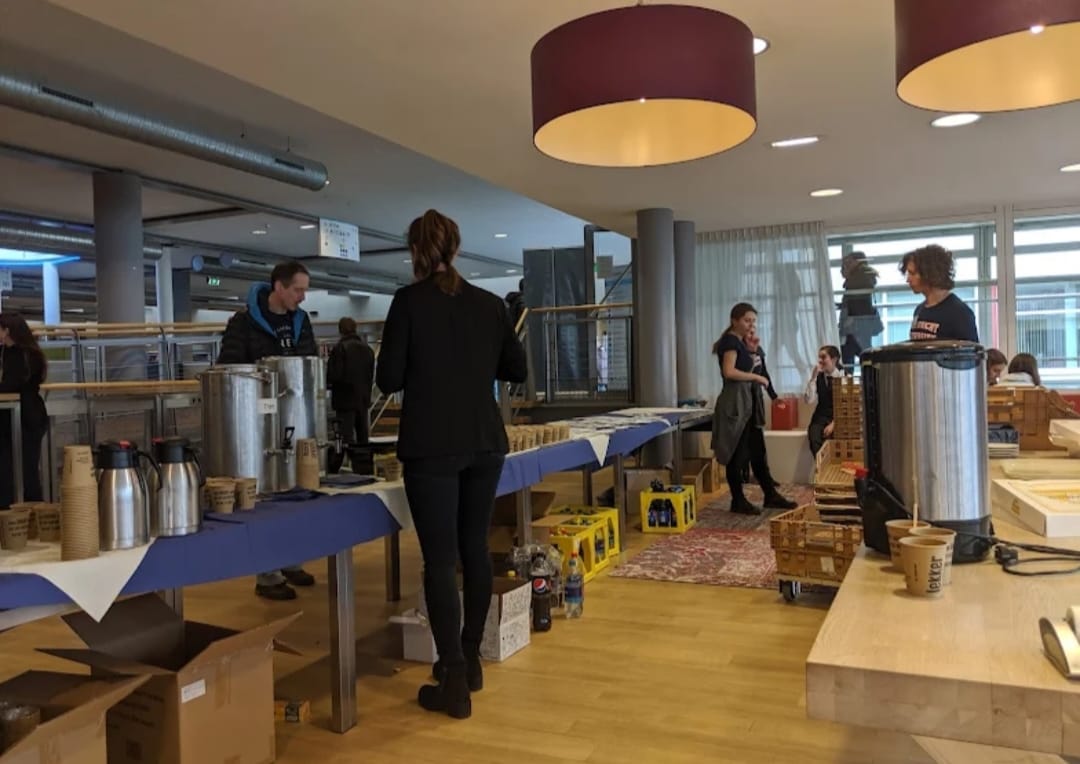
- Dining: Multiple "MUMC+ staff restaurants" and the FHML Food Court offer subsidized, healthy meals. The campus is known for its high-quality coffee corners and "grab-and-go" healthy snacks.
- Student Association (MSV Pulse): The medical student association is one of the largest in the city, organizing "The White Coat Ceremony," career fairs, and social galas.
Miscellaneous
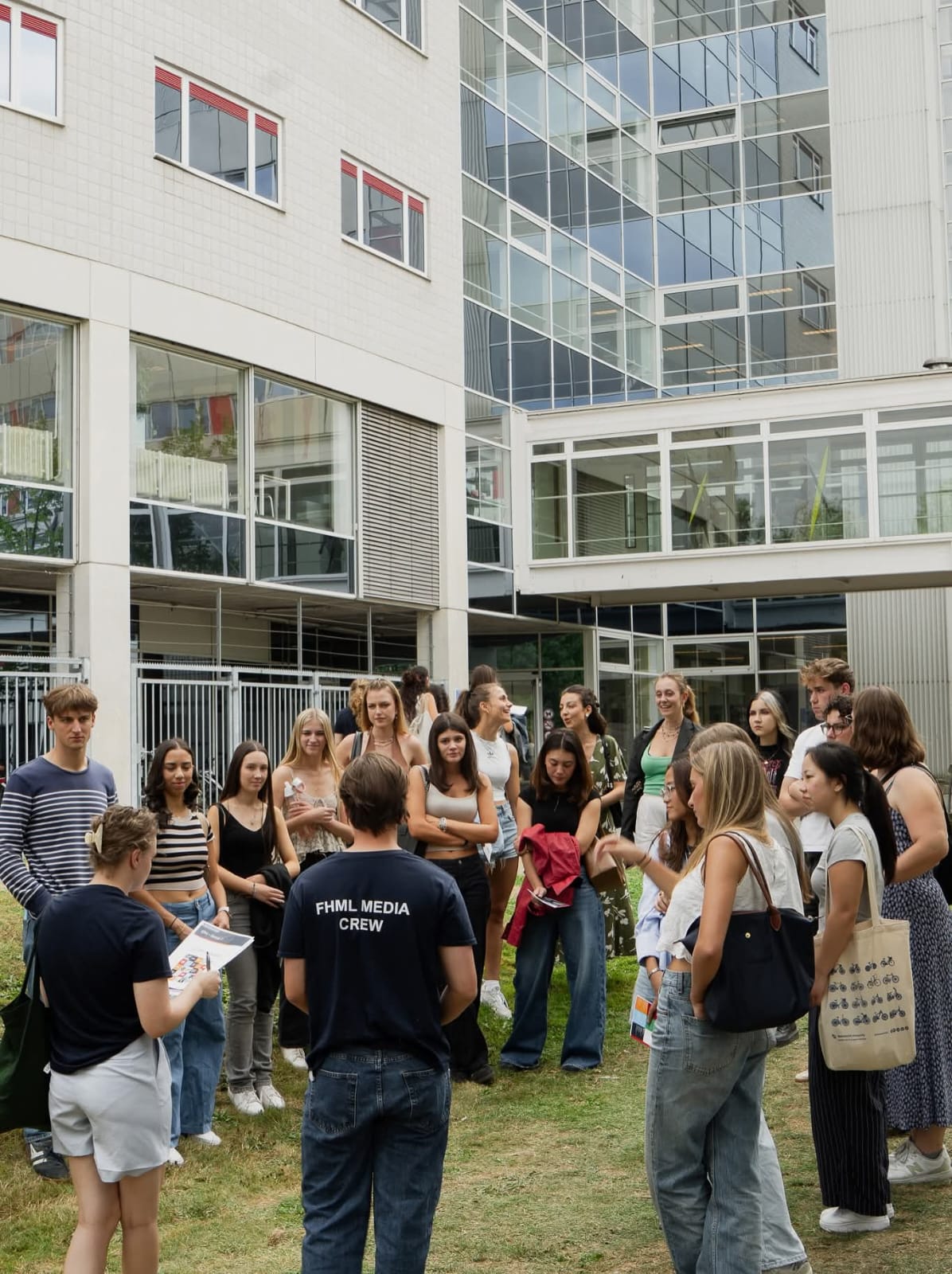
- PBL Training: All new international students must attend a mandatory Problem-Based Learning workshop to adapt to the university’s unique teaching style.
- Research Focus: FHML is famous for its "Nutrim" (Nutrition and Translational Research in Metabolism) and "Caphri" (Care and Public Health Research) institutes.
Collage Images Gallery
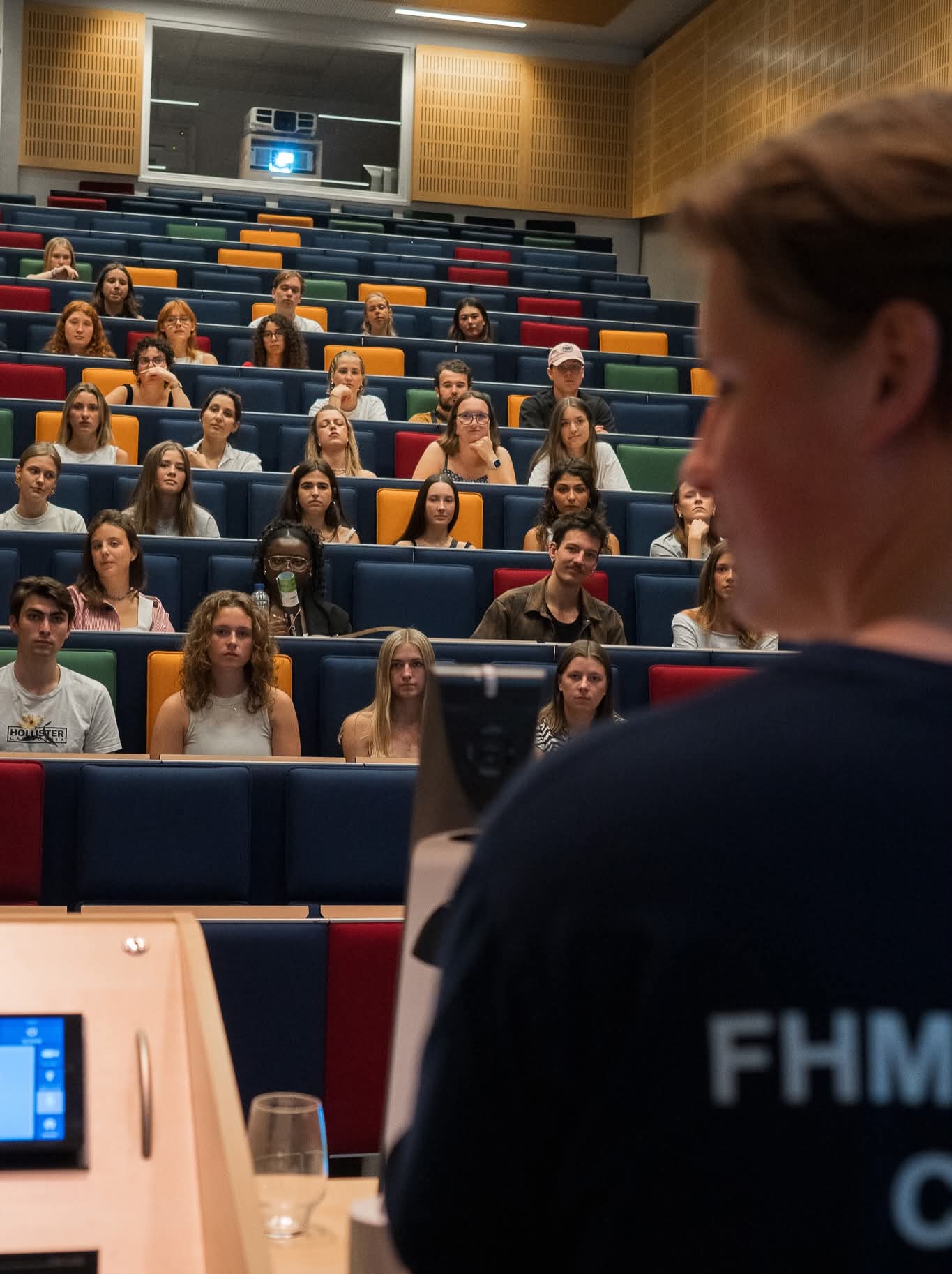
Facilities & Campus Life

Well-equipped Library

Experienced Faculty

Computer Lab

Sports Activities

Heritage Campus


Frequently Asked Questions
Why Consult With Us?
- 15+ years of experience in medical education counseling
- 5000+ students successfully guided
- 50+ partner universities worldwide
- Free initial consultation with no obligation