

Medical University of Graz

General Information
The Medical University of Graz, founded as a faculty in 1863 and established as an autonomous university in 2004, is a cornerstone of medical education and research in southern Austria. It is centered around the University Hospital Graz (LKH), one of the largest medical complexes in Europe. The university is pioneer in the "biopsychosocial model," which integrates biological, psychological, and social factors into patient care and medical training.
General Info
- Primary Location: Neue Stiftingtalstraße 6, 8010 Graz, Austria.
- Degree Awarded: Dr. med. univ. (Medicine) and Dr. med. dent. (Dentistry) – both are 6-year integrated programs.
- Language of Instruction: Primarily German. Proficiency at the C1 level is required for enrollment.
- Accreditation: Fully accredited by the Austrian Ministry of Education and listed in the World Directory of Medical Schools.
- Admission : Entry is strictly competitive via the MedAT (Medical Admissions Test).
- Key Dates :
- Registration for MedAT: March 2 – May 13.
- Entrance Exam Date: Usually early July.
- Admission Interviews (Doctoral): February and March.
Campus Facilities
The newly inaugurated MED Campus Graz is a vision of modern architecture, designed to bridge the gap between preclinical research and clinical application.
- MED Campus (Module 1 & 2): A sprawling 4-hectare complex housing 12 institutes, 4 research centers, and a large central "Aula" for student events.
- Center for Medical Research (ZMF): Provides 4,000 square meters of high-end laboratory space specifically for point-of-care and biomedical research.
- Biobank Graz: One of the largest clinical biobanks in Europe, housing over 20 million human biological specimens for research.
- Clinical Simulation Center: A safe environment where students practice emergency and surgical procedures using high-fidelity simulators.
- High-Security Lab (BSL-3): A unique facility in Austria for researching highly infectious microorganisms.
- University Library: A public-access library with 180 study seats and 52 modern IT workspaces.
- ZWT (Center for Knowledge and Technology Transfer): A hub for life science companies directly connected to the university to foster innovation and entrepreneurship.
Hospital & Medical Facilities
Leading tertiary care hospital attached to the institution
The University Hospital Graz (LKH) is the university’s primary clinical partner, where 600 university doctors provide 24/7 care.
- 18 University Departments: Covers all major specialties, including high-complexity surgery, oncology, and neurology.
- Comprehensive Cancer Center (CCC) Graz: An interdisciplinary hub that coordinates the early detection and treatment of cancer.
- University Heart Center: A collaborative unit between cardiologists and cardiac surgeons providing top-level cardiac medicine.
- Transregional Trauma Center: Certified to provide 24/7 care for seriously injured patients, following strict international priorities.
- University Stroke Center: Guarantees optimal diagnostics and therapy for acute stroke patients using a multidisciplinary approach.
- University Center for Acute Medicine: The central point for adult emergencies across internal medicine, surgery, and orthopedics.
Fee Structure
State University Affordability
As a public university, tuition is heavily subsidized for domestic and EU/EEA students.
Scholarships
- PhD Scholarships: Fully funded 3-year contracts (approx. 30 hours/week) are available for international researchers in areas like Cancer Research and Immunology.
- Merit-Based Scholarships: Awarded annually to students with a top-tier GPA and fast progress in their studies.
- Mobility Programs: Financial support for clinical rotations or research stays abroad via Erasmus+, CEEPUS, or the Marshall Plan Foundation.
- Studienbeihilfe: Social grants for Austrian or equalized international students based on financial need.
City Details
- The Vibe: Graz is Austria's second-largest city, known for its Mediterranean flair, historic Old Town, and the Schlossberg hill.
- Connectivity:
- Tram Line 7: Connects the city center directly to the LKH Med Uni stop.
- Cycling: Graz is very bike-friendly, and cycling is the preferred mode of transport for most medical students.
- Safety: Very safe; Graz consistently ranks as a highly liveable city with low crime rates.
Hostel & Mess
- Accommodation: Graz is a student city; while the university doesn't have its own dorms, students live in various student halls (like STUWO or ÖJAB) or private shared flats (WGs).
- Vibe: Graz is the "City of Design" and a UNESCO World Heritage site. It has a high student-to-resident ratio, making it incredibly vibrant.
- Dining: The Mensa (university canteen) at the MED Campus offers subsidized, balanced meals. A specific "Canteen Subsidy" is available from the state for certain students.
- ÖH Med Graz: The local student union organizes tutorials, social mixers, and represents student interests to the rectorate.
Miscellaneous
- Quota System: 75% of spots are reserved for Austrians, 20% for EU citizens, and 5% for non-EU applicants.
- German Proficiency: You must submit a C1 German certificate during the admission process.
- Doctoral Entry: Requires a Master’s degree and a successful interview with the specific Doctoral School (e.g., Neuroscience or Molecular Medicine).
- MedAT Prep: Most students spend 3-6 months preparing for the MedAT, which includes a "Social-Emotional Competencies" section.
Collage Images Gallery

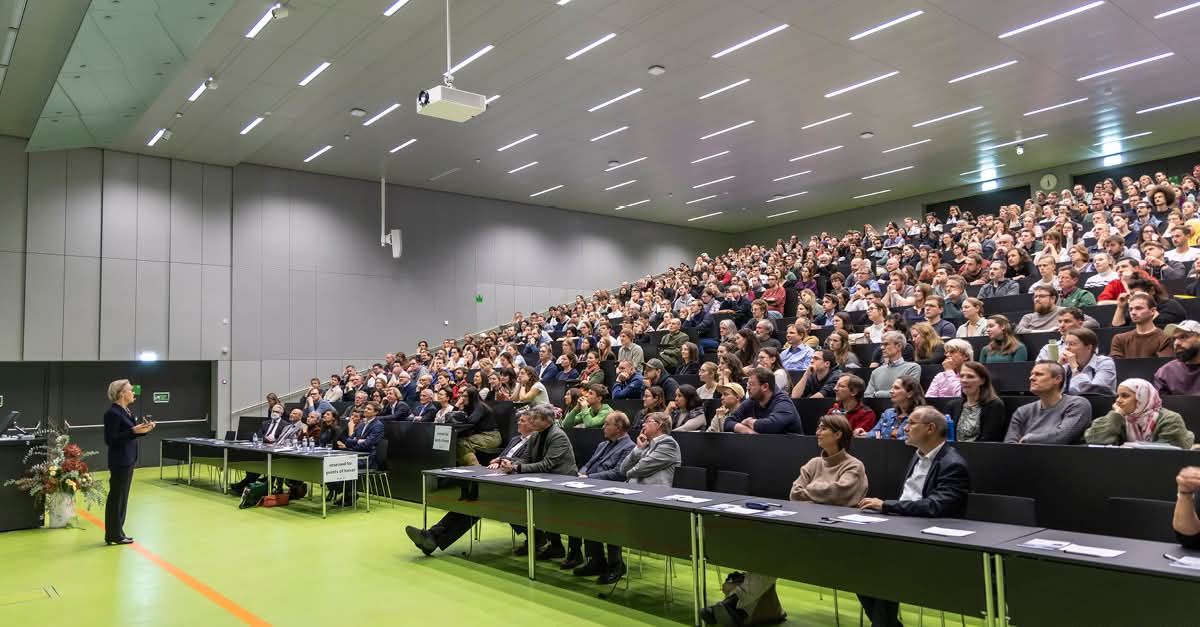
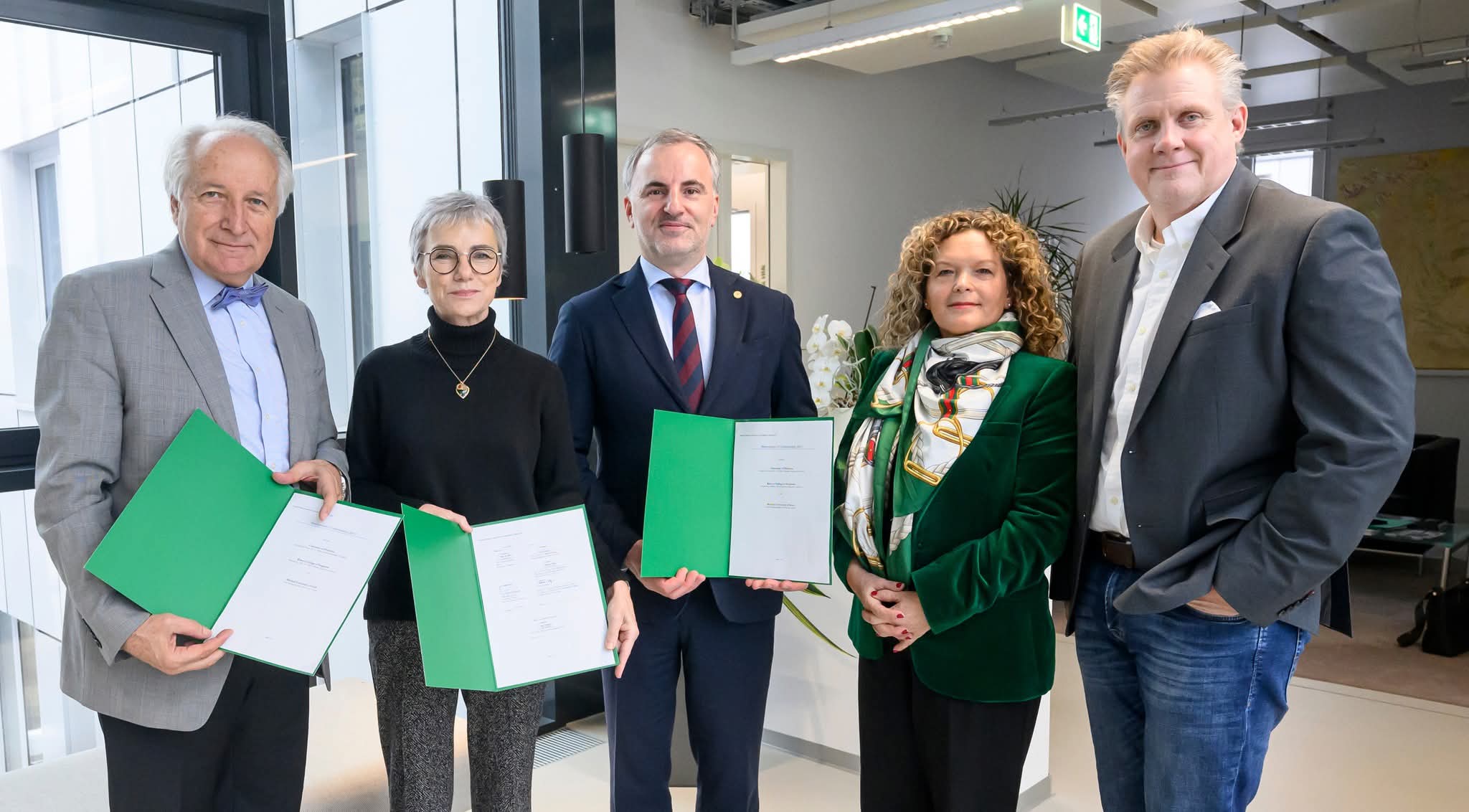

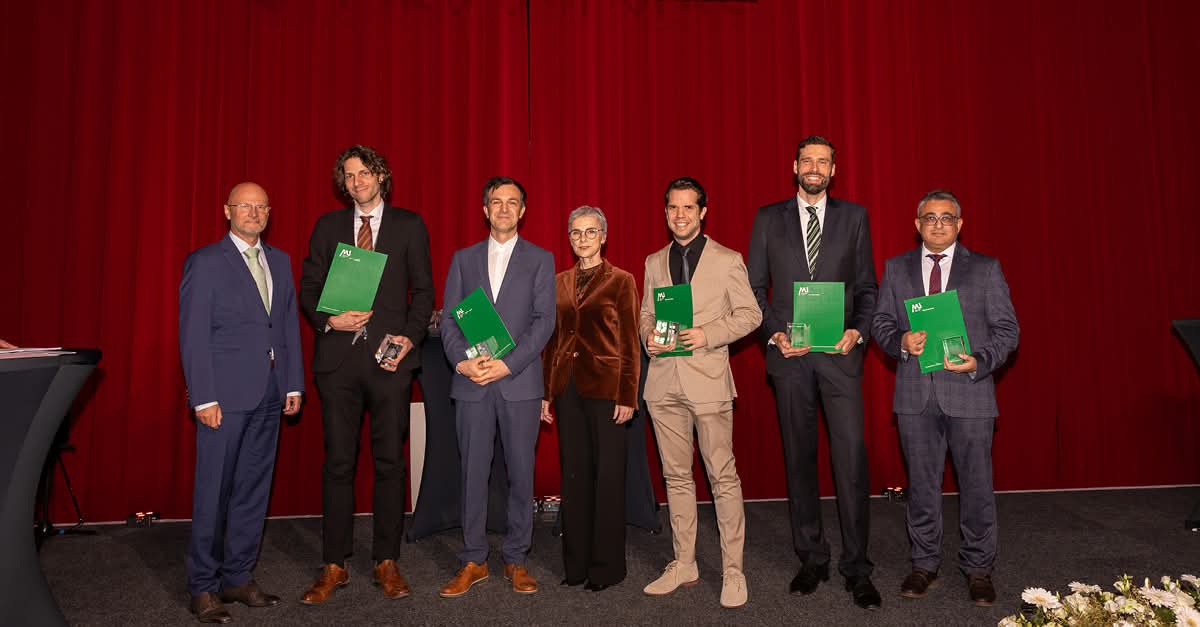
Facilities & Campus Life

Well-equipped Library

Experienced Faculty

Computer Lab

Sports Activities

Heritage Campus


Frequently Asked Questions
Why Consult With Us?
- 15+ years of experience in medical education counseling
- 5000+ students successfully guided
- 50+ partner universities worldwide
- Free initial consultation with no obligation