
Medical University of Silesia in Katowice Faculty of Medical Sciences Katowice

General Information
The Faculty of Medical Sciences in Katowice is the largest and one of the most prestigious units of the Medical University of Silesia (SUM). Founded in 1948, the university moved its headquarters to Katowice in 1971. The faculty is a leader in medical education in Poland, offering a 6-year MD program in English since 1996. It is highly sought after by international students, especially from India, due to its clinical focus and strong global accreditations.
General Info
- Primary Location: ul. Medyków 18, 40-752 Katowice, Poland.
- Degree Awarded: Physician (Lekarz) / M.D. – 6-year Unified Master’s Program.
- Language of Instruction: Available in English and Polish.
- Accreditation: Fully accredited by the Polish Accreditation Committee (PKA); recognized by the WHO, GMC (UK), ECFMG (USA), and NMC (India).
- Admission Requirements:
- Indian Students: Must be NEET qualified.
- Selection: Based on 10+2 science grades (Physics, Chemistry, Biology) with a minimum of 60%–75% aggregate.
- Language: English proficiency certificate (IELTS/TOEFL) required if previous education was not in English.
- Intake: Primarily October (Winter Semester); some years offer a February intake.
Campus Facilities
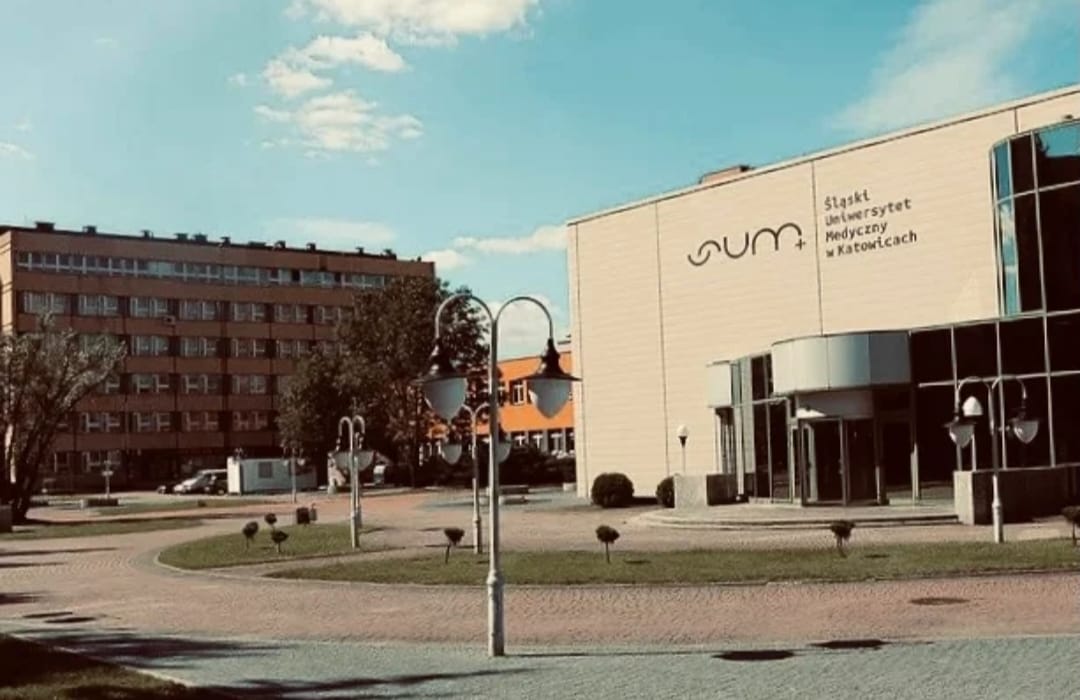
The Katowice-Ligota campus is a dedicated medical town providing a comprehensive environment for study and research.
- Center for Medical Education and Simulation: One of the most modern in Europe, featuring high-fidelity phantoms and virtual reality (VR) labs for anatomy and emergency triage.
- Experimental Medicine Center: A high-end research facility (incorporated in 2005) for preclinical studies, translational research, and animal models.
- Multimedia Lecture Halls: Large, modern theaters equipped with high-definition audio-visual systems for interactive learning.
- Advanced Anatomy Labs: Features traditional dissection rooms alongside 3D digital anatomy software and sophisticated anatomical models.
- Specialized Research Labs: Dedicated units for immunology, molecular biology, genetics, and neuroscience.
- Central Library: Provides a vast physical collection and extensive web-based access to databases like PubMed and ScienceDirect.
- Welcome Centre: A dedicated office at the Katowice campus specifically to assist international students with documentation and integration.
- Computer Center: Offers specialized IT support and medical software training for students and staff.
- Sports Facilities: Includes gymnasiums, fitness rooms, and outdoor sports grounds for holistic student development.
- Dormitory Complex: Four major student residences (Medyków 12 and 24/26) located directly on the campus for easy access to classes.
Hospital & Medical Facilities
Leading tertiary care hospital attached to the institution
The faculty utilizes five major clinical hospitals in Katowice, forming a massive clinical training base.
- University Clinical Center Prof. K. Gibiński: A key facility with locations at ul. Medyków and ul. Ceglana.
- Upper Silesian Children’s Health Center: One of the largest and most advanced pediatric hospitals in Poland.
- Upper Silesian Medical Center Prof. Leszek Giec: A specialized hub for cardiology and high-tech cardiac surgery.
- Andrzej Mielęcki Independent Public Clinical Hospital: Known for its excellence in internal medicine and surgery.
- Regional Affiliates: Clinical rotations also take place at St. Barbara Hospital in Sosnowiec and specialist wards in Chorzów.
Fee Structure
State University Affordability
The following estimates are based on the academic sessions for the English track.
Scholarships
- Rector’s Scholarship: Awarded to students (top 10% of the field) with a GPA above 4.01. Monthly amounts range from 810 PLN to 1,250 PLN.
- Education Future International Scholarship: Open to Indian nationals, providing between ₹2 lakhs and ₹10 lakhs for overseas studies.
- Assistance Grant: A one-time emergency payment of 1,800 PLN for students in difficult temporary life situations (e.g., family illness).
- Disability Grant: Monthly support based on the degree of disability (confirmed by a Polish medical adjudicator), ranging from 500 to 700 PLN.
- Inlaks Shivdasani Scholarships: A full-funding option for Indian students covering tuition, living, and travel expenses for European study.
City Details
- The Vibe: Katowice is the heart of the Silesian Metropolis. Once industrial, it is now a "City of Music" (UNESCO) with modern architecture like the Spodek and the Culture Zone.
- Connectivity:
- Air: Katowice Airport (KTW) is the main hub. Kraków (KRK) is also accessible within 1 hour.
- Rail: Excellent train connections to Warsaw (2.5 hrs), Prague, and Vienna.
Hostel & Mess
- Accommodation: Dormitories No. 1 and No. 2 (Medyków 12) offer "residential segments" with shared bathrooms. Dormitories No. 3 and No. 4 (Medyków 24/26) offer single rooms with private kitchenettes.
- Dining: Canteens on campus offer Polish and international food at student-friendly prices. Most international students prefer self-catering in the provided kitchenettes.
- Vibe: Katowice is a major cultural hub. Students frequent the famous Mariacka Street for cafes and nightlife. The campus has a strong International Student Association to help with social integration.
Miscellaneous
- Clinical Rotations: The university offers two tracks: European (rotations in Poland/EU) and International (designed for those aiming for the USMLE and US-based rotations).
- Early Exposure: Clinical training begins as early as the 3rd year, giving students a high volume of patient interaction.
Collage Images Gallery
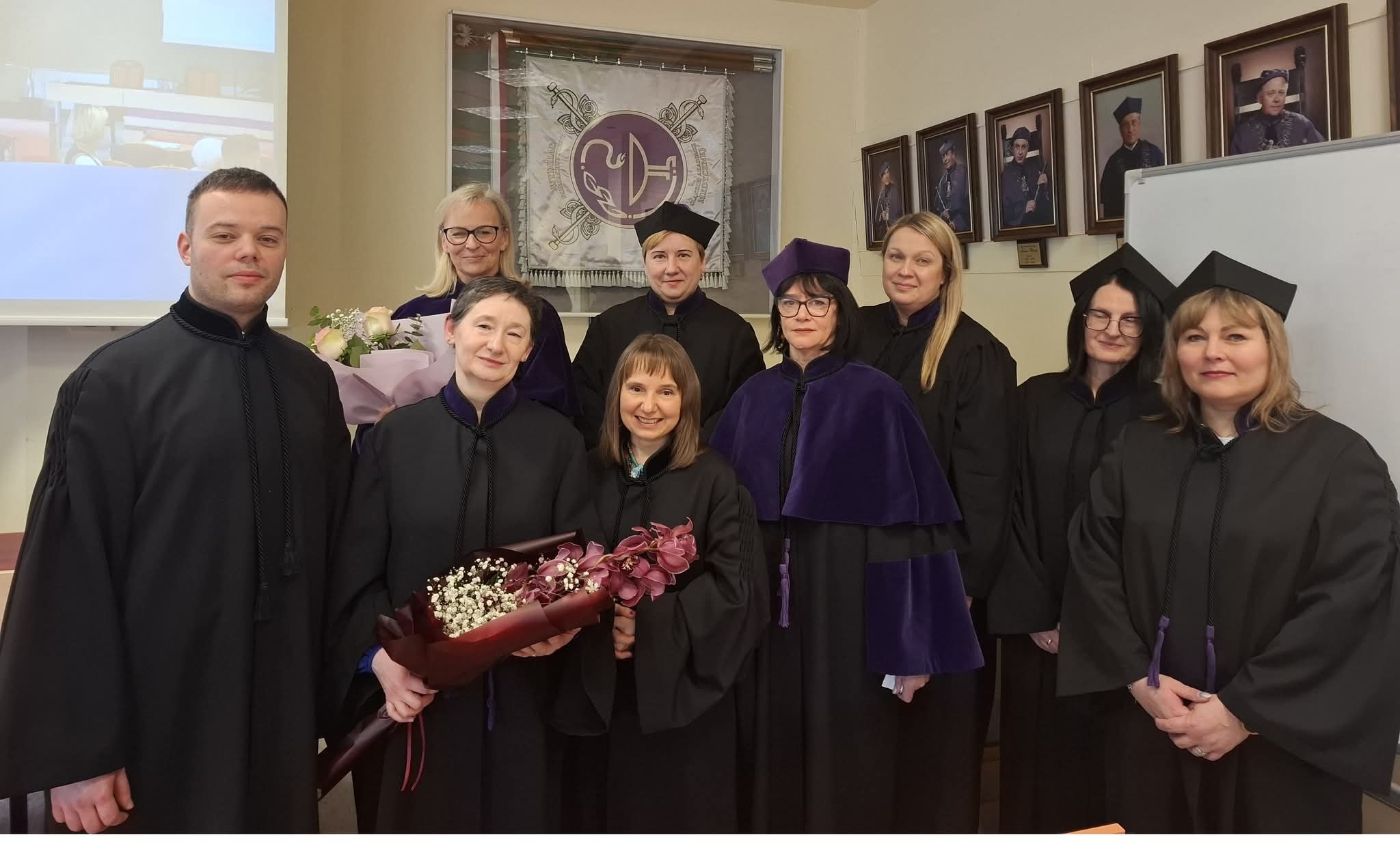
Facilities & Campus Life

Well-equipped Library

Experienced Faculty

Computer Lab

Sports Activities

Heritage Campus


Frequently Asked Questions
Why Consult With Us?
- 15+ years of experience in medical education counseling
- 5000+ students successfully guided
- 50+ partner universities worldwide
- Free initial consultation with no obligation