
Medical University of Vienna

General Information
The Medical University of Vienna, founded in 1365 as the medical faculty of the University of Vienna, became an independent institution in 2004. It is the largest medical training facility in the German-speaking world and one of the most prestigious medical schools globally. Located in the heart of Vienna, the university is intrinsically linked to the Vienna General Hospital (AKH), one of the largest university hospitals in Europe, providing students with unparalleled clinical exposure and research opportunities.
General Info
- Primary Location: Spitalgasse 23, 1090 Vienna, Austria.
- Degree Awarded: Dr. med. univ. (Medicine) and Dr. med. dent. (Dentistry) – both are integrated 6-year programs (12 semesters).
- Language of Instruction: Primarily German. Proficiency at the C1 level is required for admission to the medical and dental programs.
- Accreditation: Fully accredited by the Austrian Ministry of Education and recognized globally. It is a major hub for the European Higher Education Area.
- Admission: Highly competitive with a quota system (75% for Austrian applicants, 20% for EU, and 5% for non-EU).
- Entrance Exam: Admission is strictly based on the MedAT (Medical Admissions Test), conducted once a year (usually in July). Registration for the MedAT typically occurs in March.
Campus Facilities
The university’s infrastructure is a mix of historic buildings and ultra-modern research centers, largely concentrated in the 9th district (Alsergrund).
- AKH Vienna (Vienna General Hospital): The centerpiece of the university, serving as both a high-tech hospital and the primary clinical training site.
- MedUni Campus Mariannengasse (MCM): A modern flagship project centralizing several preclinical institutes.
- Center for Precision Medicine (Eric Kandel Institute): A cutting-edge facility focusing on high-end molecular biology and individualized therapies.
- Center for Brain Research: A leading European hub for neurosciences and psychiatric research.
- Anna Spiegel Center for Medical Research: Provides core facilities for imaging, flow cytometry, and genomics.
- Clinical Simulation Center: Features high-fidelity mannequins and virtual reality setups for risk-free surgical and emergency training.
- Medical Library: One of the most significant medical archives in the world, offering vast digital and physical access to scientific literature.
- Josephinum: The historic seat of the university, housing the world-famous anatomical wax model collection and the history of medicine archives.
Hospital & Medical Facilities
Leading tertiary care hospital attached to the institution
The medical performance of MedUni Vienna is centered around the AKH Vienna, which houses 30 university clinics and 12 theoretical centers.
- 30 University Departments: Includes world-renowned divisions like Cardiac Surgery, Oncology, and Transplantation Medicine.
- Transplantation Center: One of the leading centers worldwide; it is notably the third-largest center for lung transplants globally.
- Clinical Institute of Pathology: A massive diagnostic hub supporting all surgical and clinical departments.
- Emergency Department: One of the busiest in Europe, providing students with intense experience in acute care and trauma.
- St. Anna Children's Hospital: Specifically focused on pediatric hemato-oncology and a key site for pediatric rotations.
Fee Structure
State University Affordability
Tuition fees in Austria are regulated by the government and are remarkably low for EU citizens.
Scholarships
- Performance Scholarships: Awarded annually by the university to students with outstanding academic results (GPA based).
- OeAD Grants: International students can apply for various state-funded grants via the Austria's Agency for Education and Internationalisation.
- Social Grants (Studienbeihilfe): Available for Austrian and "equalized" international students based on financial need.
- Research Grants: Specific funding for PhD and doctoral candidates working within the university’s five research clusters.
City Details
- The Vibe: Vienna is consistently ranked as one of the world's most livable cities. It is safe, clean, and rich in history and music.
- Connectivity:
- Public Transport: Excellent. The U6 underground (brown line) and several tram lines (5, 33, 43, 44) stop directly at the university campus.
- Cycling: Vienna has a vast network of bike lanes, and the university provides ample bike parking.
- Safety: Very high. The 9th district is a safe, student-heavy residential and commercial area.
Hostel & Mess
- Accommodation: The university does not own traditional "dormitories" but partners with OeAD Student Housing and STUWO. The Personalwohnhaus B near AKH is a popular, cost-friendly option for medical students.
- Vibe: Urban and academic. Being in the heart of Vienna, students are minutes away from the city's famous coffee houses, museums, and parks.
- Dining: Several Mensen (university canteens) around the 9th district offer subsidized, balanced meals for students.
- Sports: Students have access to the University Sports Institute (USI), which offers hundreds of affordable classes ranging from skiing to yoga.
Miscellaneous
- MedAT Structure: The exam tests Knowledge (Biology, Chemistry, Physics, Math), Cognitive Skills (Memory, Pattern Recognition), and Social-Emotional Competencies.
- C1 German: This is non-negotiable. You must provide a recognized certificate (like ÖSD or Goethe-Zertifikat) during the admission process.
- Study-Work Balance: The medical program is a full-time commitment. While part-time work is possible, it is challenging during the intensive block-study phases.
- Graduation: Approximately 90% of students who start the program go on to graduate, one of the highest retention rates in Europe.
Collage Images Gallery
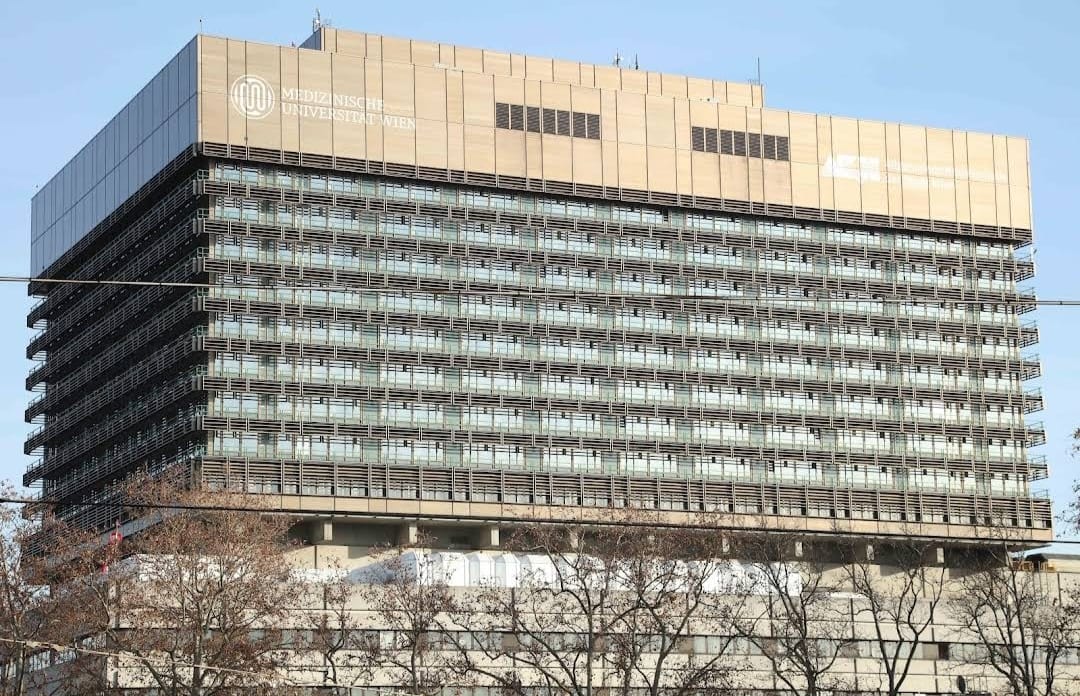

Facilities & Campus Life

Well-equipped Library

Experienced Faculty

Computer Lab

Sports Activities

Heritage Campus


Frequently Asked Questions
Why Consult With Us?
- 15+ years of experience in medical education counseling
- 5000+ students successfully guided
- 50+ partner universities worldwide
- Free initial consultation with no obligation