
Medizinische Fakultät Heidelberg, Ruprecht-Karls-Universität Heidelberg

General Information
The Medical Faculty of Heidelberg University is one of the four original faculties of the university, established in 1386. It is arguably Germany's most prestigious medical school, consistently ranking at the top of national and international tables. Known for its world-class research environment and its unique "HeiCuMed" curriculum, Heidelberg attracts the highest-achieving medical students and scientists globally. It forms the core of a massive life-science cluster that includes Nobel Prize-winning research institutes and Europe's leading cancer research center.
General Info
- Established: 1386.
- Primary Location: > Im Neuenheimer Feld (INF), 69120 Heidelberg, Germany (The Science Campus).
- Academic Model: HeiCuMed (Heidelberger Curriculum Medicinale).
- Structure: A 6.3-year program (13 semesters).
- Pre-clinical (Years 1–2): Focus on the molecular and scientific basis of medicine.
- Clinical (Years 3–5): Highly modular and practical, adapted from the Harvard Medical School curriculum.
- Practical Year (PJ): The final year of clinical rotations.
- Curriculum Philosophy: HeiCuMed emphasizes "problem-based learning" (PBL), small-group seminars, and early clinical contact. It breaks away from traditional lecturing in favor of interactive, case-based training.
- Instruction: 100% German. C1 level proficiency (DSH-2 or TestDaF 4x4) is a strict requirement for the state exam program.
- Admission: Extremely competitive (Numerus Clausus). Admission is primarily determined by the Abitur grade and the TMS (Test for Medical Studies).
- Research Focus: Excellence in Oncology, Cardiovascular Medicine, Neuroscience, and Infectious Diseases.
Campus Facilities
The "Im Neuenheimer Feld" campus is one of the largest and most modern science hubs in Europe, integrating university buildings with high-profile research institutes.
- Skills Lab (Training Center): A state-of-the-art facility where students train on simulators and standardized patients. It features specialized rooms for ultrasound, laparoscopy, and emergency medicine simulations.
- DKFZ (German Cancer Research Center): Located directly on campus, this is Germany's largest biomedical research institute. Students have unique access to internships and doctoral projects here.
- HIT (Heidelberg Ion Beam Therapy Center): A world-unique facility for radiation therapy using protons and heavy ions, allowing students to see the absolute cutting edge of oncological treatment.
- NCT (National Center for Tumor Diseases): A joint venture between the university and the DKFZ, ensuring that cancer research is translated directly into patient care.
- Biochemistry & Chemistry Research Labs: Specialized labs with individual workstations for students to engage in independent research projects as early as the second year.
- ZMBH (Center for Molecular Biology): A global leader in molecular biology that collaborates closely with the medical faculty on basic science research.
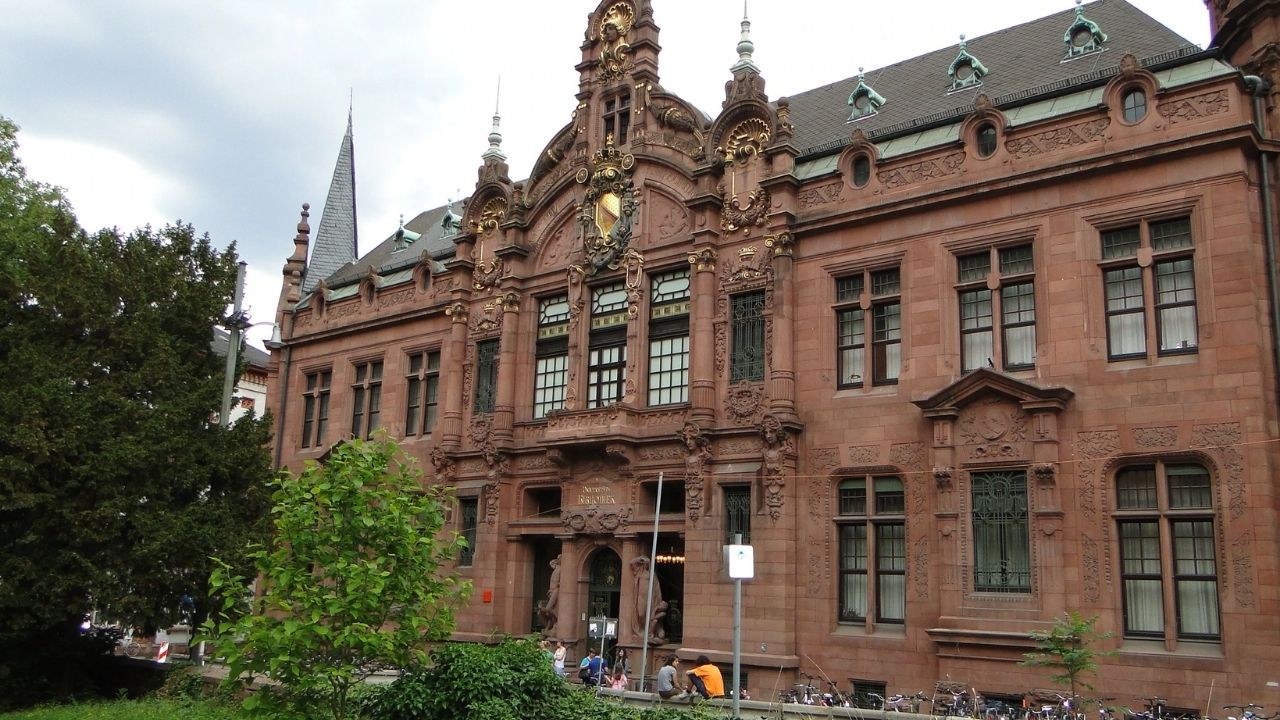
- Medical Library (Branch of the UB): Located in the heart of the Neuenheimer Feld, providing 24/7 digital access and extensive study spaces for medical students.
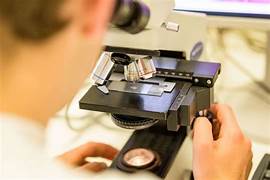
- Digital Anatomy & Microscopy Hub: Combines traditional dissection with high-resolution digital imaging and 3D modeling of human tissues.
- Interdisciplinary Center for Scientific Computing (IWR): Focuses on "Medical Informatics," allowing students to work on AI and modeling in healthcare.
- The "Marstall" and "Triplex" Student Hubs: While the labs are in the North, these historic hubs in the Old Town provide cultural and social support for the student body.
Hospital & Medical Facilities
Leading tertiary care hospital attached to the institution
The Universitätsklinikum Heidelberg (UKHD) is a titan of European healthcare:
- Capacity: Includes over 50 specialized clinical departments with approximately 2,000 beds.
- Clinical Volume: Treats more than 1 million outpatients and 80,000 inpatients annually.
- Global Reputation: Patients travel from over 100 countries to access Heidelberg’s specialized centers for surgery, pediatrics, and internal medicine.
- Specialized Centers: Features the Thoraxklinik (one of Europe’s oldest and largest lung clinics) and the University Children's Hospital.
Fee Structure
State University Affordability
As part of the state of Baden-Württemberg, Heidelberg charges specific tuition fees for non-EU students.
Scholarship
- Deutschlandstipendium: 300 €/month for high-achieving students with a background of social engagement.
- International Ambassador Scholarship: Awarded to talented international students based on academic records.
- DAAD STIBET: Graduation grants for international students in the final phase of their studies.
- Amirana Scholarship: A specific fund for medical and dental students from developing countries at Heidelberg University.
City Details
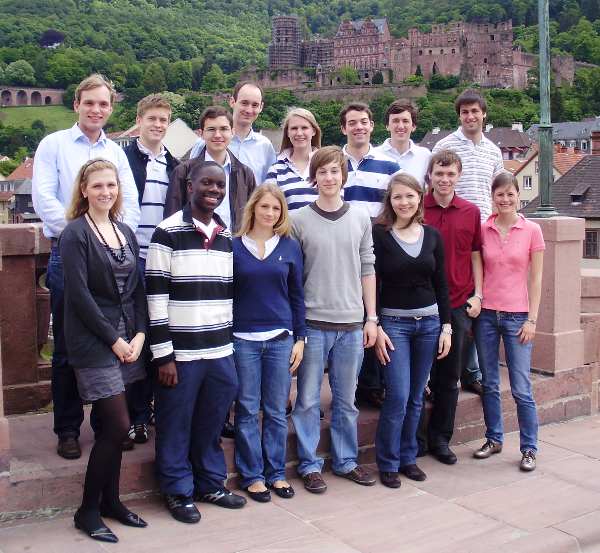
- The Vibe: Heidelberg is the quintessential German university city historic, romantic, and highly intellectual. With its famous castle and the "Philosophers' Walk," it offers a beautiful setting for rigorous study.
- Connectivity:
- Public Transport: Excellent tram and bus network; your Semesterticket (or Deutschlandticket) allows for free regional travel.
- Proximity: Only 45 minutes by train to Frankfurt International Airport (FRA).
- Safety: Very high. Heidelberg is a safe, student-oriented city with a very high density of international residents.
Hostel & Mess
- Accommodation: Managed by Studierendenwerk Heidelberg.
- Student Dorms: Rent ranges from 300 € to 550 €/month. The INF (Im Neuenheimer Feld) dorms are located directly on the medical campus, surrounded by greenery.
- Private Housing: Very competitive. Shared flats (WGs) in districts like Handschuhsheim or Neuenheim cost 500 € – 800 €/month.
- Dining: The Zentralmensa in Neuenheimer Feld is one of the best in Germany, offering subsidized meals (approx. 3.50 € – 6.50 €) and late-night options.
Miscellaneous
- APS Certificate: Mandatory for applicants from India, China, and Vietnam.
- Uni-assist: Non-EU applicants must obtain a VPD (Preliminary Review) before applying directly to the university via the heiCO portal.
- Deadline: July 15 for the Winter Semester (the only intake for medicine).
Collage Images Gallery
Facilities & Campus Life

Well-equipped Library

Experienced Faculty

Computer Lab

Sports Activities

Heritage Campus


Frequently Asked Questions
Why Consult With Us?
- 15+ years of experience in medical education counseling
- 5000+ students successfully guided
- 50+ partner universities worldwide
- Free initial consultation with no obligation