
Medizinische Fakultät Mannheim, Ruprecht-Karls-Universität Heidelberg

General Information
The Medical Faculty of Mannheim is the second, independent medical faculty of Heidelberg University. While it shares the prestige of the "Ruprecht-Karls" name, it offers a distinct, highly innovative academic path known as MaReCuM. Originally established in 1964 as a clinical training site, it has evolved into a full research faculty. It is globally recognized for its focus on Medical Systems Technology and its unique integration of medical law, ethics, and health economics into the core curriculum.
General Info
- Established: 1964 (Expanded to a full faculty in 2006).
- Primary Location: > Theodor-Kutzer-Ufer 1-3, 68167 Mannheim, Germany.
- Academic Model: MaReCuM (Mannheimer Reformiertes Curriculum für Medizin).
- Structure: A 6.3-year program (12.5 semesters).
- Integrated Pre-clinical/Clinical: Unlike traditional programs, Mannheim weaves clinical cases into the very first semesters to ground theory in practice.
- Focus Options: Students can choose specific tracks such as Health Economics, Medical Informatics, or Medical Education alongside their MD.
- Practical Year (PJ): The final year involves rotations at the University Hospital Mannheim or international partner sites.
- Instruction: 100% German. C1 level proficiency (DSH-2 or TestDaF 4x4) is mandatory.
- Advanced Degrees: Offers world-class international Master’s programs in Biomedical Engineering and Translational Medical Research (M.Sc.), taught in English.
- Admission: Restricted (Numerus Clausus). High weight is given to the TMS (Test for Medical Studies) and the Abitur grade.
Campus Facilities
The Mannheim campus is a "City Hospital" layout, where the faculty and the University Medical Center (UMM) form a single, sprawling complex along the Neckar river.
- TheSiMa (Themen- und Situationsbezogenes Lernkrankenhaus): One of Germany's most innovative "learning hospitals." It is a dedicated simulation center where students rotate through various "wards" to practice clinical skills in a realistic environment.
- CBTM (Center for Biomedicine and Medical Technology): A research powerhouse where physicians and engineers collaborate to develop the next generation of medical devices and imaging tools.
- Molecular Oncology Center: A joint venture with the DKFZ (German Cancer Research Center) in Heidelberg, focusing on individualized cancer therapy.
- MCNC (Mannheim Center for Neuro-Oncology): A leading European center for brain tumor research and treatment.
- Digital Lehrsaal (Digital Lecture Hall): Features advanced AV integration for live-streaming surgeries and interactive pathology sessions.
- Core Facility Next Generation Sequencing (NGS): Provides students and researchers with tools for high-throughput genomic analysis.
- Medical Library (BibMed): Located directly on the UMM grounds, offering 24/7 access to digital databases and a massive collection of e-books.
- Vascular Biology Hub: A specialized cluster focused on cardiovascular health and the biology of blood vessels, a primary research pillar of the faculty.
- Lern-App / LEARN Platform: A customized digital ecosystem that provides students with all modular scripts, video tutorials, and interactive self-tests.
- The "Mensaria" on the Neckar: A scenic student dining facility located directly on the riverbank, serving as the social heart of the medical campus.
Hospital & Medical Facilities
Leading tertiary care hospital attached to the institution
The Universitätsmedizin Mannheim (UMM) is a maximum-care provider for the Rhine-Neckar metropolitan region:
- Capacity: Roughly 30 specialized clinics and institutes with approximately 1,350 beds.
- Clinical Volume: Treats over 45,000 inpatients and 315,000 outpatients annually.
- Staff: Over 4,800 employees, making it one of the largest employers in Mannheim.
- Interdisciplinary Centers: Includes a renowned Transplantation Center, the Mannheim Cancer Center, and a leading center for Neonatology.
Fee Structure
State University Affordability
As part of Heidelberg University in Baden-Württemberg, Mannheim charges the standard state tuition fees for non-EU students.
Scholarship
- Deutschlandstipendium: 300 €/month for students with exceptional grades and social commitment.
- Amirana Scholarship: Specifically for medical students from developing countries at Heidelberg University/Mannheim.
- STIBET Graduation Grants: Financial aid for international students in their final year of the MaReCuM program.
- Research Fellowships: Provided by the School of Translational Medicine for students pursuing an MD/PhD.
City Details
- The Vibe: Mannheim is an industrial-chic city known for its "Multikulti" atmosphere, electronic music scene, and grid-like street layout. It is less "touristy" than Heidelberg, offering a more authentic, urban student experience.
- Connectivity:
- Tram Line 2 & 7: Connects the Central Station (Hauptbahnhof) directly to the University Hospital.
- Major Rail Hub: One of Germany's most important ICE hubs; you can reach Frankfurt, Paris, or Stuttgart in record time.
- Safety: Generally safe; some areas near the central station require standard urban awareness at night.
Hostel & Mess
- Accommodation: Managed by Studierendenwerk Mannheim.
- Student Dorms: Rent ranges from 250 € to 450 €/month. The "Ulmenweg" dorm is a famous student hub near the medical campus.
- Private Housing: Mannheim has a "grid" layout (the Quadrate). A room in a shared flat (WG) typically costs 400 € – 650 €/month.
- Dining: The Mensa am Schloss and the on-campus Mensaria offer highly subsidized, diverse meals for approx. 3.50 € – 6.50 €.
Miscellaneous
- PS Certificate: Mandatory for applicants from India, China, and Vietnam.
- Uni-assist: Non-EU applicants apply via uni-assist for their VPD before applying to the university via the heiCO portal.
- Deadline: July 15 for the Winter Semester (the only intake for MaReCuM).
Collage Images Gallery
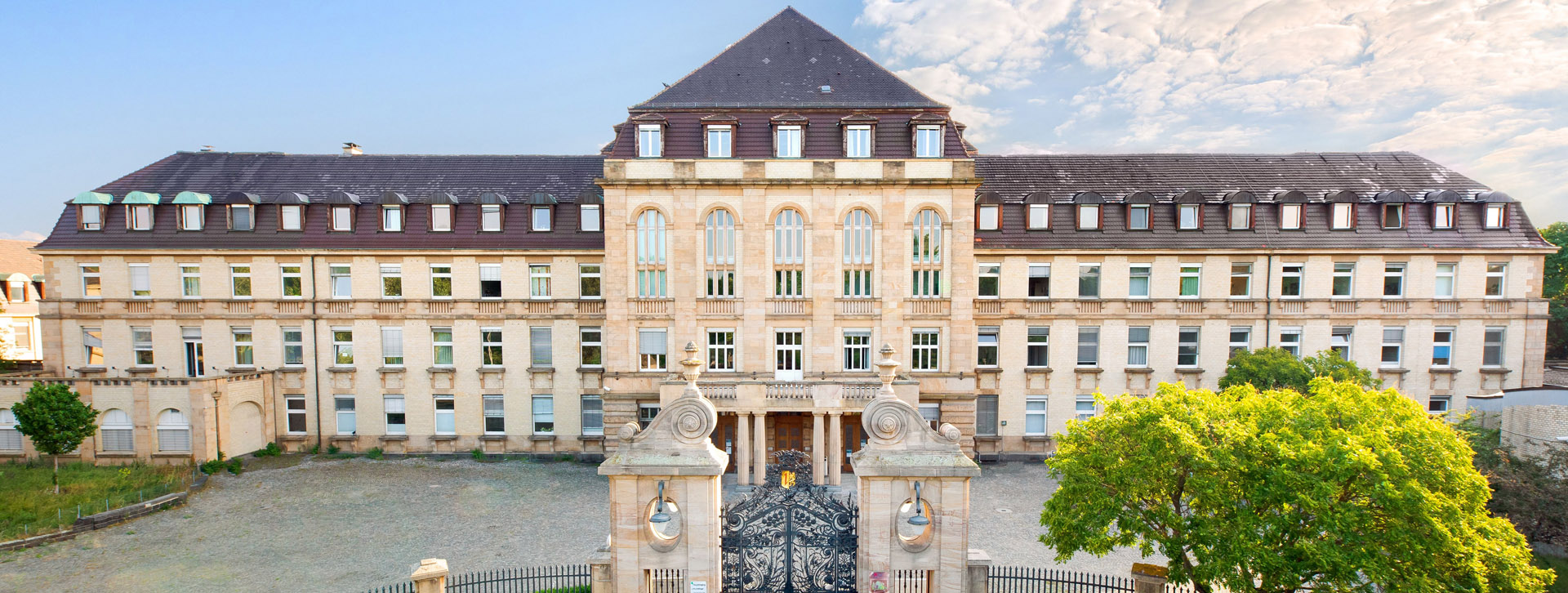
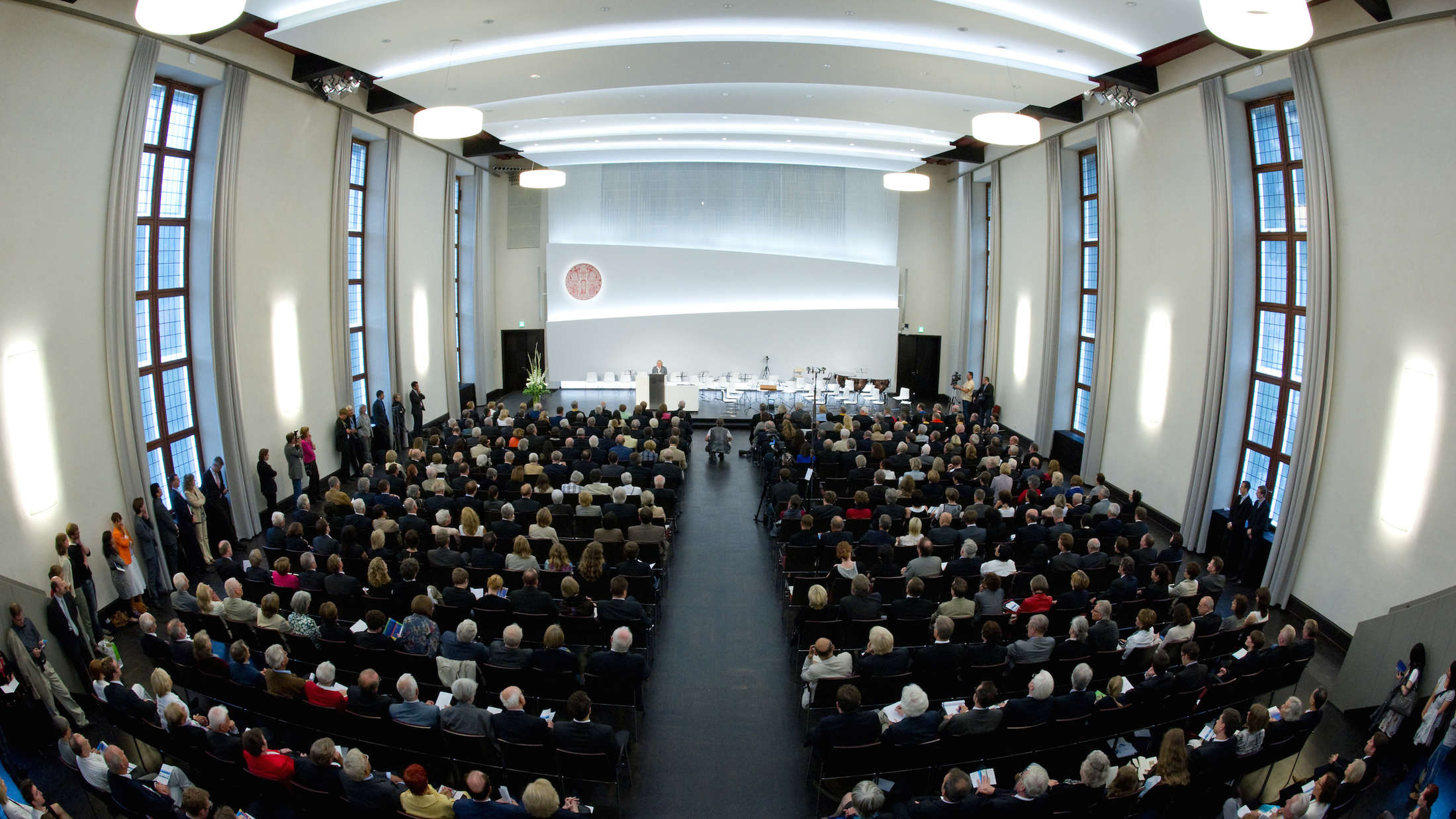
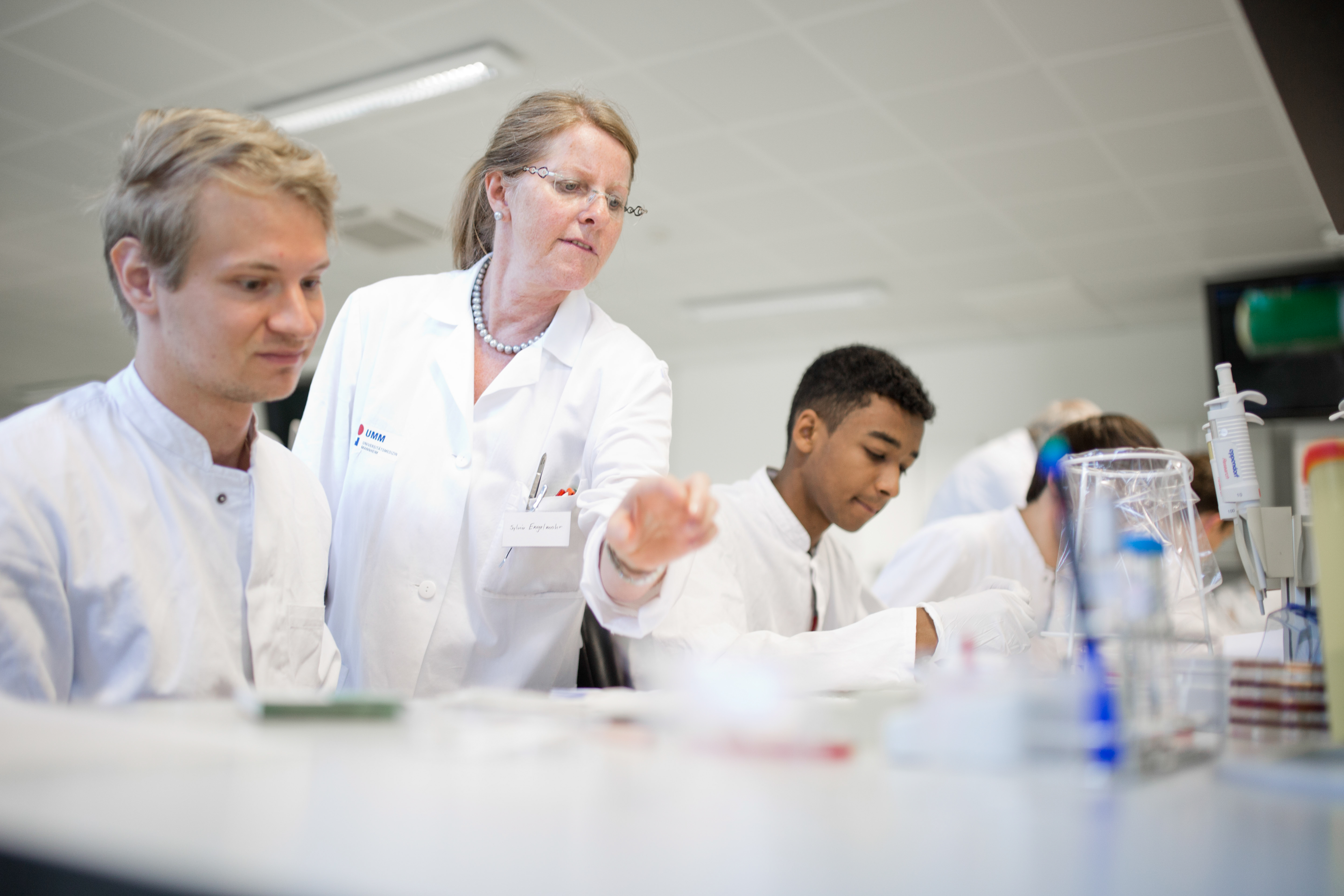
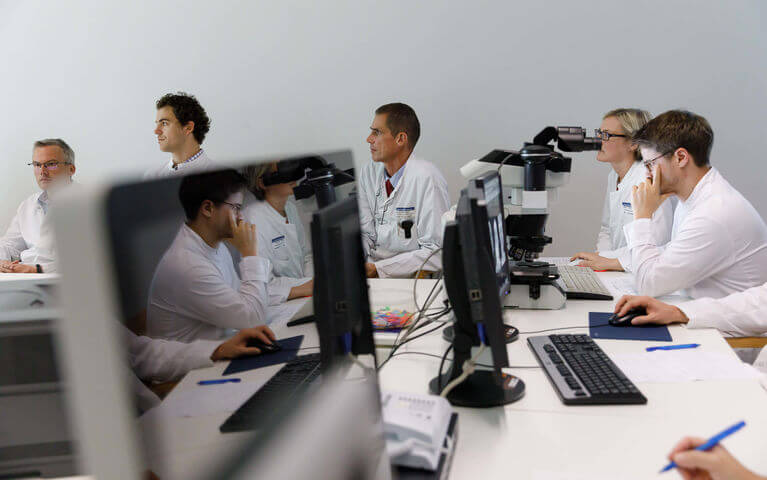
Facilities & Campus Life

Well-equipped Library

Experienced Faculty

Computer Lab

Sports Activities

Heritage Campus


Frequently Asked Questions
Why Consult With Us?
- 15+ years of experience in medical education counseling
- 5000+ students successfully guided
- 50+ partner universities worldwide
- Free initial consultation with no obligation