

Medizinische Hochschule Hannover

General Information
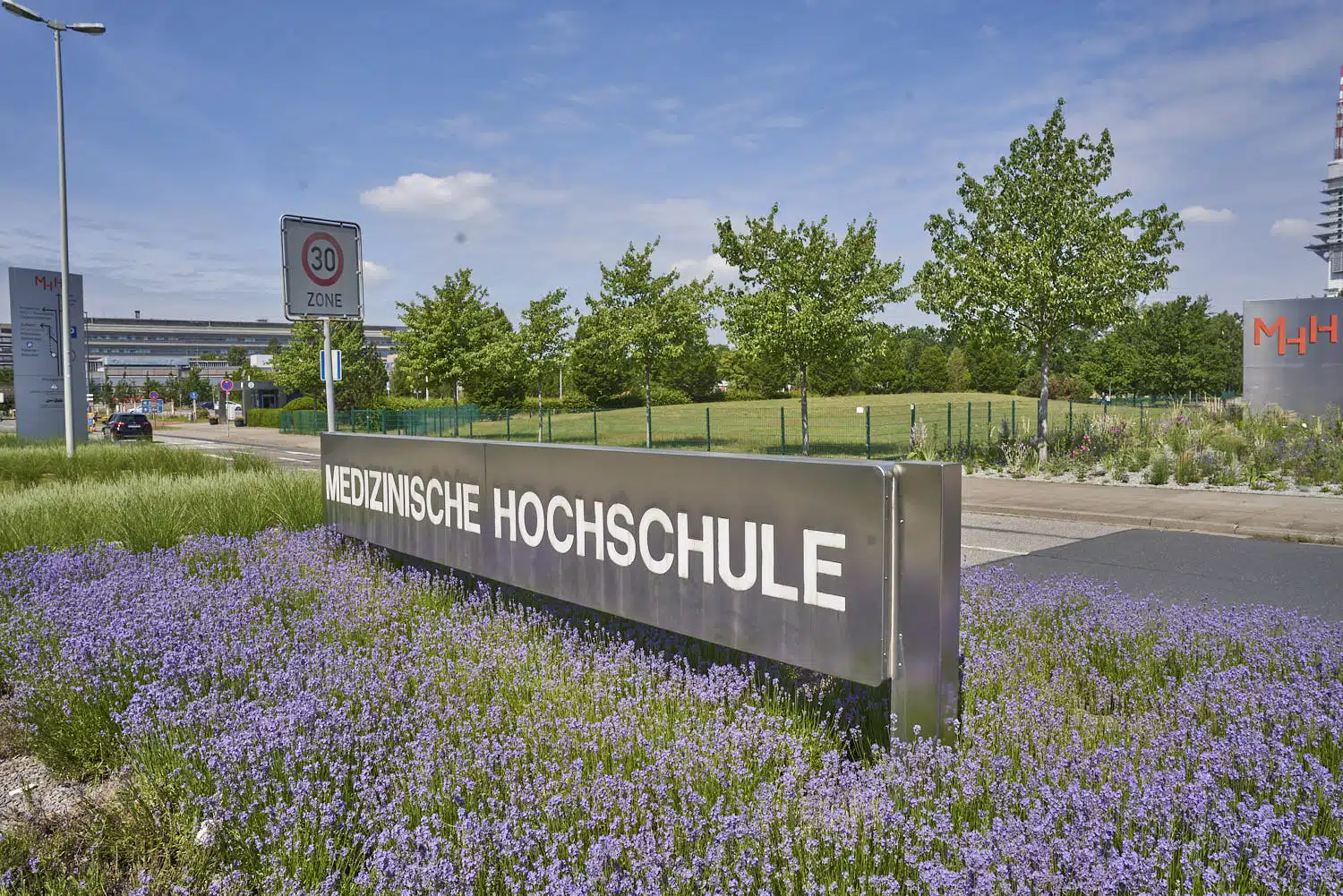
Hannover Medical School (MHH) is unique in the German academic landscape as it is a specialized medical university rather than a faculty within a larger general university. Established in 1965, it is one of Germany’s leading "Maximum Care" providers and a global pioneer in transplantation and infection biology. MHH operates as a pure campus university, where clinical care, research, and teaching are physically and philosophically integrated into a single "Medical City."
General Info
- Established: 1965.
- Primary Location: > Carl-Neuberg-Straße 1, 30625 Hannover, Germany (Campus Roderbruch).
- Academic Model: HannibaL (Hannoversches integriertes berufsorientiertes adaptives Lehrprogramm).
- Structure: A 6.3-year model program (12 semesters + Practical Year).
- Integrated Track: MHH was one of the first in Germany to replace the traditional separation of pre-clinical and clinical phases with an integrated model starting from Semester 1.
- Quintiles: The academic year is divided into five "Quintiles" (8-week blocks), allowing for intensive focus on specific modules rather than semester-long parallel subjects.
- Clinical Focus: Global leadership in Transplantation Medicine (largest center in Germany), Infection Research, and Regenerative Sciences.
- Instruction: 100% German for the State Exam. C1 level proficiency (DSH-2 or TestDaF 4x4) is mandatory.
- Elite PhD Programs: Home to the Hannover Biomedical Research School (HBRS), offering world-class international PhD tracks in "Molecular Medicine" and "Infection Biology" (taught in English).
- Admission: Highly restricted (Numerus Clausus). MHH uses a specialized internal selection process that heavily weights the TMS (Test for Medical Studies).
Campus Facilities
The MHH campus is a self-contained "Science City" where students, researchers, and physicians work in immediate proximity.
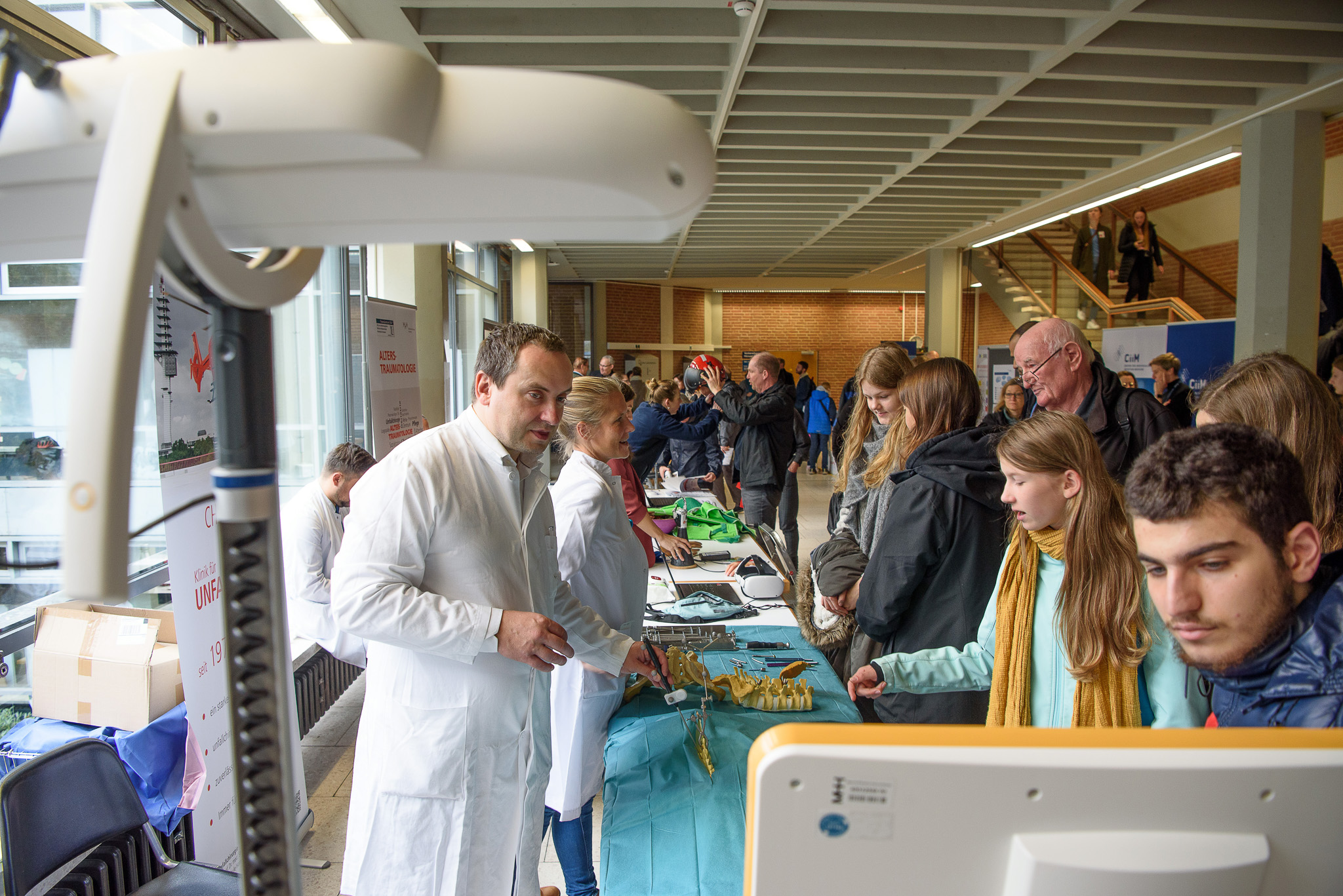
- SkillsLab (HannibaL Center): A highly advanced simulation center where students practice everything from basic nursing tasks to high-end surgical techniques using realistic simulators and virtual reality.
- TranslaTUM / Research Towers: Dedicated laboratory buildings designed to facilitate "bench-to-bedside" research, particularly in the fields of oncology and immunology.
- Hannover Unified Biobank (HUB): One of the most modern biobanks in Europe, providing students and scientists with millions of high-quality biosamples for clinical research.
- TwinCore: A joint research center with the Helmholtz Centre for Infection Research (HZI), focusing specifically on translational virology and immunology.
- MHH Core Facilities: Centralized high-end hubs for Next Generation Sequencing (NGS), Flow Cytometry, and Proteomics available to student researchers.
- Hearing Center (DHZ): The largest center of its kind in the world for cochlear implants and hearing research, providing unique insights into regenerative sensory medicine.
- Green Circle Infrastructure: A campus-wide sustainability initiative including EV charging parks, air-pump stations for cyclists, and insect-friendly landscaping on parking structures.
- Digital Exam Center: A specialized facility for tablet-based examinations, preparing students for the national electronic state exams.
- Lageplan (Medical Map): The campus features its own internal signage and "Medical Street" system to navigate the 30+ clinics and institutes within the central bettenhaus (bed-house).
- Medical Library (Bibliothek): Offers extensive 24/7 digital access to clinical databases and specialized workspaces in the heart of the research campus.
Hospital & Medical Facilities
Leading tertiary care hospital attached to the institution
The MHH Klinikum is a powerhouse of European healthcare:
- Capacity: Roughly 1,500 beds across more than 40 specialized clinics.
- Clinical Volume: Treats approximately 57,000 inpatients and 270,000 outpatients annually.
- Transplant Hub: Germany’s most active center for solid organ transplants (lung, heart, liver, kidney) and bone marrow transplants.
- Emergency Hub: Features one of Northern Germany’s busiest emergency departments and is a primary base for air rescue (Christoph 4).
Fee Structure
State University Affordability
MHH is a public university in Lower Saxony; there are no tuition fees for the primary medical degree.
Scholarship
- Deutschlandstipendium: 300 €/month for high-achieving students with a record of social engagement.
- HBRS Fellowships: Specific funding for international students in the MD/PhD and PhD programs (approx. 1,500 €/month).
- MHH Emergency Fund: Short-term financial aid for international students in sudden financial distress.
- PROMOS: Funding for international clinical clerkships or stays abroad during the Practical Year (PJ).
City Details
- The Vibe: Hannover is known as Germany's "Greenest City," home to the massive Eilenriede forest and the Herrenhausen Gardens. It is a city of trade fairs, easy-going culture, and "High German" (Standard German is spoken here with no dialect).
- Connectivity:
- Tram Line U4: Stops directly at "Medizinische Hochschule," connecting the campus to the city center (Kröpcke) in 15 minutes.
- Bicycle Culture: Extremely bike-friendly, with dedicated paths from the city center to the campus.
- Safety: Very high; Hannover is consistently rated as a safe, family-friendly, and student-focused city.
Hostel & Mess
- Accommodation: Managed by Studentenwerk Hannover.
- Student Dorms: Rent is very affordable, ranging from 250 € to 450 €/month. The Bursche and Peter-Fechter dorms are located right on campus.
- Private Housing: A room in a shared flat (WG) typically costs 350 € – 550 €/month.
- Dining: The Central Mensa and several campus cafeterias offer subsidized meals (approx. 3.50 € – 6.50 €). The MHH Mensa is a known social hub where doctors and students often eat together.
Miscellaneous
- APS Certificate: Mandatory for applicants from India, China, and Vietnam.
- Application: International students apply via uni-assist for a VPD before the final application to the MHH.
- Deadline: July 15 for the Winter Semester (the only intake for medicine).
Collage Images Gallery
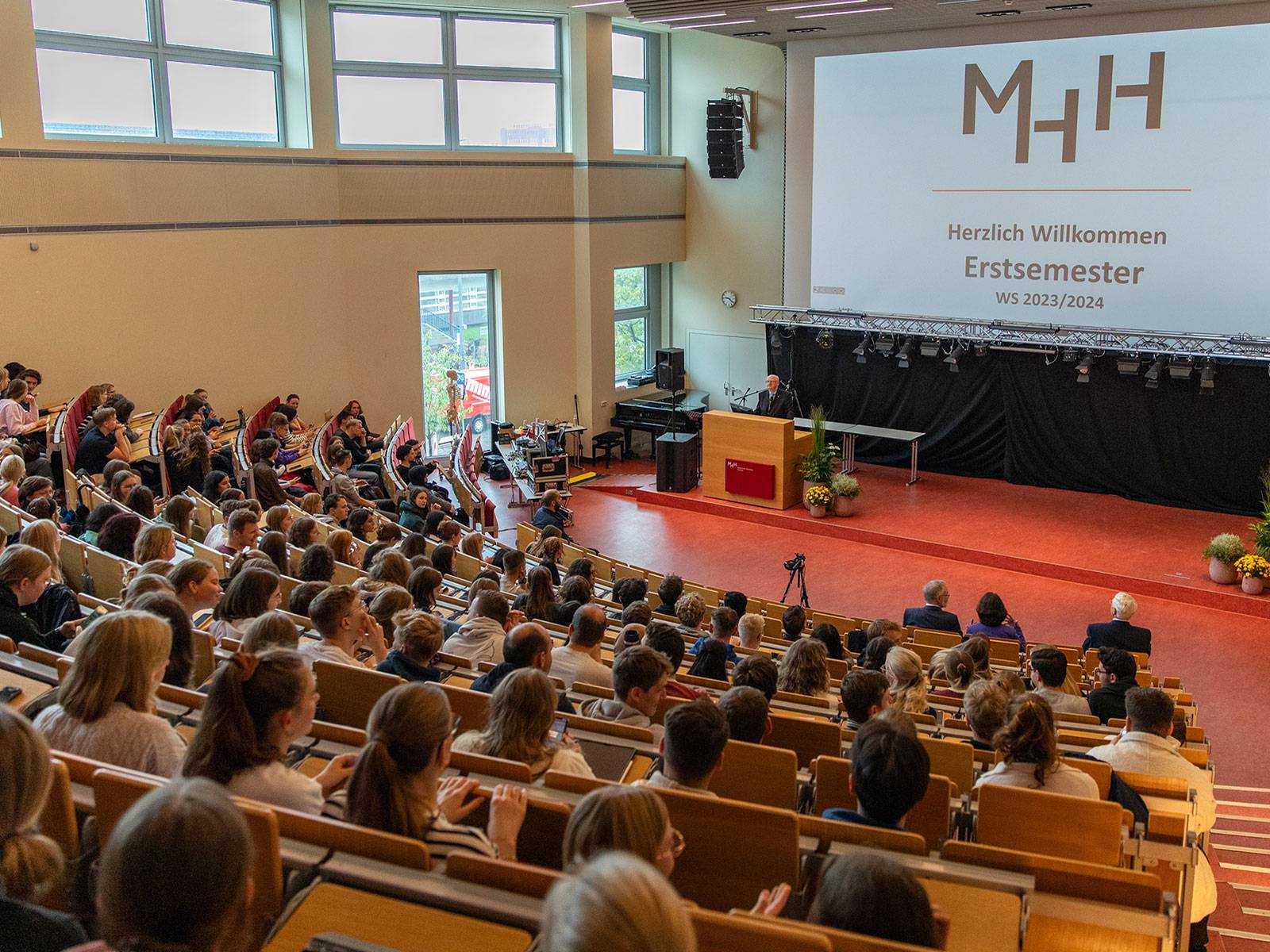
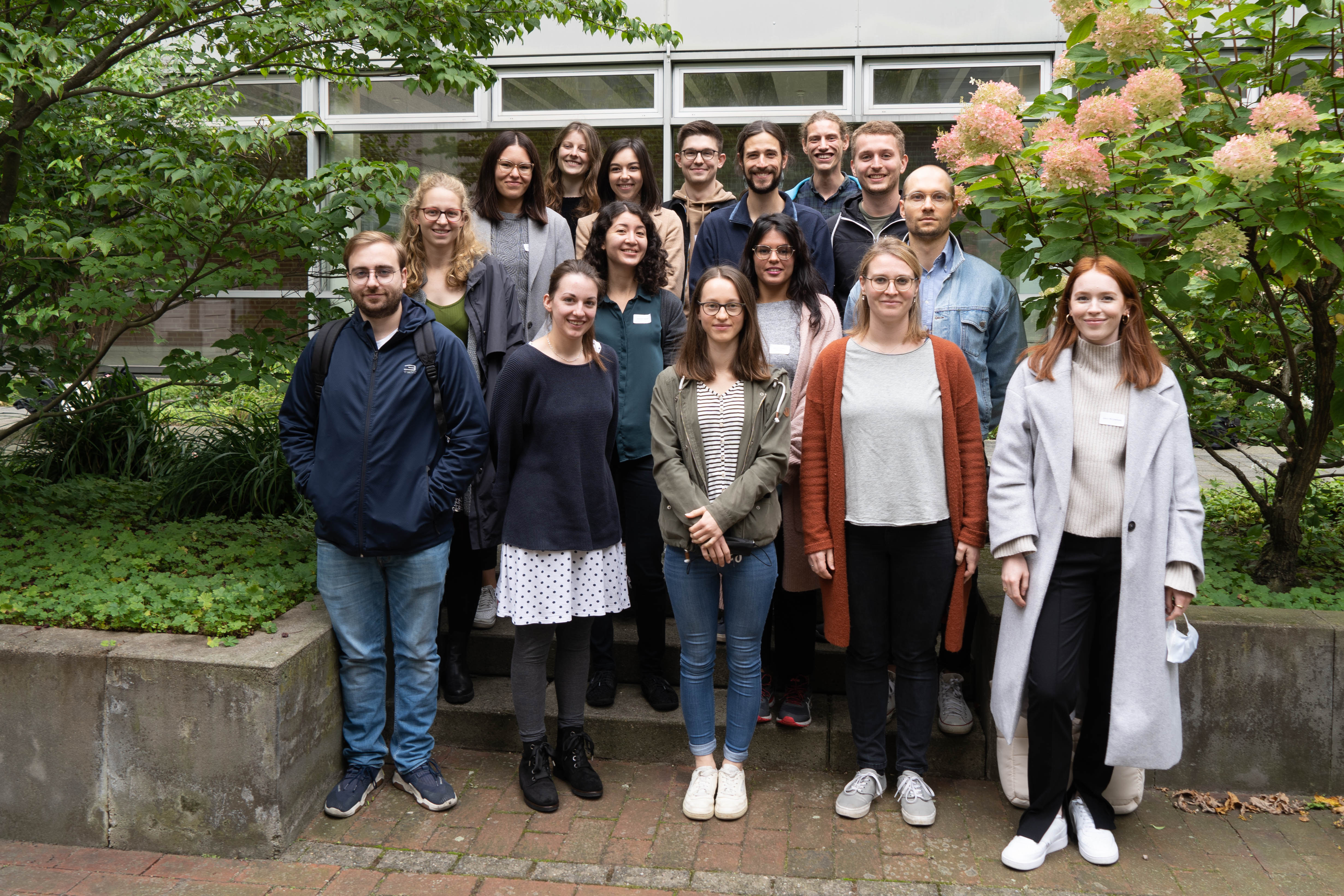
Facilities & Campus Life

Well-equipped Library

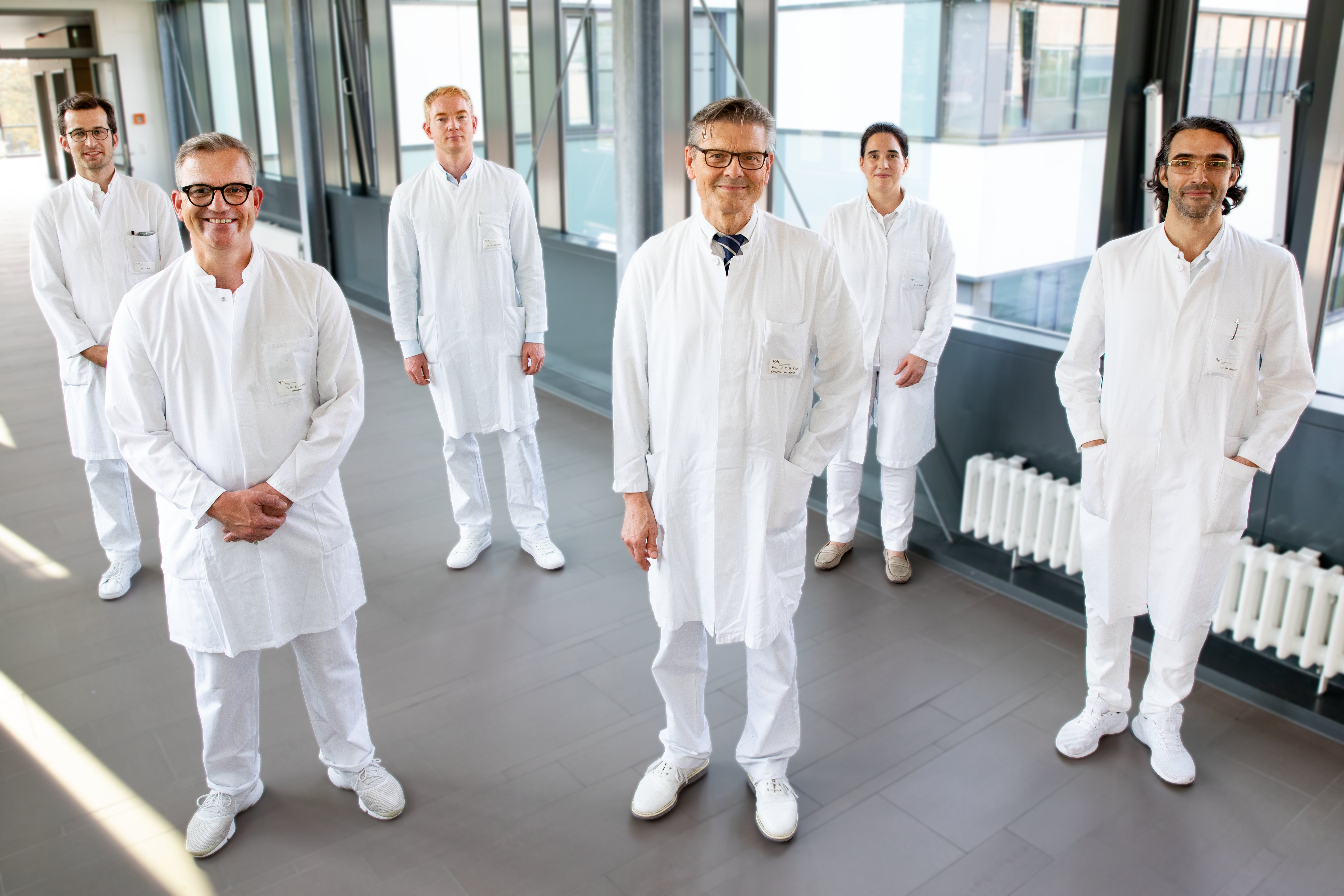
Experienced Faculty

Computer Lab

Sports Activities

Heritage Campus


Frequently Asked Questions
Why Consult With Us?
- 15+ years of experience in medical education counseling
- 5000+ students successfully guided
- 50+ partner universities worldwide
- Free initial consultation with no obligation