
Medizinische Hochschule Lübeck, Universität Lübeck

General Information
The University of Lübeck is a specialized "Foundation University" and a premier Life Science hub in Northern Germany. Originally founded as a Medical Academy in 1964, it has evolved into a highly integrated campus where medicine, informatics, and engineering intersect. Known for its motto "In Focus: Life," the university is a global leader in the study of inflammatory diseases and the complex interactions between the brain and metabolism. It offers a cozy, high-tech boutique atmosphere on a single, green campus that feels like a specialized scientific community.
General Info
- Established: 1964 (Medical Academy); 1973 (University status); 2015 (Foundation University).
- Primary Location: > Ratzeburger Allee 160, 23562 Lübeck, Germany.
- Academic Model: Science-Based Medical Degree.
- Structure: A 6.3-year program (13 semesters).
- Pre-clinical Phase: High-intensity focus on molecular life sciences and technical principles.
- Clinical Phase: Integrated modules focusing on three longitudinal pillars: Communication, Prevention, and Emergency Medicine.
- Practical Year (PJ): Final clinical rotations at the University Hospital Schleswig-Holstein (UKSH) or international partners.
- Clinical Focus: Research and teaching are anchored in two main Excellence Clusters: Infection & Inflammation and Brain, Behavior & Metabolism (CBBM).
- Instruction: 100% German. C1 level proficiency (DSH-2 or TestDaF 4x4) is mandatory.
- Specialized Quota: The university reserves roughly 5–8% of seats specifically for international students in Medicine and Molecular Life Science.
- Admission: Highly restricted (Numerus Clausus). Admission is determined by a combination of the Abitur grade and the TMS (Test for Medical Studies).
Campus Facilities
The Lübeck campus is a "Short-Distance Campus," where all medical institutes, technical labs, and the university hospital are within walking distance of each other.
- CBBM (Center of Brain, Behavior and Metabolism): A world-class interdisciplinary center with its own specialized MRI scanners and sleep laboratories for metabolic research.
- ZIEL (Lübeck Centre for Infection & Inflammation): The core unit for studying microbial threats and chronic inflammatory responses, often collaborating with the nearby Research Center Borstel.
- SkillsLab (Lübecker Lern- und Trainingszentrum): A state-of-the-art simulation hub where students practice invasive procedures and patient communication with standardized actors.
- LIROS (Lübeck Innovation Hub for Robotic Surgery): A high-tech platform where medical students can observe and learn the basics of autonomous and robotic-assisted surgical systems.
- AI Lab (ZKIL): A dedicated facility for Artificial Intelligence in Medicine, allowing students to explore the future of automated diagnostics and digital health.
- Bioanalytic Core Facility: A central lab providing access to mass spectrometry and advanced proteomics for student research projects.
- Single Cell Sequencing Core: One of the most advanced genomic facilities in Germany, supporting personalized medicine and high-resolution disease modeling.
- SAIL (Small Animal Imaging Lübeck): A specialized imaging hub for translational research, bridging the gap between basic lab science and clinical application.
- Lübeck Integrated Oncology Network (LION): A clinical research platform that connects students with high-end tumor boards and experimental cancer therapies.
- ZKS (Center for Clinical Trials): Ensures that students are trained in the highest international standards of clinical study design and evidence-based practice.
Hospital & Medical Facilities
Leading tertiary care hospital attached to the institution
The Universitätsklinikum Schleswig-Holstein (UKSH) – Campus Lübeck is the primary teaching hospital:
- Capacity: Roughly 42 specialized departments with over 930 beds.
- Clinical Volume: Treats approximately 52,000 inpatients and 173,000 outpatients annually.
- Specialization: Nationally recognized for its expertise in Dermatology, Endocrinology, and Precision Medicine in Chronic Inflammation.
- Collaborative Network: Works closely with the UKSH Campus Kiel, providing students access to a massive regional medical data pool.
Fee Structure
State University Affordability
Lübeck is a public university in Schleswig-Holstein, meaning there are no tuition fees for the medical degree.
Scholarship
- Deutschlandstipendium: 300 €/month for high-achieving students with social or volunteer backgrounds.
- DAAD Study Grants: Monthly grants (approx. 861 €) for international Master’s students in health-related scientific subjects.
- Doctoral Scholarships: Annual grants of up to 1,200 €/month for international medical students pursuing a Dr. med. degree.
- Research Short Grants: Funding (1–6 months) for specific student research projects in the labs.
City Details
- The Vibe: Lübeck is a UNESCO World Heritage city, the "City of Seven Spires" and the "Queen of the Hanseatic League." It offers a unique mix of medieval brick gothic architecture and modern seaside life (Travemünde is just minutes away).
- Connectivity:
- Public Transport: Bus route 6 stops directly at "Universitätsstraße."
- Proximity: Only 45 minutes by train to Hamburg, giving students access to Germany's second-largest city while living in a more relaxed environment.
- Safety: Extremely high; a very family-friendly and student-oriented city.
Hostel & Mess
- Accommodation: Managed by Studentenwerk Schleswig-Holstein.
- Student Dorms: Rent ranges from 250 € to 450 €/month. Many dorms are located directly on or adjacent to the Ratzeburger Allee campus.
- Private Housing: A room in a shared flat (WG) typically costs 350 € – 550 €/month.
- Dining: The Central Mensa on campus is famous for its quality and is a social focal point, offering subsidized meals for 3.50 € – 6.50 €.
Miscellaneous
- APS Certificate: Mandatory for applicants from India, China, and Vietnam.
- Uni-assist: International students must apply via uni-assist for a VPD (Preliminary Review) before the July 15 deadline.
- Selection Process: The university places a strong emphasis on "personality and social commitment" in its selection talks for certain quotas.
Collage Images Gallery
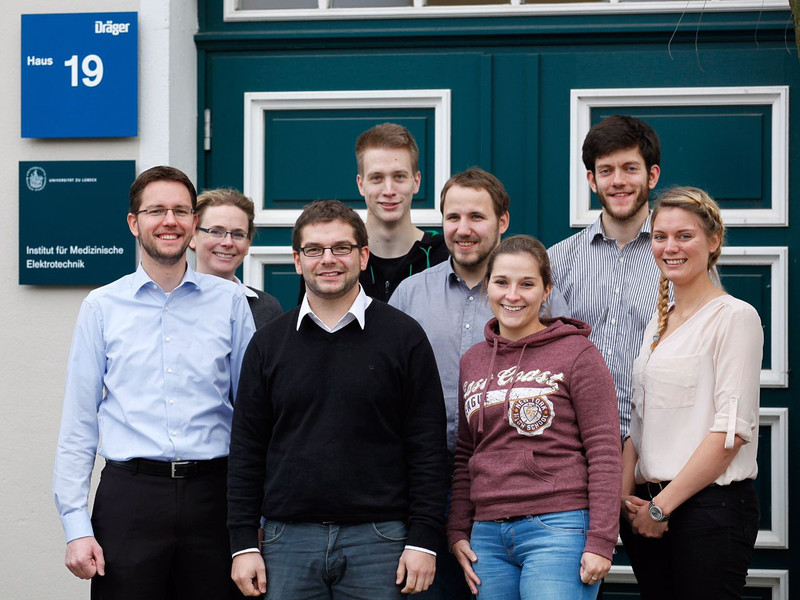
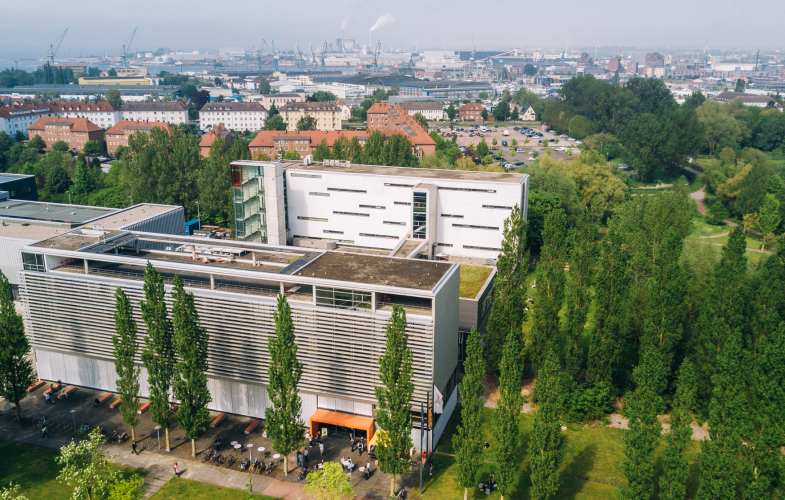
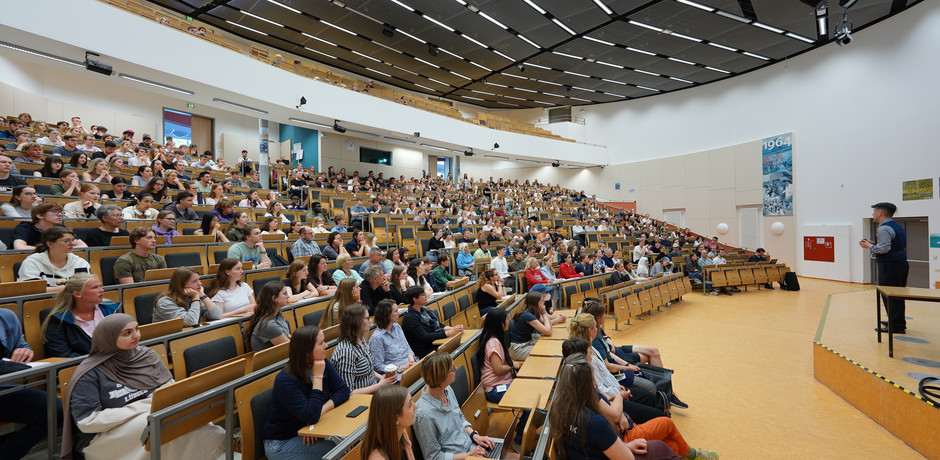

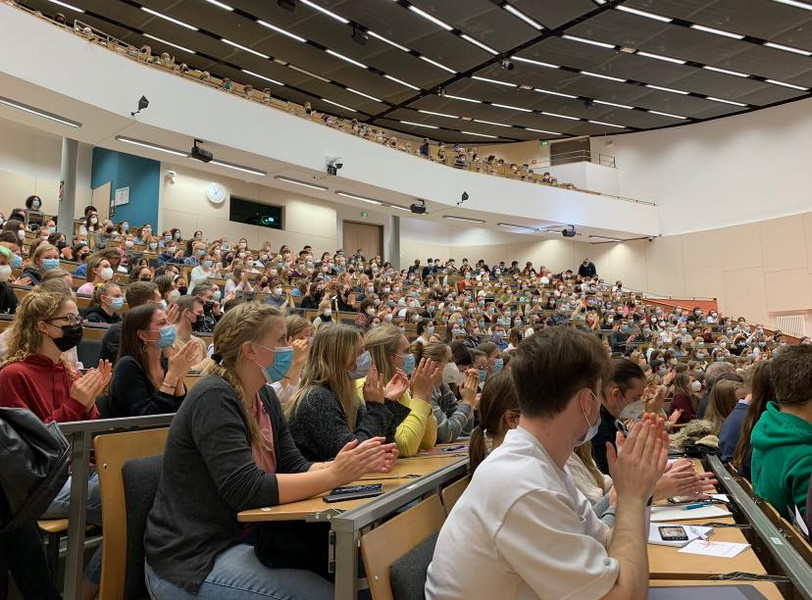
Facilities & Campus Life

Well-equipped Library

Experienced Faculty

Computer Lab

Sports Activities

Heritage Campus


Frequently Asked Questions
Why Consult With Us?
- 15+ years of experience in medical education counseling
- 5000+ students successfully guided
- 50+ partner universities worldwide
- Free initial consultation with no obligation