


Medizinischen Fakultät der Universität des Saarlandes

General Information
The Faculty of Medicine at Saarland University is unique because it is not located in the state capital, Saarbrücken, but on a specialized medical campus in Homburg. This "Homburg Campus" is a dedicated "medical city" where teaching, research, and patient care are physically integrated into a single forest-side location. The faculty is known for its personal atmosphere, excellent student-to-teacher ratios, and world-class research in areas like nanomedicine, membrane biology, and immunology.
General Info
- Established: 1947 (originally in cooperation with the University of Nancy, France).
- Primary Location: > Kirrberger Straße, 66421 Homburg, Saarland, Germany.
- Academic Model: Staatsexamen (German State Examination) for Human Medicine.
- Structure: A 6.3-year program (13 semesters).
- Pre-clinical (Semesters 1–4): Focus on basic sciences (Anatomy, Biochemistry, Physiology); ends with the Physikum exam.
- Clinical (Semesters 5–10): Modular training focusing on disease pathology, diagnostics, and therapy.
- Practical Year (PJ): The final year of rotations at the University Medical Center (UKS) or partner hospitals.
- Instruction: 100% German. C1 level proficiency (DSH-2, TestDaF 4x4, or Goethe C1) is strictly required.
- Research Focus: Major pillars include Neuroscience, Cardiovascular Research, and Immunology & Infection Biology.
- Admission: Highly restricted (Numerus Clausus). Seats are allocated via Hochschulstart.de, with high importance placed on the TMS (Test for Medical Studies).
Campus Facilities
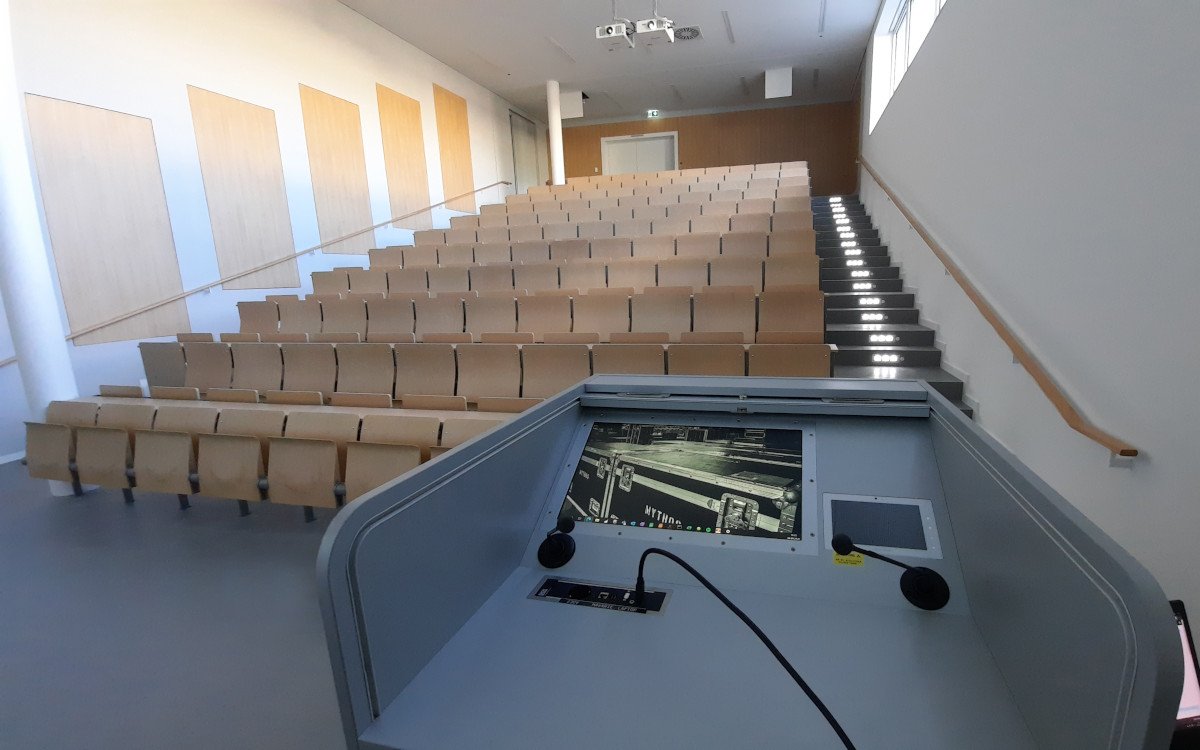
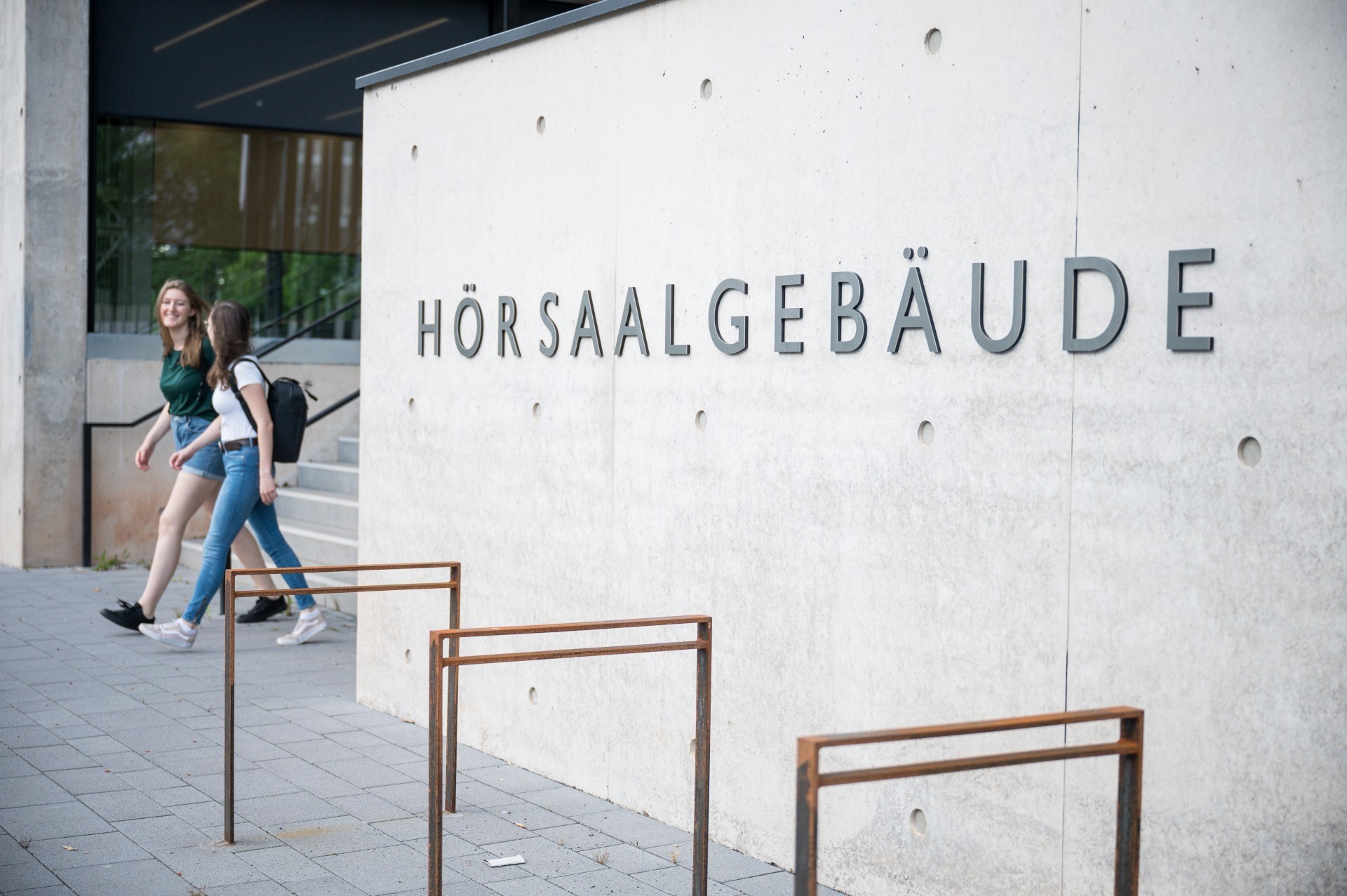
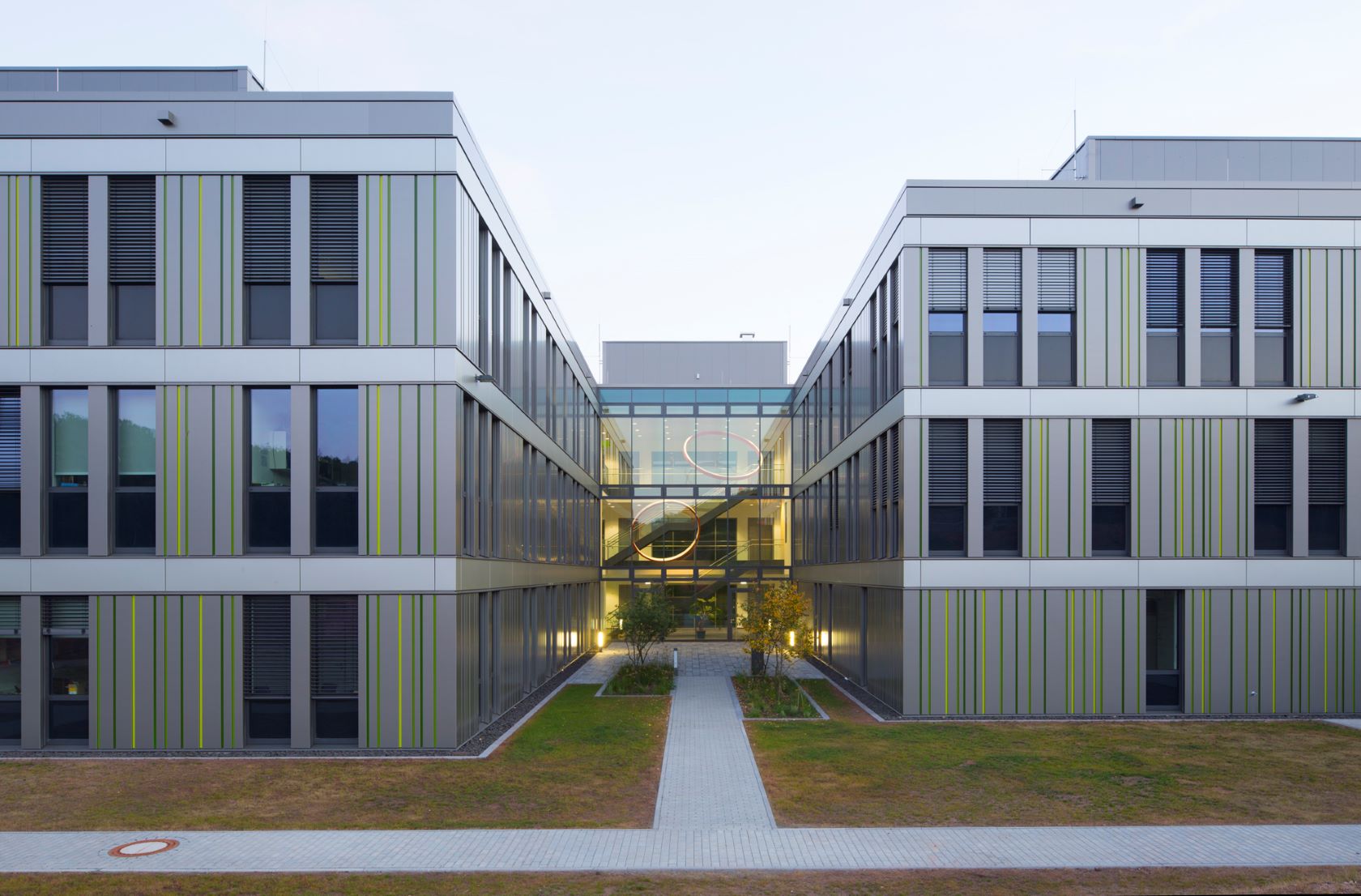
The Homburg campus is a "Forest Campus" nearly all university and hospital buildings are nestled in a large woodland area, creating a quiet, focused environment for study.
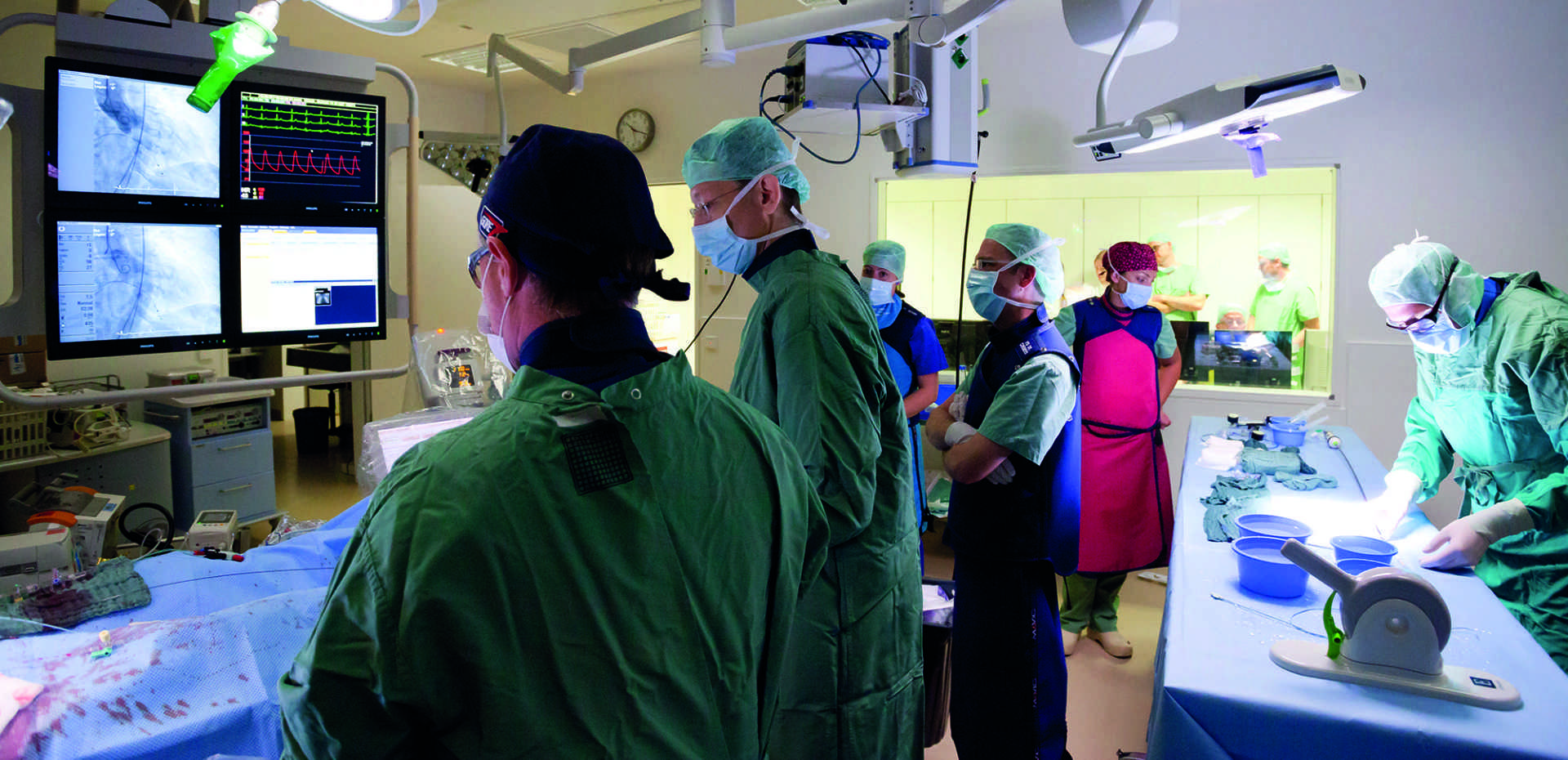
- SkillsLab Homburg: A state-of-the-art training center where students practice clinical skills on simulators and with "standardized patients" (actors).
- Anatomy & Dissection Labs: Renowned for their high quality and modern equipment, providing hands-on morphological training.
- Core Facilities (NGS & Microscopy): High-tech hubs for Next-Generation Sequencing and advanced light microscopy available for student research projects.
- ZHMB (Center for Human and Molecular Biology): An interdisciplinary center bridging basic research and clinical application.
- Digital Pathology & CIP Pools: Modern computer labs and digital tools for virtual microscopy and e-learning.
- Medical Library: A specialized branch located directly on campus with extensive 24/7 digital access for students.
- Center for Experimental Orthopaedics: A specialized research unit focusing on joint health and regenerative medicine.
- Sport & Wellness: Dedicated athletic facilities and fitness programs located right on the forest campus.
- Interdisciplinary Center for Clinical Research (IZKF): Provides funding and support for medical students pursuing their doctoral degrees (Dr. med.).
- Welcome Center (Homburg): A dedicated office that helps international students with visas, residence permits, and local integration.
Hospital & Medical Facilities
Leading tertiary care hospital attached to the institution
The Saarland University Medical Center (UKS) is the largest healthcare provider in the region:
- Capacity: Includes over 30 specialized clinics and institutes with roughly 1,200 to 1,400 beds.
- Clinical Volume: Treats approximately 50,000 inpatients and over 200,000 outpatients annually.
- Specialized Centers: Home to the Saarland Cancer Center, the Cochlear Implant Center (CIC), and a leading Transplantation Center.
- Regional Hub: Serves as a maximum-care provider for Saarland, parts of Rhineland-Palatinate, and neighboring France and Luxembourg.
Fee Structure
State University Affordability
Saarland University is a public institution; there are currently no tuition fees for the primary medical degree, even for non-EU students.
Scholarship
- Deutschlandstipendium: 300 €/month for high-achieving students who show social responsibility.
- Studienstiftung des Saarlandes: Specific grants for talented students studying within the state of Saarland.
- International Office Grants: Short-term financial aid for international students in the final stages of their degree or in emergencies.
- PROMOS: Funding for students who wish to complete part of their Practical Year (PJ) or a clinical clerkship abroad.
City Details
- The Vibe: Homburg is a quiet, leafy town dominated by the medical university. It is famous for the Schlossberghöhlen (Europe's largest colored sandstone caves) and offers excellent hiking and biking trails.
- Connectivity:
- Train: Direct connections to Saarbrücken (approx. 25–30 minutes) and Mannheim.
- Shuttle: A university shuttle bus connects the Homburg campus with the main Saarbrücken campus multiple times a day.
- Safety: Very high; Homburg is a safe, community-oriented town where students are well-integrated.
Hostel & Mess
- Accommodation: Managed by Studierendenwerk Saarland.
- Student Dorms: Rent is very competitive, ranging from 250 € to 450 €/month. Dorms like Studentenwohnheim C are located right on the Homburg campus.
- Private Housing: A room in a shared flat (WG) in Homburg typically costs 300 € – 500 €/month.
- Dining: The Homburg Mensa is the social heart of the campus, offering subsidized meals for students (approx. 3.50 € – 6.50 €).
Miscellaneous
- APS Certificate: Mandatory for applicants from India, China, and Vietnam.
- Uni-assist: International students must apply via uni-assist for a VPD (Preliminary Review) before the university deadline.
- Deadline: July 15 for the Winter Semester (the main intake for medicine).
Collage Images Gallery
Facilities & Campus Life

Well-equipped Library

Experienced Faculty

Computer Lab

Sports Activities

Heritage Campus


Frequently Asked Questions
Why Consult With Us?
- 15+ years of experience in medical education counseling
- 5000+ students successfully guided
- 50+ partner universities worldwide
- Free initial consultation with no obligation