
Mongolian National University of Medical Sciences School of Medicine

General Information
The Mongolian National University of Medical Sciences (MNUMS) was established in 1942 as the Medical Faculty of the Mongolian State University. In 1961, it became an independent public institution. It is the best medical school in Mongolia and an important part of the country's healthcare system. MNUMS is well-known for its recent efforts to become more international. It has received international accreditation from agencies recognized by ENQA and has adopted global standards like the European Credit Transfer System (ECTS).
General Information
- The main address is S. Zorig Street, Sükhbaatar District, Ulaanbaatar, Mongolia.
- Doctor of Medicine (MD) degree awarded after a six-year program.
- Language of Instruction: Mongolian and English (English-medium tracks are popular with students from other countries).
- Accreditation: The Mongolian National Council for Education Accreditation (MNCEA) and ASIIN (Germany) both give their stamp of approval.
- Recognition: The World Directory of Medical Schools (WDOMS) lists it, and the WHO, NMC (India), and ECFMG (USA) all recognize it.
- Requirements for Admission:
- You must have at least 50% in Physics, Chemistry, and Biology (PCB) in high school to be eligible.
- Entrance Exams: People from other countries, especially India, must pass the NEET.
- Intakes: Usually happen twice a year, in September and March.
Campus Facilities
The main campus in Ulaanbaatar is a hub for medical innovation and modern learning.
- The Clinical Skills Center is a cutting-edge building that has been expanded to support outcome-based education through high-fidelity simulation and skills labs.
- The WHO helped start the E-Learning Centre, which helps students in its regional branches learn from a distance and hold teleconferences.
- Research Institutes: This includes the Institute of Public Health and labs that are only for molecular diagnostics and biomedicine.
- Library: Has a huge collection of medical journals and digital resources that help the university become more research-based.
Hospital & Medical Facilities
Leading tertiary care hospital attached to the institution
MNUMS is unique because it has a full university hospital system that gives students a wide range of clinical experiences.
- Mongolia-Japan Teaching Hospital (MJH) is a top hospital with the latest medical technology that focuses on advanced diagnosis and treatment.
- Central Hospital and Specialized Clinics: This includes the Erkhes Sanatorium and a number of specialty clinics that are part of the teaching program.
- Branch Connectivity: Students can connect with branch clinical sites in Darkhan-Uul, Dornogobi, and Gobi-Altai.
Fee Structure
State University Affordability
MNUMS is one of the least expensive ways to get a high-quality public medical education.
Funding
- Government Funding: The Mongolian government gives a lot of money to the university because it is a public institution.
- Educational Loans: Local students can get money from the Educational Loan Fund. International students may be able to get special discounts from some schools for doing well in school.
- Student Development Programs: MNUMS helps students financially by giving them research grants and other programs that help them grow.
City Details
- The Vibe: Ulaanbaatar is the world's coldest capital city, but the student community there is friendly and welcoming. It is the center of Mongolia's politics, economy, and culture.
- Connection:
- Air: The Chinggis Khaan International Airport (UBN) connects to big cities in Europe and Asia.
- Transport: The city has a lot of buses and taxis that go to a lot of places. The university is easy to get to because it is in the middle of town.
Hostel & Mess
- Accommodation: The "1st Place" dormitory and other student houses that are part of the same group offer safe places to live. Most of the time, two to four students share a room, and the rooms are heated from the center.
- Life as a student: Ulaanbaatar is a lively city that combines modern and traditional Mongolian culture. The university has a number of clubs for arts and sports.
- Food: Canteens on campus serve healthy meals, including Huushuur and Tsuivan, which are popular in the area. International student messes often have food options for people with different diets.
Miscellaneous
- Global Pathway: MNUMS graduates are eligible for international licensing exams like the USMLE and NExT, allowing for a global medical career.
- Human-Centric Care: The university mission emphasizes training doctors who are not only technically skilled but also humane and globally competent.
Collage Images Gallery
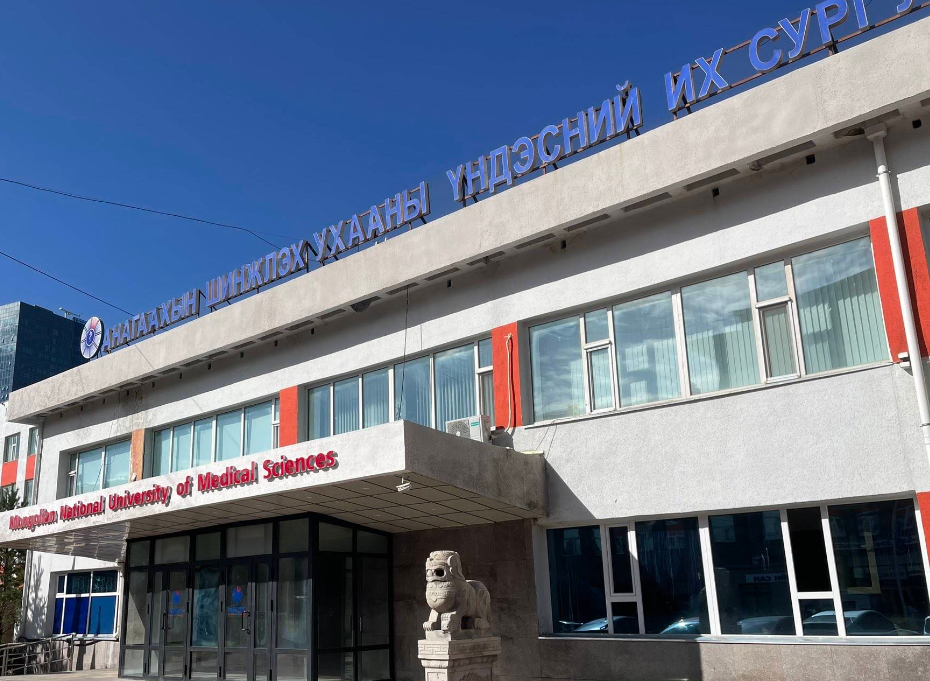
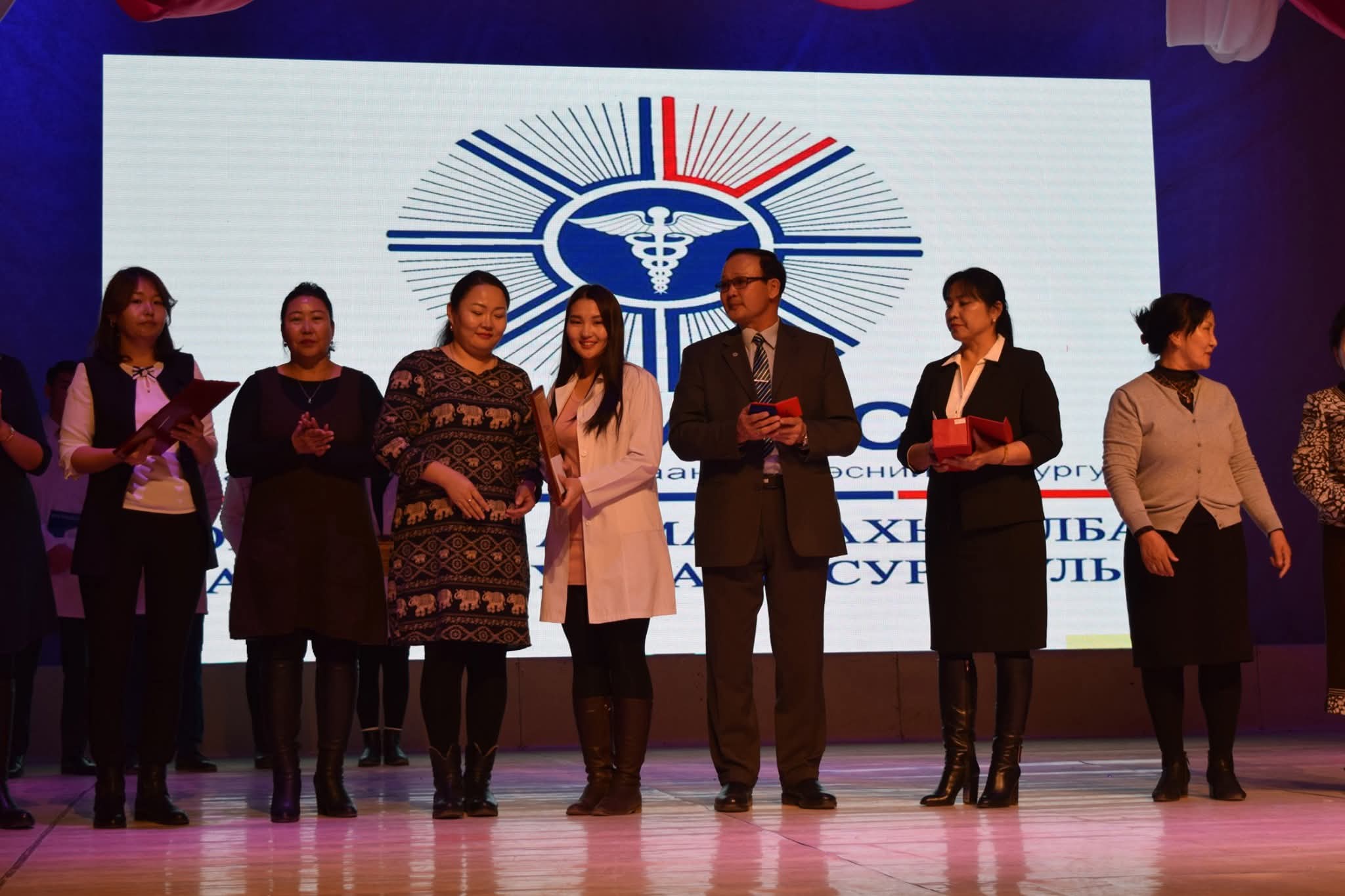
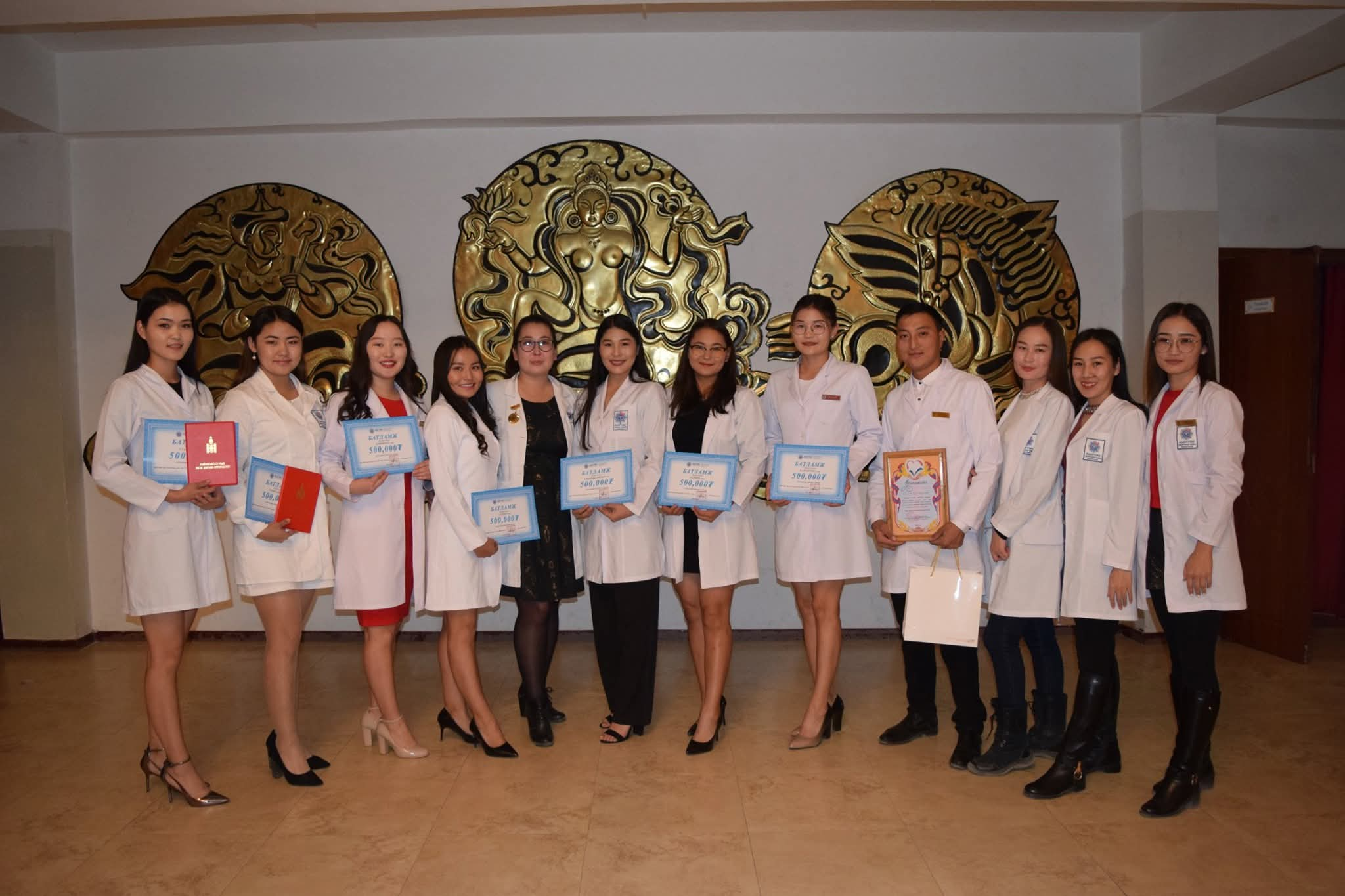
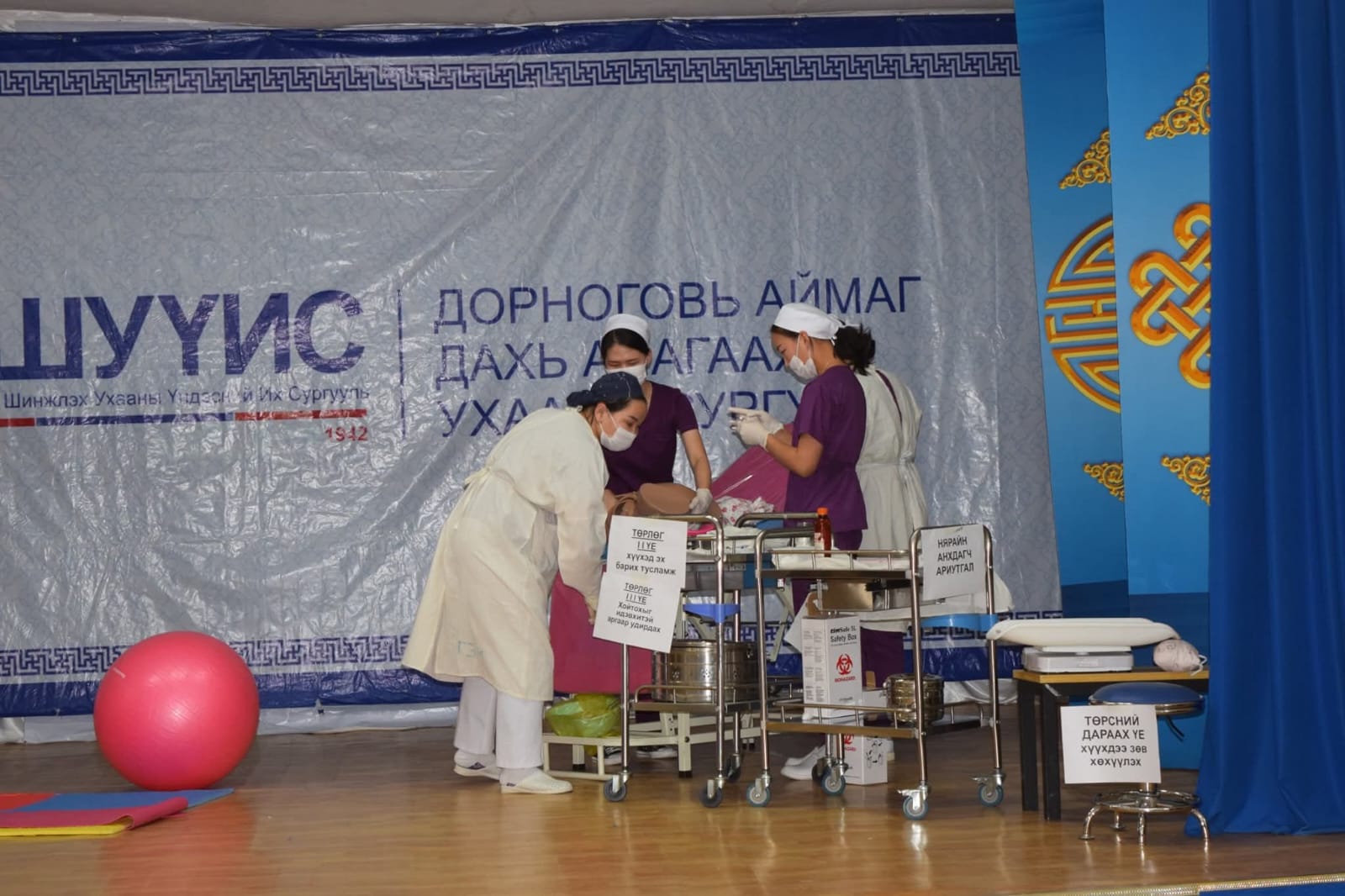
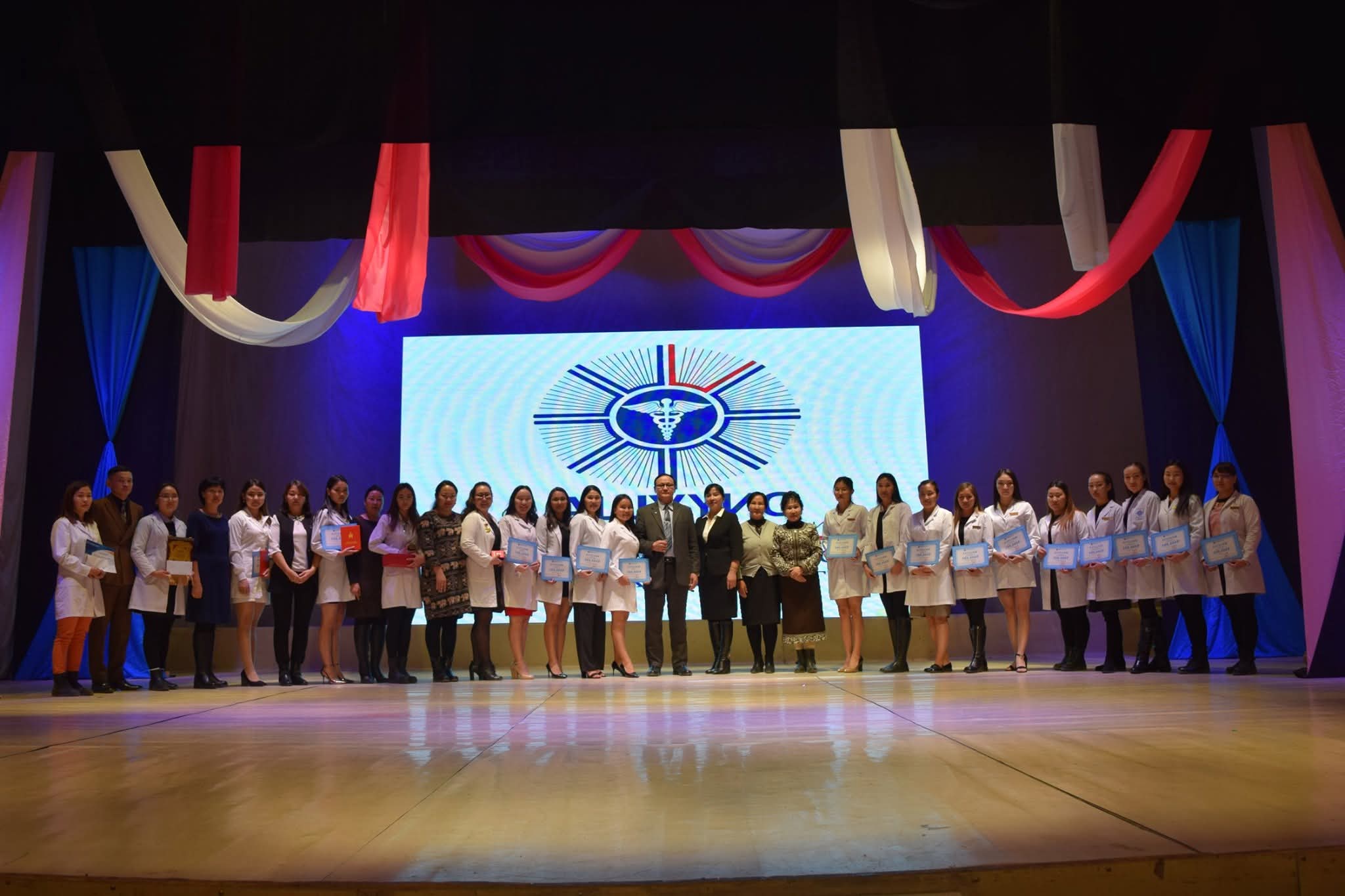
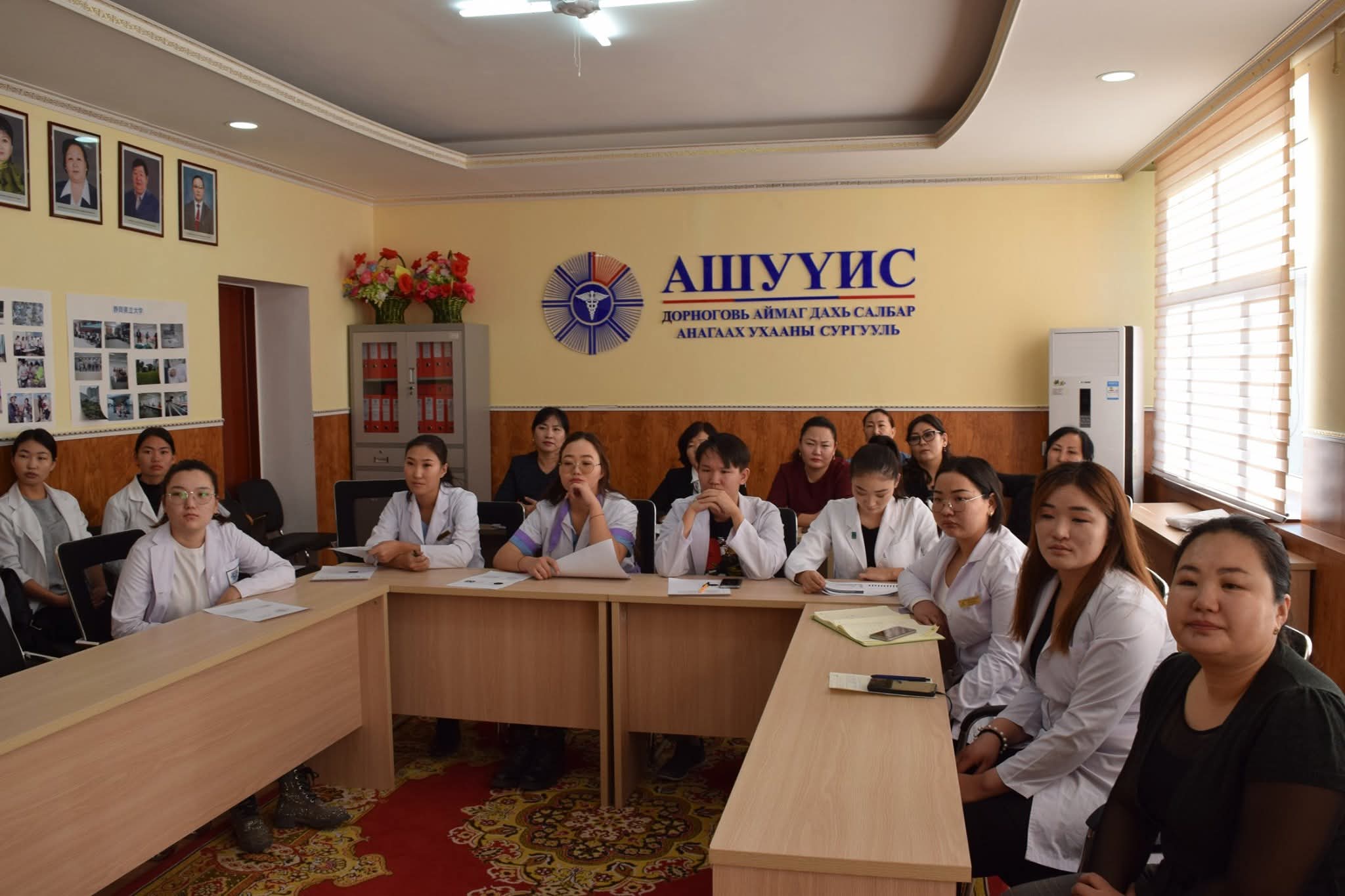
Facilities & Campus Life

Well-equipped Library

Experienced Faculty

Computer Lab

Sports Activities

Heritage Campus


Frequently Asked Questions
Why Consult With Us?
- 15+ years of experience in medical education counseling
- 5000+ students successfully guided
- 50+ partner universities worldwide
- Free initial consultation with no obligation