

MSH Medical School Hamburg, University of Applied Sciences and Medical University

General Information
MSH Medical School Hamburg is a private, state-recognized university that holds a unique "dual status": it operates both as a University of Applied Sciences (Fachhochschule) and a Medical University (Scientific University status). Located in the heart of Hamburg’s futuristic HafenCity, it offers a "boutique" medical education that bypasses the traditional GPA-only (NC) bottleneck of public universities. MSH is famous for its interprofessional approach, where medical students train alongside future physiotherapists, psychologists, and health managers.
General Info
- Established: 2009.
- Primary Location: > Am Kaiserkai 1, 20457 Hamburg, Germany (HafenCity).
- Academic Model: State Examination (Humanmedizin).
- Structure: A 6.3-year program (12 semesters + Practical Year).
- Pre-clinical (Years 1–2): Focus on anatomy, physiology, and biochemistry with early clinical shadowing.
- Clinical (Years 3–5): Training takes place in cooperation with Helios Kliniken Schwerin and other major teaching hospitals.
- Practical Year (PJ): The final year of rotations in various medical departments.
- Instruction: 100% German. C1 level proficiency (TestDaF 4x4 or DSH-2) is required for the medical degree.
- Admission: NC-Free. Admission is based on an internal selection process including an application, a written assessment, and individual interviews. Talent and motivation are weighted more heavily than school grades.
Campus Facilities
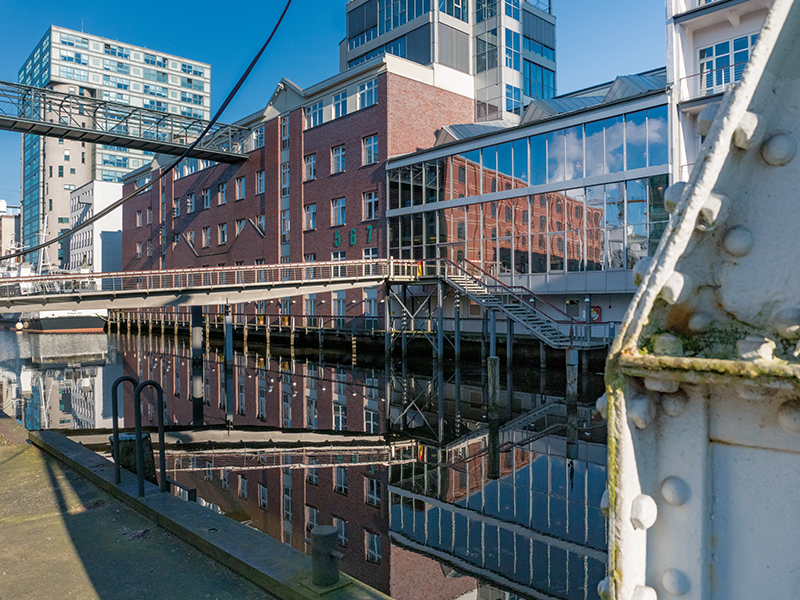
The campus is situated in the landmark "Kaiserkai" buildings, directly overlooking the Elbe River and the Elbphilharmonie.
- Skills Lab & Simulation Center: A high-end facility where students practice clinical procedures and communication in a risk-free, simulated environment.
- Molecular Biology Research Landscape: Specialized labs for basic bioscientific and translational research, often at the interface of sports science and neuroscience.
- ISM (Institute for Systems Medicine): A research hub focused on "Systems Medicine," utilizing high-throughput data analysis and bioinformatics to model complex diseases.
- Neuroscience Research Labs: Features facilities for cognitive and affective neuroscience, including modern EEG and behavioral testing equipment.
- Anatomy & Wet Labs: Dedicated spaces for practical courses, providing hands-on experience with prosected human specimens.
- Performance Physiology Hub: A multifunctional center for research in sports medicine and human performance.
- Digital Exam Center: Integrated tablets and specialized software for modular exams, preparing students for the national electronic Staatsexamen.
- HafenCity Library: A modern facility with extensive e-book licenses and specialized medical databases (AMBOSS, UpToDate).
- Interprofessional Seminar Rooms: Designed for "Team-Based Learning" where medical students solve cases together with students from nursing and therapy sciences.
- The "Barke" Student Lounge: A central social area for students to network across the various healthcare faculties.
Hospital & Medical Facilities
Leading tertiary care hospital attached to the institution
The primary clinical partner is Helios Kliniken Schwerin, a maximum-care provider:
- Capacity: Over 1,500 beds and 26 specialized clinics.
- Clinical Volume: One of the largest hospitals in Northern Germany, offering students a vast diversity of cases.
- Network: MHH also collaborates with various specialized practices and clinics in the Hamburg metropolitan area for outpatient training.
Fee Structure
State University Affordability
As a private university, MSH charges tuition fees. There is no difference in pricing for EU vs. non-EU students.
Scholarship
- MSH Education Fund: A "Study now, pay later" model provided via Brain Capital. Tuition is covered by the fund, and you repay a percentage of your income after graduation.
- Deutschlandstipendium: 300 €/month awarded for high motivation and social commitment.
- Erasmus+ / PROMOS: Grants for students who wish to complete clinical clerkships or parts of their Practical Year (PJ) abroad.
- Merit Scholarships: Limited university-specific grants for students showing exceptional performance during the first two years of study.
City Details
The Vibe: Hamburg is a global port city maritime, cosmopolitan, and wealthy. It offers a rich cultural scene and legendary nightlife (Reeperbahn).
Connectivity:
U-Bahn U4: The station "Überseequartier" is right at the doorstep.
Bike-Friendly: Excellent cycle paths run through the city and along the Elbe.
Safety: Very high. Hamburg is one of the safest major cities in Germany, though typical urban awareness is advised in busy nightlife areas.Hostel & Mess
- Accommodation: Hamburg has a highly competitive housing market.
- Student Dorms: Managed by Studierendenwerk Hamburg; rent is 350 € – 550 €/month (expect long waiting lists).
- Private WGs: Shared flats in popular districts like Altona or Eimsbüttel cost 550 € – 800 €/month.
- Dining: MSH students can use the student mensas of the University of Hamburg and the HCU (HafenCity University), offering subsidized meals for 3.50 € – 7.00 €.
Miscellaneous
- APS Certificate: Required for students from India, China, and Vietnam.
- Language Certificate: Since the program is 100% German, you must submit a C1 certificate at the time of enrollment.
- Intake: Winter Semester (October) and Summer Semester (April).
Collage Images Gallery
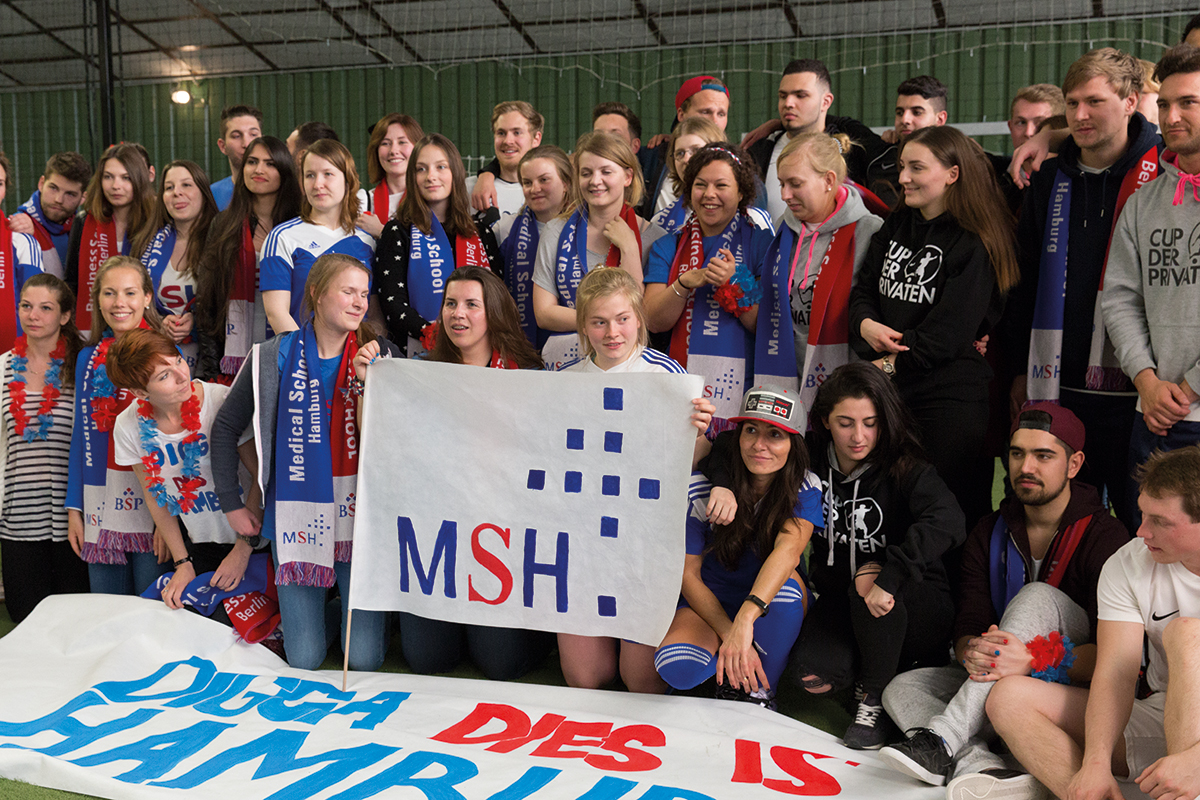
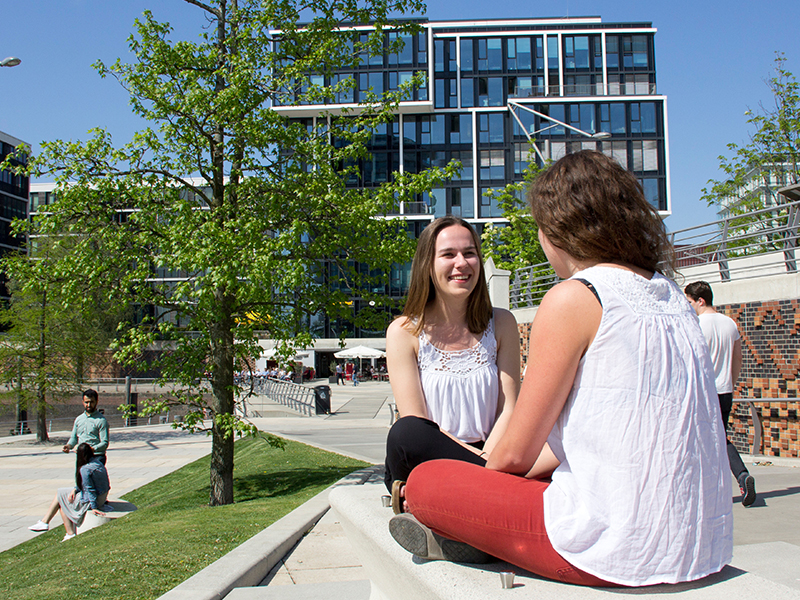
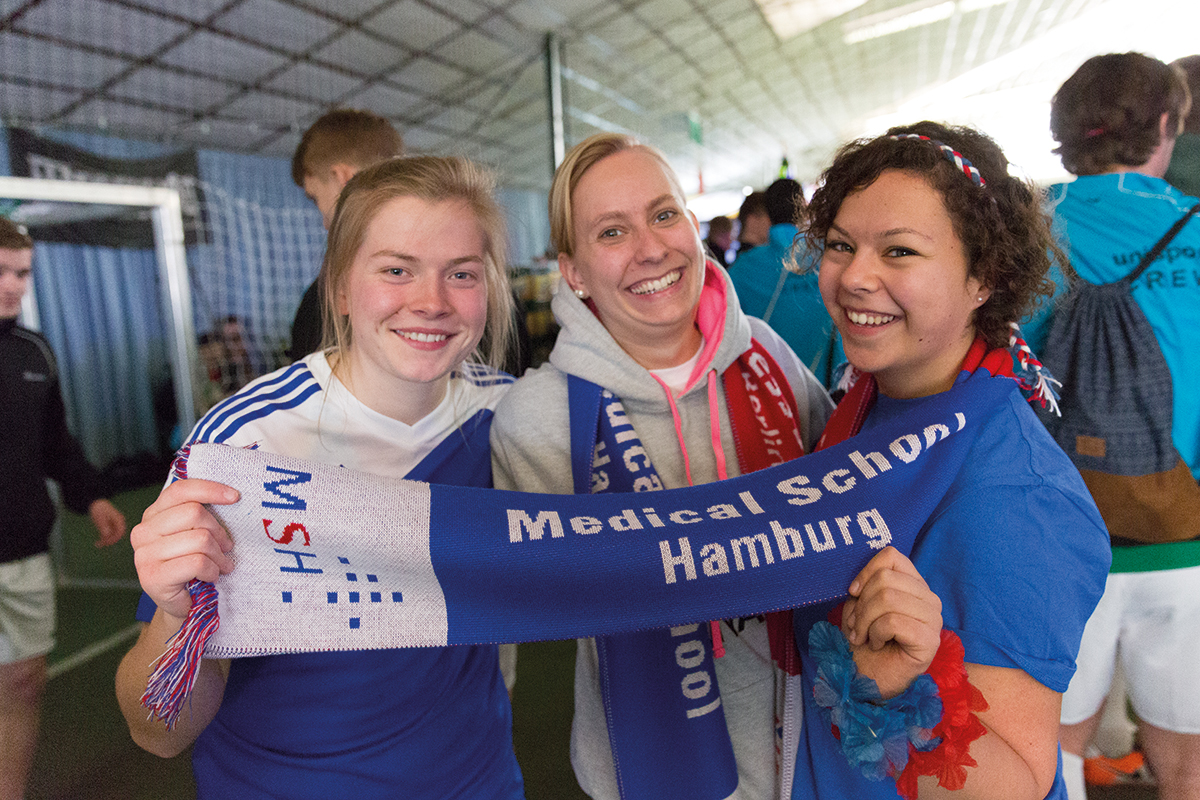
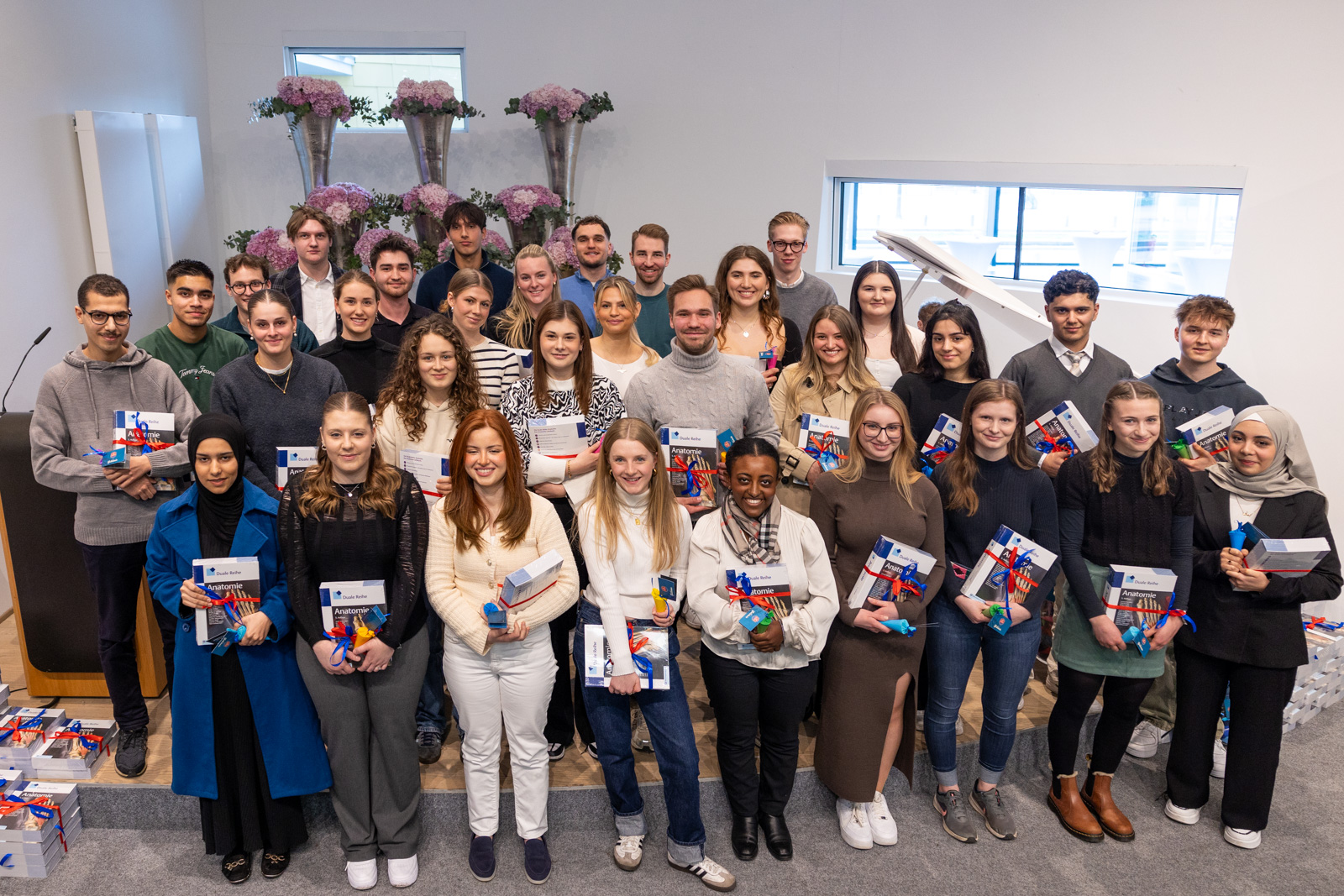
Facilities & Campus Life

Well-equipped Library

Experienced Faculty

Computer Lab

Sports Activities

Heritage Campus


Frequently Asked Questions
Why Consult With Us?
- 15+ years of experience in medical education counseling
- 5000+ students successfully guided
- 50+ partner universities worldwide
- Free initial consultation with no obligation