

Mutah University Faculty of Medicine Karak

General Information
The Faculty of Medicine at Mutah University, established in 2001, is a vital medical institution in southern Jordan. Known for its "Military and Civilian" wings, the university balances a rigorous academic curriculum with a strong commitment to community service in the Al-Karak Governorate.
General Info
- Primary Location: Al-Karak, Jordan (South of Amman).
- Degree Awarded: Bachelor of Medicine and Surgery (MBBS).
- Program Duration: 6 years (262 credit hours).
- Curriculum Style: Integrated modular system, focusing on human body systems rather than isolated subjects.
- Mission: To support healthcare infrastructure in the southern region of Jordan and produce physicians capable of competing at national and international levels.
Campus Facilities
The Faculty of Medicine is equipped with modern facilities designed to support the "integrated modular" teaching method.
- Plastination Lab: A pioneer project in Jordan, this laboratory uses plastination techniques for anatomy teaching, allowing for high-quality, durable anatomical specimens.
- Video Conferencing Facilities: Uses the ME-RSLD system to host live lectures and seminars from eminent medical experts worldwide.
- Molecular Biology Labs: Modern labs equipped for genetic research and biochemical analysis.
- Integrated Module Lecture Halls: Multimedia-equipped theaters designed for the interdisciplinary teaching of body systems.
- Microbiology & Pathology Labs: Dedicated spaces for the study of infectious diseases and cellular pathology.
- Anatomy Museums: Houses a vast collection of models and specimens to support hands-on learning.
- Computer & E-Learning Center: Provides access to medical software and digital research repositories.
- Medical Library: A specialized branch containing thousands of medical titles and access to international digital journals.
- Community Health Hub: A department-led center focused on health promotion, awareness campaigns, and local epidemiological research.
- Military Wing Facilities: Specialized training areas for students enrolled in the military track, focusing on field medicine and leadership.
Hospital & Medical Facilities
Leading tertiary care hospital attached to the institution
The university has strategic agreements with the Ministry of Health and Royal Medical Services for clinical training:
- Karak Governmental Hospital: The main training site for students, located near the campus, where faculty members provide specialized care and students perform their core rotations.
- Prince Ali Military Hospital: A key teaching hospital used for clinical training in various specialties.
- King Hussein Medical Centre (Amman): Accessible for advanced clinical rotations in highly specialized departments.
- Regional Health Centers: Used for the Community Medicine and Public Health rotations.
Fee Structure
State University Affordability
Tuition fees at Mutah follow a credit-hour system and depend on the enrollment track (Competitive vs. Parallel/International).
Scholarship
- Ministry of Higher Education Grants: Available for Jordanian students based on Tawjihi scores and financial need.
- Military Scholarships: Full coverage for students in the military wing.
- Sub-specialty Scholarships: The faculty frequently sends its own high-achieving graduates abroad for sub-specialty training to return as faculty members.
- Research Grants: Available for students participating in community-based research projects.
City Details
- The Vibe: Karak is a historic city famous for its Crusader castle. It offers a quiet, academic environment with a cooler climate.
- Connectivity:
- Bus: Frequent buses connect Karak to Amman (approx. 2 hours).
- Distance: About 130 km south of the capital.
- Safety: Very high. Karak is known for its hospitable and safe social environment.
Hostel & Mess
- Accommodation: The university provides safe and supervised on-campus dormitories for female students. Male students typically find affordable private housing in the Mutah or Karak areas.
- Dining: Several university cafeterias offer traditional Jordanian meals at subsidized rates.
- Vibe: A mix of traditional local culture and academic rigor. The university is a central pillar of the Karak community.
- Activities: "Free Medical Days" and awareness campaigns are a major part of student life, allowing students to apply their skills in the local community.
Miscellaneous
- Admission: Jordanian students apply through the Unified Admission Unit. International students apply directly to the International Student Office.
- Minimum GPA: A high school score (Tawjihi) of 85% is the minimum to apply, but competitive scores usually exceed 95%.
- Language: Instruction is in English, but students must pass an English proficiency exam or take remedial courses.
Collage Images Gallery

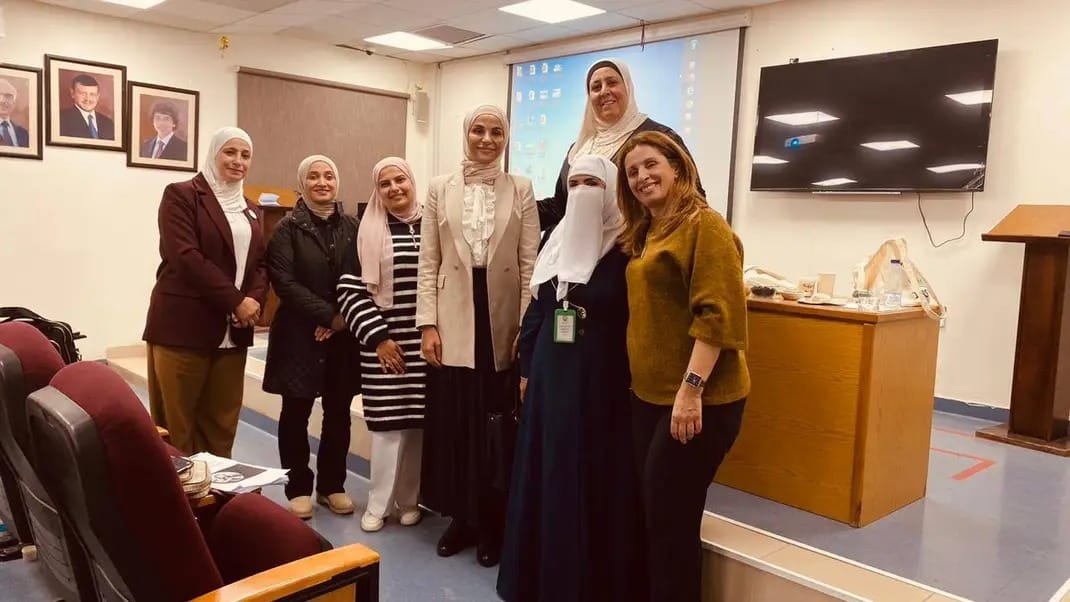
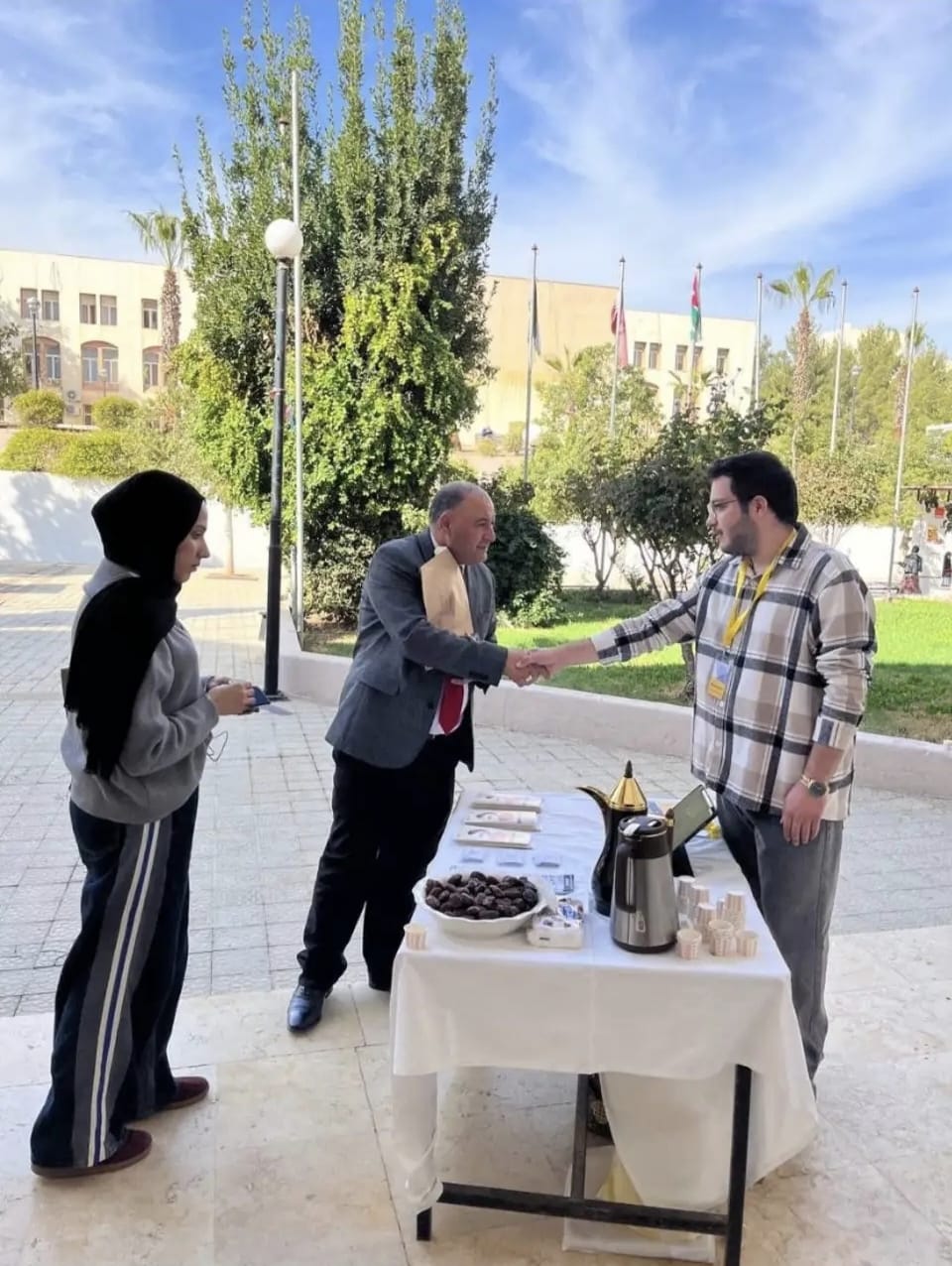
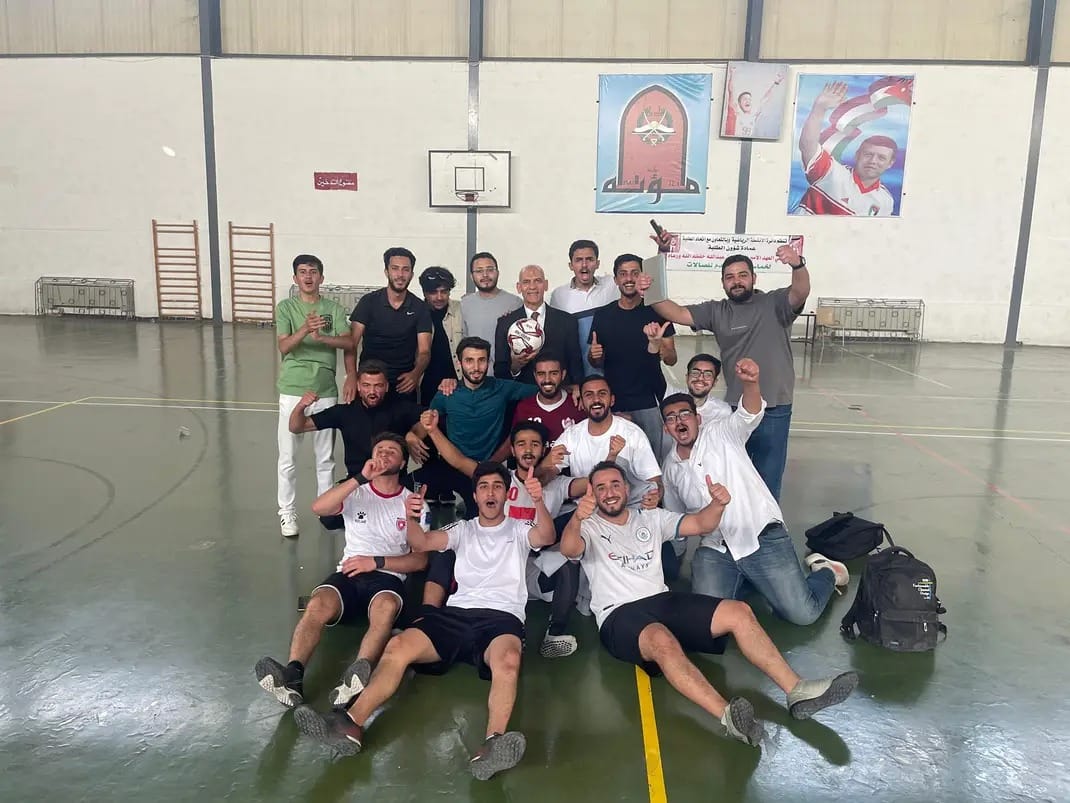
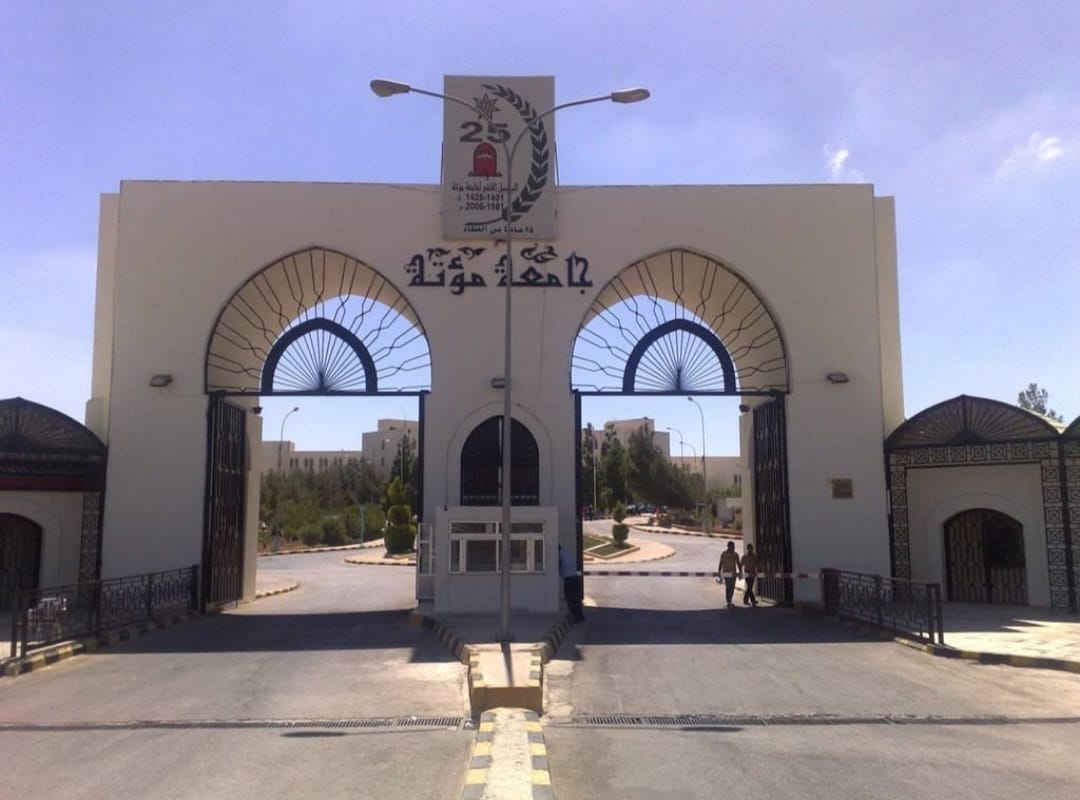
Facilities & Campus Life

Well-equipped Library

Experienced Faculty

Computer Lab

Sports Activities

Heritage Campus


Frequently Asked Questions
Why Consult With Us?
- 15+ years of experience in medical education counseling
- 5000+ students successfully guided
- 50+ partner universities worldwide
- Free initial consultation with no obligation