
Otoch Manramba Traditional Medical University

General Information
Otoch Manramba Traditional Medical University (OMTMU) is the first and most well-known private medical school in Mongolia that focuses on Traditional Mongolian Medicine (TMM). It was founded in 1991 by the respected Khamba Lama Dr. Prof. D. Natsagdorj. The university's name comes from "Otoch," the Medicine Buddha, and "Manramba," which is a title that used to mean "Doctorate in Medicine." It is a one-of-a-kind school where ancient Buddhist healing ideas meet modern medical sciences. This creates specialists who can use both systems together.
General Information
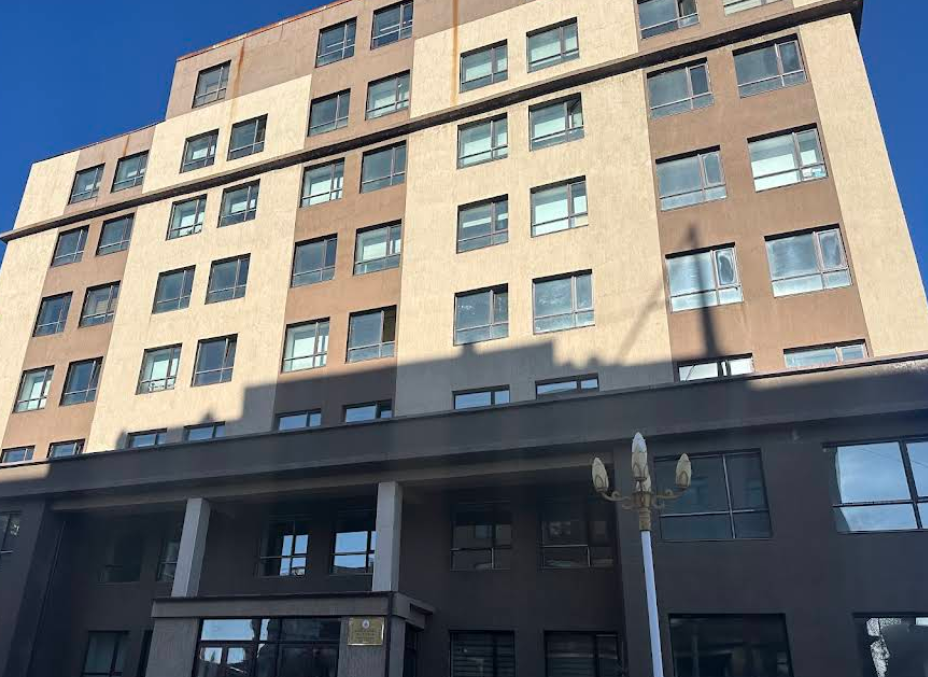
- The main place is Bayanzurkh District in Ulaanbaatar, Mongolia.
- Degree Earned: Bachelor of Traditional Medicine (Physician) – 6-year program.
- Language of Instruction: Mostly Mongolian (Traditional scripts and terms are used in academic materials and clinical practice).
- Accreditation: The Mongolian National Council for Education Accreditation (MNCEA) gives this school national accreditation.
- Acceptance:
- You need to have a high school diploma with good grades in biology and chemistry, and you must take an entrance exam.
- International students are accepted, but they usually have to spend a year learning the language first so they can understand Mongolian medical terms.
Campus Facilities
Manba Datsan is a larger complex that includes OMTMU. It is a place for religion, education, and health care.
- The "Manba Datsan" Monastery is a central spiritual place where students learn about the moral and philosophical parts of traditional medicine.
- The university has its own pharmaceutical factory that makes more than 110 kinds of traditional medicines using old recipes and modern safety standards.
- Specialized Labs: These labs have rooms for pharmacology, acupuncture training, and simulating pulse diagnosis.
- The academic library has rare sutras and manuscripts on Tibetan and Mongolian medicine as well as modern Western medical journals.
Hospital & Medical Facilities
Leading tertiary care hospital attached to the institution
The university is uniquely integrated with its own clinical centers, providing a seamless "classroom-to-clinic" experience.
- Manba Datsan Hospital: A specialized traditional medicine hospital where students complete their internships. It focuses on non-invasive therapies such as moxibustion, acupuncture, and herbal steam treatments.
- Integrative Approach: While the focus is traditional, students are trained in modern diagnostics (ultrasound, blood tests) to provide a holistic patient assessment.
- Research Focus: The university is a leader in researching the efficacy of Mongolian herbs in treating chronic lifestyle diseases and gastric conditions common in the region.
Fee Structure
State University Affordability
OMTMU is known for being affordable, particularly for the depth of specialized knowledge provided.
Scholarship
- Religious Endowments: Since the university is tied to the Manba Datsan Monastery, some students receive stipends or support through religious and community foundations.
- Merit Scholarships: Discounts are provided to students who demonstrate exceptional skill in traditional pulse diagnosis and herbal formulation.
- International Grants: Occasional funding is available through partnerships with international Traditional Medicine associations (e.g., from Japan or Korea).
City Details
- The Vibe: Located in the Bayanzurkh district of Ulaanbaatar, the university is situated in a bustling part of the capital, yet its monastery grounds provide a serene "academic oasis."
- Connectivity:
- Air: Chinggis Khaan International Airport (UBN) is about 45 minutes away.
- Transport: Well-connected by the city's bus network and private taxis.
Hostel & Mess
- Accommodation: The university provides hostel facilities that emphasize a disciplined and ethical lifestyle.
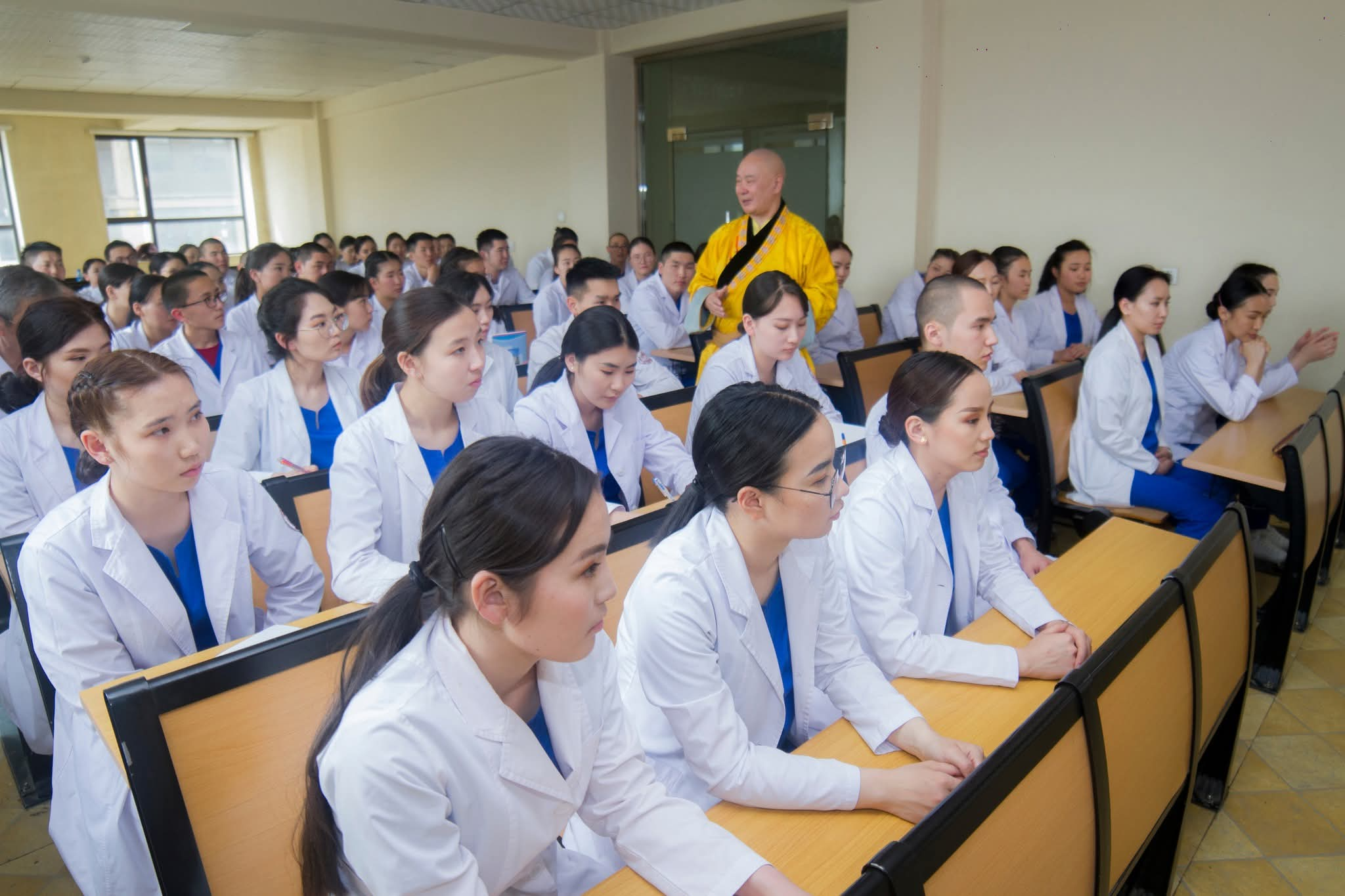
- Student Culture: Life at OMTMU is distinct due to its Buddhist roots. Students often participate in morning rituals and ethics seminars.
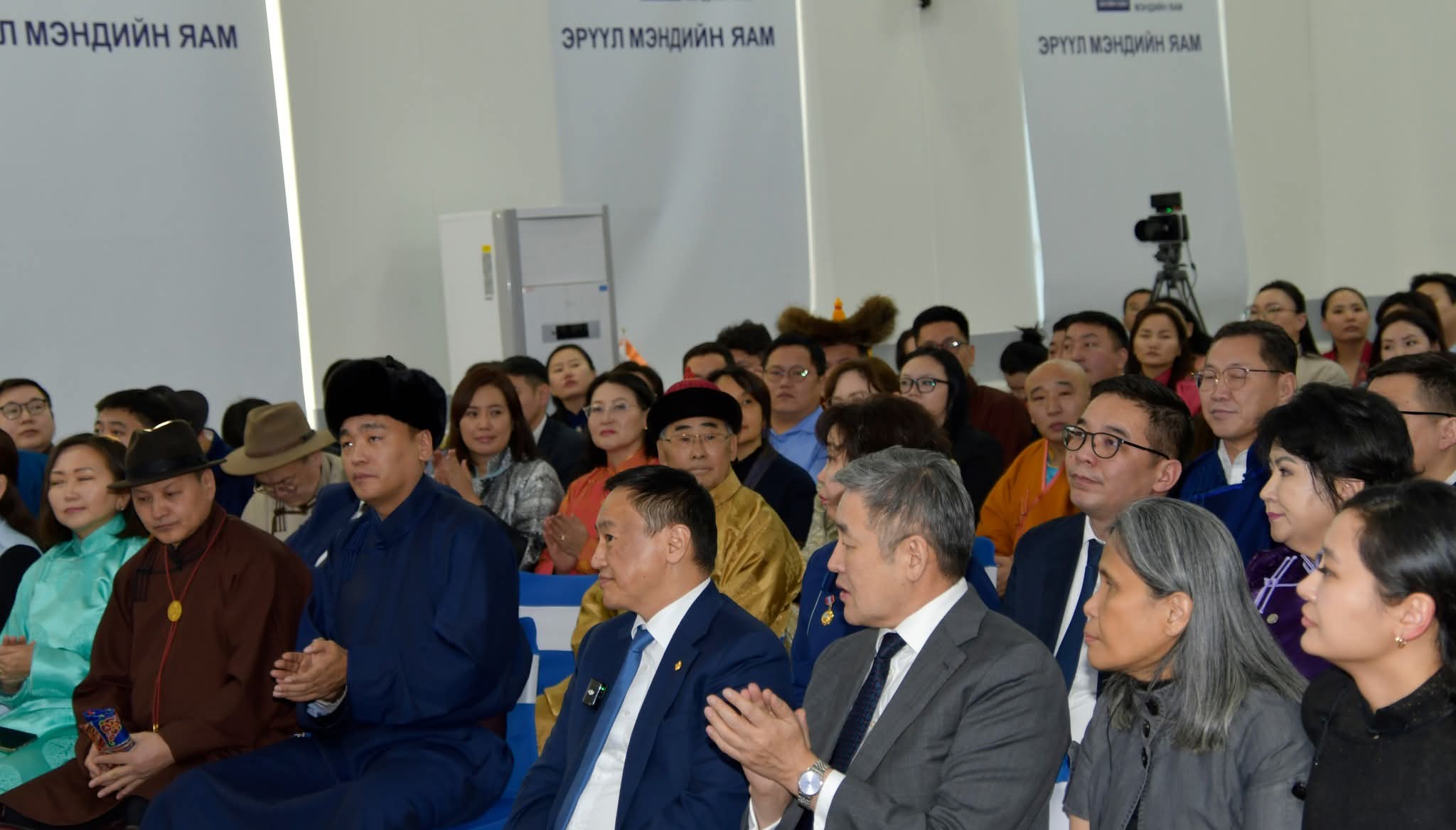
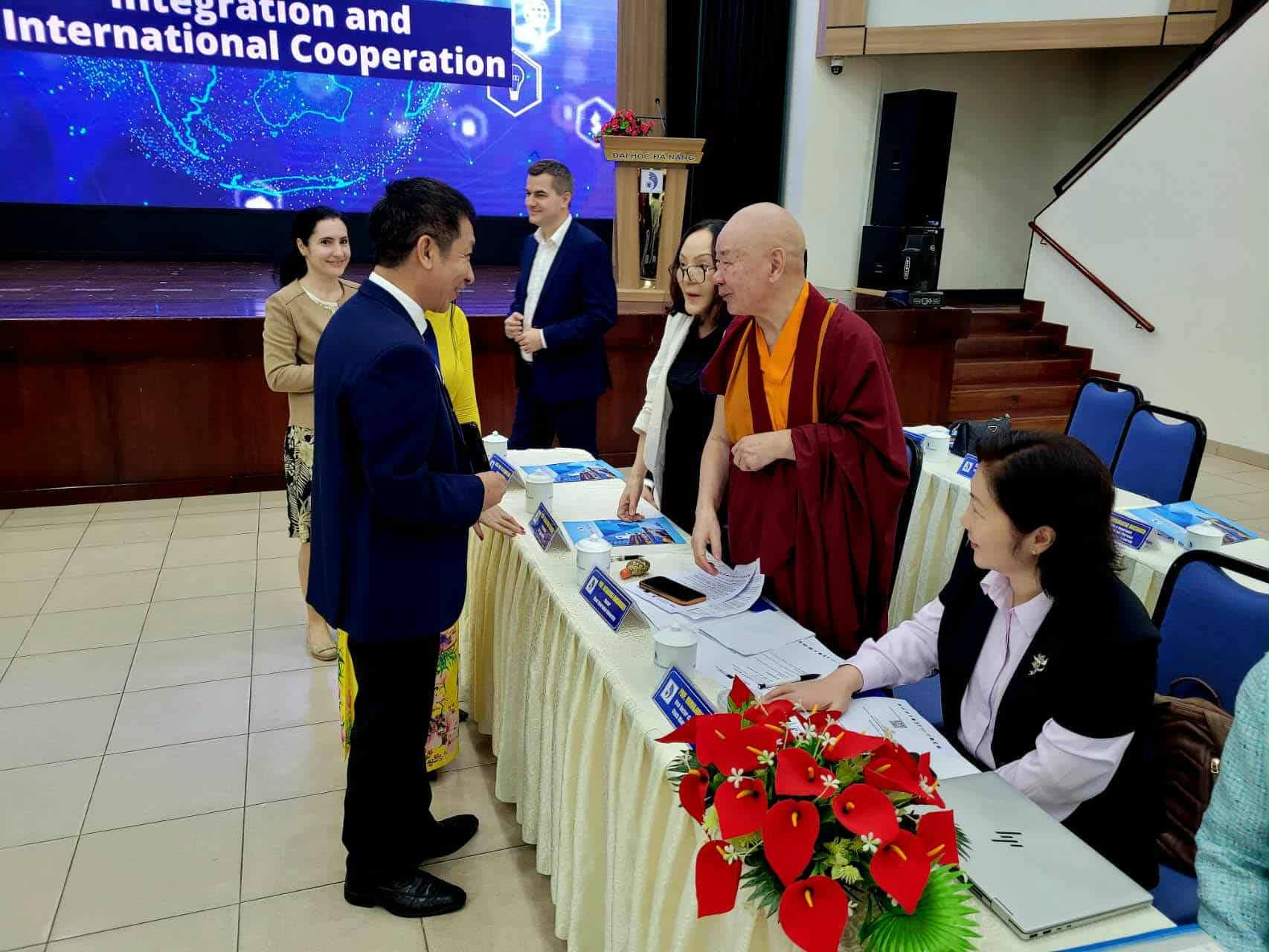
- International Interaction: The university regularly hosts international conferences, such as the "Traditional Medicine for Global Well-Being" summit, giving students exposure to global health experts.
- Cuisine: The campus canteen serves healthy Mongolian meals, often incorporating seasonal dietary principles found in traditional medical theory.
Miscellaneous
- Legacy: The founder, Khamba Lama Natsagdorj, is a highly respected figure who has been instrumental in restoring TMM after decades of Soviet-era suppression.
- Curriculum: The program covers 25% modern medicine and 75% traditional medicine, ensuring graduates can communicate effectively with the broader medical community.
Collage Images Gallery

Facilities & Campus Life

Well-equipped Library

Experienced Faculty

Computer Lab

Sports Activities

Heritage Campus


Frequently Asked Questions
Why Consult With Us?
- 15+ years of experience in medical education counseling
- 5000+ students successfully guided
- 50+ partner universities worldwide
- Free initial consultation with no obligation