

Otto-von-Guericke-Universität Magdeburg Medizinische Fakultät

General Information
The Medical Faculty of Magdeburg is a specialized health campus located south of the city center. Known for its strong research profile in Neuroscience and Immunology, the university integrates clinical practice with cutting-edge medical engineering. It is one of the youngest medical faculties in Germany (formed in 1993 from the former Medical Academy), offering a high-tech, compact campus experience where research institutes and the university hospital are all in one place.
General Info
- Established: 1954 (Medical Academy); 1993 (University integration).
- Primary Location: > Leipziger Straße 44, 39120 Magdeburg, Germany.
- Academic Model: Staatsexamen (German State Examination) for Human Medicine.
- Structure: A 6.3-year program (12 semesters + Practical Year).
- Pre-clinical Phase: Focuses on the molecular and physiological basis of the human body.
- Clinical Phase: Teaching is modular and case-oriented, emphasizing bedside training.
- Practical Year (PJ): The final year involves rotations at the University Hospital Magdeburg or partner clinics.
- Instruction: 100% German. C1 level proficiency is strictly required (DSH-3 or TestDaF with at least 19 points is highly recommended).
- Specialized Quota: Approximately 5% of seats are reserved for non-EU international applicants.
- Unique Programs: Offers an English-taught Master's in Medical Systems Engineering, perfect for those interested in the technical side of medicine.
- Admission: Highly restricted (Numerus Clausus). Selection is based on GPA and the TMS (Test for Medical Studies).
Campus Facilities
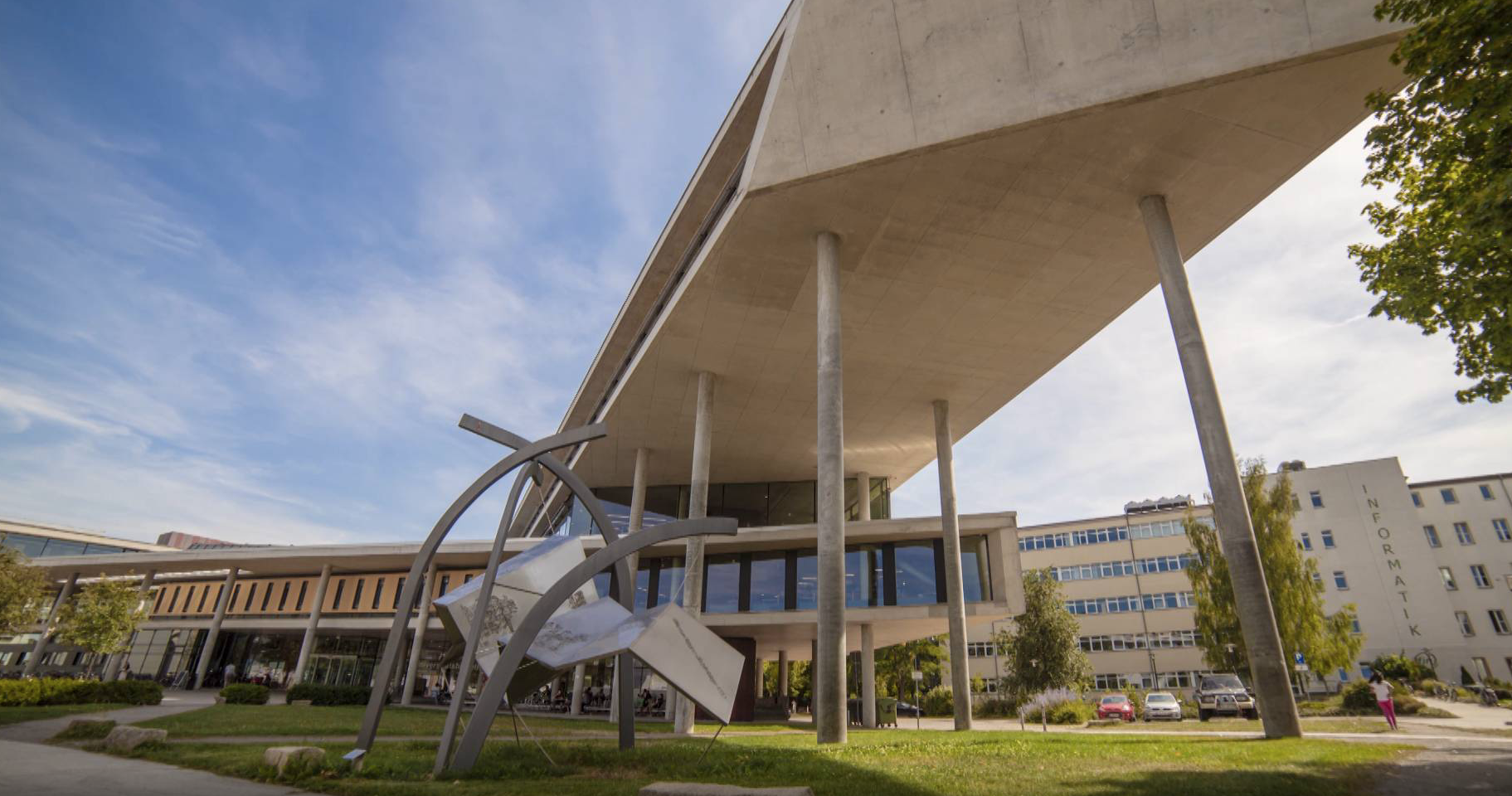
The Magdeburg Medical Campus is a "city within a city," featuring a high density of specialized research centers.
- STIMULATE Solution Centre: A world-renowned research campus focusing on image-guided minimally invasive methods, developed in partnership with Siemens Healthineers.
- LIN (Leibniz Institute for Neurobiology): Located directly on campus, this is one of the world's leading centers for learning and memory research.
- MAMBA (Magdeburg Advanced Medical Bioimaging Center): A high-end imaging core facility providing students and researchers with world-class microscopy and MRI tools.
- DZNE (German Center for Neurodegenerative Diseases): A partner site focused on the long-term study of diseases like Alzheimer's and Parkinson's.
- SkillsLab (MAMBA-Train): A dedicated center where students practice clinical skills, ultrasound, and emergency medicine on advanced simulators.
- Center for Dynamic Systems: Bridges the gap between medical biological data and engineering, focusing on the mathematical modeling of disease processes.
- Immunology Hub: Specialized laboratories focused on the molecular medicine of inflammation and immune system profiling.
- Digital Exam Center: One of the most modern in Germany, facilitating electronic state exams and modular testing.
- Central Medical Library (MZB): A dedicated medical library on campus with extensive digital access and quiet zones for focused study.
- IKUS (Intercultural Students): A robust international student association that organizes "Country Days" and cultural events specifically for the medical campus.
Hospital & Medical Facilities
Leading tertiary care hospital attached to the institution
The Universitätsklinikum Magdeburg (UMMD) is the largest medical center in northern Saxony-Anhalt:
- Capacity: Roughly 1,100 beds across more than 20 specialized clinics.
- Clinical Volume: Treats approximately 45,000 inpatients and over 200,000 outpatients annually.
- Specialization: A leading center for Robotic Surgery, Neuro-surgery, and Translational Oncology.
- Regional Role: Acts as a maximum-care provider, especially for complex cases in oncology and rare neurological disorders.
Fee Structure
State University Affordability
Magdeburg is a public university in Saxony-Anhalt. While there are no tuition fees for the medical degree, a semester contribution is mandatory.
Scholarship
- Otto von Guericke Scholarship: A prestigious annual award of 6,000 € (500 €/month) specifically for international students with high grades and social commitment.
- Deutschlandstipendium: 300 €/month based on academic merit and personal background.
- STIBET Grants: Short-term financial support for international students in their final phase of studies (graduation grants).
- Research Grants: Available through the LIN or DZNE for medical students pursuing a Dr. med. in neurosciences.
City Details
- The Vibe: Magdeburg is a "Green City" on the Elbe. It’s one of the oldest cities in Germany, known for its Gothic Cathedral and the colorful "Green Citadel" (Hundertwasser house). It offers a relaxed, unpretentious lifestyle.
- Connectivity:
- Tram Line 6 & 9: Connect the medical campus (Stop: Universitätsklinikum) to the city center and main train station in 10-15 minutes.
- Biking: The city is flat and very bicycle-friendly, with many paths running along the river.
- Safety: Generally safe; it is a student-friendly city with a compact center.
Hostel & Mess
- Accommodation: Managed by Studentenwerk Magdeburg.
- Student Dorms: Very affordable. Rent ranges from 250 € to 450 €/month. Wohnheim 7 is located near the medical campus.
- Private Housing: A room in a shared flat (WG) typically costs 300 € – 500 €/month. Availability is higher than in West German cities.
- Dining: The Mensa Medicus is located directly on the medical campus, offering subsidized, high-quality meals for students (approx. 3.50 € – 6.50 €).
Miscellaneous
- APS Certificate: Mandatory for students from India, China, and Vietnam.
- Uni-assist: Non-EU applicants must obtain a VPD (Preliminary Review) before applying to the university.
- Deadline: July 15 for the Winter Semester (the only intake for medicine).
Collage Images Gallery
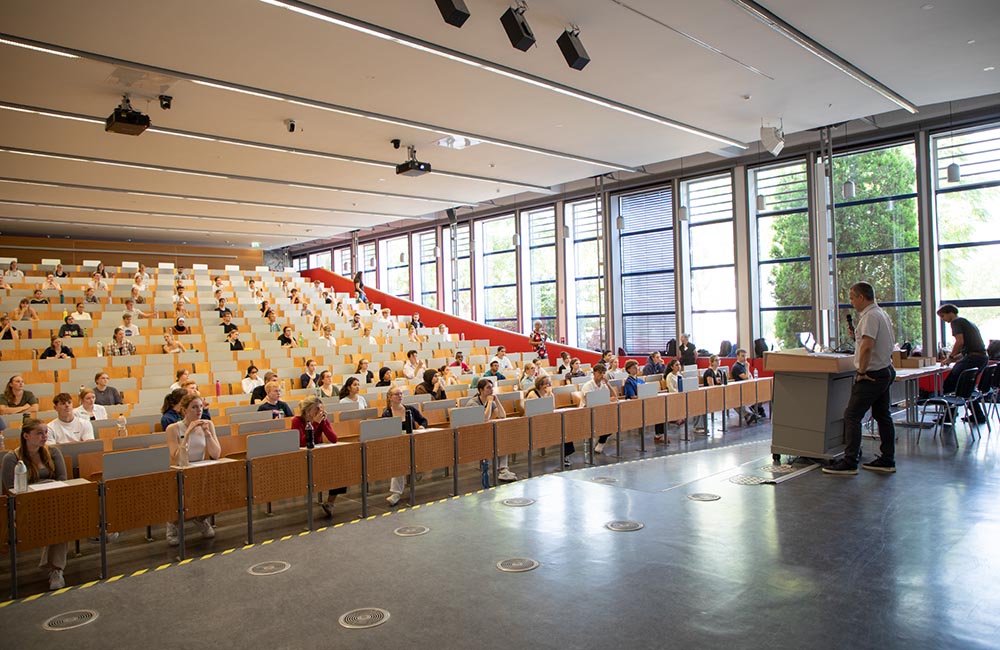
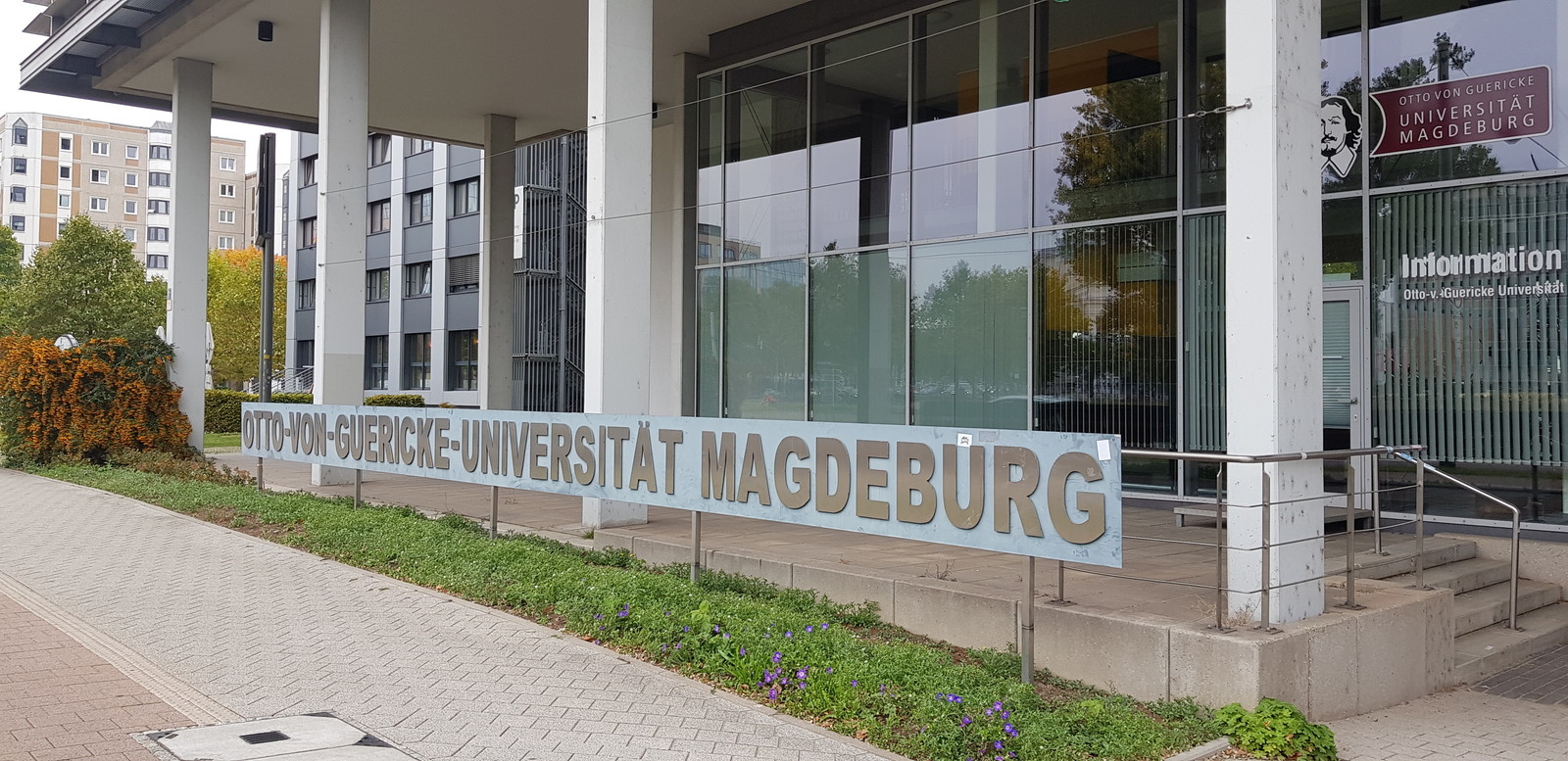
Facilities & Campus Life

Well-equipped Library

Experienced Faculty

Computer Lab

Sports Activities

Heritage Campus


Frequently Asked Questions
Why Consult With Us?
- 15+ years of experience in medical education counseling
- 5000+ students successfully guided
- 50+ partner universities worldwide
- Free initial consultation with no obligation