
Qazvin University of Medical Sciences Shahid Babaei Faculty of Medicine

General Information
Established in 1984 through community initiative and formalised as a university in 1991, Qazvin University of Medical Sciences (QUMS) is a premier public institution located in the historic city of Qazvin. The Faculty of Medicine is named in honour of the celebrated Iranian pilot Abbas Babaei. Recognized by the WHO, ECFMG, and the Iranian Ministry of Health, QUMS is a key academic and healthcare provider for the Qazvin province. It is particularly distinguished for its research in metabolic diseases and its state-of-the-art teaching hospitals, offering international students a comprehensive, English-medium MD program in a city renowned for its Persian calligraphy and historic caravanserais.
General Info
- Established: 1984 (School of Medicine); 1991 (University status).
- Primary Location: > Shahid Bahonar Boulevard, Qazvin, Qazvin Province, Iran.
- Academic Model: Doctor of Medicine (MD).
- Structure: A 7-year program following the national integrated curriculum:
- Pre-clinical (2.5 Years): Foundations in Basic Medical Sciences (Anatomy, Biochemistry, Physiology).
- Physiopathology (1 Year): Focus on disease mechanisms and clinical logic.
- Clerkship (2 Years): Supervised rotations in clinical specialties.
- Internship (1.5 Years): Final immersive phase as a student-physician.
- Instruction: English for international students. Mandatory Persian (Farsi) language modules are required to ensure students can communicate effectively with patients during clinical rotations.
- Research Focus: National leader in Metabolic Diseases, Cellular and Molecular Research, and Social Determinants of Health.
- Admission: Open to international students with a high school diploma (PCB aggregate >50-60%). NEET qualification is mandatory for Indian applicants.
Campus Facilities
The QUMS campus features advanced research centers and modern learning facilities tailored for medical training.
- Metabolic Diseases Research Center: A flagship unit focusing on diabetes, obesity, and endocrine disorders.
- Cellular and Molecular Research Center: Conducts high-impact research in genetics, reproductive biology, and molecular medicine.
- Social Determinants of Health (SDH) Research Center: Investigates the impact of social factors on regional and national health outcomes.
- Clinical Skills Center (CSC): A state-of-the-art simulation lab for practicing emergency medicine, surgery, and diagnostic procedures.
- Medical Microbiology Research Center: Focuses on infectious diseases, antimicrobial resistance, and regional epidemiology.
- Anatomy & Dissection Hall: Features modern facilities for human morphological study, supported by histology and digital imaging labs.
- Central Medical Library: Extensive collections of English medical journals and textbooks with 24/7 digital access to global databases.
- IT & Virtual Learning Hub: Supports hybrid learning models and provides 24/7 high-speed connectivity for the student body.
- QUMS Sports Complex: Includes indoor gyms, basketball courts, and swimming facilities for student physical well-being.
- Student Research Committee (SRC): Highly active in facilitating student-led clinical studies and national scientific congresses.
Hospital & Medical Facilities
Leading tertiary care hospital attached to the institution
QUMS manages a robust network of specialized teaching hospitals in Qazvin, providing vast clinical exposure:
- Velayat Hospital: A modern 250-bed teaching medical center and the primary site for specialty and sub-specialty clinical rotations.
- Shahid Rajaee Hospital: A high-volume facility specializing in trauma, orthopedics, and emergency medicine.
- Bou-Ali Sina Hospital: A major clinical site for internal medicine, infectious diseases, and psychiatry.
- Kowsar Hospital: A dedicated center for training in Obstetrics, Gynecology, and Neonatology.
- Qods Children’s Hospital: The primary pediatric teaching site for the university.
Fee Structure
State University Affordability
QUMS offers high-standard public medical education at competitive rates.
Scholarship
- Merit-Based Scholarship: International students with high academic performance (GPA >17/20) can qualify for tuition waivers of 10% to 20%.
- Research Assistantships: Small stipends may be available for students contributing to major research center projects.
- Early Bird Support: Occasional discounts are offered for full upfront tuition payments.
City Details
- The Vibe: Qazvin is a historic city famous for its Persian architecture, traditional bazaars, and as the former capital of the Safavid Empire. It has a mild climate with distinct seasons.
- Connectivity:
- Road/Rail: Strategically located just 150 km west of Tehran, with excellent highway and train connections.
- Air: Served primarily via Tehran Imam Khomeini International Airport (IKA), located about 1.5 to 2 hours away.
- Safety: Very high; the city is peaceful, student-friendly, and maintains 24/7 security on university premises.
Hostel & Mess
- Accommodation: The university provides secure, furnished hostels for international students with amenities like Wi-Fi, laundry facilities, and common study areas.
- Dining: Subsidized meals (Persian and international styles) are available at the University Dining Hall.
- Vibe: Historic and scholarly. Qazvin is a safe, mid-sized city with a rich cultural heritage, offering a calm environment that is highly conducive to medical studies.
Miscellaneous
- Intakes: September (Main Intake) and February.
- Documents: Requires high school transcripts (PCB aggregate), NEET scorecard (for Indians), Passport, and a Medical Fitness Certificate.
- Application Step: Students apply via the QUMS International Admissions portal. After a document review, a virtual interview is usually conducted to evaluate scientific aptitude and English language proficiency.
Collage Images Gallery
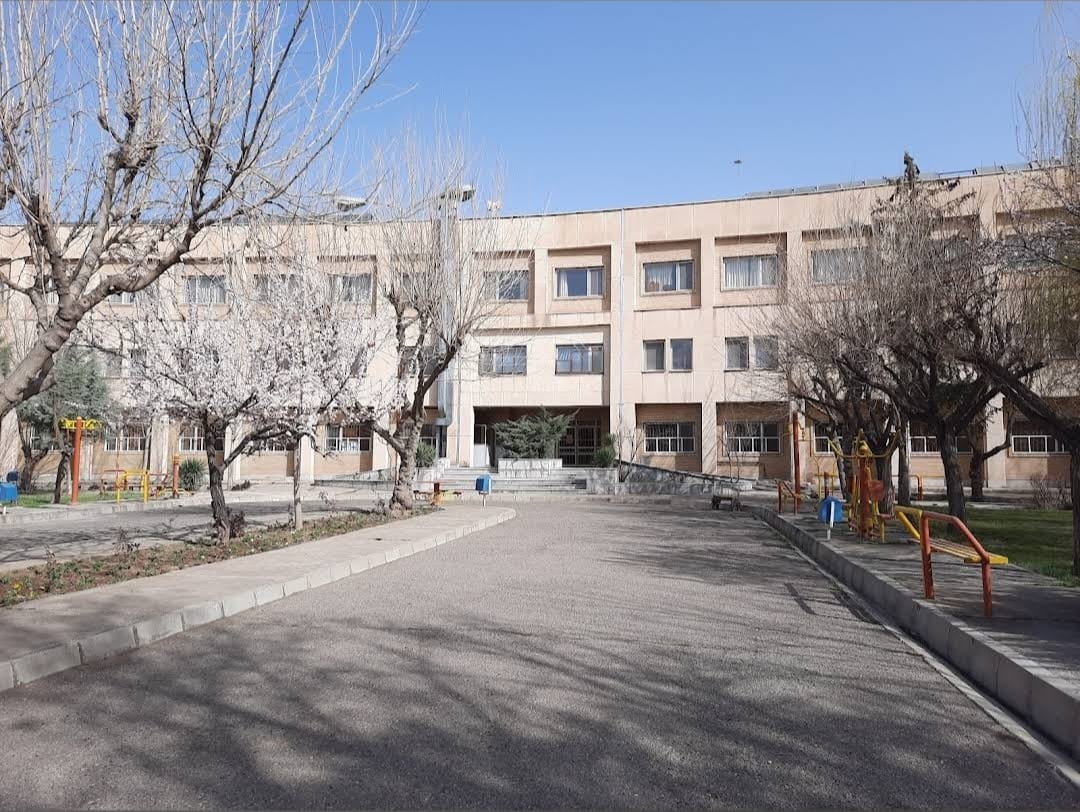
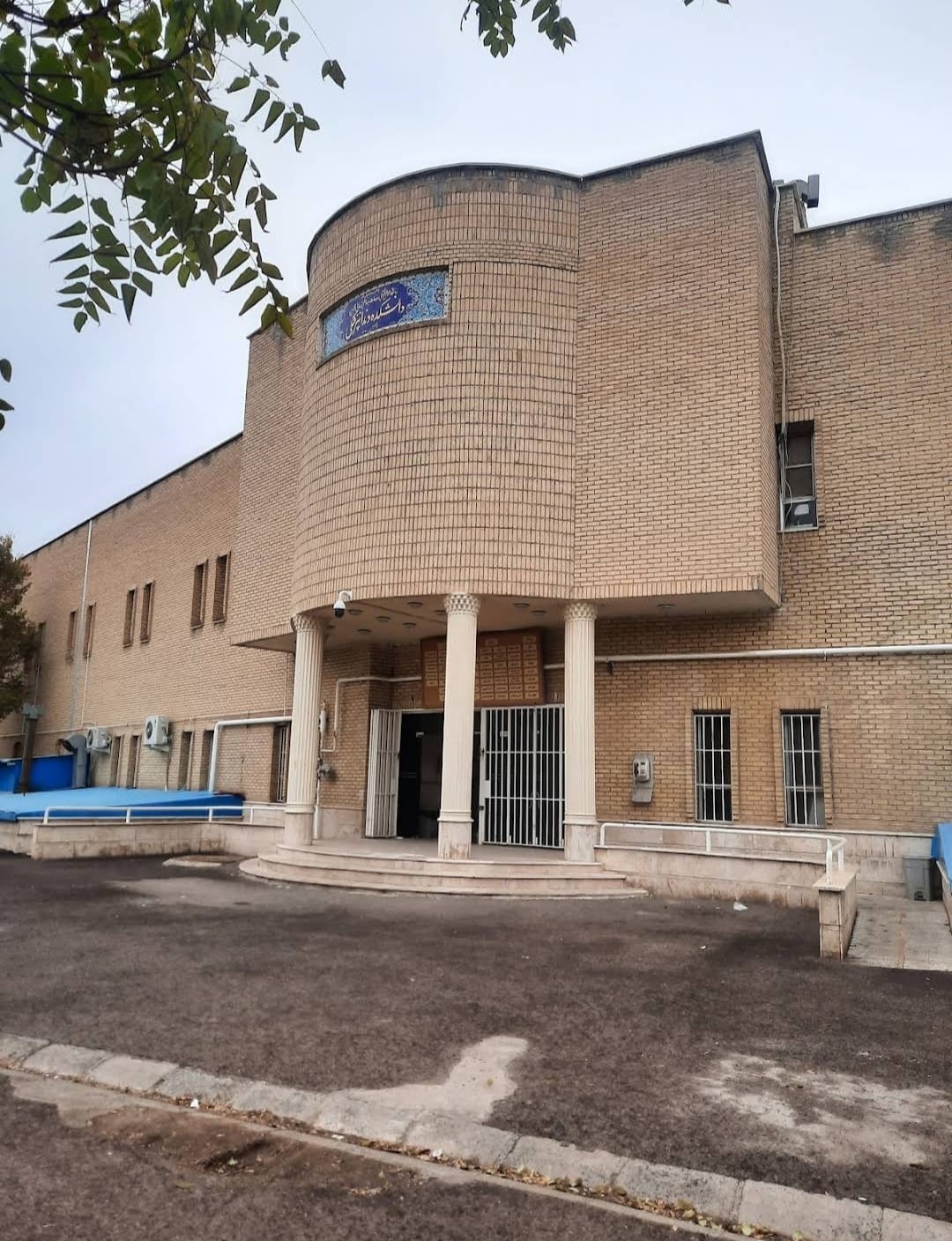
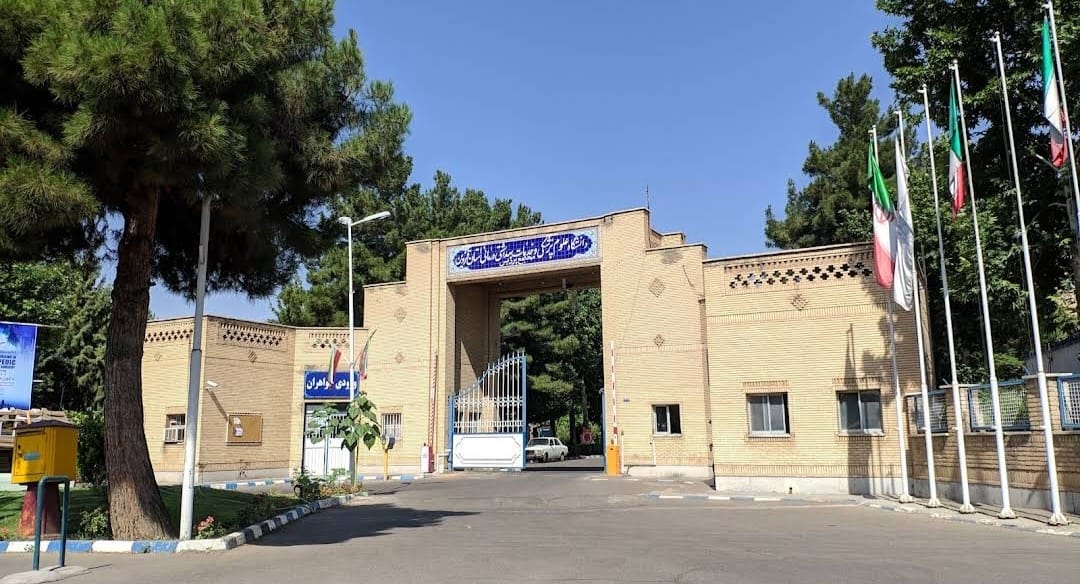
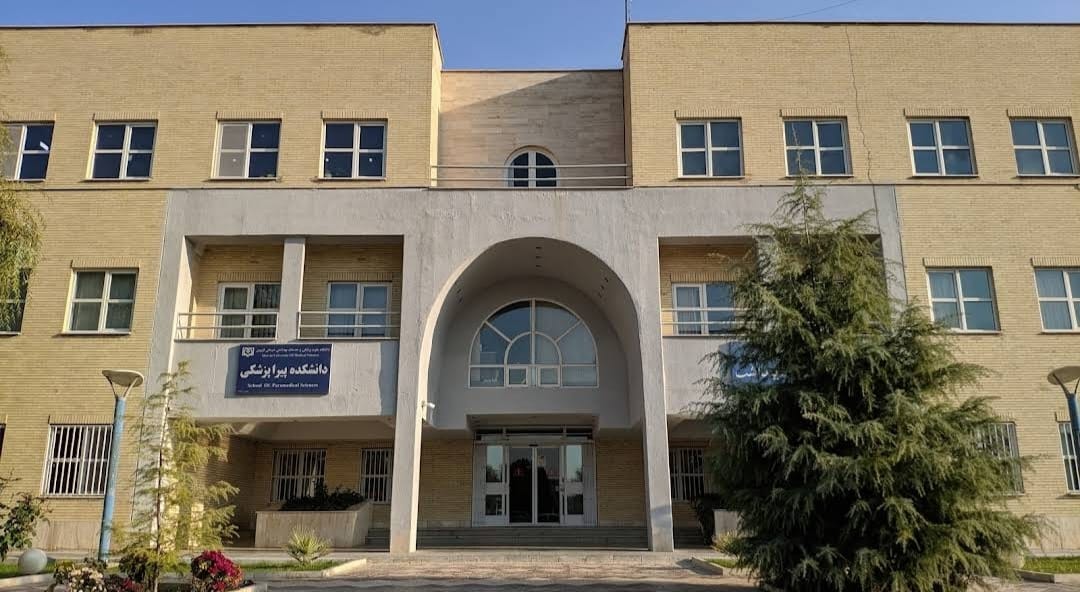
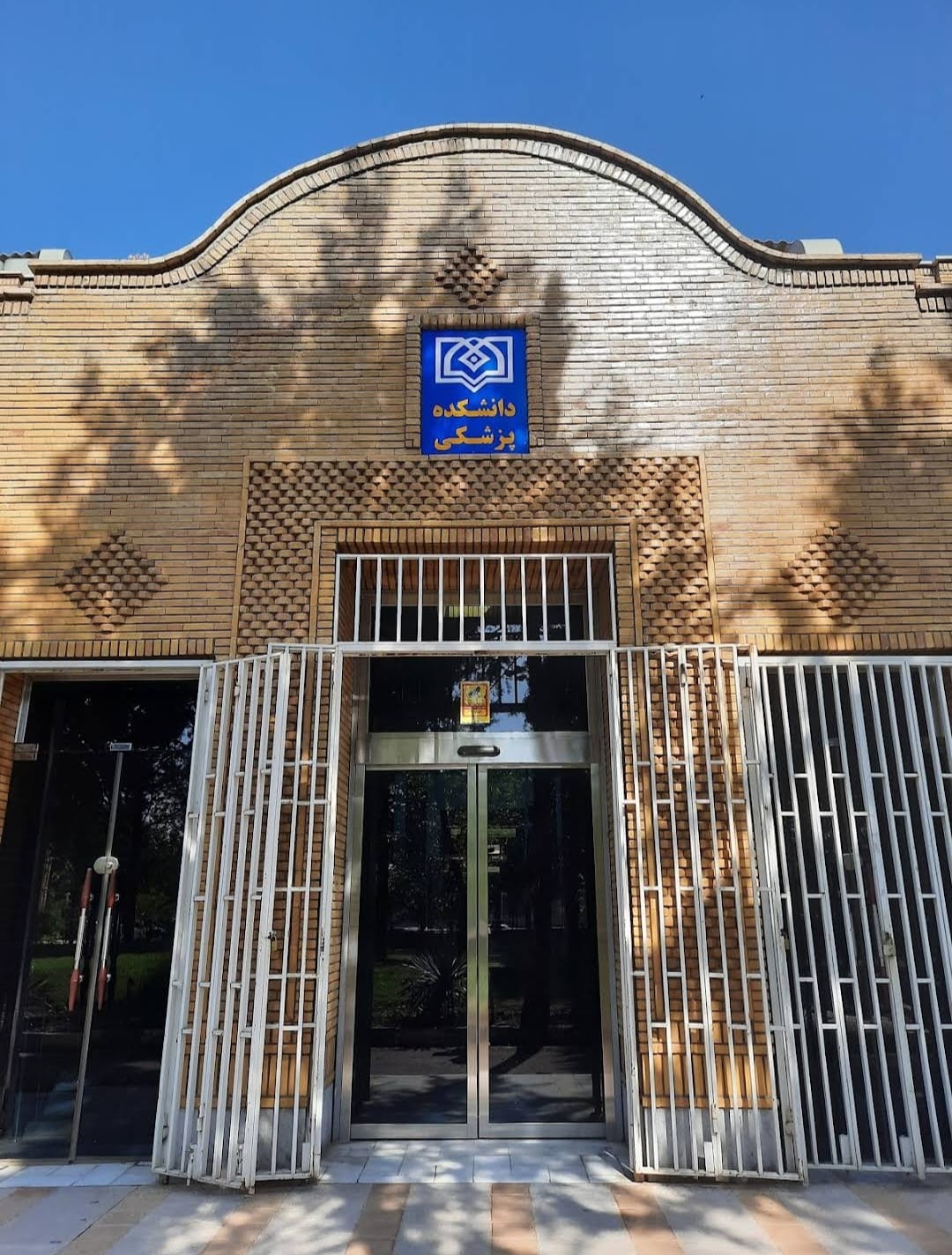
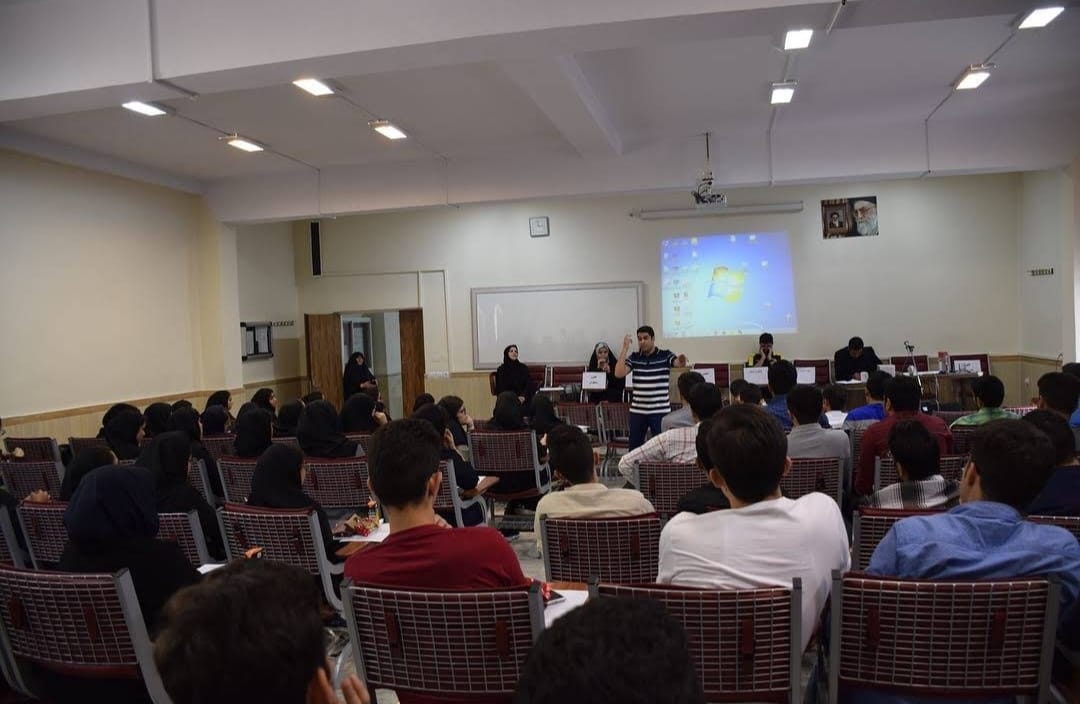
Facilities & Campus Life

Well-equipped Library

Experienced Faculty

Computer Lab

Sports Activities

Heritage Campus


Frequently Asked Questions
Why Consult With Us?
- 15+ years of experience in medical education counseling
- 5000+ students successfully guided
- 50+ partner universities worldwide
- Free initial consultation with no obligation