

Queen's University Faculty of Health Sciences

General Information
The Queen’s University Faculty of Health Sciences in Kingston, Ontario, is a leader in competency-based medical education. Its School of Medicine is highly regarded for its small class sizes, high residency match rates, and integrated clinical training within the Southeastern Ontario region.
General Info
Established: 1854.
Location: 15 Arch Street, Kingston, Ontario, K7L 3N6.
Degree Conferred: Doctor of Medicine (MD).
Duration: 4 Years (Postgraduate entry).
Language of Instruction: English.
Accreditation: Fully accredited by CACMS (Canada) and LCME (USA).
International Eligibility: The MD program is primarily for Canadian citizens and Permanent Residents. International students are rarely admitted to the MD, but are welcome in the Faculty's various Graduate and Health Sciences programs.
Campus Facilities
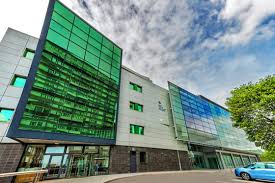
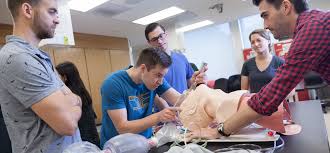
Kingston Campus: The School of Medicine Building is a state-of-the-art facility featuring a teaching clinic, surgical skills labs, and high-fidelity simulation centers.
Competency-Based Medical Education (CBME): Queen’s was a pioneer in adopting CBME for both undergraduate and postgraduate training, focusing on achieving specific "Entrustable Professional Activities" (EPAs).
Curriculum Phases:
Years 1–2 (Pre-clerkship): Foundations in biomedical science, integrated with "Physician Roles" and clinical skills.
Years 3–4 (Clerkship): Clinical engagement through block-based rotations or longitudinal integrated experiences.
Bracken Health Sciences Library: Located in Botterell Hall, it provides 24/7 digital access and specialized support for health sciences research.
Hospital & Medical Facilities
Leading tertiary care hospital attached to the institution
Queen’s is affiliated with the Kingston Health Sciences Centre (KHSC), which serves a population of over 500,000 in Southeastern Ontario.
Kingston General Hospital (KGH): A major tertiary research and teaching hospital; home to the regional trauma, cancer, and cardiac centers.
Hotel Dieu Hospital: Focuses on ambulatory (outpatient) care and specialized clinics.
Providence Care Hospital: Leading site for rehabilitative care, mental health, and complex care.
Regional Rotations: A significant portion of the clerkship (Year 3/4) occurs in regional partner sites such as Belleville, Brockville, and Perth, offering a broad range of community medicine experience.
Fee Structure
State University Affordability
Tuition fees at Queen’s are set annually and are among the standard range for Ontario medical schools.
Annual Tuition (Domestic): Approximately $25,276 CAD per year (including ancillary fees).
First-Year Ancillary Fees: Approx. $1,763 CAD (includes transit pass and student services).
Application Fee (OMSAS): Approx. $220 CAD (base fee) plus Queen’s-specific institutional fee.
Health Sciences (Undergraduate/Masters): Fees range from $7,600 – $13,600 CAD for domestic students depending on the specific program.
City Details
Vibe: Known as the "Limestone City," Kingston is a historic, mid-sized city on the shore of Lake Ontario. It offers a very high quality of life and a distinct "university town" atmosphere.
Transport: Kingston Transit is efficient and accessible; medical students receive a bus pass as part of their ancillary fees.
Climate: Humid continental. Cold, snowy winters and pleasant, lake-tempered summers.
Safety: Very high. Kingston is consistently ranked as one of the safest and most walkable cities in Canada.
Hostel & Mess
Graduate & Professional Housing: Many medical students live off-campus in the "Student Ghetto" or the Sydenham Ward, which are within walking distance of the hospitals.
Rent: Shared housing ranges from $800 – $1,300 CAD per month.
On-Campus Residence: While primarily for undergraduates, professional students can apply for university-owned apartments like An Clachan or John Orr Tower.
Cost: Approx. $12,709 – $19,494 CAD for the academic year (if including a meal plan).
Dining: Medical students typically self-cater.
Food Budget: Self-catering students spend approx. $400 – $600 CAD per month. The campus offers "Flex Dollars" for use at on-site cafeterias.
Miscellaneous
Academic Requirements: Minimum 3 years of full-time undergraduate study.
Minimum GPA: 3.0/4.0 on the OMSAS scale (Competitive GPA is typically 3.85+).
Standardized Tests:
MCAT: Mandatory. Scores are used as a threshold and competitively. A minimum of 125 in each section is generally required for consideration.
CASPer Test: Mandatory online situational judgment test.
Autobiographical Sketch (ABS): Evaluation of employment, volunteerism, and extracurriculars from age 16 onward.
Interview: Selection is based on academic and non-academic scores. Queen's uses a Multiple Mini Interview (MMI) format followed by a panel interview for top candidates.
Collage Images Gallery
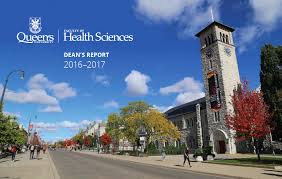
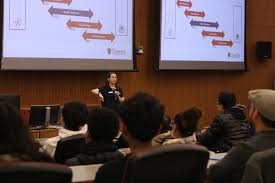
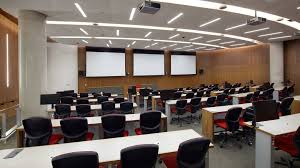
Facilities & Campus Life

Well-equipped Library

Experienced Faculty

Computer Lab

Sports Activities

Heritage Campus


Frequently Asked Questions
Why Consult With Us?
- 15+ years of experience in medical education counseling
- 5000+ students successfully guided
- 50+ partner universities worldwide
- Free initial consultation with no obligation