
Radboud Universiteit Nijmegen Faculteit der Medische Wetenschappen

General Information
Founded in 1951, the Faculty of Medical Sciences at Radboud University is uniquely integrated with the Radboud university medical center (Radboudumc) in Nijmegen. It is recognized as one of the most innovative medical centers in the Netherlands, frequently ranking as a "Top Rated Programme" in the Dutch Keuzegids. The faculty is famous for its "Radboudumc way of working," which emphasizes person-centered care, sustainability, and the early integration of research and clinical practice.
General Info
- Geert Grooteplein Zuid 10, Nijmegen, Netherlands (Campus Heyendaal) is the main address.
- You will get a B.Sc. in Medicine (3 years) and an M.Sc. in Medicine (3 years). Six years in total.
- Language of Instruction: The Bachelor's in Medicine is taught in Dutch. But many Research Master's programs and the Bachelor's in Biomedical Sciences are offered in English.
- Accreditation: The NVAO is accredited and recognized by the WHO and the Foundation for Advancement of International Medical Education and Research (FAIMER).
- Acceptance:
- Numerus Fixus: Admission is very selective, with a set number of spots (about 330 students each year).
- Selection Process: A decentralized method of choosing people that includes online tests of cognitive skills, biomedical knowledge, and situational judgment.
- Deadline: Applications for the Numerus Fixus program must be sent in through Studielink by January 15.
Campus Facilities
The Radboudumc campus is a "medical city" where people learn and get high-stakes medical care in the same hallways.
- The Radboudumc Main Building is a modern, eco-friendly building that follows the "healing environment" philosophy. It has open spaces and high-tech outpatient clinics.
- Experience Center: A special place for learning and new ideas, with high-fidelity simulation labs and areas for practicing clinical skills.
- Radboudumc Technology Centers (RTCs): You can use 19 state-of-the-art core facilities, such as Genomics, Proteomics, and Advanced Imaging (high-field MRI).
- Digital Campus: Offers students AI-powered learning tools and a reliable 24/7 infrastructure for sharing data and doing research.
- The Radboudumc Research Institute has 18 research themes that students can work on together, from molecular levels to population health.
- The Clinical Simulation Lab has simulated ERs and ORs where students can practice with advanced robotic patients while being watched.
- Green Campus: One of the most eco-friendly hospital sites in Western Europe, encouraging students and staff to live in a way that is good for the environment.
- Joint Campus Environment: Radboud University shares this space with other universities. It gives medical students access to the central Sports Center, Arts Center, and interdisciplinary courses.
- Honours Academy has a special Medical Sciences Honours Program for the best students. This program includes research internships with international partners.
- The Radboudumc Medical Library is a high-tech resource center in the middle of the medical campus that has a lot of digital journal subscriptions.
Hospital & Medical Facilities
Leading tertiary care hospital attached to the institution
Radboudumc is a tertiary referral hospital specializing in complex clinical care and rare diseases.
- Massive Patient Volume: Handles over 215,000 annual patients, providing an immense range of clinical exposure for students across all specialties.
- Level 1 Trauma Center: Acts as the primary emergency hub for the eastern Netherlands, managing the most critical trauma cases.
- Amalia Children's Hospital: A specialized pediatric wing integrated within Radboudumc, focused on family-centered care and pediatric research.
- Pioneer in AI & Data: A leader in using Big Data and Artificial Intelligence to personalize patient treatments and improve diagnostic accuracy.
Fee Structure
State University Affordability
The following estimates are for the academic year.
City Details
- The Vibe: A cozy, lively city known for its "Waalkade" (riverside) bars and the annual "Four Days Marches." It is generally more affordable than Amsterdam.
- Connectivity:
- Train: Directly connected to Schiphol Airport (approx. 90 mins) and major Dutch cities.
- Bike: The city is a recognized "Cycling City" with world-class dedicated bike lanes connecting the campus to the city center.
Hostel & Mess
- Accommodation: Provided via SSH& (Student Housing Organization) or Guesthouse Nijmegen. Medical students often live in the Heyendaal neighborhood to be within walking distance of the hospital.
- Dining: The campus features a central Food Court and hospital cafeterias offering healthy, subsidized meals. There is no mandatory meal plan; most students cook in shared kitchens.
- Student Association (M.S.V.N.): The Medical Student Association Nijmegen organizes "The White Coat Ceremony," international study trips, and the annual medical gala.
- Vibe: Nijmegen is the oldest city in the Netherlands, offering a blend of Roman history and a vibrant, green student atmosphere.
Miscellaneous
- English Tracks: While Medicine is Dutch-taught, the M.Sc. Biomedical Sciences and Molecular Mechanisms of Disease programs are 100% in English.
- Research Focus: Radboudumc is home to the Donders Center for Medical Neuroscience and the Radboud Institute for Health Sciences.
Collage Images Gallery
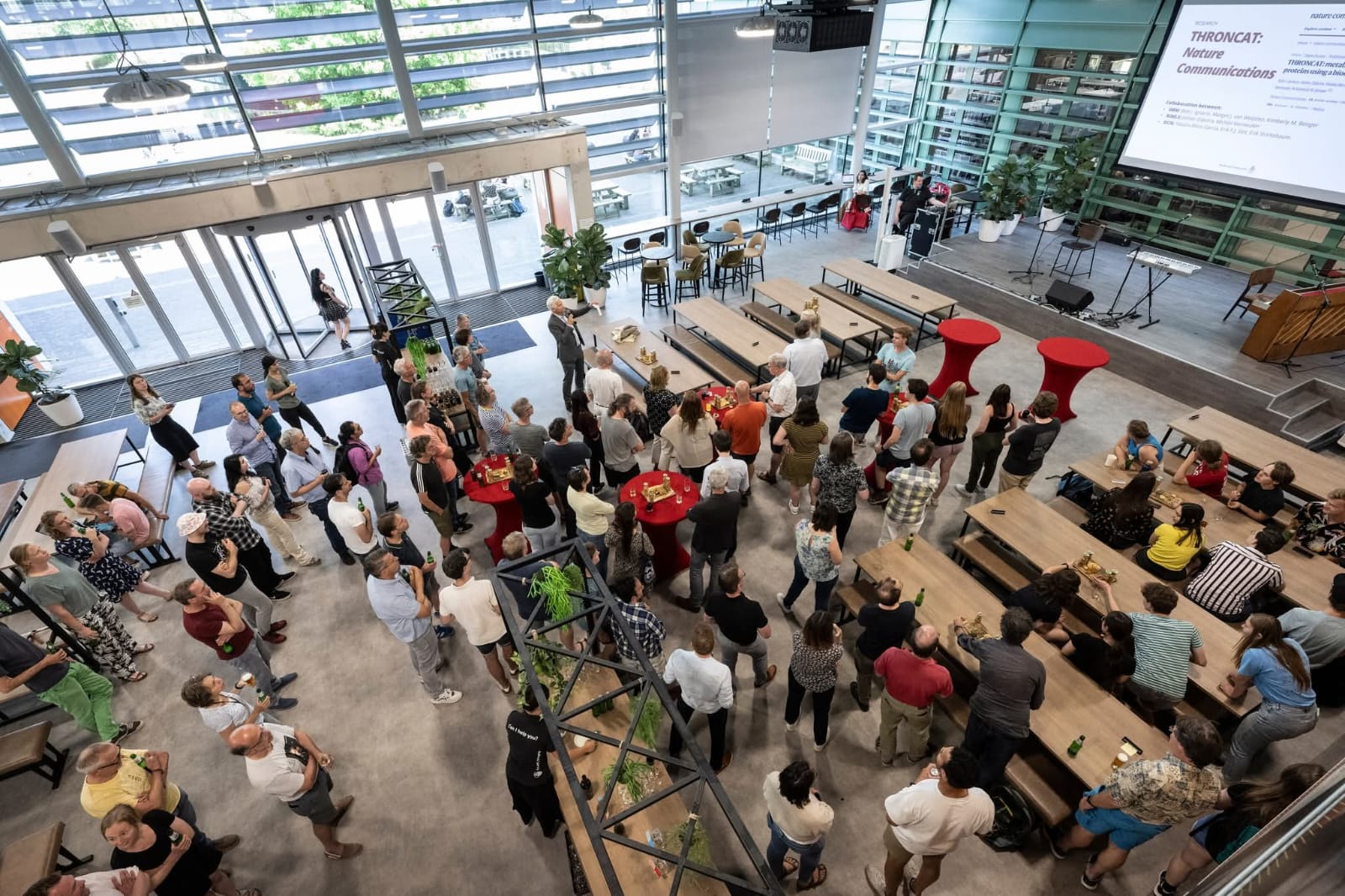
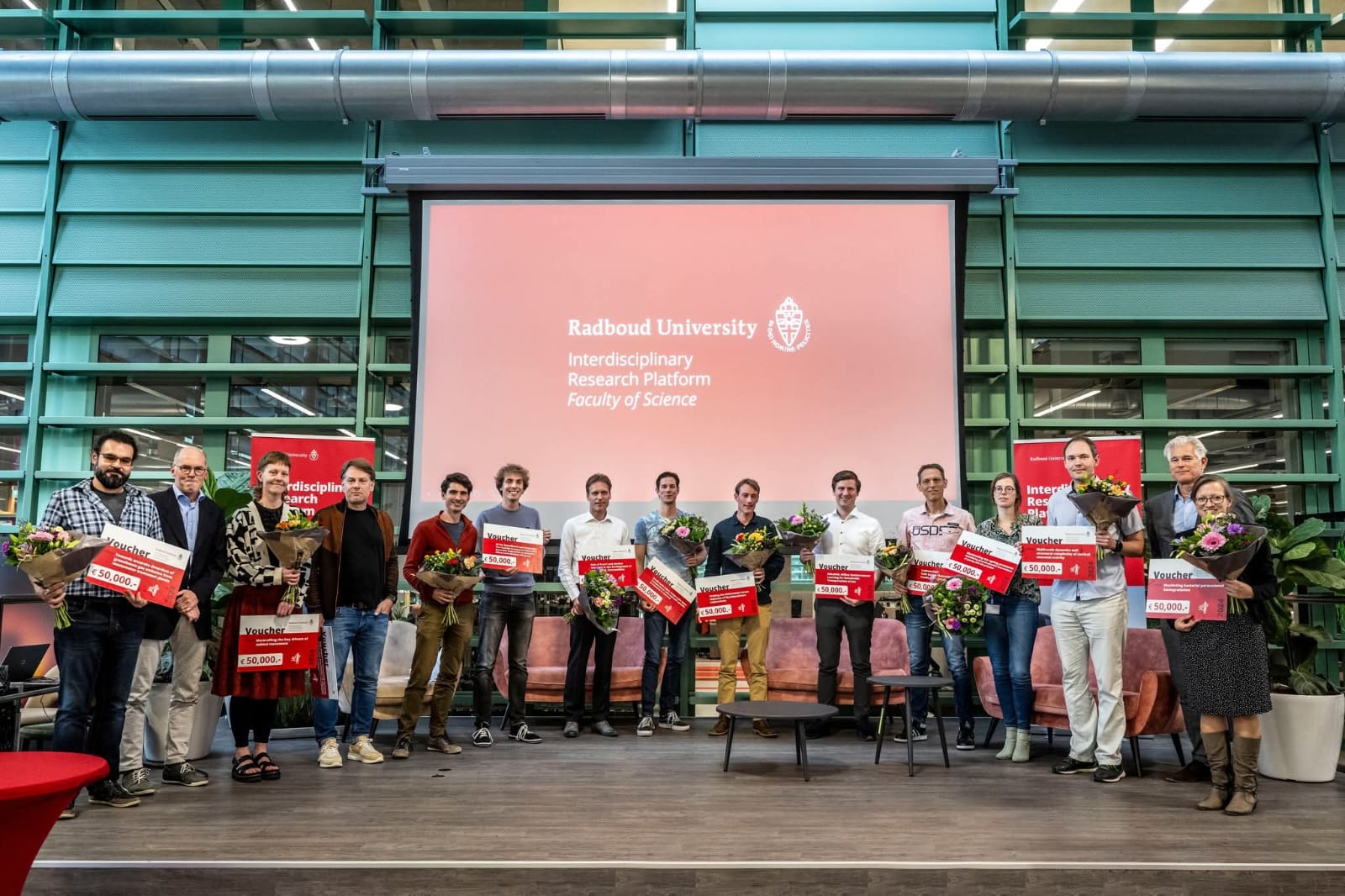
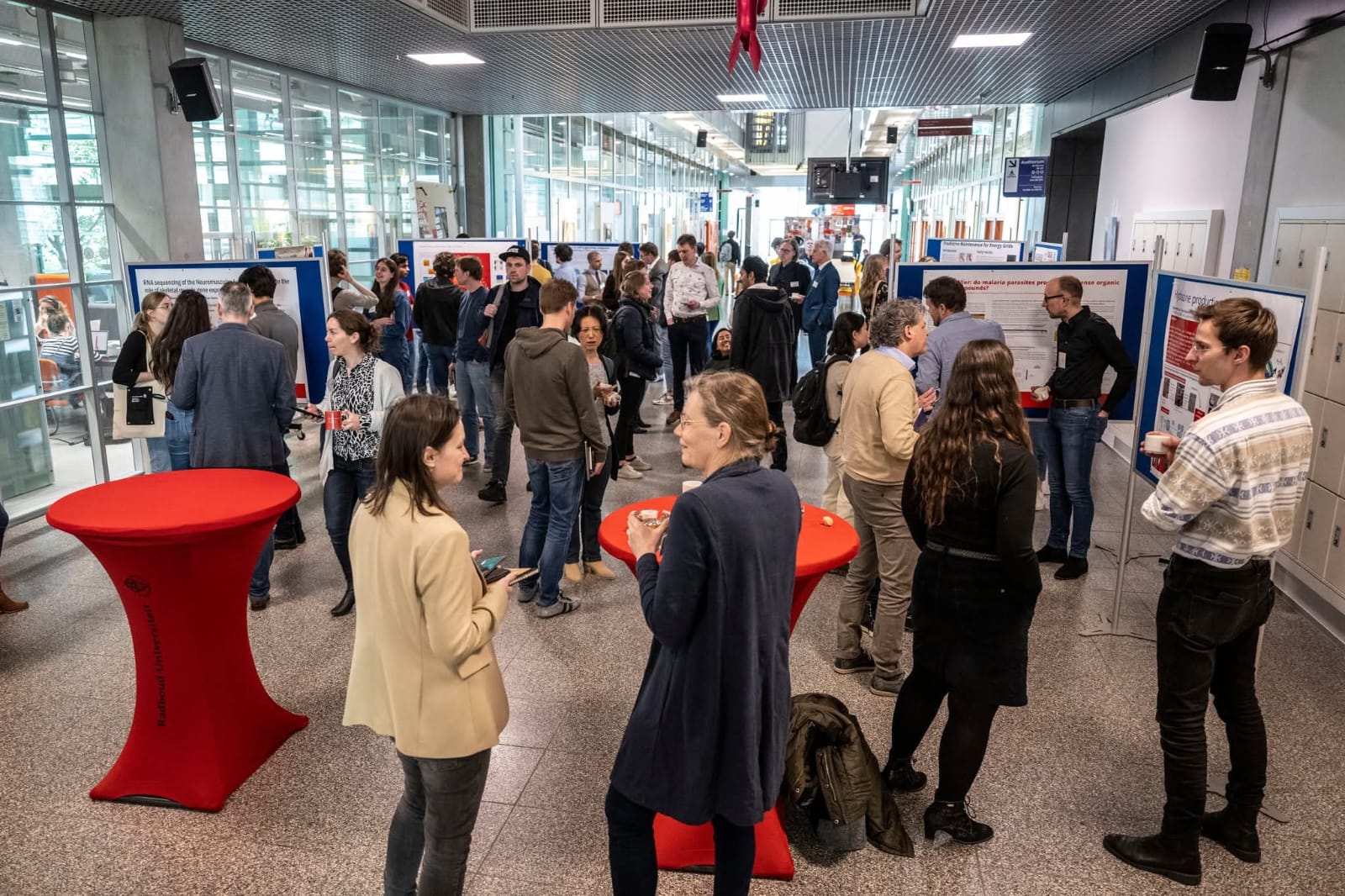
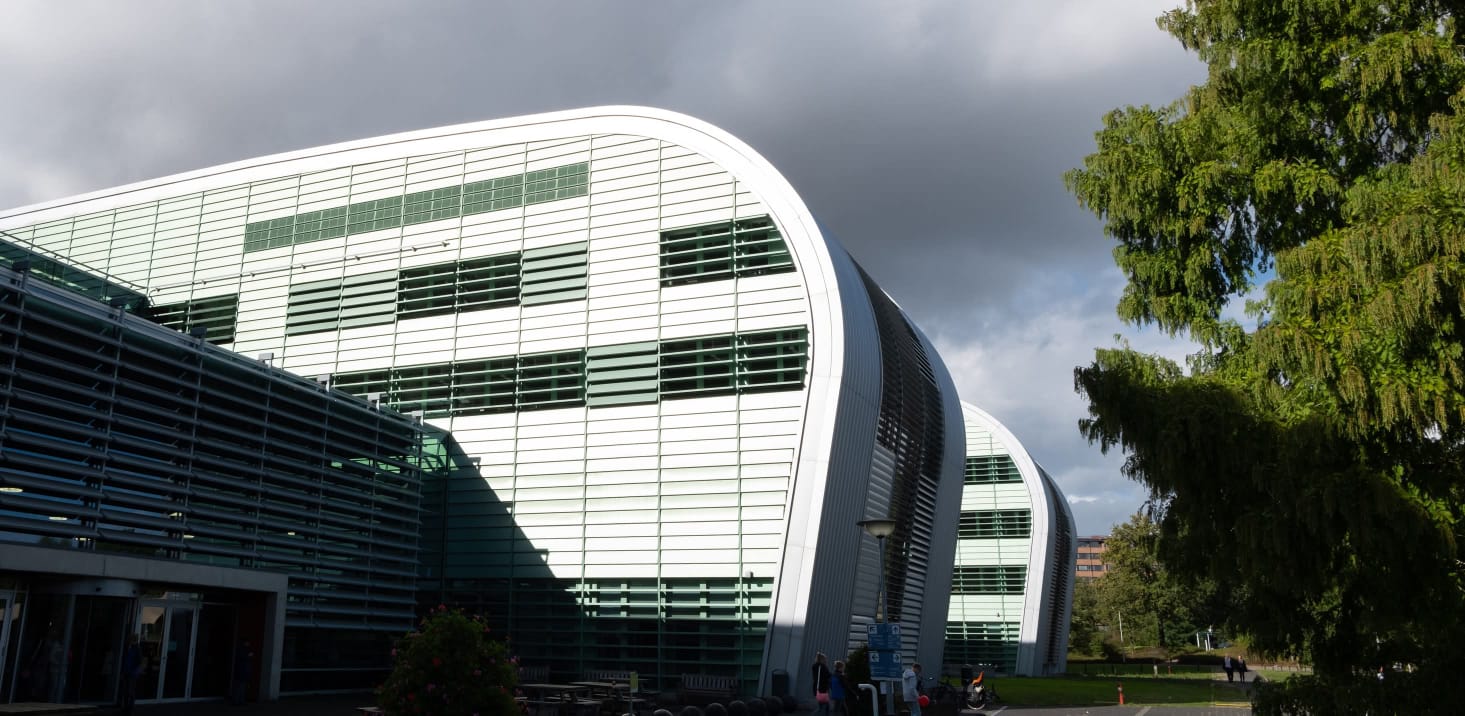
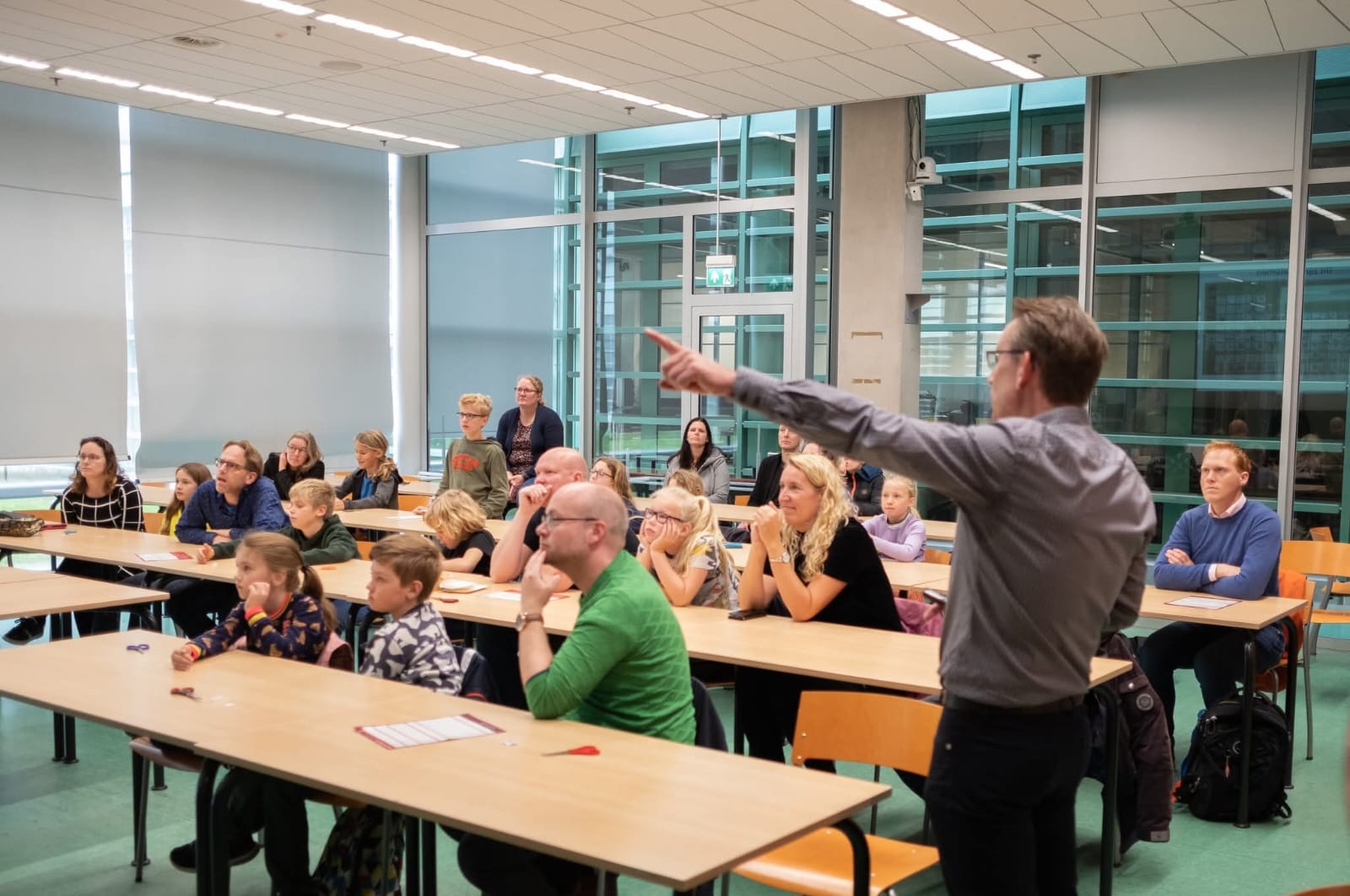
Facilities & Campus Life

Well-equipped Library

Experienced Faculty

Computer Lab

Sports Activities

Heritage Campus


Frequently Asked Questions
Why Consult With Us?
- 15+ years of experience in medical education counseling
- 5000+ students successfully guided
- 50+ partner universities worldwide
- Free initial consultation with no obligation