
Rheinischen Friedrich-Wilhelms-Universität Bonn Medizinische Fakultät

General Information
Established in 1818, the Medical Faculty of the University of Bonn is a titan of German science, recognized globally for its excellence in Immunology, Neuroscience, and Cardiovascular Medicine. The faculty operates as part of the "University Medicine Bonn," an integrated ecosystem where clinical care and research occur on the Venusberg Campus, a scenic hill overlooking the city. Bonn consistently ranks among the top medical schools in Germany and is home to several Excellence Clusters funded by the German Research Foundation (DFG).
Detailed Academic Info
- Established: 1818.
- Primary Location: > Venusberg-Campus 1, 53127 Bonn, Germany.
- Academic Model: Staatsexamen (German State Examination).
- Structure: A 6.3-year program (12 semesters + Practical Year).
- Pre-clinical (Years 1–2): Focus on core sciences (Anatomy, Physiology, Biochemistry).
- Clinical (Years 3–5): Modular teaching that integrates clinical theory with hands-on hospital experience.
- Practical Year (PJ): The final 48 weeks of intensive clinical rotations.
- Instruction: 100% German. C1 level proficiency (DSH-2 or TestDaF 4x4) is a strict requirement for the State Exam program.
- Elite Research Tracks: Offers the "SciMed" program, which allows medical students to engage in high-level research during their studies.
- Admission: Extremely competitive (Numerus Clausus). Selection is heavily based on the Abitur grade and the TMS (Test for Medical Studies).
Campus Facilities
The Venusberg Campus is a self-contained medical city situated in a forest, providing a unique and tranquil environment for rigorous scientific study.
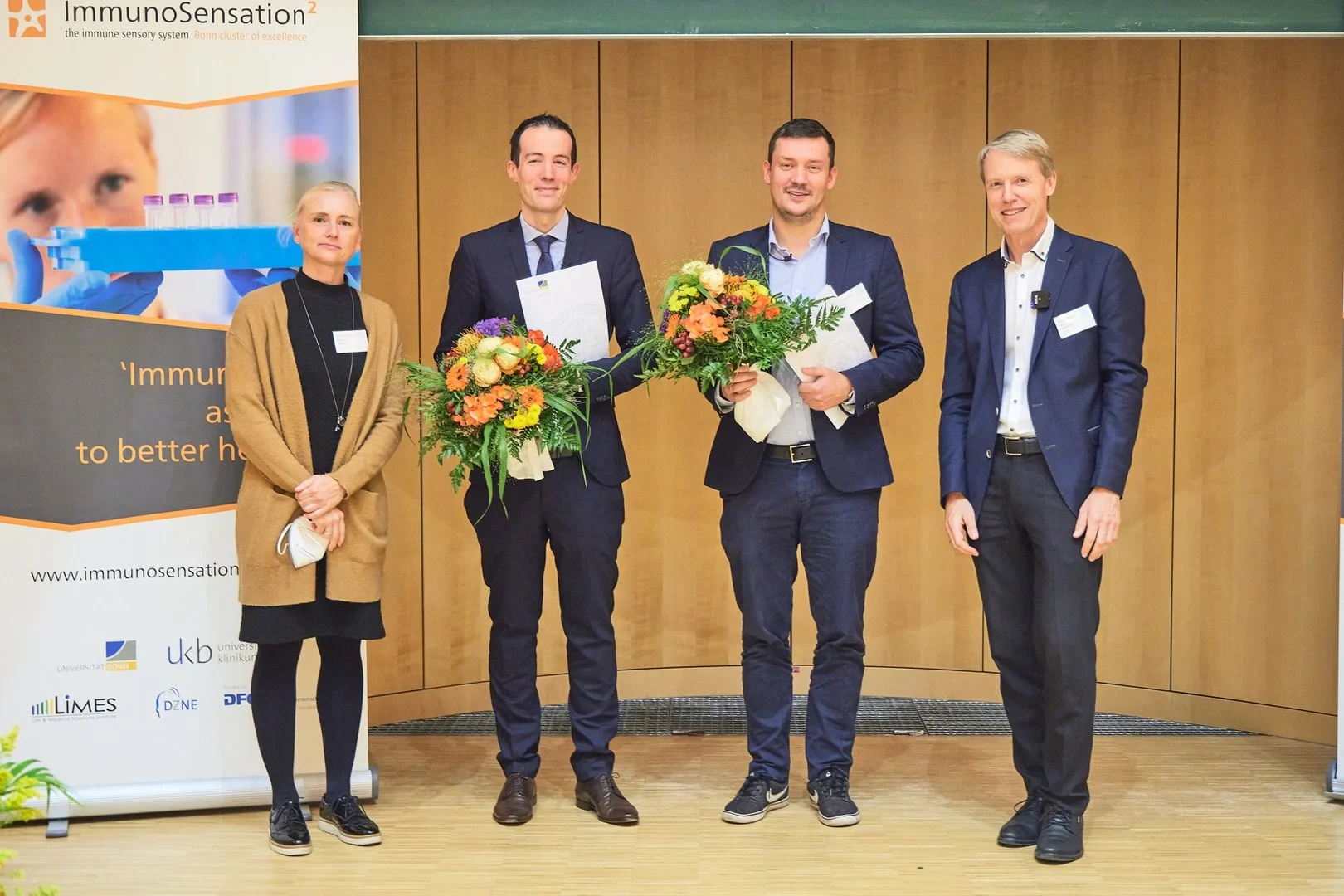
- ImmunoSensation2 Excellence Cluster: One of the world's leading research centers for immunology, focusing on the innate immune system and its role in common diseases.
- SkillsLab (Bonn): A multi-disciplinary facility with teaching doctors from almost all clinical fields, allowing students to practice procedures in a realistic environment.
- DZNE (German Center for Neurodegenerative Diseases): Located directly on campus, this national center focuses on the causes and treatments of Alzheimer's and Parkinson's.
- Core Facility for Nanoscopy: Features ultra-high-resolution electron microscopy (STEM/SEM) for detailed 2D and 3D analysis of biological samples.
- Biomedical Center (BMZ): A high-tech laboratory hub where medical students and PhD researchers work together on translational projects.
- Horst Stoeckel Museum: A unique museum dedicated to the history of anesthesiology, located on the medical campus.
- Heart Center Bonn: Integrates basic research and clinical care for cardiovascular diseases, one of the faculty’s primary research pillars.
- Digital Pathology Hub: Provides students with access to high-resolution digital tissue slides for remote and interactive learning.
- Clinical Trial Center Bonn (SZB): Offers students insights into the management and ethics of international clinical drug trials.
- Lageplan (Forest Campus): The campus features extensive green spaces and walking paths, promoting mental well-being for students.
Hospital & Medical Facilities
Leading tertiary care hospital attached to the institution
The University Hospital Bonn (UKB) is a premier maximum-care hospital:
- Capacity: Includes over 30 specialized clinics with approximately 1,300 beds.
- Clinical Volume: Treats roughly 50,000 inpatients and over 300,000 outpatients annually.
- Reputation: Consistently ranked among the top 10 hospitals in Germany (Focus-Gesundheit list).
- Centers of Excellence: Renowned for its Epileptology Center, the Center for Integrated Oncology (CIO), and its high-risk Maternity Clinic.
Fee Structure
State University Affordability
Bonn is a public university; there are currently no tuition fees for the primary medical degree for either EU or non-EU students.
Scholarship
- Bonn International Merit Scholarship: Awarded to top international students, providing 1,000 € – 3,000 € per semester.
- Deutschlandstipendium: 300 €/month for high-achieving students with strong social commitment.
- DAAD Graduation Grants: Financial aid for international students in the final phase of their medical studies.
- SciMed Fellowships: Internal grants for medical students who dedicate a year to intensive lab research.
City Details
- The Vibe: Bonn is the former capital of West Germany international, academic, and culturally rich. It is the birthplace of Beethoven and serves as a major hub for UN organizations.
- Connectivity:
- Bus Lines 600, 601, 602: These "Venusberg Express" buses run every few minutes from the city center to the medical campus.
- Nature: Surrounded by the Kottenforst forest, providing immediate access to nature.
- Safety: Very high; Bonn is a safe, diplomatic, and student-friendly city.
Hostel & Mess
- Accommodation: Managed by Studierendenwerk Bonn.
- Student Dorms: Rent ranges from 300 € to 550 €/month. The Venusberg-Campus dorms are highly sought after as they are seconds away from the clinics.
- Private Housing: Very competitive. A room in a shared flat (WG) typically costs 450 € – 750 €/month.
- Dining: The Venusberg Mensa is the social hub on the medical hill, offering subsidized meals for approx. 3.50 € – 6.50 €.
Miscellaneous
- APS Certificate: Mandatory for applicants from India, China, and Vietnam.
- Uni-assist: International students must apply via uni-assist for a VPD before applying to the university.
- Deadline: July 15 for the Winter Semester (the only intake for medicine).
Collage Images Gallery

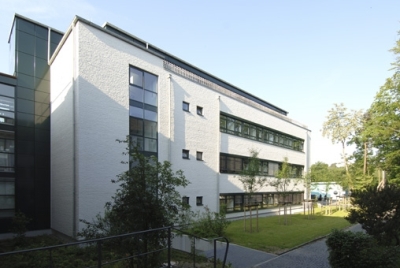
Facilities & Campus Life

Well-equipped Library

Experienced Faculty

Computer Lab

Sports Activities

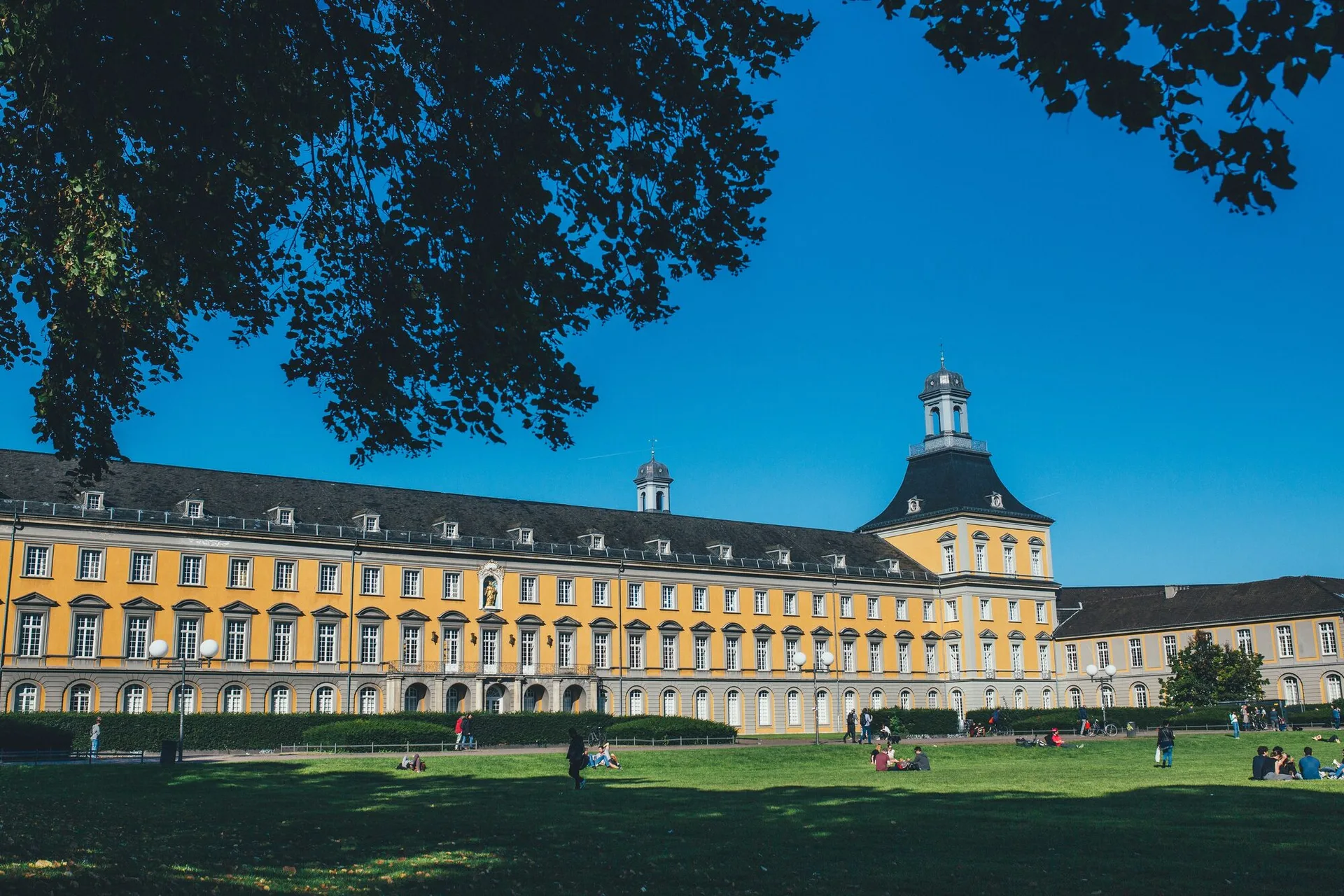
Heritage Campus


Frequently Asked Questions
Why Consult With Us?
- 15+ years of experience in medical education counseling
- 5000+ students successfully guided
- 50+ partner universities worldwide
- Free initial consultation with no obligation