

Saratov Military Medical University

General Information
The Saratov Military Medical University is a highly specialized institution within the Russian Federation's system of military higher education. It is dedicated primarily to training doctors for the Armed Forces and operates under strict state military regulations.
Institutional Status and Foreign Enrollment Policy
This institution is a Military Academy under the Ministry of Defence. General commercial enrollment for foreign students (such as standard fee-paying MBBS/MD programs) is extremely limited, non-commercial, and highly restrictive. Foreign students are typically admitted only through official intergovernmental quotas or special bilateral agreements.
General Information
Core Institutional and Program Facts
Official Designation: Saratov Military Medical University (or a closely related unit of military medicine within a broader state institution).
Institutional Status: Operates as a Federal State Military Educational Institution under the Ministry of Defence of the Russian Federation.
Founding Year: Established during the Soviet era to serve military needs, providing a long history of specialized medical training.
Degree Awarded: Graduates receive the Specialist Degree (MD/MBBS) with a mandatory Military Medical Profile.
NMC Compliance: The institution must be fully NMC Approved for its General Medicine program (Specialist Degree) for its graduates to be eligible for the NExT exam.
Program Duration: The course is a mandatory 6 Years of intensive academic and military-clinical training.
Instruction Language: The core language of instruction is Russian. English medium access for foreign military exchange students is highly selective.
Curriculum Basis: Follows the Russian Federal State Educational Standards (FSES) with significant additional modules in field surgery, military toxicology, and disaster medicine.
Entry Requirement: Mandatory NEET UG qualification is the minimum requirement for foreign candidates, though the primary selection is non-academic (political/military quota).
Campus Facilities
The academy operates from specialized, high-security facilities designed for military and medical education within the Saratov area.
Physical Infrastructure and Learning Environment
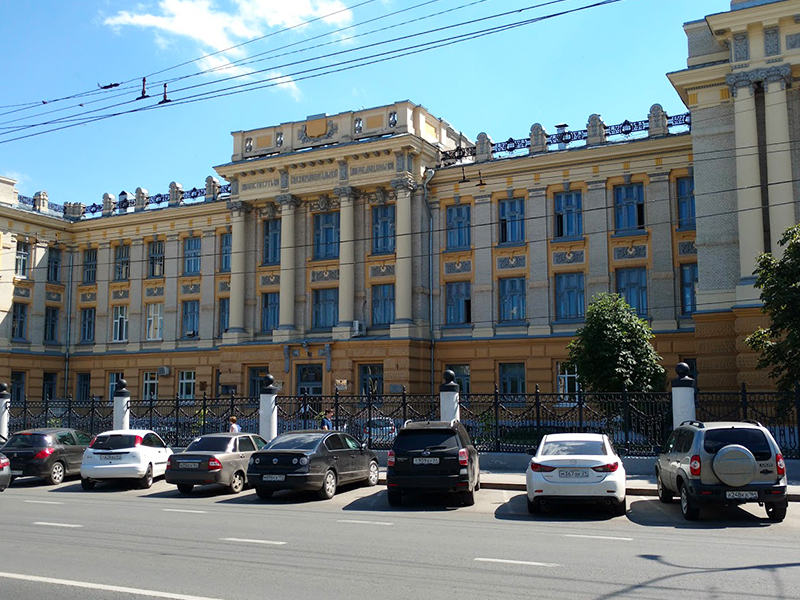
The academy occupies a dedicated, high-security campus in Saratov, distinct from civilian medical schools.
Academic Blocks: Houses specialized academic blocks with Lecture Halls equipped for both clinical and military-specific instruction.
Simulation Centers: Equipped with highly advanced Clinical Skills and Simulation Centers dedicated to trauma and field procedural training.
Anatomy Facilities: Features state-of-the-art Anatomy Labs and dissection halls, maintaining world-class resources.
Research Facilities: Extensive research infrastructure dedicated to military and extreme environment medicine.
Central Library: Maintains a specialized Scientific Medical Library with vast collections of military and civilian medical literature.
Security: The entire campus is under strict military security protocol and constant surveillance.
Internal Canteens: Multiple highly regulated student and military personnel canteens are available.
Sports Facilities: Includes highly developed sports complexes and facilities for physical and tactical training.
Climate Control: Centralized utility management ensures effective heating and ventilation in all blocks.
Hospital & Medical Facilities
Leading tertiary care hospital attached to the institution
The academy’s clinical base is a massive, highly specialized network providing high-complexity care to the armed forces.
Clinical Facilities and Exposure
Total Bed Strength: Students train across a network utilizing 1000+ total teaching beds across integrated military clinics and affiliated military hospitals.
Specialized Focus: Training centers are renowned for specialized procedures in traumatology, field surgery, and complex post-conflict rehabilitation.
Primary Teaching Hospital: The academy operates its own large Military Clinical Hospital complex.
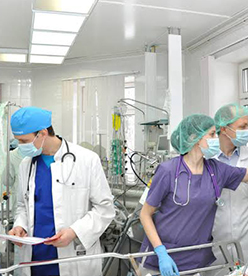
Critical Care: Features extensive Critical Care Units (ICUs) with dedicated surgical and neurological intensive care beds.
Clinical Training Model: The training focuses heavily on evidence-based medicine and preparedness for emergency and mass casualty situations.
Surgical Exposure: Students receive significant exposure to specialized and complex surgical procedures, including those unique to military medicine.
Diagnostic Tools: Equipped with the latest generation of advanced imaging technologies.
Faculty Oversight: Clinical training is directly supervised by highly specialized military surgeons and medical researchers.
Patient Load: Attracts a high referral load, consisting of military personnel, veterans, and specialized civilian referrals.
Language Application: Practical application of Russian language skills is mandatory for all clinical interaction.
Fee Structure
State University Affordability
The financial structure is highly non-commercial and is subject to intergovernmental agreement, making standard fee estimates difficult.
Financial Commitments
Tuition Fee (Approx.): Estimated to be around $5,000 – $7,000 USD per year for highly restricted, non-military foreign quotas. This rate is an estimate for comparison only.
Payment Mode: Fees are payable annually in USD or the Russian Ruble (RUB) equivalent.
Financial Caveat: Education for core Russian military personnel is typically state-funded (free), making the foreign fee structure an external levy.
Hostel Fees (Annual): Approx. $600 – $1,200 USD per year (residential rent).
Mandatory Medical Insurance: Approx. $200 – $350 USD per year.
Mandatory Visa/Residency Permit Fee: Approx. $100 – $200 USD per year.
Total 6-Year Tuition: Estimated to exceed $30,000 – $42,000 USD (excluding living expenses).
No Capitation Fee: No non-refundable capitation fees are charged, consistent with its federal state status.
City Details
Saratov is a historic, major city and key industrial center located on the Volga River in the European part of Russia.
Life in Saratov
General Atmosphere: Saratov is a large, vibrant, and dynamic city known for its long Volga riverfront, academic institutions, and strong industrial and academic base.
Safety Profile: The city is generally regarded as safe for students, offering a stable urban environment.
Student Life: Student life is active, centered around the various academic institutions and the beautiful Volga river embankment.
Climate: Experiences a severe continental climate with cold, snowy winters and hot summers.
Transportation: Boasts a well-developed public transport system, including trams, buses, and a Metro line, which is efficient and affordable.
Famous Food: Local cuisine includes traditional Russian staples, reflecting its position on the Volga.
Indian Food Accessibility: Availability of specialized Indian restaurants or grocery stores is moderate, making the self-cooking model manageable.
Language in Daily Life: Russian is the dominant language spoken in public, essential for daily communication.
Accommodation Areas: Students primarily reside in the secure university hostels or nearby affordable housing.
Cost of Living: The average monthly cost of living is highly economical compared to Moscow or St. Petersburg.
Hostel & Mess
Residential living is secured, typically provided in subsidized accommodations operating under strict military discipline.
Residential Details
Hostel Policy: On-campus residency is usually available and often mandated for students due to security protocols.
Accommodation Type: Rooms are located in secure, university-managed dormitory blocks.
Room Configuration: Primarily 2-seater or 3-seater shared occupancy, furnished to a functional, disciplined standard.
Security: Hostels operate under strict 24/7 security staff surveillance and controlled military entry/exit points.
Heating System: Equipped with highly effective centralized heating systems.
Kitchen Facilities: Common kitchen areas are provided for self-cooking.
Mess System (Self-Catering): The standard model is self-cooking (or subsidized military canteens are utilized).
Dietary Control: This allows Indian students complete adherence to specific dietary requirements.
Study Halls: Dedicated, quiet Study Halls/Reading Rooms are provided within the hostel blocks.
Miscellaneous
Key Student Obligations & Career Pathways
Admission Selection: Admission is extremely selective and non-commercial, typically requiring direct application through the Ministry of Defence or intergovernmental exchange programs.
Service Bond: Military training and service obligations apply to native students; foreign students' status is governed by their specific government agreement.
Internship Requirement: Mandatory 1-year internship must be completed in a clinical base in Russia as part of the 6-year Specialist degree structure.
NExT Eligibility: Graduates must successfully complete the 6-year duration and pass the NExT to secure a license to practice in India.
Visa Requirements: Requires annual student visa and residency permit renewal coordinated through the academy's foreign department.
Language Requirement: Mandatory Russian language proficiency is a prerequisite for clinical rotations and daily life, given the military environment.
Postgraduate Options: Pathways lead directly into highly specialized military or academic Residency (Ordinatura) programs.
Code of Conduct: Students must adhere to a strict code of conduct and discipline reflective of the military educational environment.
Part-Time Work: Strictly restricted due to the military nature of the institution.
Prestige: The degree carries immense prestige within Russian military and academic circles.
Collage Images Gallery

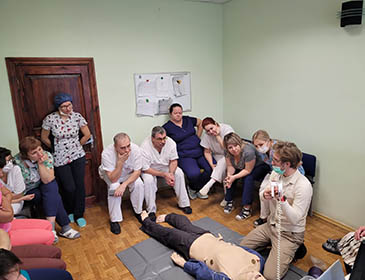
Facilities & Campus Life

Well-equipped Library

Experienced Faculty

Computer Lab

Sports Activities

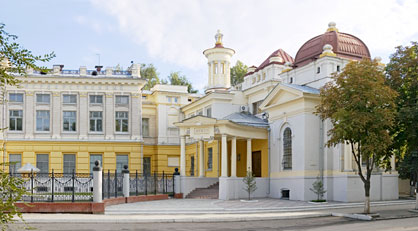
Heritage Campus


Frequently Asked Questions
Why Consult With Us?
- 15+ years of experience in medical education counseling
- 5000+ students successfully guided
- 50+ partner universities worldwide
- Free initial consultation with no obligation