

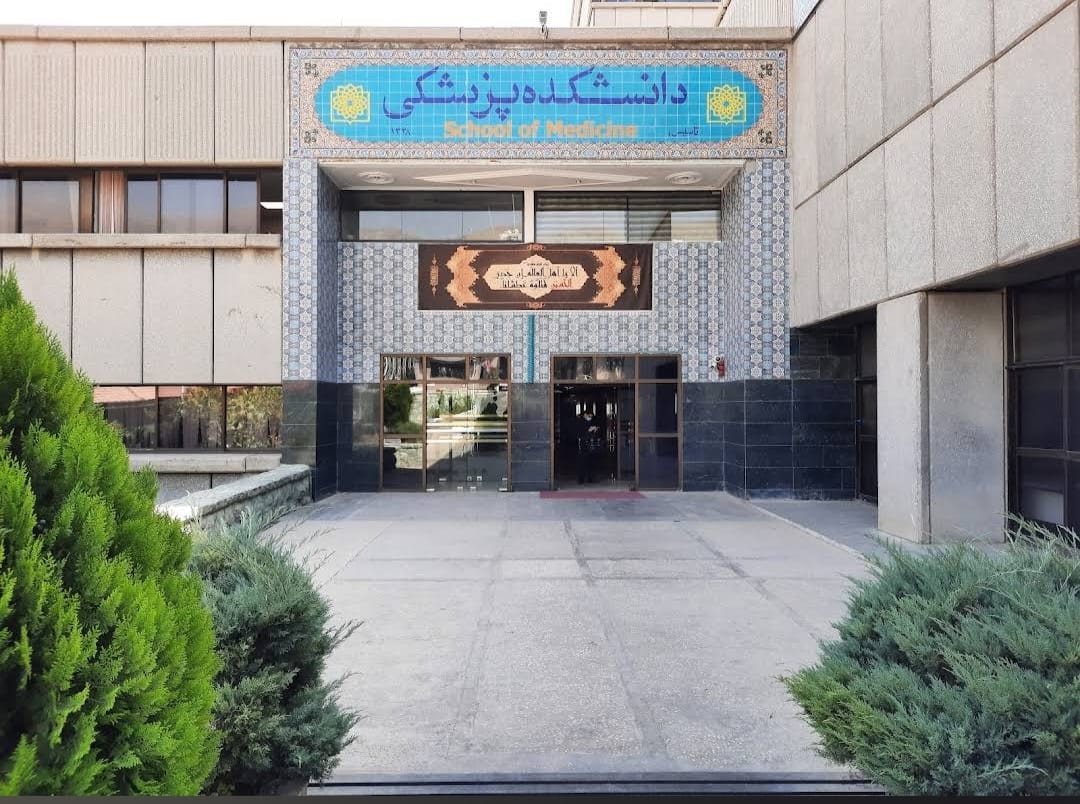
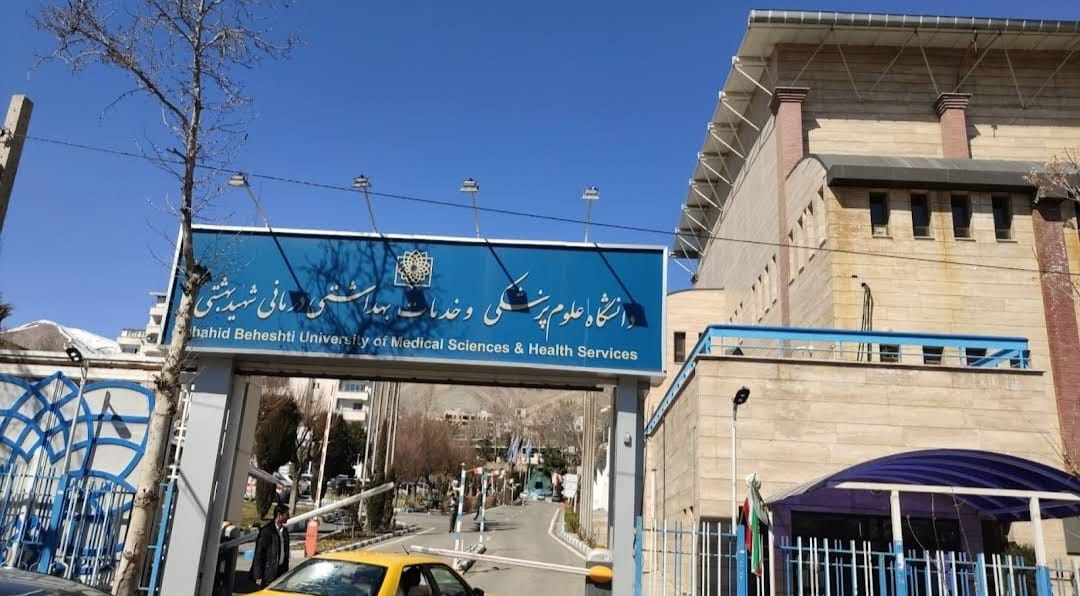
Shahid Beheshti University of Medical Sciences Faculty of Medicine

General Information
Established in 1961, Shahid Beheshti University of Medical Sciences is the second-largest medical university in Iran and one of the most prestigious in the Middle East. Located in the affluent northern districts of Tehran, SBUMS is a public institution recognized by the WHO, ECFMG (Pathways), and the Iranian Ministry of Health. It is a global powerhouse in medical research, hosting seven WHO collaborating centers. The university is responsible for providing healthcare to over 5 million residents of Tehran, ensuring that its students receive unparalleled clinical exposure across a vast network of specialized tertiary hospitals.
General Info
- Established: 1961.
- Primary Location: > Yemen St, Shahid Chamran Highway, Tehran, Iran.
- Academic Model: Doctor of Medicine (MD).
- Structure: A 7-year program integrated into the national medical curriculum:
- Pre-clinical (2.5 Years): Foundations in Basic Medical Sciences.
- Physiopathology (1 Year): Bridging science with clinical reasoning and diagnosis.
- Clerkship (2 Years): Supervised bedside rotations in specialized hospital wards.
- Internship (1.5 Years): Final immersive practice as a student-physician.
- Instruction: English for international students. Comprehensive Persian (Farsi) language modules are mandatory during the pre-clinical years to ensure effective communication with patients during the clinical phases.
- Research Focus: A global leader in Endocrinology, Tuberculosis & Lung Diseases, Gastroenterology, and Nutrition.
- Admission: Open to international students with a high school diploma (PCB aggregate >50-60%). NEET qualification is mandatory for Indian applicants.
Campus Facilities
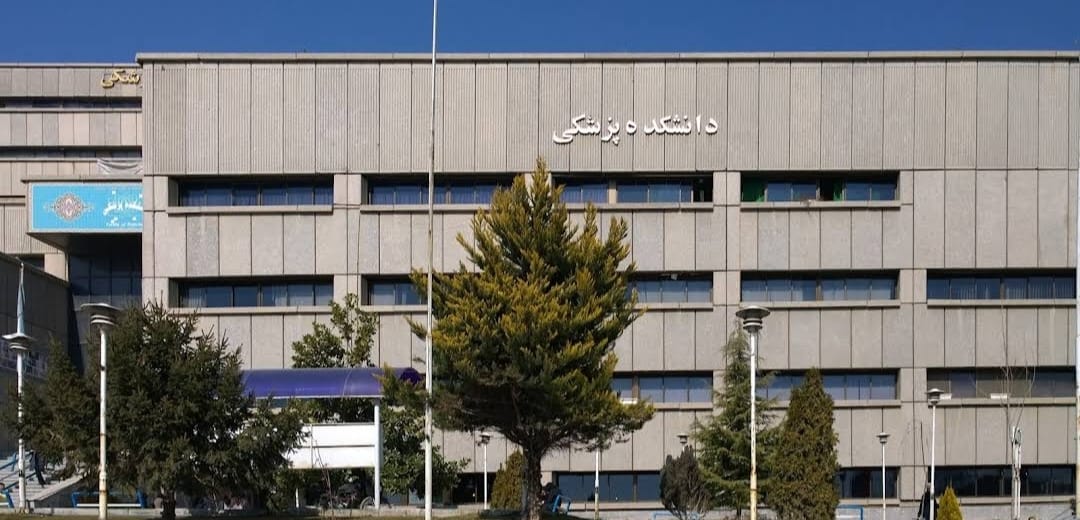
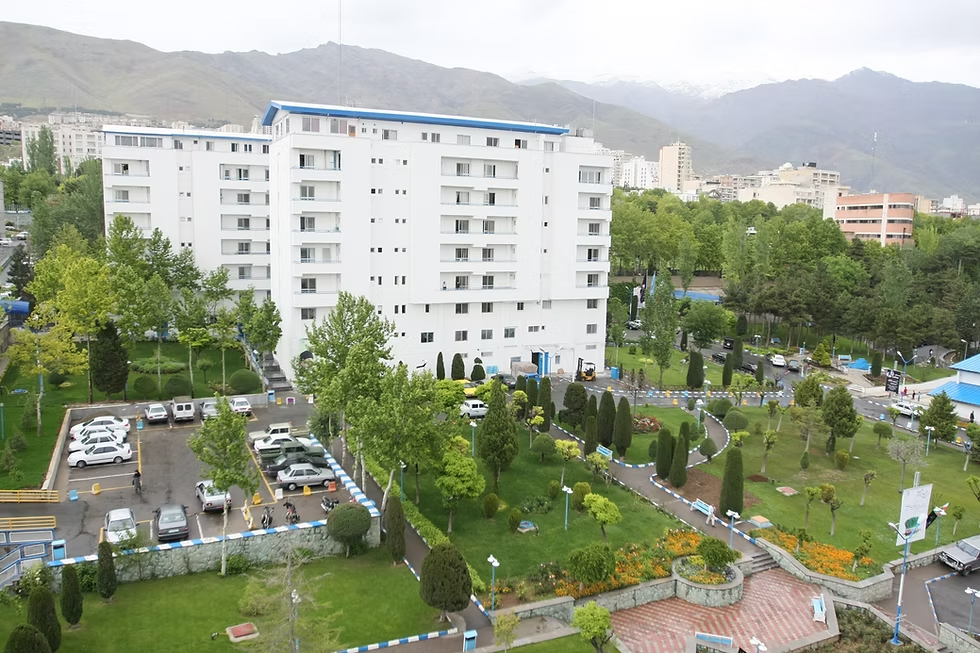
The SBUMS campus in northern Tehran features some of the most advanced medical research facilities in the region.
- Research Institute for Endocrine Sciences (RIES): A WHO collaborating center and national leader in diabetes and metabolic research.
- National Research Institute for Tuberculosis and Lung Diseases (NRITLD): Located at Masih Daneshvari Hospital, this is the primary hub for respiratory research in the region.
- Research Institute for Gastroenterology and Liver Diseases: Conducts high-impact research on digestive cancers and hepatitis.
- National Nutrition and Food Technology Research Institute: Focuses on food safety, public health nutrition, and food biotechnology.
- Ophthalmic Research Center: A WHO collaborating center for the prevention of blindness and eye health.
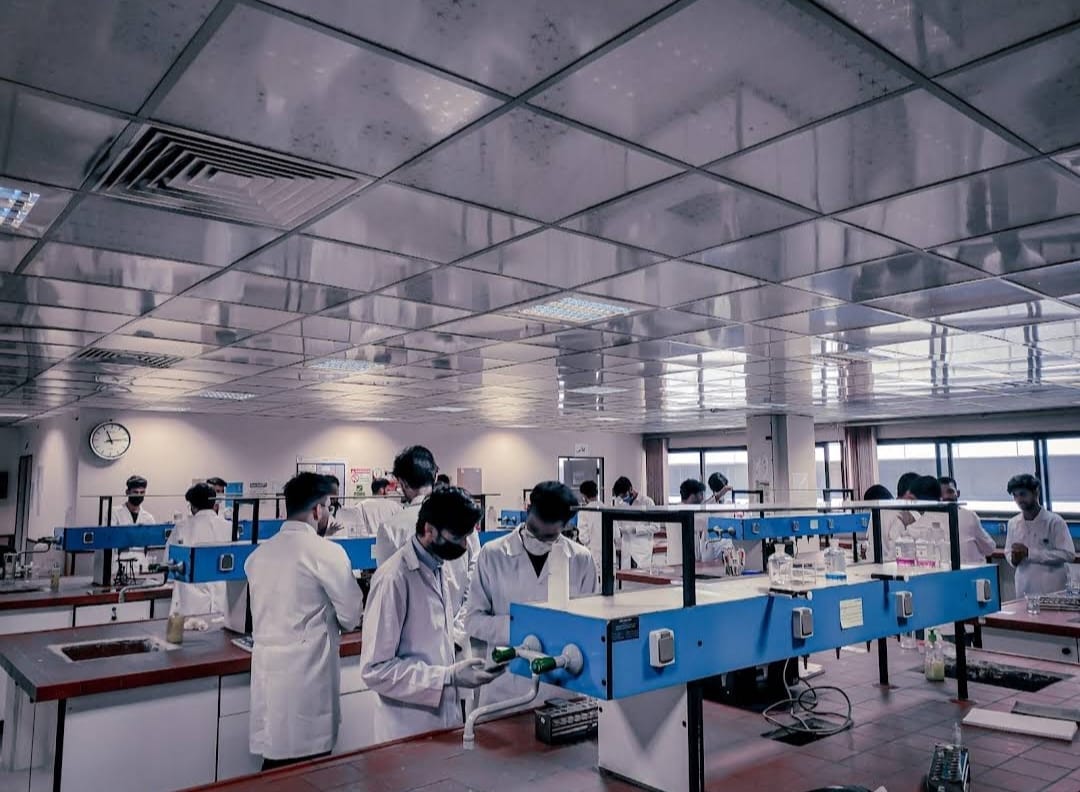
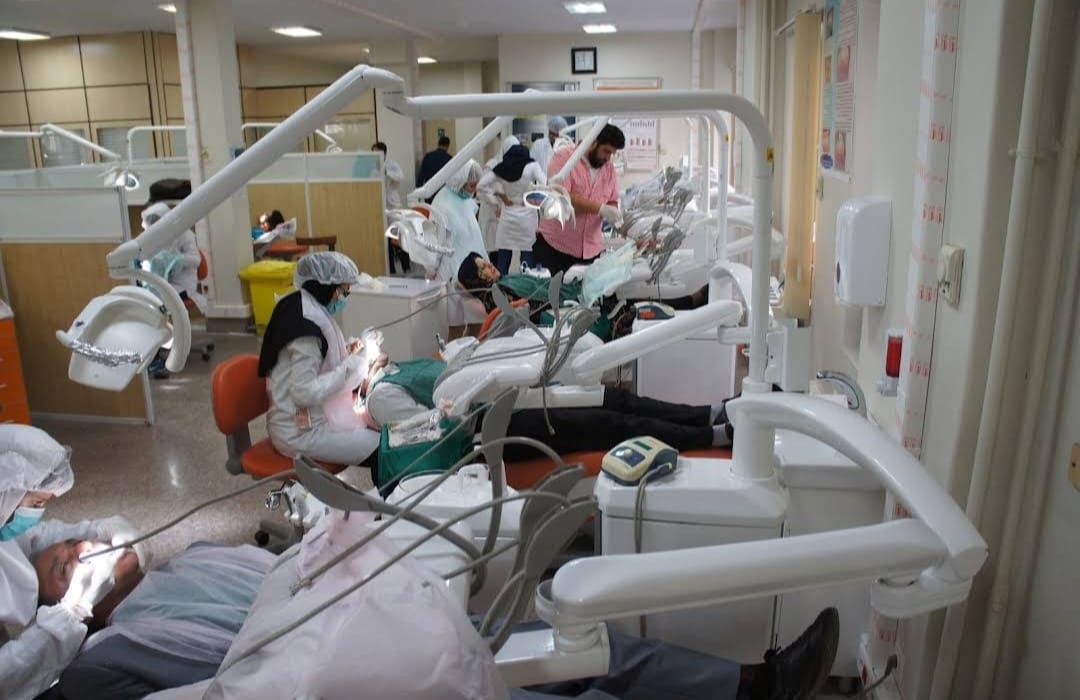
- Clinical Skills Center (CSC): A high-tech simulation hub where students master procedural and life-saving skills before ward entry.
- Anatomy & Dissection Hall: Features modern cadaveric study facilities, digital histology, and 3D imaging.
- Central Medical Library: One of the largest in Iran, providing 24/7 digital access to global databases like Scopus, ClinicalKey, and PubMed.
- IT & Multimedia Hub: Supports hybrid learning and provides 24/7 high-speed connectivity for the international student community.
- Student Research Committee (SRC): An extremely active body that facilitates international student participation in global congresses and peer-reviewed publishing.
Hospital & Medical Facilities
Leading tertiary care hospital attached to the institution
SBUMS manages an extensive network of over 12 primary teaching hospitals, providing unmatched patient diversity:
- Masih Daneshvari Hospital: The national center for respiratory diseases and organ transplantation.
- Shohada Tajrish Hospital: A major multi-specialty facility known for oncology, neurosurgery, and trauma care.
- Imam Hossein Hospital: A massive tertiary care center and the primary site for emergency medicine and surgery rotations.
- Loghman Hakim Hospital: A leading center for clinical toxicology and neurology.
- Mofid Children’s Hospital: One of the most prominent pediatric teaching hospitals in the country.
- Taleghani Hospital: Specialized in gastroenterology, hematology, and bone marrow transplantation.
Fee Structure
State University Affordability
SBUMS provides elite-level medical education with a public-sector fee structure for international students.
Scholarship
- Merit-Based Scholarship: Top-performing students (GPA >17/20) can qualify for tuition waivers of 10% to 25%.
- Family Discount: Up to a 15% discount for family members (blood or marriage) studying at the university concurrently.
- Neighboring Countries: Applicants from Islamic or neighboring countries often receive up to a 15% discount on tuition.
City Details
- The Vibe: Tehran is the bustling, cosmopolitan capital of Iran. The northern area (Velenjak/Tajrish) is known for its cooler climate, mountain resorts, and modern lifestyle.
- Connectivity:
- Tehran Imam Khomeini International Airport (IKA): The primary international gateway with flights worldwide.
- Public Transit: Excellent access to the Tehran Metro and a high-volume taxi network.
- Safety: Very high; the northern districts are peaceful, well-policed, and highly welcoming to international residents.
Hostel & Mess
- Accommodation: The university operates 12 dormitories, including two dedicated complexes specifically for international students. Rooms include Wi-Fi, laundry facilities, and study areas.
- Dining: Subsidized meals (Persian and international styles) are served at the University Dining Hall and hospital cafeterias.
- Vibe: Urban, prestigious, and vibrant. Located in the foothills of the Alborz Mountains, SBUMS offers a safe and high-quality lifestyle in Tehran’s most developed district.
Miscellaneous
- Intakes: September (Main Intake) and February.
- Documents: Requires high school transcripts (PCB aggregate), NEET scorecard (for Indians), Passport, and a Medical Fitness Certificate.
- Application Step: Students apply via the SBUMS International Admissions portal. After document screening, a virtual interview is conducted to assess scientific aptitude and English proficiency.
Collage Images Gallery
Facilities & Campus Life

Well-equipped Library

Experienced Faculty

Computer Lab

Sports Activities

Heritage Campus


Frequently Asked Questions
Why Consult With Us?
- 15+ years of experience in medical education counseling
- 5000+ students successfully guided
- 50+ partner universities worldwide
- Free initial consultation with no obligation