
St. Mary's School of Medicine (Cook Islands)

General Information
St. Mary's School of Medicine in the Cook Islands is a private, offshore medical institution that has historically focused on training international students for medical licensure in the United States and other global regions.
Important Operational Note (2025/2026): According to the World Directory of Medical Schools and official updates, the school discontinued its active programs in the Cook Islands in 2009 and is currently listed as not operational at its Rarotonga campus.
While it has attempted to restructure and relocate (with ties to Saint Lucia), prospective students should exercise extreme caution as it is currently not admitting new cohorts.
General Info
Established: 1998.
Location: Faculty of Medicine, Rarotonga, Cook Islands.
Status: Currently Inactive/Closed (Operational years: 1998–2009).
Degree Conferred: Doctor of Medicine (MD).
Language of Instruction: English.
Accreditation: Historically listed in the World Directory of Medical Schools (WDOMS).
Recognition by the ECFMG (USA) applies to students who graduated during its active years (up to 2009).
Campus Facilities
Setting: During its operational peak, the school was based on Rarotonga, the largest and most populous of the Cook Islands.
Model: It followed the Caribbean/Pacific "offshore" model: 2 years of Basic Sciences on the island followed by 2 years of clinical clerkships at affiliated hospitals abroad.
Facilities: The campus was small, consisting primarily of lecture halls, basic science labs (Anatomy/Histology), and a small medical library.
Hospital & Medical Facilities
Leading tertiary care hospital attached to the institution
Rarotonga Hospital: This is the primary local facility, but due to the very small population (approx. 17,000), it lacks the patient volume and specialty variety required for full clinical rotations.
International Affiliations: The school’s curriculum was designed so that students would complete their core and elective rotations (Internal Medicine, Surgery, OB/GYN, etc.) at affiliated teaching hospitals in the USA, UK, or the Philippines.
Current Status: Since the school is no longer active in the Cook Islands, there are currently no organized clinical rotations for new students at this location.
Fee Structure
State University Affordability
Tuition fees were paid in USD per trimester.
Basic Sciences (Per Trimester): Approx. $5,500 USD.
Clinical Sciences (Per Trimester): Approx. $6,500 USD.
Miscellaneous: Application Fee ($50), Matriculation Fee ($950).
Current Note: These figures are for reference only. Any entity currently claiming to collect fees for this school should be verified for legitimacy.
City Details
Environment: A stunning tropical island with a coral reef and volcanic peaks. It is a world-class tourism destination.
Isolation: The island is very remote, with limited international flight connections (primarily via New Zealand).
Safety: Extremely safe and peaceful, with a close-knit community.
Connectivity: Internet speeds were historically slow and expensive, though satellite improvements are ongoing.
Hostel & Mess
Accommodation: The school did not have large-scale traditional dormitories. Students typically stayed in private rentals or "student houses" arranged by the school in the Muri or Avarua areas.
Cost: Living in the Cook Islands is expensive due to high import costs.
Mess/Dining: There was no centralized mess hall. Students were expected to self-cater, sourcing food from local markets.
Food Challenges: Fresh produce can be expensive, and variety is limited to what is imported or grown locally on the atoll.
Miscellaneous
Licensure Alert: Many graduates of offshore schools that close or lose accreditation face significant hurdles in getting their degrees recognized by the NMC (India) or US Medical Boards.
Alternative Options: For 2026, students looking for similar English-taught programs in the region are encouraged to look at established schools in Fiji (Fiji National University) or the Caribbean (e.g., St. George's University).
Collage Images Gallery
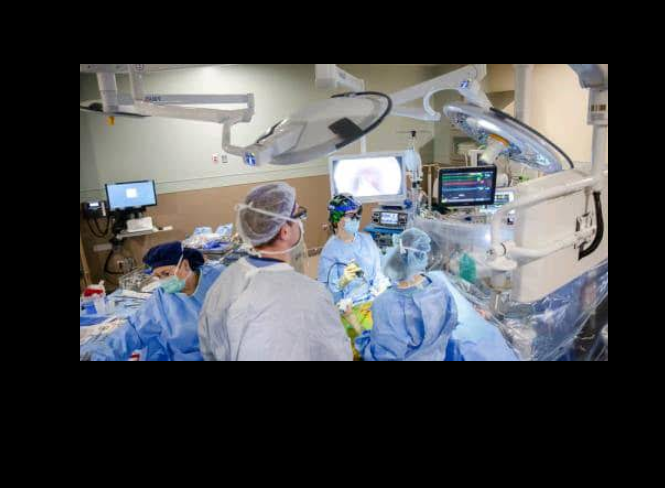
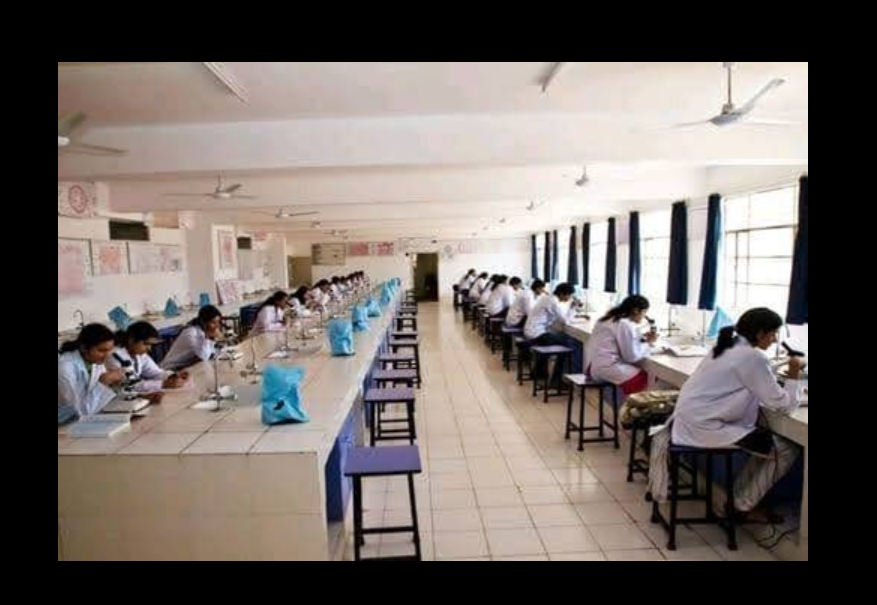
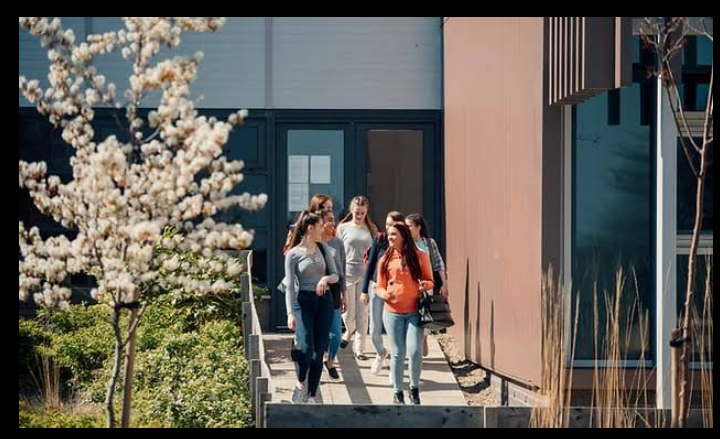
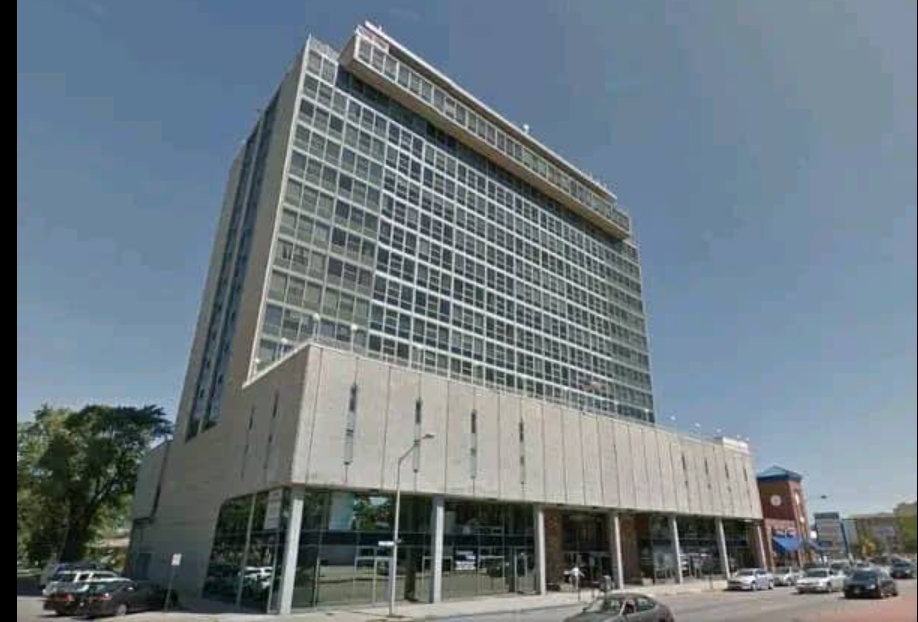
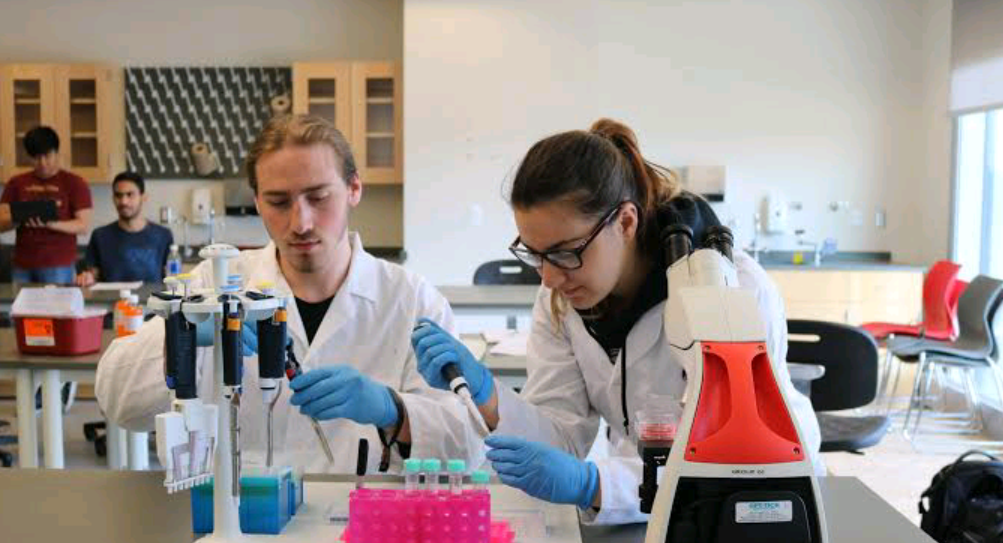
Facilities & Campus Life

Well-equipped Library

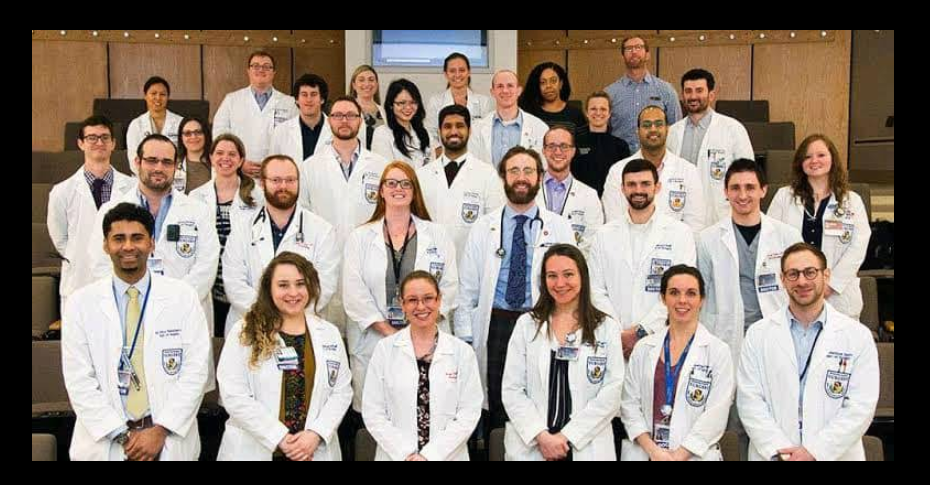
Experienced Faculty

Computer Lab

Sports Activities

Heritage Campus

Frequently Asked Questions
Why Consult With Us?
- 15+ years of experience in medical education counseling
- 5000+ students successfully guided
- 50+ partner universities worldwide
- Free initial consultation with no obligation