
Technical University of Munich School of Medicine and Health

General Information
The TUM School of Medicine and Health is one of the most prestigious medical institutions in Europe, consistently ranking as a global leader in medical research and technology. A unique feature of medical studies at TUM is that it focuses exclusively on the clinical phase (Years 3–6). Students typically complete their pre-clinical studies (Years 1–2) at the Ludwig Maximilian University of Munich (LMU) before transitioning to TUM’s high-tech clinical campus at Klinikum rechts der Isar.
General Info
- Established: 1967 (Faculty of Medicine).
- Primary Location: > Ismaninger Straße 22, 81675 Munich, Germany (Haidhausen district).
- Academic Model: Staatsexamen (German State Examination).
- Structure: A 6.3-year program (split between LMU and TUM).
- Pre-clinical (Semesters 1–4): Jointly managed with LMU; focused on basic sciences.
- Clinical (Semesters 5–10): Focuses on "Systematic Disease Theory" and interdisciplinary, case-based learning at TUM.
- Practical Year (PJ): The final year of rotations at Klinikum rechts der Isar or world-class partner clinics.
- Instruction: 100% German for the State Exam. Level C2 proficiency is required for clinical studies at TUM.
- Research Focus: Frontiers of AI in Medicine, Translational Cancer Research (TranslaTUM), and Neuroscience.
- Admission: Handled via Hochschulstart.de. Admission into the clinical phase at TUM requires successful completion of the Physikum (First Medical Exam).
Campus Facilities
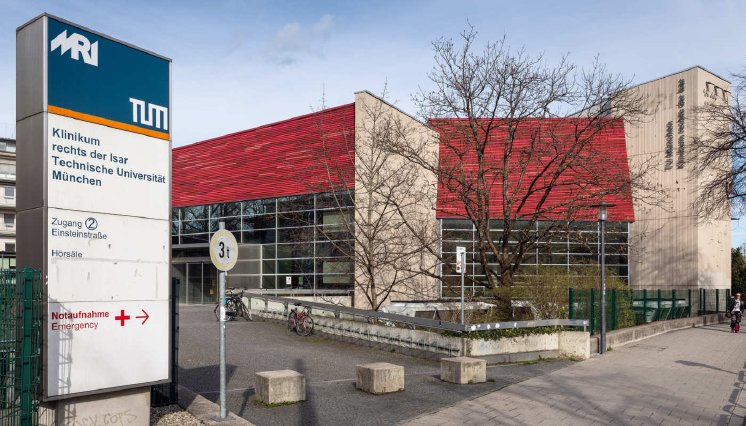
The clinical campus is centered around the historical and ultra-modern Klinikum rechts der Isar, located to the right of the Isar River.
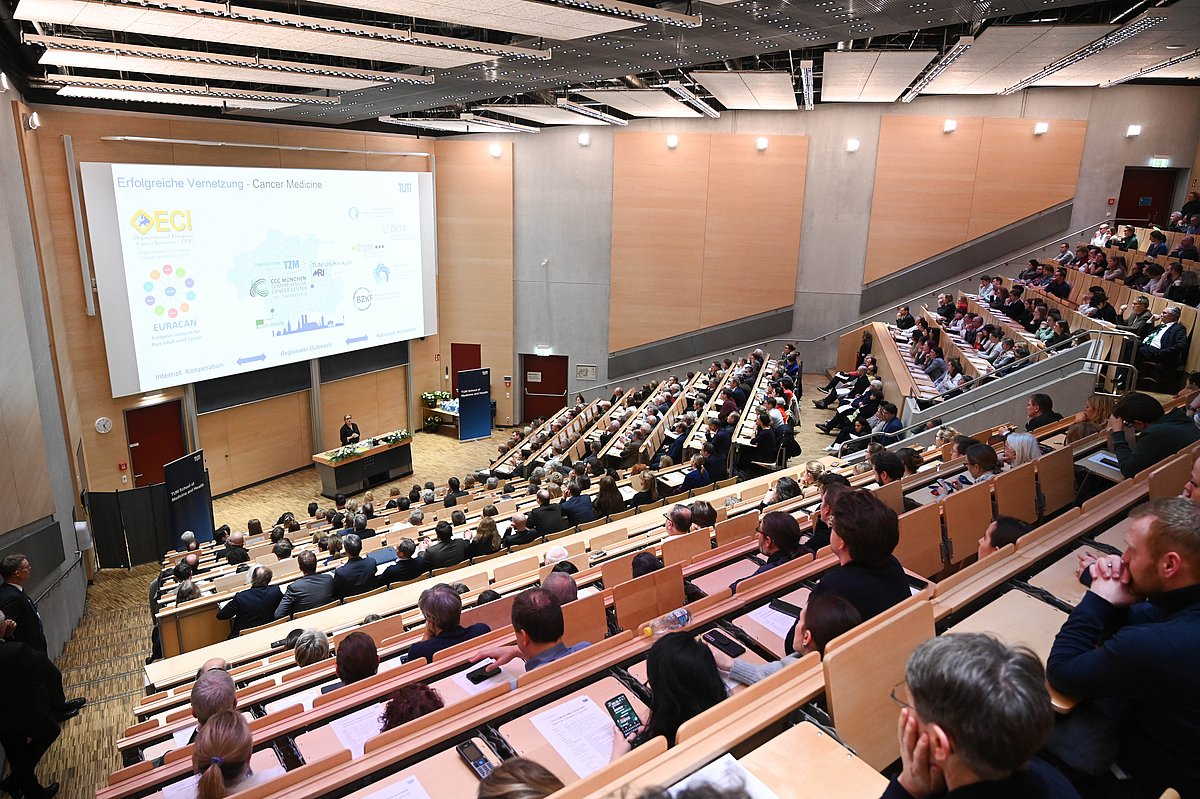
- TranslaTUM: A world-class center for translational cancer research where doctors, engineers, and scientists work in the same building.
- TUM Medical Training Center: A high-tech simulation environment for students to practice clinical skills before working with patients.
- MIBE (Munich Institute for Biomedical Engineering): An interdisciplinary hub where TUM's engineering strength meets medical application.
- SkillsLab Munich: A joint facility where students train on high-fidelity simulators for emergency and surgical procedures.
- Center for Digital Medicine and Health: Dedicated to integrating AI and data science into daily clinical practice.
- Case Discussion Rounds (CDR): An English-taught elective specifically designed to prepare students for clinical work in the US and Canada.
- LET ME Program: A curriculum innovation focusing on "Lettered Medical Education," ensuring students understand the subjective and human side of medicine.
- Technical Medical Library: Located on the clinical campus, providing 24/7 access to the world’s leading medical databases and e-journals.
- MRI & Imaging Core: One of the most advanced imaging centers in Europe, featuring research-grade 3T and 7T MRI scanners.
- Global Health Summer School: An annual trilateral program with partner universities in France and Poland focusing on international health crises.
Hospital & Medical Facilities
Leading tertiary care hospital attached to the institution
The Klinikum rechts der Isar (MRI) is the primary teaching hospital:
- Capacity: Roughly 1,161 beds and over 30 specialized departments.
- Clinical Volume: Treats approximately 60,000 inpatients and 250,000 outpatients annually.
- Reputation: Ranked among the top 20 hospitals in the world (Newsweek), famous for performing the world's first complete double-arm transplant.
- Specialized Centers: Includes 20 interdisciplinary centers, such as the Pancreatic Cancer Center and the Center for Robotic Surgery (da Vinci systems).
Fee Structure
State University Affordability
Important Update (2024/25): TUM is the first public university in Bavaria to introduce tuition fees for non-EU/EEA students.
Scholarship
- TUM Scholarship for International Students: Financial aid between 500 € and 1,800 € per semester for students with good grades and proven financial need.
- Deutschlandstipendium: 300 €/month for top-performing students.
- Waiver Scholarships: In cases of exceptional hardship or disability, international students can apply for a tuition fee waiver.
- Erasmus+ / TUMexchange: Extensive funding for students spending a semester or clinical rotation abroad.
City Details
- The Vibe: Munich is a "global village" safe, wealthy, and beautiful. It is famous for the English Garden, Oktoberfest, and its proximity to the Bavarian Alps.
- Connectivity:
- U-Bahn U4/U5: The station "Max-Weber-Platz" is located right at the hospital entrance.
- Biking: Excellent cycling infrastructure; many students bike along the Isar to get to campus.
- Safety: One of the safest major cities in the world.
Hostel & Mess
- Accommodation: Extremely competitive in Munich.
- Student Dorms: Managed by Studierendenwerk München; rent is 350 € – 550 €/month (2+ year waiting lists).
- Private Housing: A shared flat (WG) room costs 600 € – 900 €/month.
- Dining: The Mensa an der Ismaninger Straße is located directly at the hospital, providing high-quality, subsidized meals (approx. 3.50 € – 7.50 €).
Miscellaneous
- APS Certificate: Mandatory for students from India, China, and Vietnam.
- Physikum Priority: Students already studying pre-clinical medicine at LMU/TUM have priority for clinical seats at TUM.
- Deadlines: July 15 for the Winter Semester.
Collage Images Gallery
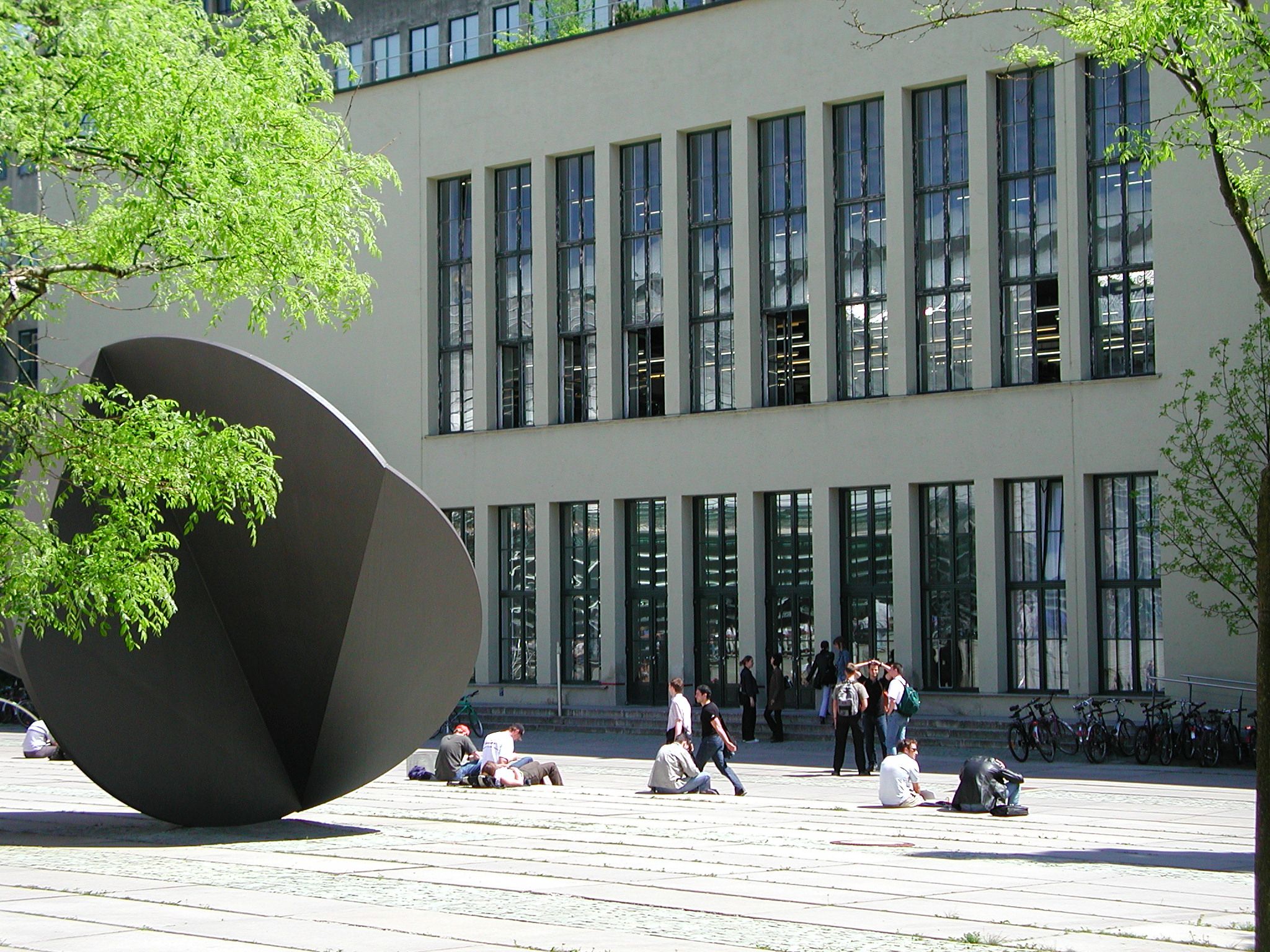
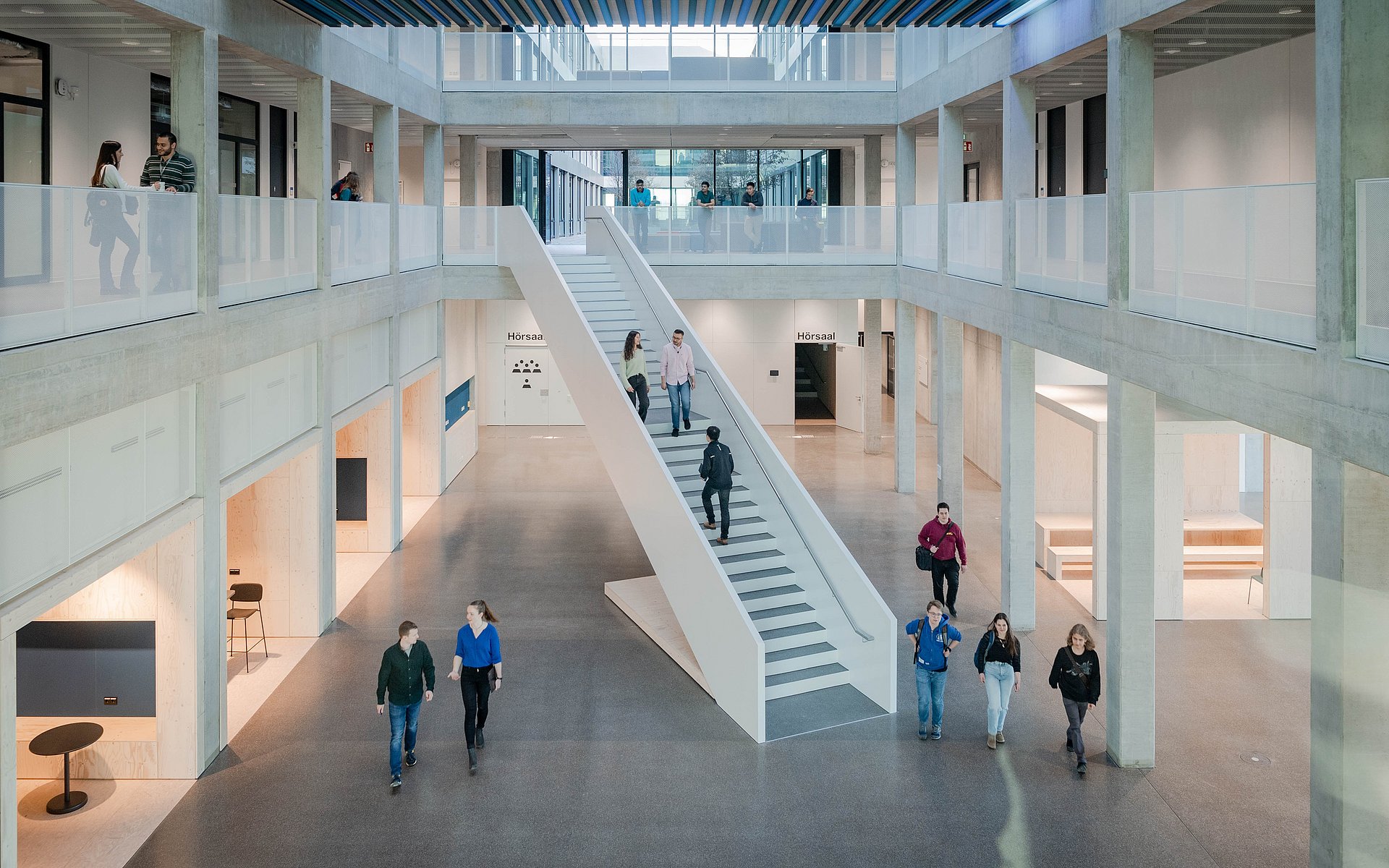
Facilities & Campus Life

Well-equipped Library

Experienced Faculty

Computer Lab

Sports Activities

Heritage Campus


Frequently Asked Questions
Why Consult With Us?
- 15+ years of experience in medical education counseling
- 5000+ students successfully guided
- 50+ partner universities worldwide
- Free initial consultation with no obligation