
The Hebrew University-Hadassah Medical School

General Information
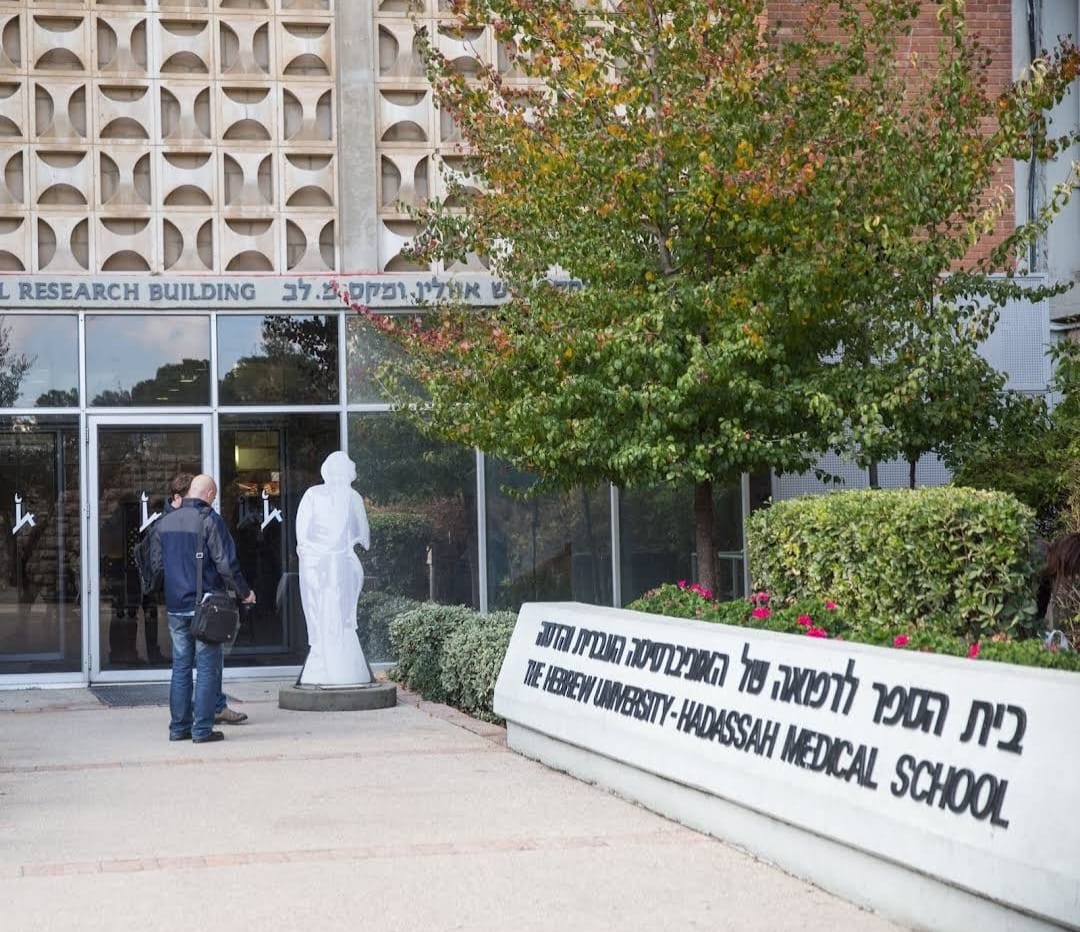
Established in 1949, the Hebrew University-Hadassah Medical School is Israel's first and most prestigious medical school. A joint venture between The Hebrew University of Jerusalem (HUJI) and the Hadassah Women's Zionist Organization of America, it is located on the Ein Kerem campus. It is officially recognized by the WHO, WFME, and ECFMG. The school is famous for its "Humanistic Medicine" philosophy and is a global titan in Immunology, Cancer Research, and Military Medicine. It produces roughly 40% of the university's research income and is home to one of the world's most advanced hospital networks, serving as the definitive referral center for the entire Middle East.
General Info
- Established: 1949.
- Primary Location: > Ein Kerem Campus, Jerusalem, Israel.
- Academic Tracks:
- 6-Year MD Program: The flagship track for Israeli students.
- Military Medicine (Tzameret): A unique track training physicians specifically for the Israel Defense Forces (IDF) Medical Corps.
- MSc & PhD in Biomedical Sciences: Highly popular English-supported tracks for international researchers.
- International Master of Public Health (IMPH): A world-renowned 1-year program for global health leaders.
- MD-PhD Program: For students aiming for elite careers in academic medicine.
- Instruction: MD tracks are in Hebrew. International Graduate (MSc/PhD) and IMPH programs are in English. Hebrew proficiency (Level "Ptor") is required for clinical rotations.
- Research Focus: World leader in Genetics, Stem Cell Research, Neurobiology, Immunology, and Drug Development.
- Admission: Extremely competitive. MD candidates require high Psychometric scores (usually 740+), relevant science backgrounds for 4-year tracks, and the MORA/MIRKAM assessment. International IMPH applicants need a 3.5+ GPA and relevant professional experience.
Campus Facilities
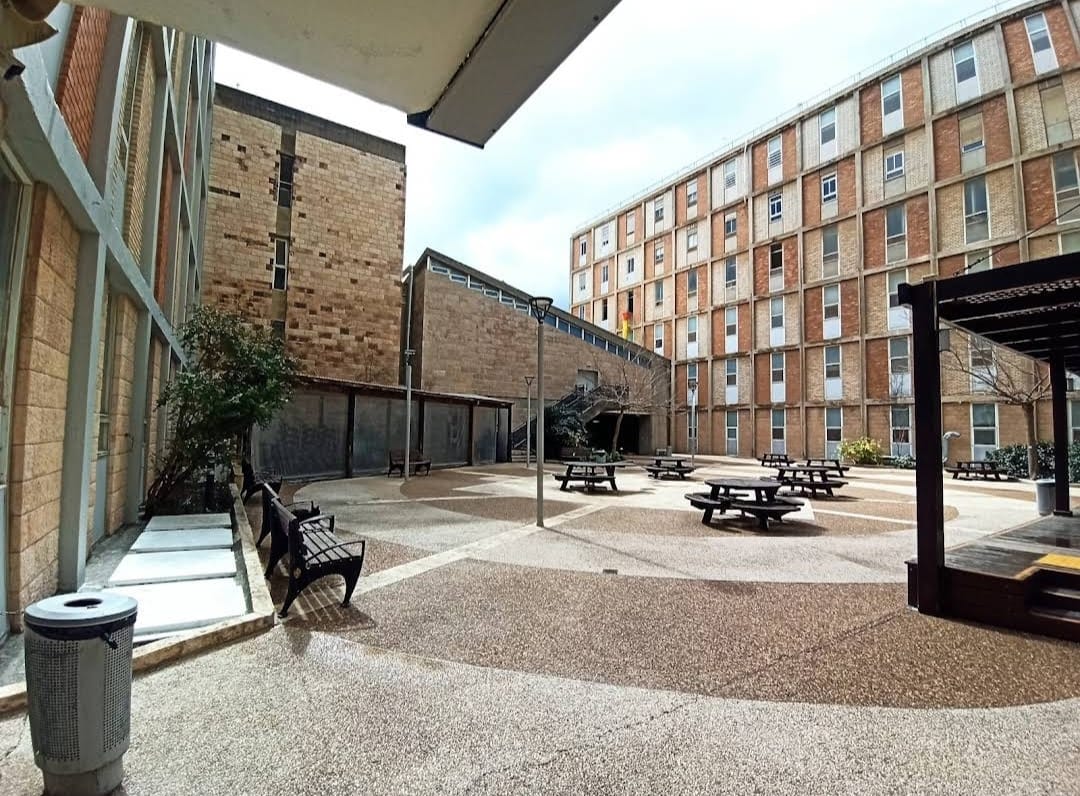
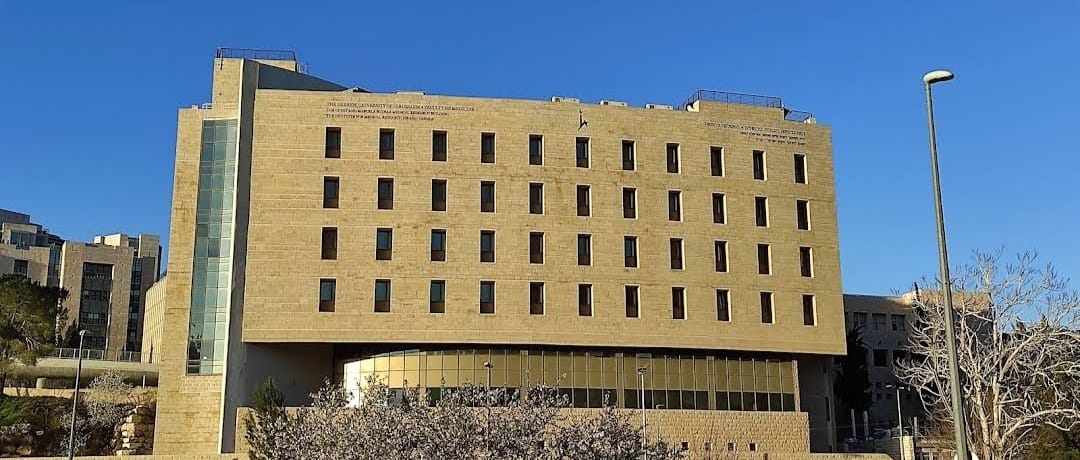
The Ein Kerem campus is a sprawling "Medical City" that houses research buildings, schools of nursing, dentistry, and pharmacy, and the hospital itself.
- Institute for Medical Research Israel-Canada (IMRIC): A massive research hub where basic sciences are translated into clinical applications.
- Institute for Drug Research (IDR): A leading center for pharmacology and the development of new therapeutic compounds.
- Center for Embryonic Stem Cell Research: Recognized as a foundational national center by the Ministry of Science.
- Hadassah Gene Therapy Center: A pioneer in viral vector production and genetic editing.
- Clinical Skills Center: A simulation hub featuring virtual reality and high-fidelity manikins for surgical and diagnostic training.
- Bone Marrow Transplantation Center: One of the few in the region with full FACT-JACIE international accreditation.
- National Center for Military Medicine: The only facility of its kind in Israel, focusing on trauma and field surgery.
- cGMP-grade Vector Production Lab: A unique facility for producing biological agents for human clinical trials.
- Animal MRI and SPF-grade Labs: Advanced centers for preclinical modeling of human diseases.
- Zamir Medical Library: A premier medical library in Israel with 24/7 digital connectivity.
Hospital & Medical Facilities
Leading tertiary care hospital attached to the institution
The school is integrated with the Hadassah Medical Organization (HMO), which operates two primary sites:
- Hadassah Ein Kerem: An 800-bed tertiary care center that handles the most complex medical cases in Israel.
- Hadassah Mount Scopus: A 350-bed community-oriented hospital serving the diverse populations of East and West Jerusalem.
- Sharett Institute of Oncology: A national leader in personalized cancer immunotherapy.
- Milstein Heart Center: One of the world's most advanced facilities for cardiogenetics and heart surgery.
- Judy and Sidney Swartz Center for Emergency Medicine: Globally renowned for trauma protocols and disaster response.
Fee Structure
State University Affordability
Tuition at HUJI is subsidized by the state for domestic students, while international programs have specific rates.
Scholarship
- IMPH Scholarships: Generous full-ride scholarships (tuition + housing + living) for students from low-income countries.
- MSc/PhD Stipends: Research-track students often receive full tuition waivers and stipends of ~$800–$1,800/mo (2,800–7,000 NIS).
- Pears Foundation Scholarships: Dedicated to students from the Global South studying Public Health or Agriculture.
- Moshal Scholarship: Targeted at medicine students from low-income backgrounds with high potential.
City Details
- The Vibe: Jerusalem is a holy city and a global cultural capital. It features a mountainous climate with cool summers and cold, occasionally snowy, winters.
- Connectivity:
- Light Rail: Connects the city center directly to the Ein Kerem area (via shuttle/extension).
- Fast Train: A 32-minute high-speed link connects Jerusalem to Tel Aviv and Ben-Gurion Airport.
- Safety: Very high. The university and hospital have world-class security protocols, and the Ein Kerem neighborhood is a peaceful residential area.
Hostel & Mess
- Accommodation: The Ein Kerem Dormitories are located on the medical campus, offering a mix of shared and private rooms.
- Dining: Numerous Kosher cafeterias, a commercial shopping mall (Hadassah Mall), and the "Beit HaStudent" cafeteria provide diverse food options.
- Vibe: Serious and spiritual. The campus overlooks the historic hills of Jerusalem, providing a breathtaking and quiet environment for medical training.
Miscellaneous
- Intakes: October (Main Semester) and March (Spring for research tracks).
- Application Deadline: For the academic year, applications for international programs typically close by April.
- Global Impact: Hadassah was nominated for the Nobel Peace Prize for its commitment to treating patients of all backgrounds without distinction.
Collage Images Gallery
Facilities & Campus Life

Well-equipped Library

Experienced Faculty

Computer Lab

Sports Activities

Heritage Campus


Frequently Asked Questions
Why Consult With Us?
- 15+ years of experience in medical education counseling
- 5000+ students successfully guided
- 50+ partner universities worldwide
- Free initial consultation with no obligation