

Torbat-e-Heydarieh University of Medical Sciences

General Information
Established in 1993, THUMS is a public university located in Torbat-e Heydarieh, Razavi Khorasan Province, in northeastern Iran. While it originally began as a nursing school, it evolved into a comprehensive medical university under the Iranian Ministry of Health. Recognized by the WHO and the World Directory of Medical Schools, THUMS is a significant regional provider of healthcare and education. It offers a standardized Doctor of Medicine (MD) program, particularly appealing to students looking for a clinical-heavy environment in a smaller, focused urban setting compared to the larger hubs of Mashhad or Tehran.
General Info
- Established: 1993.
- Primary Location: > North Ferdowsi St., Torbat-e Heydarieh, Razavi Khorasan, Iran.
- Academic Model: Doctor of Medicine (MD).
- Structure: A 7-year program following the national integrated medical curriculum:
- Pre-clinical (2.5 Years): Comprehensive focus on Basic Medical Sciences.
- Physiopathology (1 Year): Bridging science with clinical reasoning and diagnosis.
- Clerkship (2 Years): Supervised rotations in clinical wards.
- Internship (1.5 Years): Final immersive practice as a student-physician.
- Instruction: English for international students, with mandatory Persian (Farsi) language modules to ensure effective patient interaction during clinical years.
- Research Focus: Regional leader in Public Health, Epidemiology, and Medical Plants, with a specific focus on the health literacy of regional populations.
- Admission: High school diploma with strong PCB scores. NEET qualification is required for Indian applicants.
Campus Facilities
The university provides specialized facilities designed for both training and regional health research.
- Health Sciences Research Center: Focuses on health education, promotion, and regional epidemiological trends.
- Clinical Skills Center (CSC): A modern simulation lab where students master procedural skills before entering hospital wards.
- Anatomy & Dissection Hall: Features essential cadaveric study facilities and histological labs.
- Neuroscience & Physiology Labs: Equipped for foundational research in human physiology.
- Medicinal Plants Research: Given the region's agricultural importance (especially Saffron), the university engages in pharmacognosy research.
- Central Library: Offers a wide collection of medical texts and digital access to international databases like PubMed and Scopus.
- IT & Multimedia Hub: Supports digital learning and research for the international student body.
- Student Research Committee (SRC): Facilitates student engagement in regional medical congresses and research publishing.
Hospital & Medical Facilities
Leading tertiary care hospital attached to the institution
THUMS manages the primary healthcare infrastructure for the Torbat-e Heydarieh district:
- 9-Dey (Noh-e-Dey) Hospital: The main university-affiliated teaching hospital, providing a wide range of specialty services including surgery, internal medicine, and emergency care.
- Razi Hospital: A key clinical site for secondary care and specialized patient rotations.
- Comprehensive Health Service Centers: A network of outpatient clinics that offer students unique exposure to primary healthcare and public health management in a semi-urban setting.
Fee Structure
State University Affordability
THUMS is known for being one of the more cost-effective options for medical studies in Iran.
Scholarship
- Merit-Based Incentives: High-performing international students (GPA >17/20) may apply for partial tuition waivers after the first year.
- Financial Aid: Occasionally, the university offers discounted rates for students from neighboring or Islamic countries.
- Research Support: Small grants are available for students who collaborate with faculty on published research.
City Details
- The Vibe: A safe, historic city in Razavi Khorasan. It offers a peaceful environment with a temperate climate (hot summers, cold winters).
- Connectivity:
- Road/Rail: Well-connected to Mashhad (approx. 2 hours away), which houses the nearest major international airport (MHD).
- Safety: Extremely high; the city is peaceful and welcoming to international residents.
Hostel & Mess
- Accommodation: The university provides separate dormitories for male and female international students. Rooms are typically shared (2-4 people) and include basic amenities and Wi-Fi.
- Dining: Subsidized meals featuring traditional Persian cuisine are served at the University Dining Hall.
- Vibe: Calm and student-focused. Torbat-e Heydarieh is a mid-sized city known for its hospitable people and agricultural heritage (the Saffron capital of the world).
Miscellaneous
- Intakes: September (Main Intake).
- Documents: Requires high school transcripts (PCB aggregate), NEET scorecard (for Indians), Passport, and a Medical Fitness Certificate.
- Application Step: Students apply via the THUMS International portal. An interview is typically required to assess academic motivation and English proficiency.
Collage Images Gallery
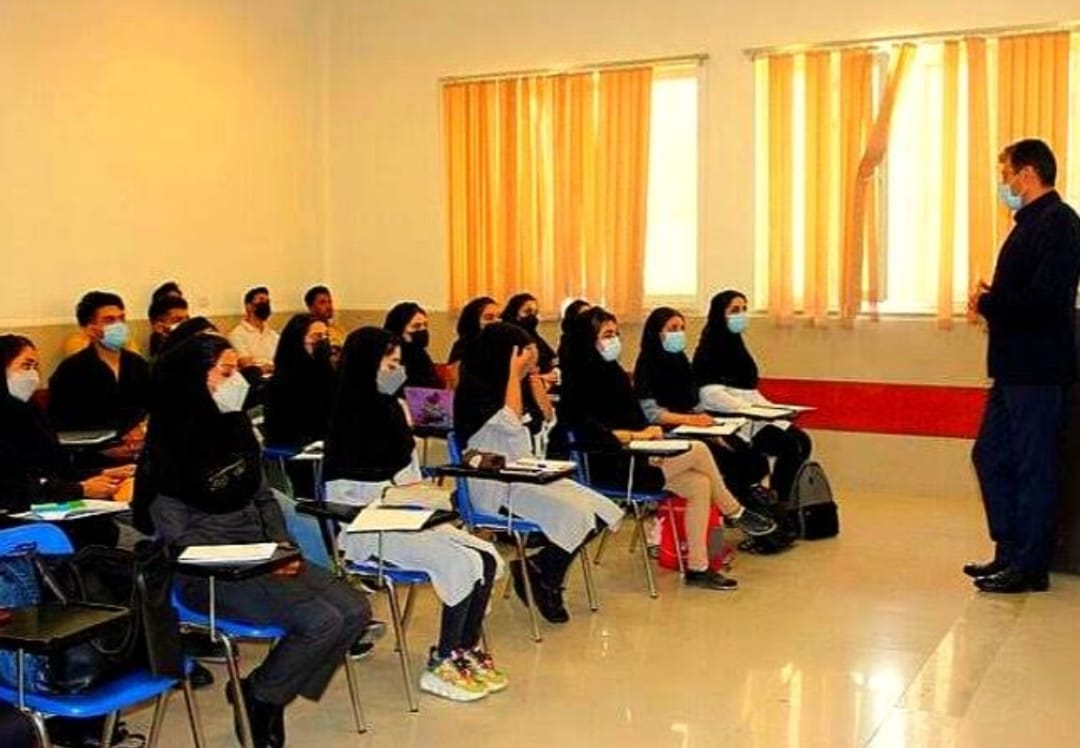
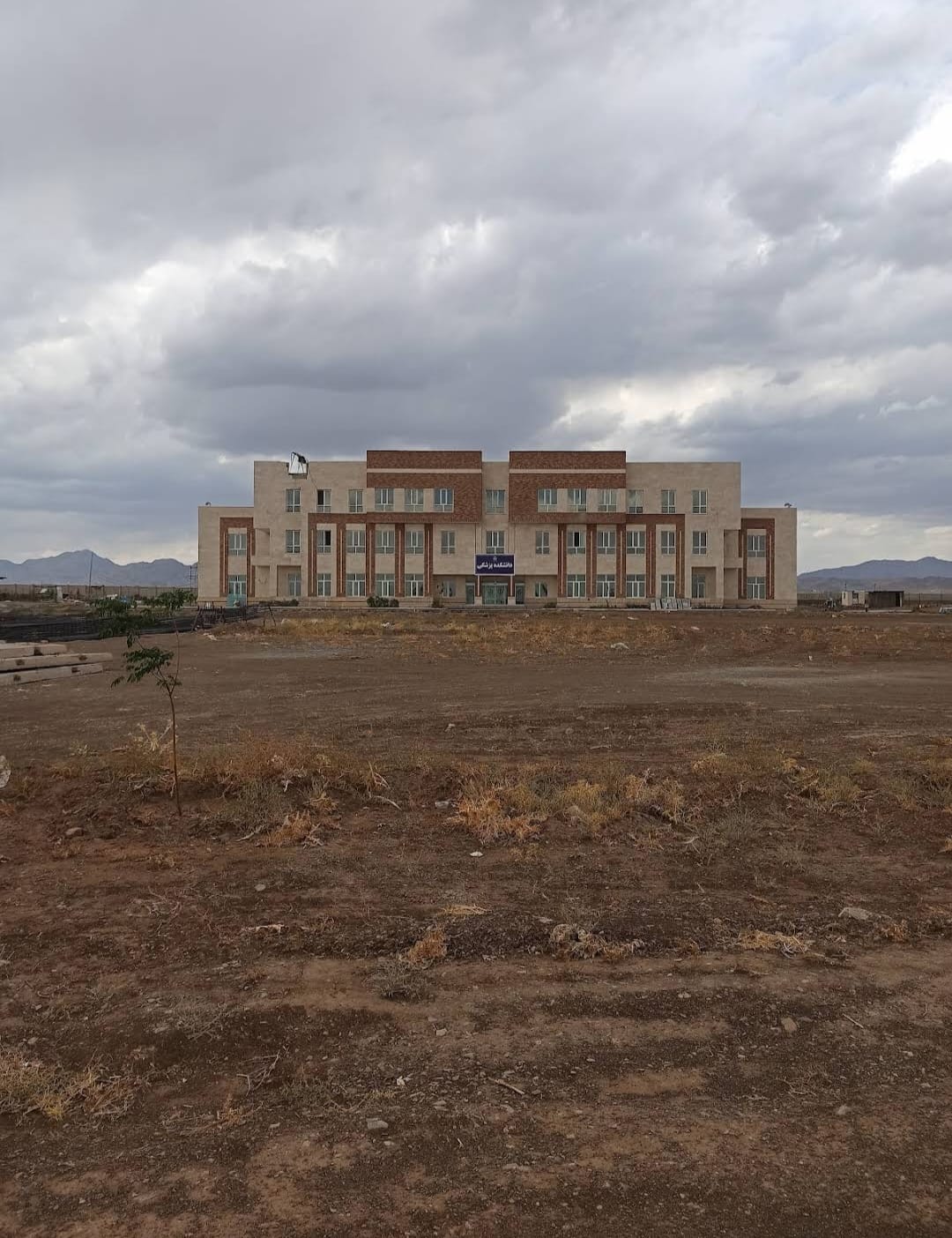
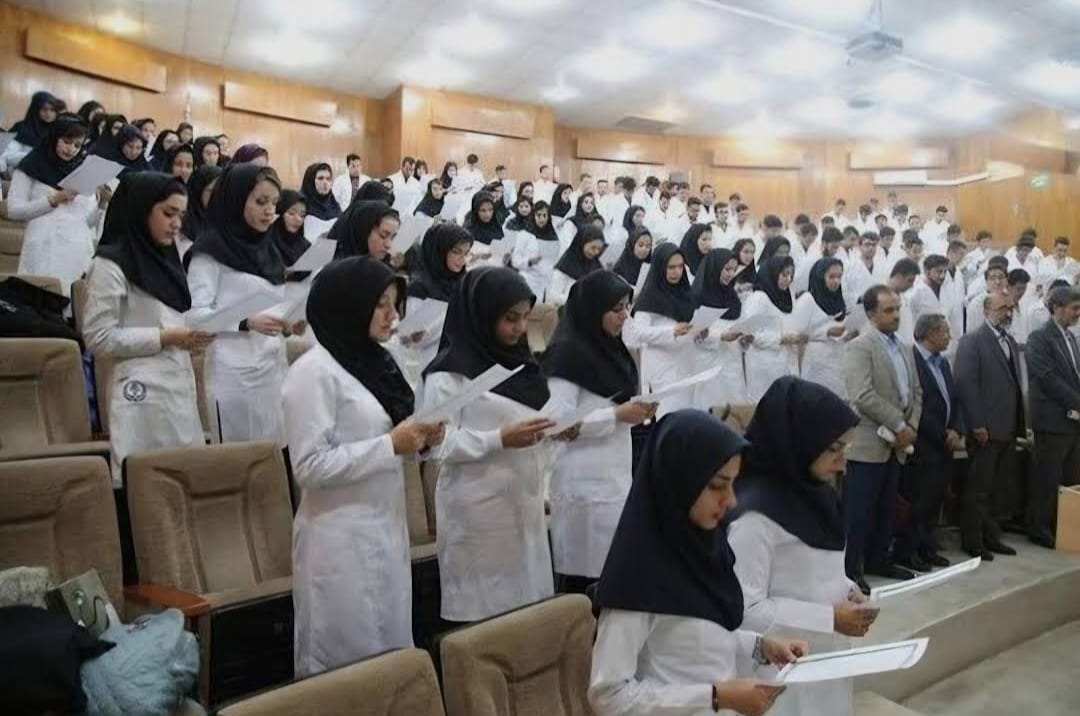
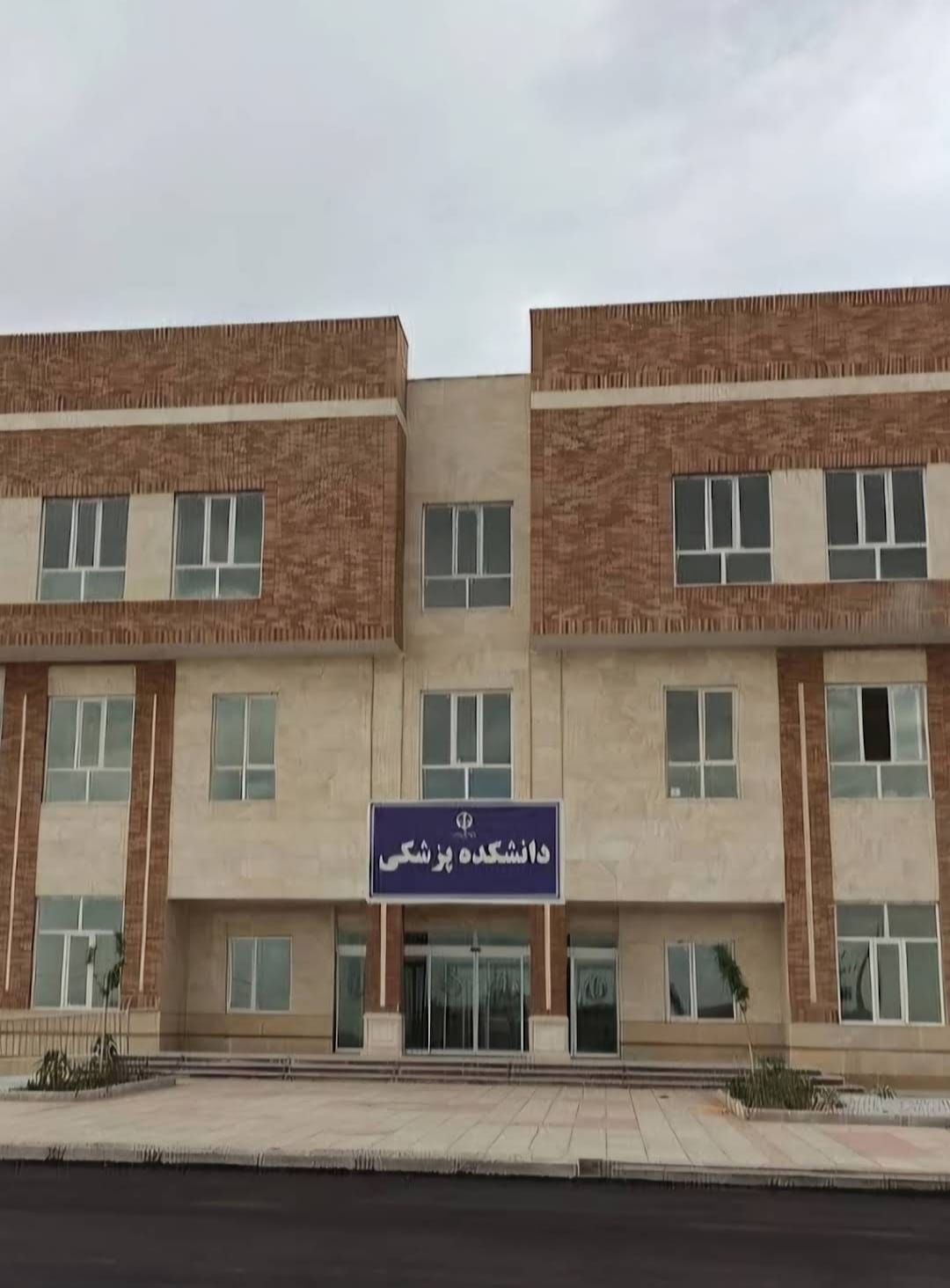
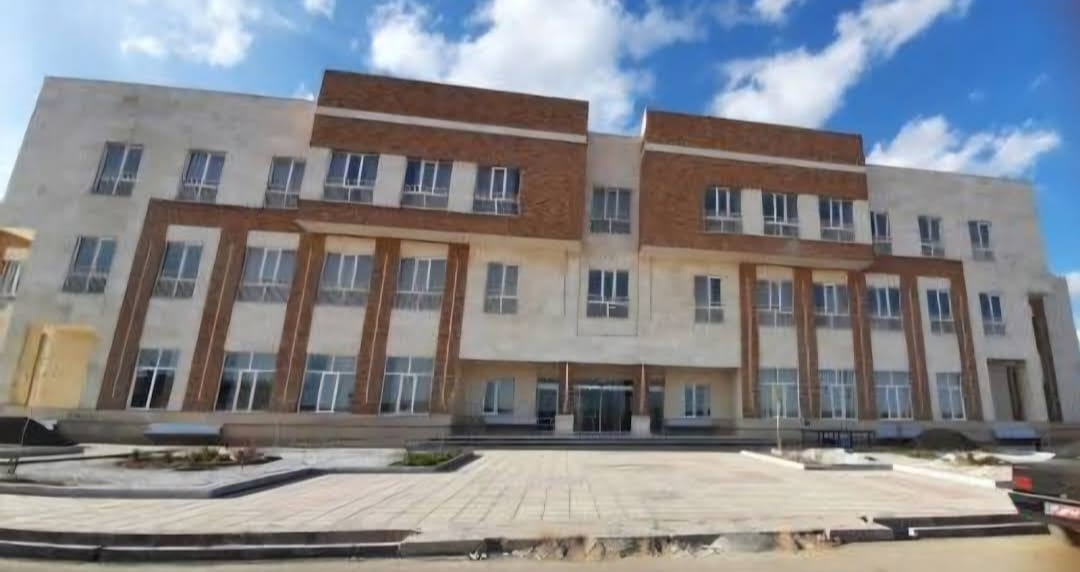
Facilities & Campus Life

Well-equipped Library

Experienced Faculty

Computer Lab

Sports Activities

Heritage Campus


Frequently Asked Questions
Why Consult With Us?
- 15+ years of experience in medical education counseling
- 5000+ students successfully guided
- 50+ partner universities worldwide
- Free initial consultation with no obligation