


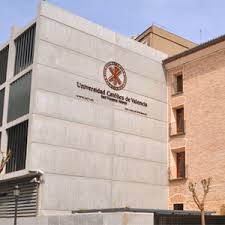
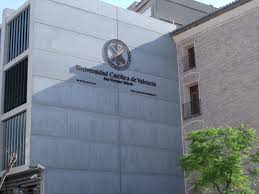
Universidad Católica de Valencia San Vicente Mártir Facultad de Medicina y Ciencias de la Salud

General Information
The Faculty of Medicine and Dentistry of the University of Valencia (UV) stands as one of the oldest and most prestigious public medical institutions in Spain, tracing its roots back to the 15th century. As the sole public medical school in the region, it is tightly integrated into the Valencian public health network, serving as a pillar of education and research.
The academic programs are primarily delivered in Spanish (Castilian) and Valencian (a dialect of Catalan).
Key Institutional Details
Campus Facilities
Campus and Infrastructure
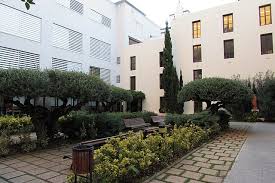
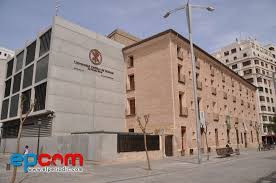
The faculty is centrally located on a specialized health sciences campus within the city.
Location: The campus is located in Valencia, Spain, near the city's major hospitals.
Campus Vibe: Modern academic environment focused entirely on health sciences, fostering close links between academic learning and clinical practice.
Infrastructure & Facilities:
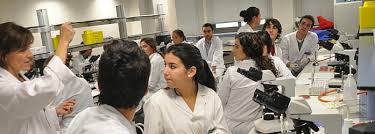
Features modern lecture halls, laboratories, and specialized learning spaces.
The faculty houses its own Anatomy and Surgical Skills Labs.
The Medical Library (Biblioteca de Ciencias de la Salud) is an extensive resource center for students.
The campus is designed to minimize the distance between the theoretical study and the hospital wards.
Hospital & Medical Facilities
Leading tertiary care hospital attached to the institution
Healthcare Pillar: Teaching Hospitals
Clinical training is exclusively conducted within the public hospital network of the Valencian Health Agency (Generalitat Valenciana).
Flagship Hospitals (Clinical Teaching Units - UDCs): Clinical training is distributed across several large, highly specialized hospitals in the region, including:
Hospital Clínico Universitario
Hospital Universitario Dr. Peset
Hospital General Universitario de Valencia
Hospital La Fe de Valencia (One of the largest hospital complexes in Spain, serving as a key referral center).
Educational Engine: This network ensures students receive extensive, high-volume exposure to diverse pathologies within the demanding environment of major tertiary care public hospitals. Clinical rotations are compulsory in the later years of the program.
Fee Structure
State University Affordability
Fee Structure and Costs
As a public university in the Valencian Community, tuition fees are strictly regulated and highly subsidized for EU citizens.
Note: The exact fee varies annually based on the credit price fixed by the regional government. Tuition is exceptionally low for those with EU/EEA citizenship.
City Details
Hostel & Mess
Campus Living: Hostel Facilities
Accommodation: The University of Valencia provides several residence halls and colleges (Colegios Mayores), notably the historic Colegio Mayor Lluís Vives and others near the health sciences campus.
Amenities: University housing offers comprehensive services, including meal plans and cleaning, often integrated with the academic environment.
Cost: Accommodation options range from subsidized university halls to private shared apartments in the city. The cost of living in Valencia is moderate for a major Spanish city.
Miscellaneous
Admissions Process: Spanish National System
Admission to Medicine at the University of Valencia is exceptionally competitive, determined by the Spanish national centralized scoring system.
Getting Admitted (Medicine): Admission is governed by the national centralized system (Distrito Único).
Language Requirement: Fluency in Spanish (Castilian) is mandatory for academic and clinical work.
Selection Criteria: Selection is based on the Selectividad Score (EBAU/EvAU), weighted out of 14 points:
60% from the Baccalaureate/High School GPA.
40% from the official University Entrance Examinations (EvAU/EBAU).
Cut-off Score: Medicine consistently requires one of the highest cut-off scores in Spain (typically above 13.4 out of 14.0) due to the limited number of public seats.
Application Process: Application is submitted through the centralized system of the Valencian Community.
Career Pathways & Placement
Career Path: Graduates receive the Licenciado en Medicina title, fully recognized across the EU/EEA.
Postgraduate: To specialize in Spain, graduates must pass the highly competitive national exam, the MIR (Médico Interno Residente).
Internship/Training: Clinical training is integrated throughout the 6-year program and conducted across the large network of affiliated teaching hospitals.
Information for Foreign Nationals (Non-EU)
Collage Images Gallery

Facilities & Campus Life

Well-equipped Library

Experienced Faculty

Computer Lab

Sports Activities

Heritage Campus


Frequently Asked Questions
Why Consult With Us?
- 15+ years of experience in medical education counseling
- 5000+ students successfully guided
- 50+ partner universities worldwide
- Free initial consultation with no obligation