

Universidad de Buenos Aires Facultad de Medicina

General Information
Founded in 1822, the Facultad de Ciencias Médicas (FMED) at the University of Buenos Aires is the largest and most prestigious medical school in Argentina. Located in the Recoleta neighborhood, it is a public institution known for its high-impact research and for being the alma mater of several Nobel laureates. As a public university, it is characterized by its massive scale, academic rigor, and its foundational role in the Argentine healthcare system.
General Info
- Primary Location: Paraguay 2155, (C1121ABG) Ciudad Autónoma de Buenos Aires.
- Degree Awarded: Médico (6–7 years).
- Language of Instruction: Spanish.
- Accreditation: Fully accredited by CONEAU. The degree is globally recognized, allowing graduates to pursue the USMLE (USA), PLAB/GMC (UK), and European residency pathways.
- Admission System: There is no traditional "entrance exam." Instead, all students must complete the Ciclo Básico Común (CBC), a mandatory one-year foundational cycle that acts as a filter.
Campus Facilities
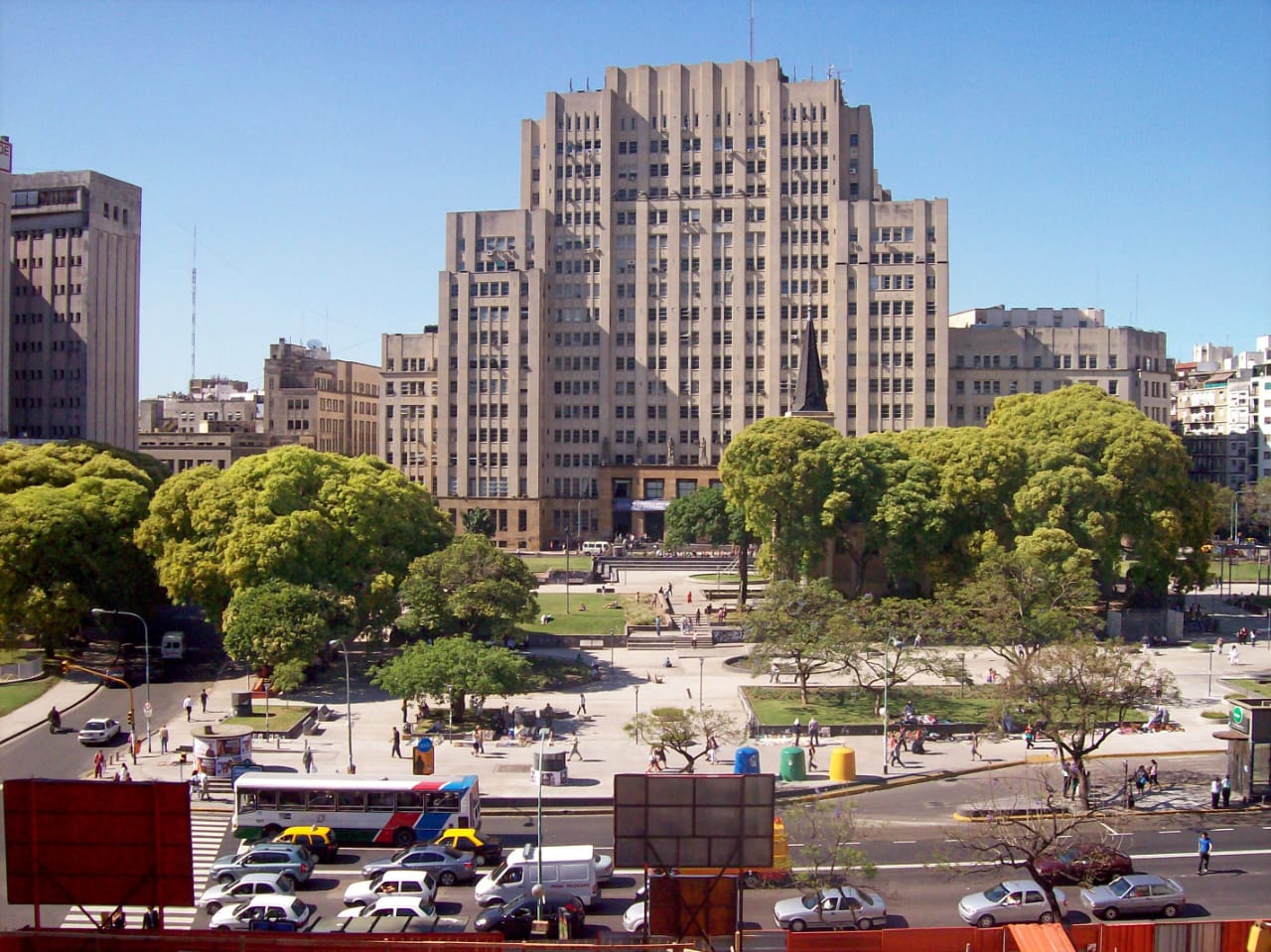
The FMED building is a massive neoclassical structure located opposite Plaza Houssay, a major student hub.
- Central Library (Biblioteca Central): One of the largest medical libraries in Latin America, featuring extensive digital access to global research.
- Anatomy Museum "J.J. Naón": A world-renowned facility containing historical and scientific specimens used for teaching.
- Simulation Center: Features high-fidelity labs for training in clinical skills and emergency maneuvers.
- Dissection Laboratories: Large-scale facilities for topographical and surgical anatomy.
- Microbiology & Virology Institutes: Leading research centers that often collaborate with international health organizations.
- UBA XXI Platform: A digital classroom system allowing students to take certain CBC subjects online.
- "Houssay" Sports Center: Access to gymnasiums and sports facilities for all UBA students.
- Hospital Escolar: The integration of the building with clinical sectors allows for early observation.
- Language Department: Offers specialized English for Health Sciences courses.
- Research Institutes (CONICET/UBA): Specialized units for oncology, cardiology, and pharmacology research.
Hospital & Medical Facilities
Leading tertiary care hospital attached to the institution
UBA operates one of the most extensive teaching hospital networks in the world.
- Hospital de Clínicas "José de San Martín": The university's main teaching hospital, a massive high-complexity facility located near the campus.
- Instituto de Oncología "Ángel H. Roffo": The primary site for oncology training and research.
- Instituto de Investigaciones Cardiológicas "Alberto C. Taquini": Focused on cardiovascular science.
- Instituto de Tisioneumonología "Raúl F. Vaccarezza": Specializing in respiratory diseases.
- Affiliated Hospitals: Students rotate through nearly every major public hospital in Buenos Aires, including Hospital J.M. Ramos Mejía, Hospital Bernardino Rivadavia, and Hospital Juan A. Fernández.
Fee Structure
State University Affordability
UBA is a public university funded by the Argentine state.
Scholarship
- Becas Sarmiento: The main university scholarship providing financial aid and computer access to low-income students.
- Becas Progresar: National government stipends available to eligible students.
- Student Dining (Comedor Universitario): Provides highly subsidized, nutritious meals (approx. $1–$2 USD per meal) for students and staff.
- Material Grants: Some student unions (Centros de Estudiantes) provide free or subsidized photocopies of study materials.
City Details
- The Vibe: The area around the faculty is a "mini-city" of students, bookstores, and medical supply shops. It is centrally located and extremely lively.
- Connectivity:
- Subway: Line D (Facultad de Medicina station) drops you right at the front door.
- Bus: Dozens of lines (e.g., 29, 60, 75, 99, 106, 109, 140) serve the Plaza Houssay area.
- Safety: Generally safe due to high pedestrian traffic, though caution is advised with belongings in crowded areas.
Hostel & Mess
- Accommodation: UBA does not provide on-campus housing. Students live in private residences or apartments in Balvanera, Recoleta, or Almagro.
- Student Union (CECuM): An extremely active political and social body that manages study rooms and social events.
- Vibe: Competitive, social, and diverse. With thousands of students, the environment is bustling and reflects the "public university spirit" of Argentina.
- Public Health Integration: Students are frequently involved in vaccination campaigns and health fairs throughout the city.
Miscellaneous
- The CBC Requirement: For Medicine, you must pass 6 subjects (including Biology, Chemistry, and Physics) before you are officially admitted to the first year of the degree.
- Academic Calendar: The intake for the First Semester typically requires registration in February, with classes starting in March.
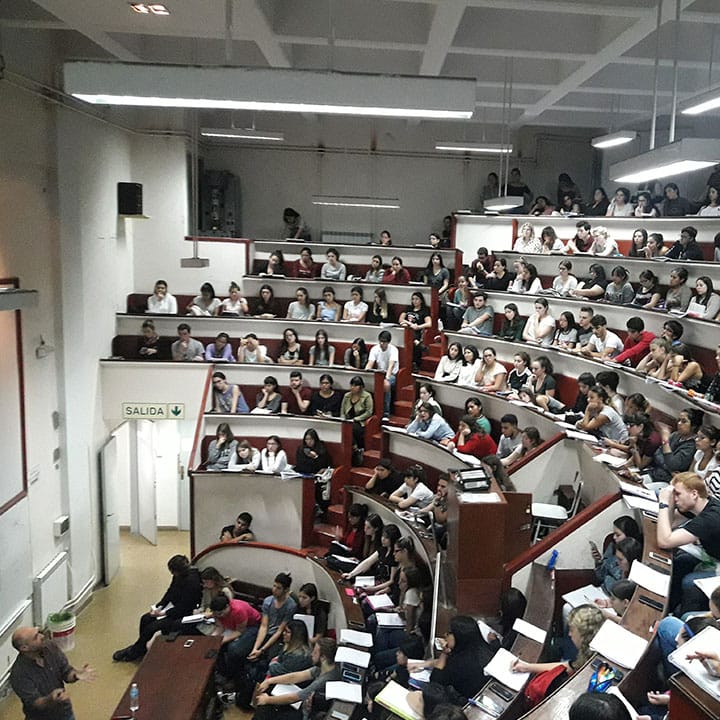
- Massive Scale: Be prepared for large classes in the initial years (up to 400+ students per lecture), which transition into smaller clinical groups later.
- No Cap on Entry: There is no quota (numerus clausus); any student who passes the CBC is guaranteed a spot in the medical program.
Collage Images Gallery
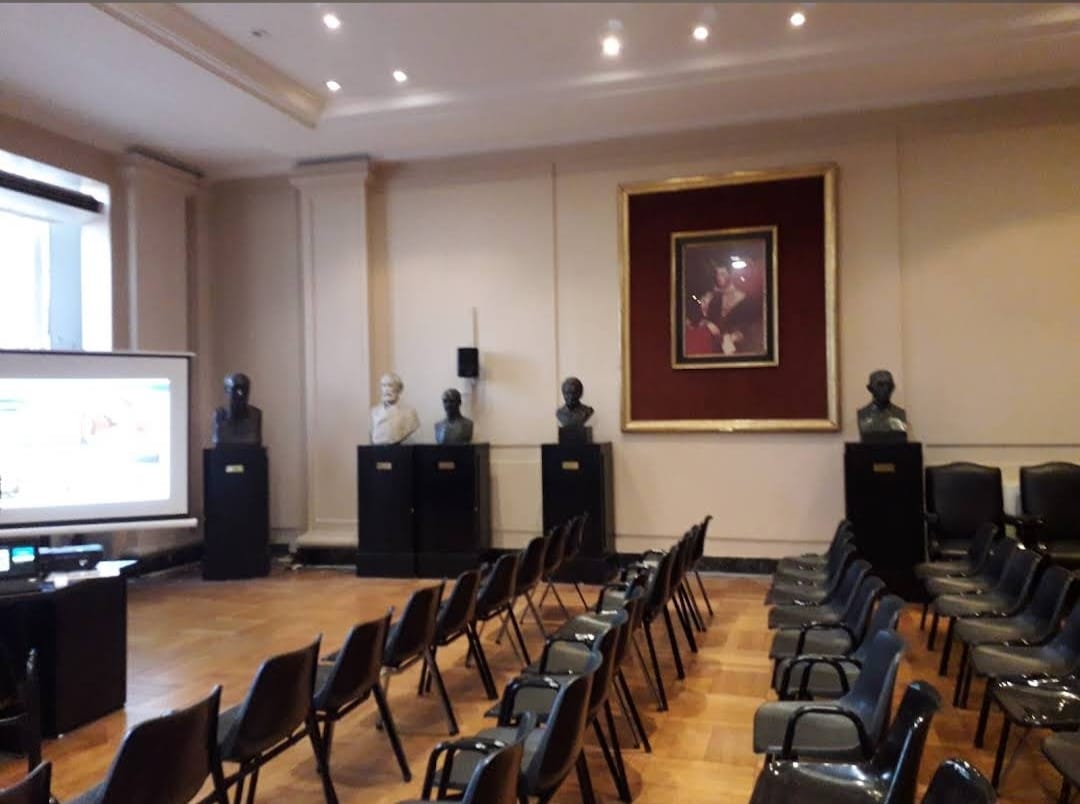
Facilities & Campus Life

Well-equipped Library

Experienced Faculty

Computer Lab

Sports Activities

Heritage Campus


Frequently Asked Questions
Why Consult With Us?
- 15+ years of experience in medical education counseling
- 5000+ students successfully guided
- 50+ partner universities worldwide
- Free initial consultation with no obligation