
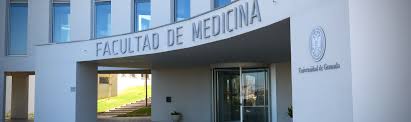
Universidad de Granada Facultad de Medicina

General Information
The Faculty of Medicine at the University of Granada (UGR) is one of Europe's most prestigious and sought-after medical institutions. Originally founded in 1531, it has a legendary academic tradition. Today, it is famous for its PTS Campus (Health Sciences Technology Park), a state-of-the-art ecosystem that integrates university education, research, healthcare, and biotech business in a single location.
Key Institutional Details
Type of Institution: Public University.
Affiliation: Constituent Faculty of the University of Granada (UGR).
Recognition: Accredited by the Spanish Ministry of Universities and the EHEA. It holds the International Quality Seal from the World Federation for Medical Education (WFME).
Ranking: Consistently ranks among the top 100 medical schools in the world according to various global subject rankings (QS, ARWU).
Language of Instruction: Primarily Spanish (Minimum B2 proficiency is required for international students).
Campus Facilities
The PTS Campus & Infrastructure
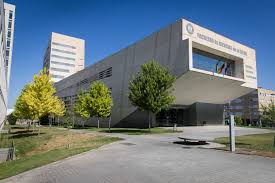
Since 2014, the faculty has been housed in an iconic, award-winning building within the Health Sciences Technology Park (PTS), one of the few campuses of its kind in Europe.
Location: Av. del Conocimiento, s/n, 18016 Granada, Spain.
Modern Facilities:
Clinical Simulation Center: A world-class center where students practice in "simulated hospitals" using high-fidelity mannequins and clinical scenarios before patient contact.
Research Institutes: Includes the ibs.GRANADA (Granada Biomedical Research Institute) and the Biomedical Research Center (CIBIC).
Biosanitary Library: A massive, ultra-modern resource center with extensive digital medical archives.
Hospital & Medical Facilities
Leading tertiary care hospital attached to the institution
Healthcare Pillar: Teaching Hospitals
Clinical training at UGR is deeply integrated into the Andalusian Health Service (SAS), using two of Spain’s most advanced hospitals.
Hospital Universitario Clínico San Cecilio: Located directly across the street from the Faculty on the PTS campus, allowing students to move from lecture halls to clinical wards in minutes.
Hospital Universitario Virgen de las Nieves: A massive tertiary care referral center for the entire South of Spain, renowned for its transplant units and advanced surgery.
Educational Engine: Clinical rotations begin in the 3rd year, with the intensity increasing each year until the 6th-year clinical internship (Rotatorio).
Fee Structure
State University Affordability
Fee Structure and Costs (Estimated 2025/2026)
As a public university in Andalusia, UGR offers some of the most affordable fees in Europe, particularly for residents.
City Details
Hostel & Mess
Accommodation and Dining (Hostel & Mess)
Student Residences (Hostel):
Emperador Carlos V Residence: Located on the Cartuja campus but popular with all students.
Vibe Stay / PTS Residences: Newer, private residences located directly at the PTS Health Campus, steps from the Faculty of Medicine.
Shared Flats: Granada has the highest student-to-resident ratio in Spain. Areas like Zaidín (near PTS) are full of affordable student flats (€250–€400/month).
Dining (Mess):
University Canteens: UGR's canteen system is legendary for its quality and price. A full three-course lunch costs approximately €3.50.
Dining Halls: Several residences provide full board (3 meals/day) included in the monthly rent.
Miscellaneous
Admissions Process
Admission is strictly merit-based and follows the Spanish national centralized system.
Entrance Grade: The "Nota de Corte" for Medicine at UGR is usually one of the highest in Spain, typically above 13.4 out of 14.0.
International Access: Students from foreign systems must apply via UNEDasiss. International students almost always need to take PCE exams in Biology and Chemistry to reach the required score.
Application Window: Pre-registration generally opens in late June.
Information for Foreign Nationals
Collage Images Gallery
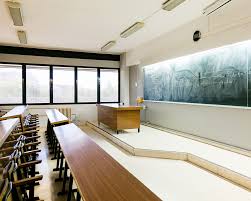
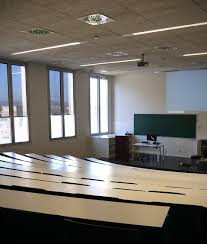
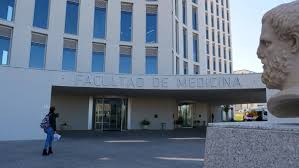
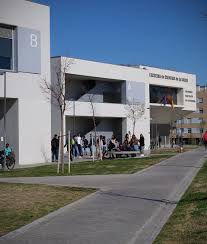
Facilities & Campus Life

Well-equipped Library

Experienced Faculty

Computer Lab

Sports Activities

Heritage Campus


Frequently Asked Questions
Why Consult With Us?
- 15+ years of experience in medical education counseling
- 5000+ students successfully guided
- 50+ partner universities worldwide
- Free initial consultation with no obligation