

Universidad de La Laguna Facultad de Medicina

General Information
The Faculty of Medicine at the Universidad de La Laguna (ULL) is a cornerstone of medical education in the Canary Islands. Located on the island of Tenerife, it is renowned for its strong clinical integration with the regional health system and its commitment to high-standard biomedical research.
The faculty is situated on the Ofra Campus, a specialized biosanitary hub in San Cristóbal de La Laguna.
Key Institutional Profile
Campus Facilities
Campus & Infrastructure
The Ofra Campus is functionally designed to minimize the distance between the lecture hall and the hospital bed.
Clinical Skills and Simulation Area: The faculty has moved heavily toward simulation-based learning. This area includes:
Advanced Simulation Labs: High-fidelity robotic mannequins that mimic real physiological responses to drugs and trauma.
Consultation Simulation Suites: Designed with one-way mirrors and recording equipment to evaluate how students interact with "standardized patients" (actors) during diagnostic interviews.
Anatomical and Pathological Facilities:
Dissection Rooms: One of the most critical spaces for 1st and 2nd-year students, modernized to include digital imaging supports alongside traditional cadaveric study.
Microscopy Labs: Equipped for high-resolution studies in histology and pathology.
Scientific Research Institutes: The campus is home to several elite research hubs where students often complete their Final Degree Projects (TFG):
CIBICAN (Center for Biomedical Research of the Canary Islands): A flagship center for molecular medicine.
ITB (Institute of Biomedical Technologies): Focused on innovative biotech and cellular research.
Hospital & Medical Facilities
Leading tertiary care hospital attached to the institution
Clinical Training: Teaching Hospitals
The ULL medical program is distinguished by its intensive clinical training within the Canary Islands Health Service (SCS). Students rotate through two of the most advanced tertiary hospitals in the archipelago:
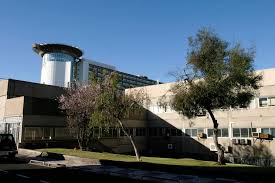
Hospital Universitario de Canarias (HUC): Located directly adjacent to the Ofra Campus, acting as the primary teaching base.
Hospital Universitario Nuestra Señora de Candelaria: A major referral hospital in Santa Cruz de Tenerife.
Primary Care Centers: Students also rotate through various urban and rural health centers across Tenerife to gain a holistic view of community health.
Fee Structure
State University Affordability
Fee Structure and Costs (Estimated 2025)
As a public university in the Canary Islands, ULL offers some of the most competitive tuition rates in Spain.
EU/EEA Students: Approximately €750 – €1,000 per year.
Non-EU International Students: Approximately €6,000 – €7,500 per year (full credit cost).
Cost of Living: €650 – €900 / month. Tenerife is generally more affordable than mainland Spanish cities like Madrid or Barcelona.
City Details
Hostel & Mess
Campus Living: Hostel & Mess Info
University Residences (Hostels):
The university manages several halls of residence (Colegios Mayores), including San Fernando, Santa María, and San Agustín.
Facilities: Most include full board (3 meals/day), laundry services, study rooms, and Wi-Fi.
Rates: Subsidized rates for residents start around €265/month, while private/full-service residences range from €450 to €650/month.
Dining (Mess):
The Ofra Campus features dedicated university canteens providing affordable lunch menus (approx. €6–€8).
For students in university residences, the "full board" option covers all daily meals.
Miscellaneous
Admissions Process for 2025
Admission is strictly merit-based and follows the Spanish public centralized system.
Cut-off Score (Nota de Corte): For Medicine, the entry score is typically very high, usually above 13.0 out of 14.0.
International Entry: Non-Spanish students must process their high school credentials via UNEDasiss.
PCE Exams: To be competitive, international students generally need to take Specific Competency Tests (PCE) in Biology and Chemistry.
Deadlines: Pre-registration for the 2025 intake typically opens in June 2025.
Collage Images Gallery
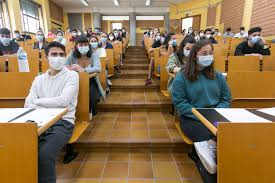
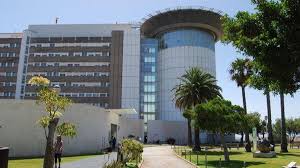

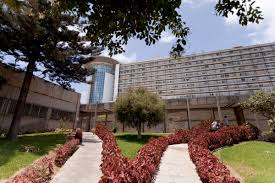
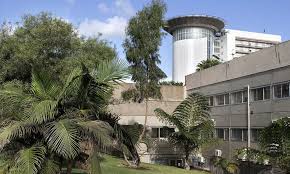
Facilities & Campus Life

Well-equipped Library

Experienced Faculty

Computer Lab

Sports Activities

Heritage Campus


Frequently Asked Questions
Why Consult With Us?
- 15+ years of experience in medical education counseling
- 5000+ students successfully guided
- 50+ partner universities worldwide
- Free initial consultation with no obligation