
Universidad de Sevilla Facultad de Medicina

General Information
The Faculty of Medicine at the University of Seville (US) is one of Spain’s most storied and prestigious medical institutions. Founded in the 16th century, it blends a deep historical tradition with modern clinical research, operating as a vital pillar of the Andalusian healthcare system.
Institutional Profile
Type: Public University.
Location: Macarena Campus, Seville, Spain.
Recognition: Fully accredited by the Spanish Ministry of Universities and aligned with European Higher Education Area (EHEA) standards.
Language: Primarily Spanish. A B2/C1 level of Spanish is required, as clinical rotations involve direct patient interaction in the public health system.
Campus Facilities
Campus & Infrastructure
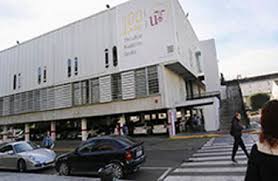
The faculty is the centerpiece of a dedicated medical district in the Macarena neighborhood, designed to keep students close to clinical environments.
Clinical Simulation Center: A high-tech facility where students practice emergency response, surgical techniques, and diagnostic skills using high-fidelity mannequins before entering the hospital.
IBiS (Institute of Biomedicine of Seville): Located on the hospital grounds, this world-class research center allows students to participate in translational research alongside nearly 1,000 professional researchers.
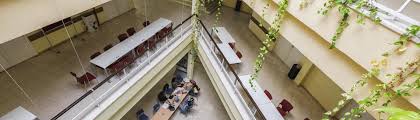
Biosanitary Library: One of the most comprehensive in southern Spain, offering specialized medical archives and extensive digital databases.
Hospital & Medical Facilities
Leading tertiary care hospital attached to the institution
Healthcare Pillar: Teaching Hospitals
Seville offers one of the most robust clinical training environments in Spain, with students rotating through three major tertiary-level hospitals:
Hospital Universitario Virgen Macarena: Located directly across from the faculty building, this is the primary teaching base.
Hospital Universitario Virgen del Rocío: One of Spain’s largest and most specialized hospitals, a national reference center for organ transplants and complex burn care.
Hospital Universitario Virgen de Valme: Provides additional specialized training, particularly in internal medicine and surgery.
Fee Structure
State University Affordability
Fee Structure and Costs (Estimated 2025)
As a public university in Andalusia, tuition is highly subsidized.
Note: The Andalusian regional government offers a 99% tuition bonus. If you pass a subject on the first attempt, you only pay for that credit once; subsequent years can be nearly free if academic performance is maintained.
City Details
Hostel & Mess
Student Life: Housing & Dining
Seville is a classic university city where the lifestyle is integrated with the academic schedule.
Accommodation (Hostel):
Colegio Mayor Hernando Colón: The university's official residence, offering a traditional academic community.
Private Residences: Options like Nido El Porvenir or micampus Macarena (very close to the faculty) offer modern amenities like gyms and study rooms.
Shared Flats: Most students live in the Macarena or Alameda districts. A room typically costs between €300 and €450 per month.
Dining (Mess):
University canteens serve a "Menú del Día" (starter, main, dessert) for approximately €5.50 – €6.50.
Most student residences offer Full Board (Pensión Completa) options.
Miscellaneous
Admissions Process for 2025
Entrance is strictly merit-based and follows the centralized Spanish system.
Cut-off Score: The "Nota de Corte" is among the highest in Spain, typically above 13.4 out of 14.0.
UNEDasiss: International students must validate their high school transcripts through the UNEDasiss portal.
PCE Exams: To be competitive, applicants generally take the Specific Competency Tests (PCE) in Biology and Chemistry.
Deadlines: Pre-registration usually opens in late June 2025.
Collage Images Gallery
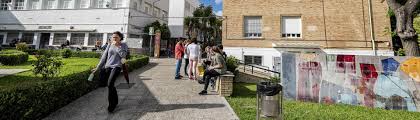

Facilities & Campus Life

Well-equipped Library

Experienced Faculty

Computer Lab

Sports Activities

Heritage Campus


Frequently Asked Questions
Why Consult With Us?
- 15+ years of experience in medical education counseling
- 5000+ students successfully guided
- 50+ partner universities worldwide
- Free initial consultation with no obligation