


Universidad de Valladolid Facultad de Medicina

General Information
The Faculty of Medicine at the University of Valladolid (UVa) is a premier institution in Spain, boasting a heritage that dates back to the 15th century. It is highly respected for its academic stability, its leadership in anatomical sciences, and its successful track record in preparing students for the national medical residency (MIR) exams.
Below is the institutional profile for the 2025/2026 academic year.
Institutional Overview
Campus Facilities
Campus & Scientific Infrastructure
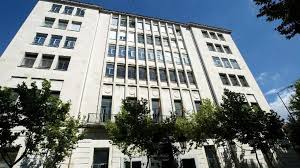
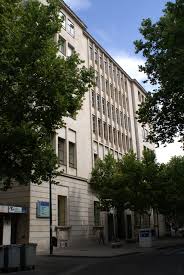
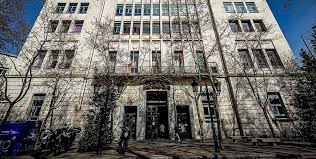
The faculty is centrally located, acting as the anchor for the city's academic medical district.
Specialized Facilities: * Anatomical Museum: One of the most significant collections in Europe, serving as a critical resource for morphological training.
IBGM (Institute of Biology and Molecular Genetics): A world-class research facility integrated with the faculty, focusing on cell therapy, immunology, and genetics.
Clinical Simulation Center: A dedicated space where students master surgical techniques and emergency protocols using high-fidelity simulators before hospital entry.
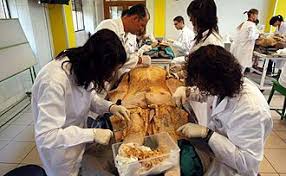
Modern Laboratories: Includes advanced units for physiology, biochemistry, and a renowned dissection hall that remains a fundamental part of the UVa medical experience.
Hospital & Medical Facilities
Leading tertiary care hospital attached to the institution
The Clinical Pillar: Teaching Hospitals
UVa is supported by a robust public healthcare network, providing students with exposure to diverse patient populations and high-complexity cases.
Hospital Clínico Universitario de Valladolid: Located within walking distance of the faculty, it is the primary referral center for the region and the heart of student clinical rotations.
Hospital Universitario Río Hortega: A high-tech facility that complements the Clinical Hospital, offering rotations in advanced surgical and diagnostic departments.
Community Medicine: Students also rotate through primary care centers in Valladolid, gaining a holistic view of the Spanish healthcare system.
Fee Structure
State University Affordability
Fee Structure and Costs (Estimated 2025)
As a public university, tuition is regulated by the regional government of Castilla y León.
Note: Valladolid is recognized as one of the most cost-effective university cities in Spain, offering a high quality of life with significantly lower rent than Madrid or Barcelona.
City Details
Hostel & Mess
Student Life: Accommodation & Dining
University Residences (Hostels):
Residencia Alfonso VIII: Directly adjacent to the medical school, offering a convenient commute and a strong student community.
Colegio Mayor Santa Cruz: An iconic, historic residence providing full-board options (3 meals/day).
Private Housing: Many medical students share flats in the Santa Clara or San Pablo neighborhoods. A private room typically costs between €250 and €350 per month.
Dining (Mess):
The university cafeterias offer a "Menú del Día" for approximately €6.50 – €7.50, providing healthy, cooked meals for students.
Miscellaneous
Admissions & International Entry
Entrance Grade: Admission is highly competitive. For 2025, the "Nota de Corte" is expected to remain above 13.0 out of 14.0.
UNEDasiss: International applicants must validate their high school transcripts via the UNEDasiss portal.
PCE Exams: Non-EU students typically take Specific Competency Tests (PCE) in Biology and Chemistry to maximize their entry score.
Language Proficiency: Evidence of C1 Spanish is highly recommended to ensure success in both clinical practice and theoretical exams.
Collage Images Gallery
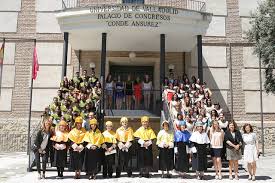
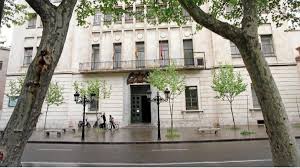
Facilities & Campus Life

Well-equipped Library

Experienced Faculty

Computer Lab

Sports Activities

Heritage Campus


Frequently Asked Questions
Why Consult With Us?
- 15+ years of experience in medical education counseling
- 5000+ students successfully guided
- 50+ partner universities worldwide
- Free initial consultation with no obligation