
Universidad Nacional de la Patagonia San Juan Bosco Facultad de Cs. Naturales y Cs. de la Salud

General Information
The Facultad de Ciencias Naturales y Ciencias de la Salud (FCNyCS) at the Universidad Nacional de la Patagonia San Juan Bosco is a key public institution in southern Argentina. Located in Comodoro Rivadavia, Chubut, it is recognized for its strong regional focus, providing critical medical and scientific training to the Patagonian community. The Medicine program, established relatively recently (around 2015), has become a vital asset for healthcare development in the Atlantic coast region.
General Info
- Primary Location: Ciudad Universitaria, Ruta Provincial N° 1 - Km 4, (9005) Comodoro Rivadavia, Chubut, Argentina.
- Degree Awarded: Médico (Doctor of Medicine).
- Language of Instruction: Spanish.
- Program Duration: 6 years.
- Accreditation: Fully accredited by CONEAU. The program is designed to address the specific epidemiological needs of the Patagonian region.
- Admission: Public and free. Admission generally requires a Curso de Nivelación (Leveling Course) covering subjects like Mathematics and Chemistry.
Campus Facilities
The campus is situated on the coast of the Atlantic Ocean, providing a unique environmental backdrop for scientific study.
- Skills and Competency Labs: Dedicated spaces where medical students practice manual procedures on anatomical models.
- Multidisciplinary Laboratories: High-tech labs used for Biochemistry, Pharmacy, and Microbiology.
- Experimental Animal House: Facilities for biomedical research and biological testing.
- University Museum of Natural History: Integrated into the faculty, used for biological and geological study.
- Digital Health Repository: Provides access to specialized medical and environmental science journals.
- Chemistry & Biochemistry Pilot Plant: Used for practical training in pharmaceutical and chemical production.
- Virtual Campus UNPSJB: A robust platform used for distance learning components and administrative management.
- Marine Biology Labs: Leveraging the coastal location for research into marine resources and health.
- Geology Museum & Labs: Specialized infrastructure for the study of Patagonian earth sciences.
- Student Services Building: Houses the dining hall, health center, and academic counseling offices.
Hospital & Medical Facilities
Leading tertiary care hospital attached to the institution
The university maintains vital agreements with public health institutions across the Chubut and Santa Cruz provinces.
- Hospital Regional de Comodoro Rivadavia: The primary high-complexity teaching hospital for clinical rotations.
- Hospital Alvear: A key partner for internal medicine and geriatric care.
- Primary Care Centers (CAPS): Students rotate through neighborhood clinics to master the Primary Health Care model.
- Collaborative Campaigns: The faculty frequently organizes "Health Weeks" with the Municipal Health Secretariat, offering free clinical, dental, and vaccination services to the public.
- Regional Network: Final-year rotations can take place in various hospitals across the Patagonian network, providing experience in remote and rural medicine.
Fee Structure
State University Affordability
As a national public university, undergraduate education is state-funded and free for all students.
Scholarship
- Becas UNPSJB: Includes scholarships for dining, accommodation, and transport for students in economic need.
- National Progresar: Eligible domestic students can apply for the national government’s stipend.
- University Residences: The university provides limited spots in on-campus housing for students from outside the city.
- Research Stipends: Available for students participating in faculty research projects (PI projects).
City Details
- The Vibe: Comodoro Rivadavia is the "Oil Capital" of Argentina. It is a windy, industrial coastal city with a rugged beauty and a very active university life.
- Connectivity:
- Bus (Colectivos): The campus is at Km 4, served by several lines (e.g., Linea 1, 7, 8) connecting it to downtown.
- Air: General Enrique Mosconi International Airport (CRD) connects the city to Buenos Aires and other Patagonian hubs.
- Safety: Generally safe student environments, though the city is large and industrial, requiring standard urban caution.
Hostel & Mess
- Accommodation: In addition to the university residence, many students live in the Km 3 or Km 5 neighborhoods, which are well-connected to the university city.
- University Dining (Comedor): Offers subsidized, high-quality meals for the student community.
- Vibe: Strong community spirit. Students are heavily involved in the "Corrida Universitaria" (University Run) and regional health volunteering.
- Sports: The university offers various athletic programs, taking advantage of the coastal and arid Patagonian landscape.
Miscellaneous
- 10-Year Milestone: The Medicine program celebrated its 10th anniversary recently, solidifying its place as a regional academic leader.
- Academic Calendar: Registration for the cycle typically takes place between November and February.
- Regional Profile: The curriculum is specifically tuned to "Patagonian health," covering pathologies common in cold, arid climates and industrial environments.
- Open Door Policy: As a public university, it emphasizes "University without Borders," promoting accessibility for all sectors of society.
Collage Images Gallery
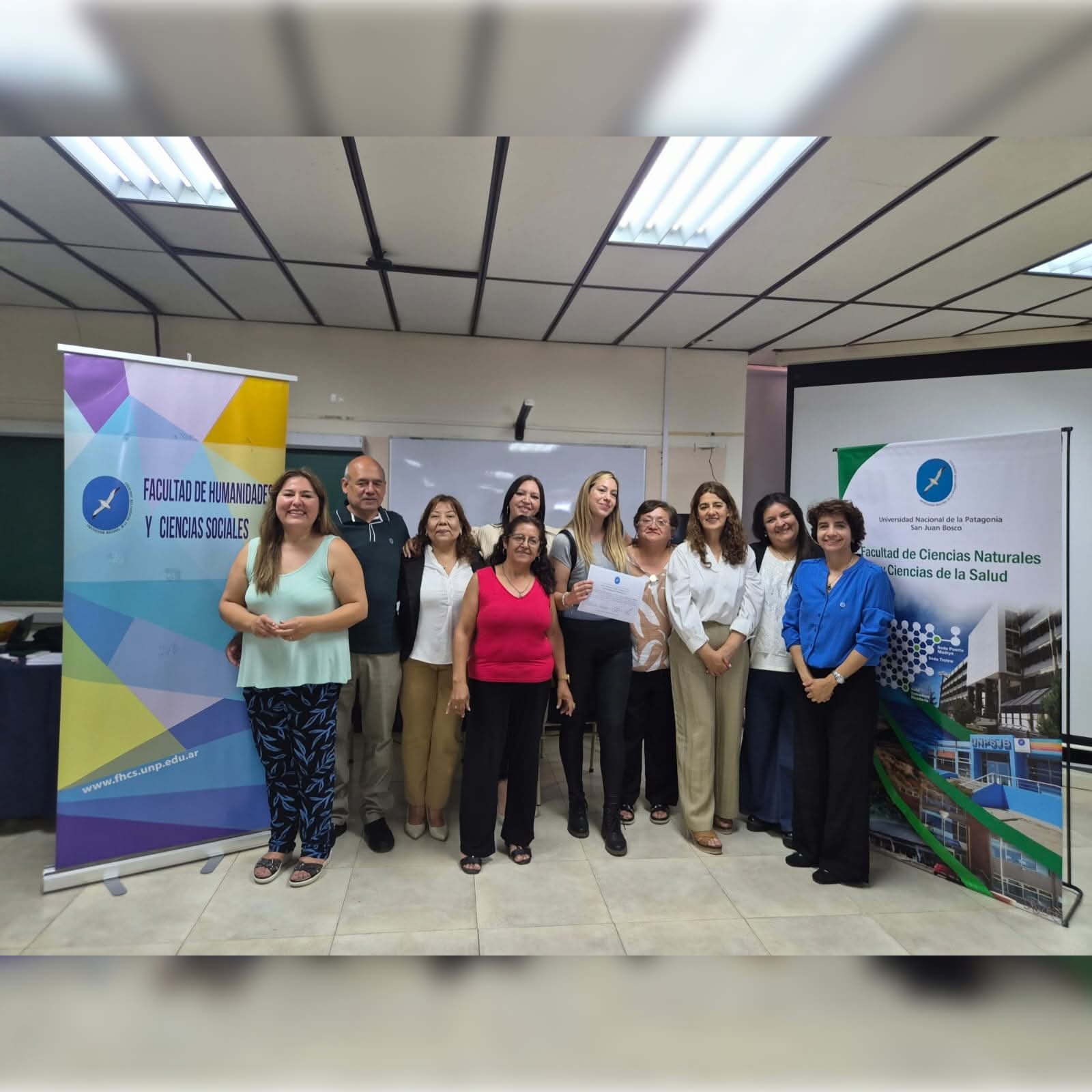
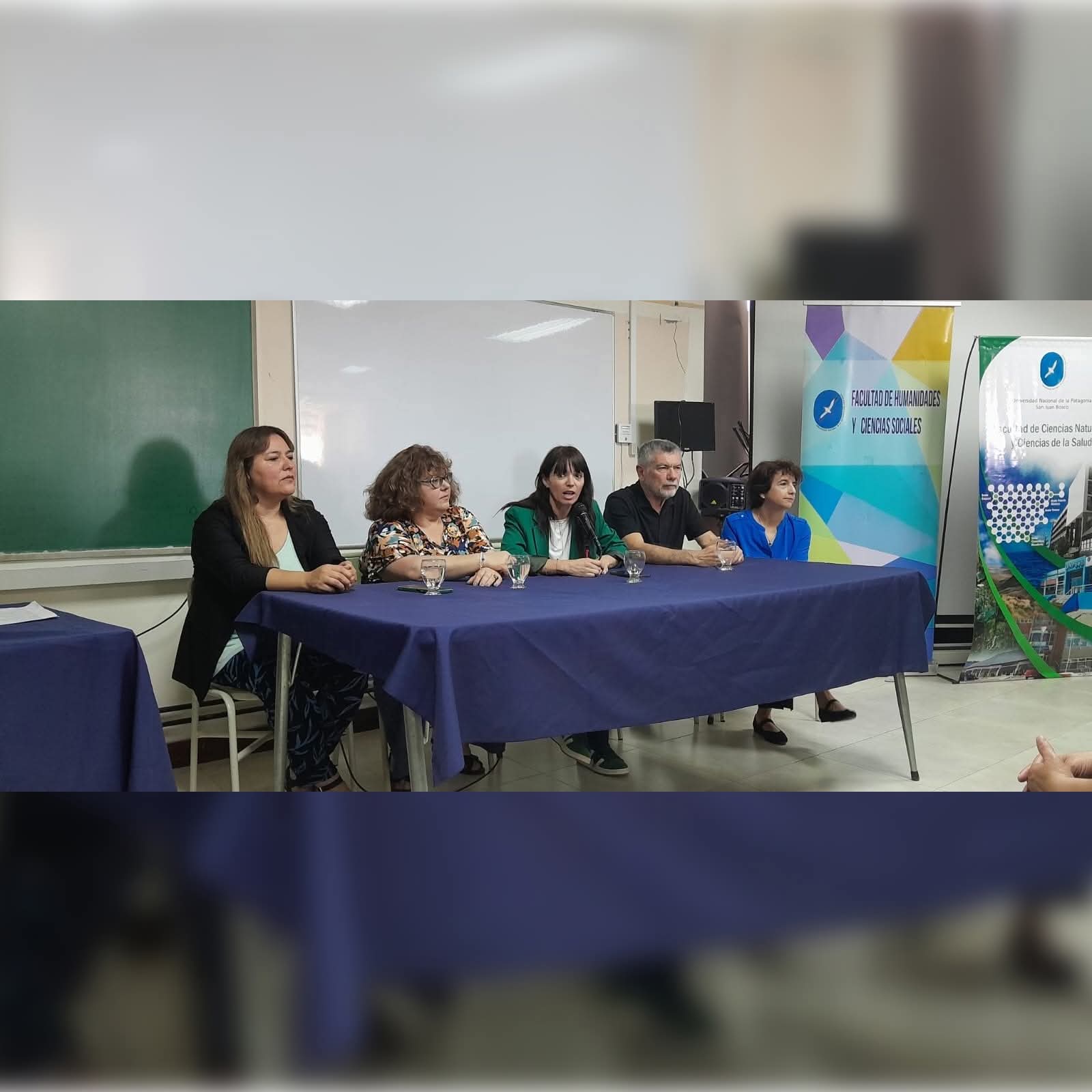
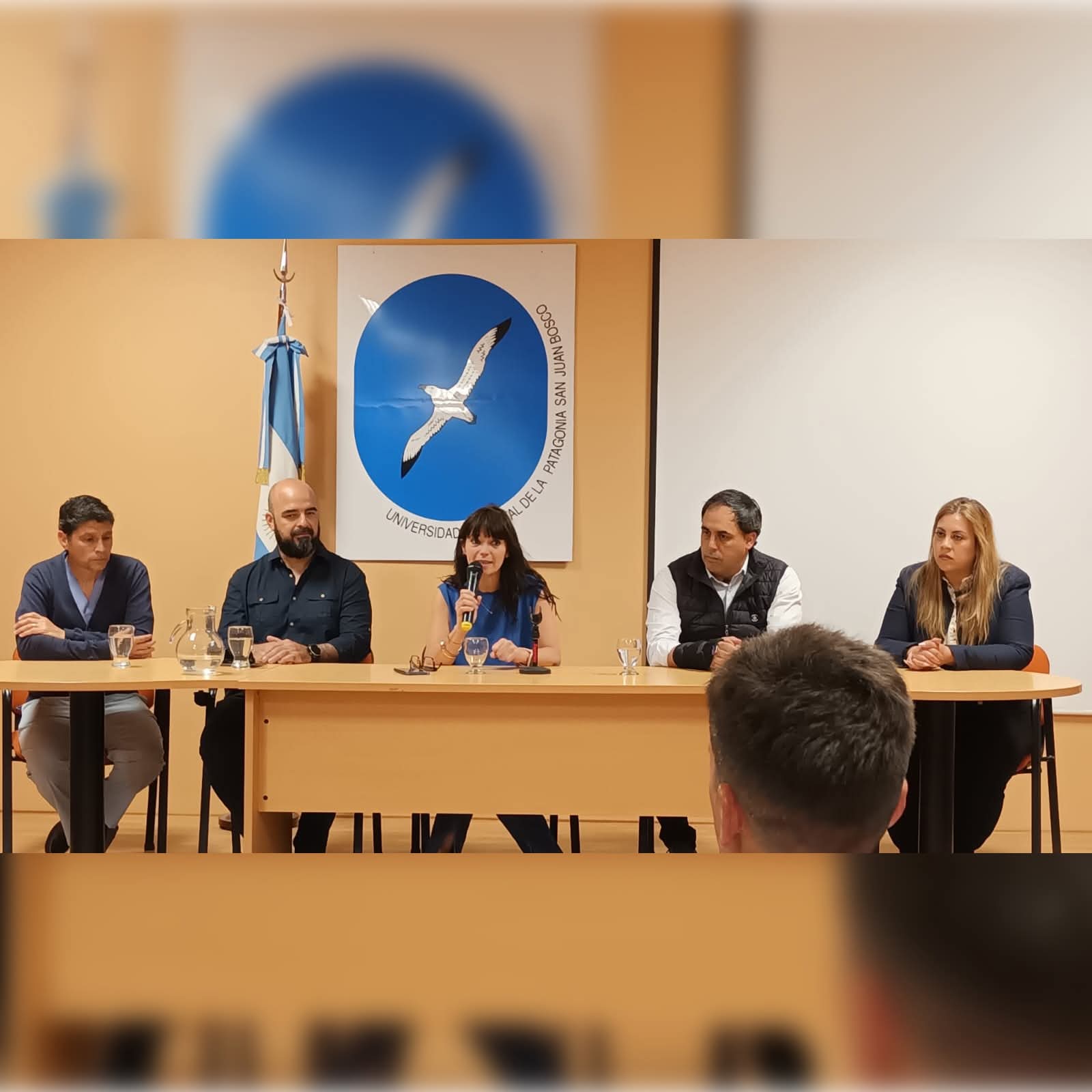

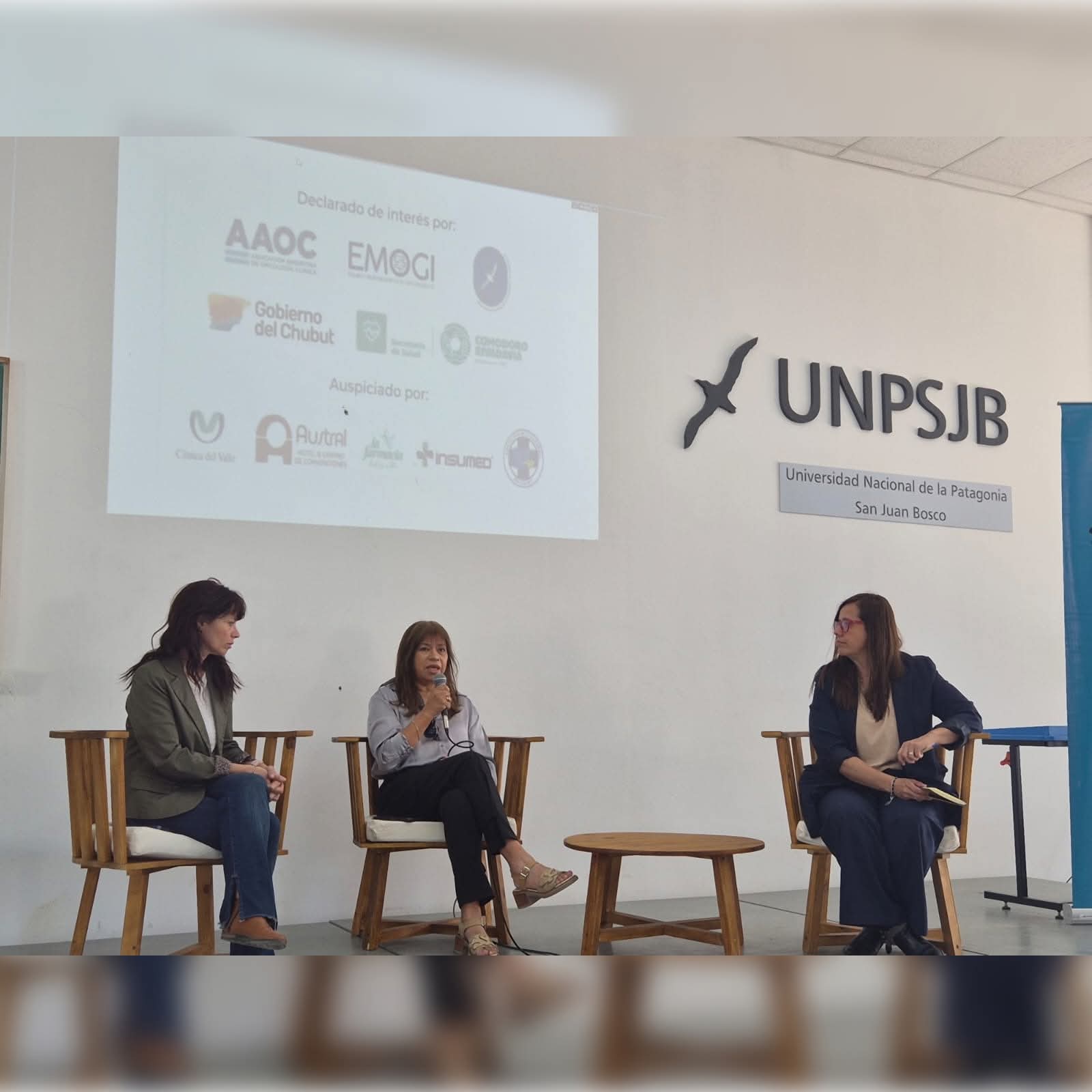
Facilities & Campus Life

Well-equipped Library

Experienced Faculty

Computer Lab

Sports Activities

Heritage Campus


Frequently Asked Questions
Why Consult With Us?
- 15+ years of experience in medical education counseling
- 5000+ students successfully guided
- 50+ partner universities worldwide
- Free initial consultation with no obligation