
Universidad Nacional de la Plata Facultad de Ciencias Médicas

General Information
The Facultad de Ciencias Médicas at the Universidad Nacional de La Plata (UNLP) is one of the most prestigious and historic medical schools in Argentina. Founded as a school in 1919 and elevated to a faculty in 1934, it is located in the heart of La Plata, the "City of Diagonals." As a public, secular, and free institution, it is renowned for its academic excellence, high research output, and deep social commitment.
General Info
- Primary Location: Calle 60 y 120, (1900) La Plata, Buenos Aires, Argentina.
- Degree Awarded: Médico (6-year program).
- Language of Instruction: Spanish.
- Accreditation: Fully accredited by CONEAU. It is consistently ranked among the top 600 universities worldwide (QS Rankings).
- Admission : Entry is public and free. The registration period for the academic year took place from November to December.
Campus Facilities
The UNLP medical campus blends historic buildings with high-tech modern facilities.
- Skills and Competencies Lab: A specialized center with mannequins and hospital equipment for hands-on simulation training.
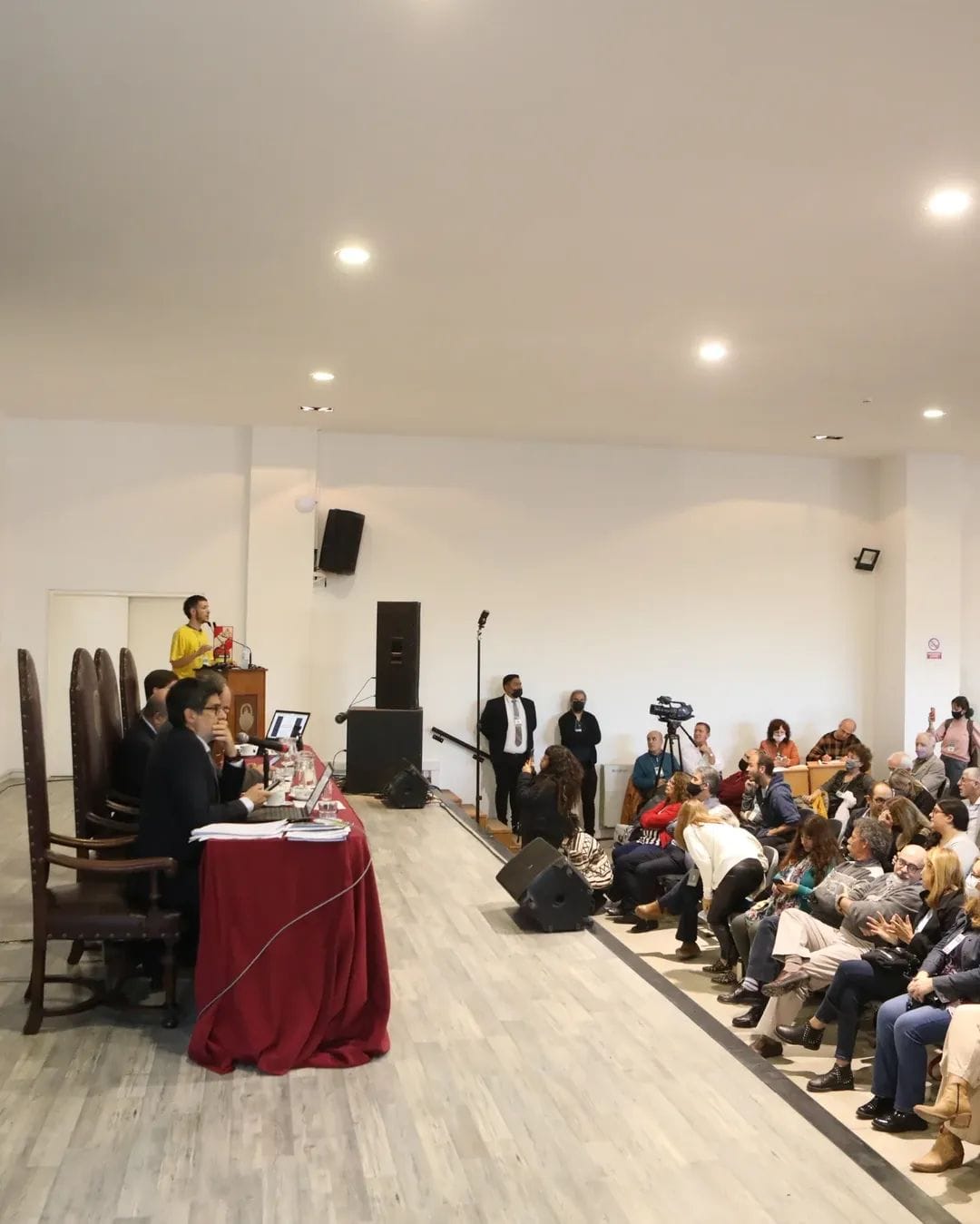
- Telemedicine & Distance Education Center: Uses modern technology for remote lectures and international conferences.
- Anatomy & Histology Labs: Traditional and digital facilities for the study of human structure.
- Major Research Centers: Home to three high-impact institutes (INIBIOLP, CENEXA, CIC) for biochemistry and cardiovascular science.
- Pabellón Perú: A historic administrative and academic hub within the "Bosque" (The Forest) area of La Plata.
- Digital Library: Provides access to the university's massive repository of medical journals and scientific publications.
- Multimedia Smart Classrooms: Equipped for hybrid learning models and large-capacity lectures.
- University Sports Center: Extensive facilities for rugby, football, and other sports shared with the wider UNLP community.
- Student Welfare Office: Handles scholarships, mental health support, and residency guidance.
- Student Dining Halls: Subsidized university canteens located strategically around the campus.
Hospital & Medical Facilities
Leading tertiary care hospital attached to the institution
UNLP utilizes the extensive public hospital network of the Province of Buenos Aires.
- Hospital de Clínicas "José de San Martín" (Partnerships): Used for advanced rotations.
- Hospital Interzonal General de Agudos (HIGA) San Martín: A primary teaching site for internal medicine and trauma.
- Hospital de Niños "Sor María Ludovica": A national benchmark for pediatric training and rotations.
- Maternidad "Sarda" & Local Centers: Rotations in obstetrics and primary health care (APS) across the city.
- Final Mandatory Internship (PFO): The 6th year is a practical clinical cycle in various medical specialties throughout the provincial network.
Fee Structure
State University Affordability
As a national public university, undergraduate education is entirely free for both domestic and international students.
Scholarship
- Becas UNLP: Includes aid for dining, transportation, and specialized material grants.
- Boleto Estudiantil: Subsidized or free public transport for students within the province.
- National Progresar: Eligible domestic students can apply for the national government stipend.
- PILA & Exchange Programs: Offers international mobility for senior students to study in Latin America and Europe.
City Details
- The Vibe: La Plata is a planned city with a unique grid of diagonals and squares every six blocks, offering a green and organized urban environment.
- Connectivity:
- Train: The Roca Line connects La Plata to Buenos Aires in approx. 80 minutes.
- Bus: Efficient local transport ("Colectivos") serves all faculties and residential areas.
- Safety: Generally safe for students, though standard urban caution is advised around the "Bosque" park area at night.
Hostel & Mess
- Accommodation: No on-campus dorms. Students live in shared "Pensiones" or apartments in the city center, known for its youthful, academic atmosphere.
- Vibe: Highly active and politically engaged. La Plata is a "University City" where student life revolves around the public parks and libraries.
- Dining (Comedor): The Comedor Universitario provides healthy, low-cost meals for the entire student community.
- Orientation : The mandatory Curso de Ingreso begins on February, consisting of 8 encounters focused on "Health, Society, and Education."
Miscellaneous
- Foreign Students: Must present an apostilled high school diploma and a Spanish Level B2 certificate (CELU, SIELE, or CertEA) if their native language is not Spanish.
- Attendance: To pass the entrance course, an 80% attendance rate is mandatory.
- Vaccination: All students must submit proof of vaccination (Hepatitis B, Triple Viral, etc.) by August.
Collage Images Gallery


Facilities & Campus Life

Well-equipped Library

Experienced Faculty

Computer Lab

Sports Activities

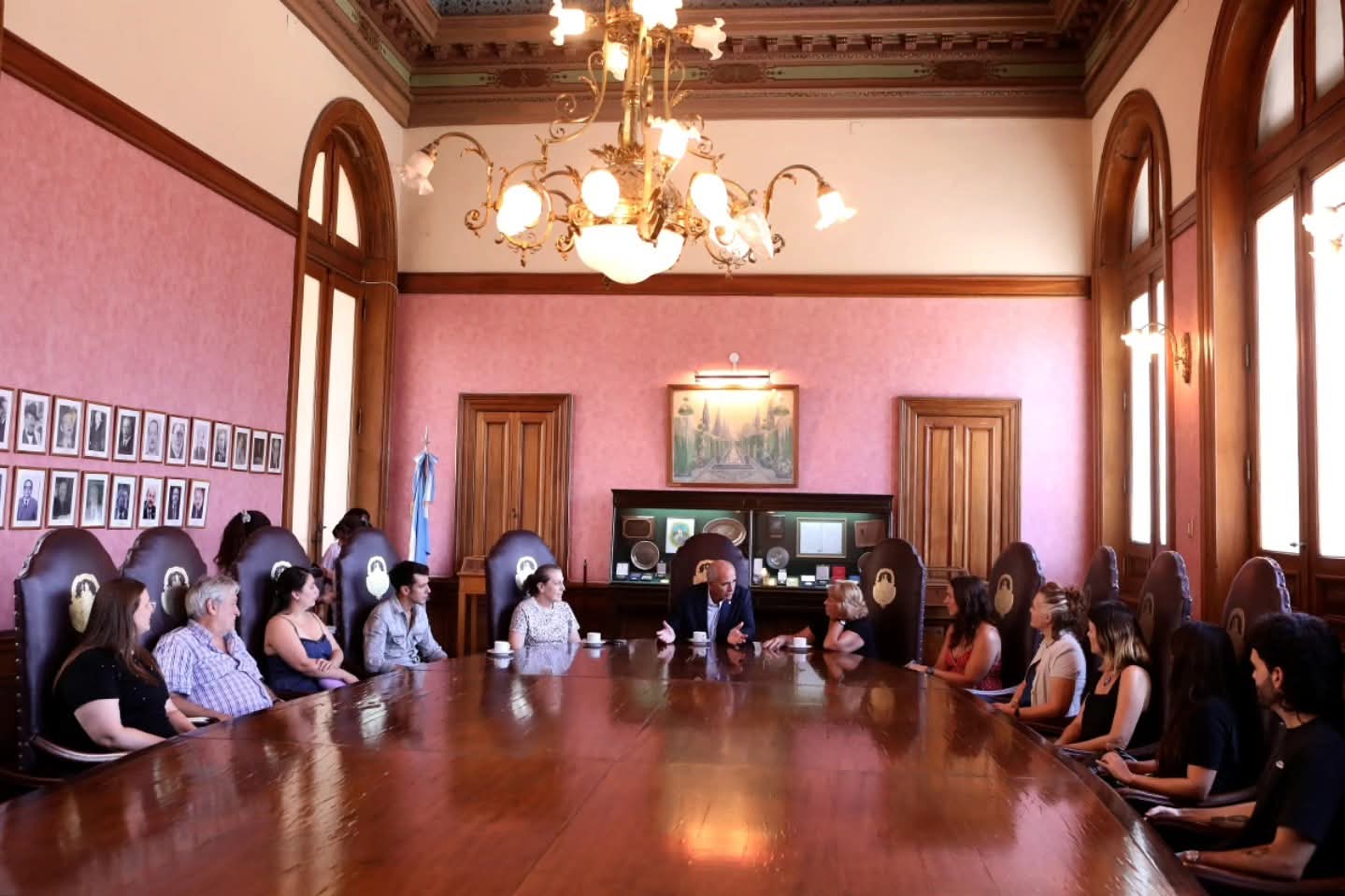
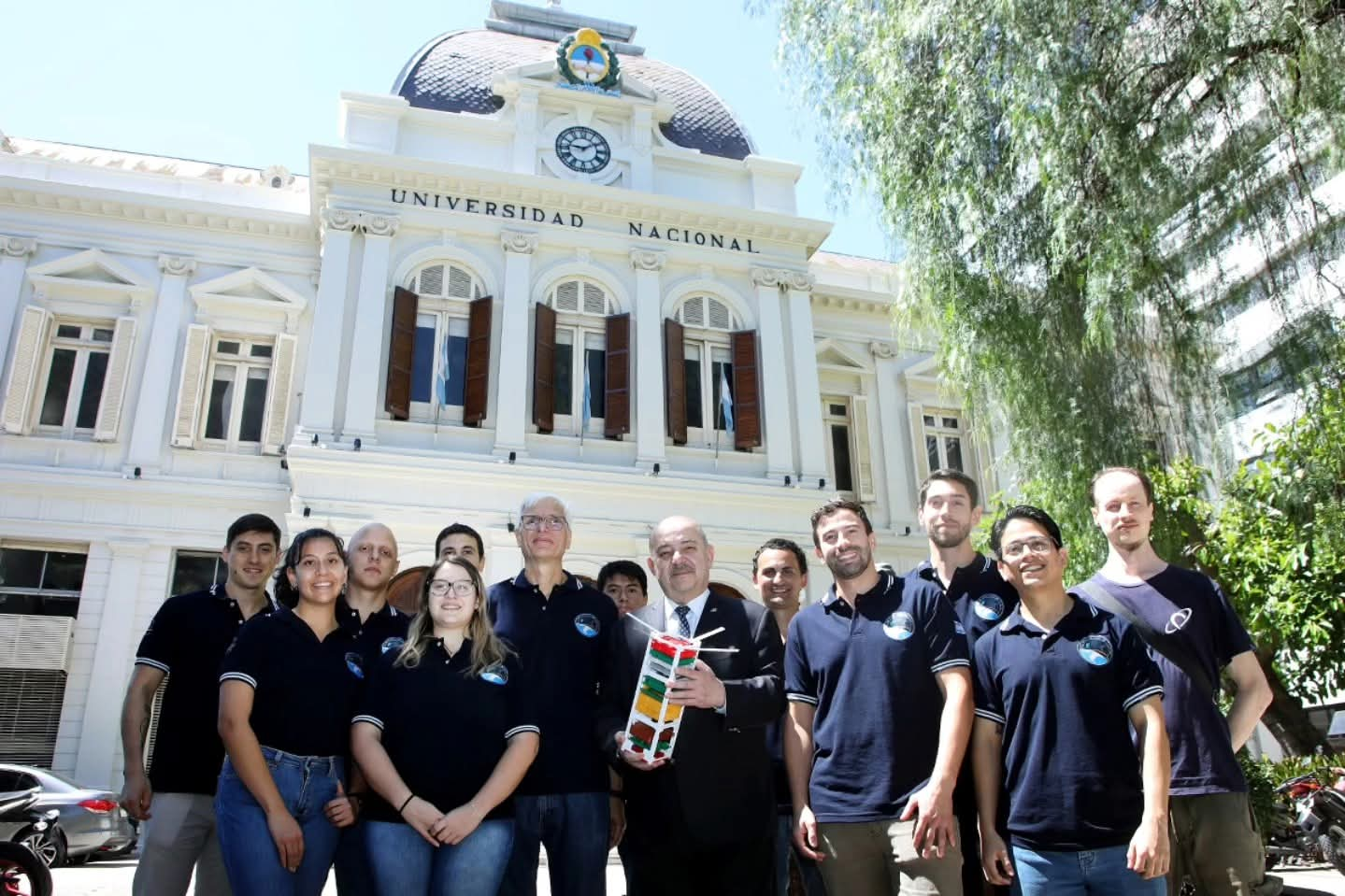
Heritage Campus


Frequently Asked Questions
Why Consult With Us?
- 15+ years of experience in medical education counseling
- 5000+ students successfully guided
- 50+ partner universities worldwide
- Free initial consultation with no obligation