
Universidad Nacional de Mar del Plata Escuela Superior de Medicina

General Information
The Facultad de Medicina (formerly Escuela Superior de Medicina) at the Universidad Nacional de Mar del Plata (UNMdP) is a premier public institution in Mar del Plata, Argentina. Established to meet the healthcare demands of the Atlantic coast, the program stands out for its innovative curriculum, which moves away from traditional lecture-based teaching toward a community-integrated, humanistic model centered on "Collective Health" and the social determination of health.
General Info
- Primary Location: Ayacucho 3537, (7600) Mar del Plata, Buenos Aires, Argentina.
- Degree Awarded: Médico (6-year program).
- Language of Instruction: Spanish.
- Accreditation: Fully accredited by CONEAU. The program maintains high academic standards validated by international quality markers.
- Admission : Public and free. Entry requires completing the Ciclo de Formación Inicial (CFI), a 10-week introductory phase focusing on leveling foundational knowledge in health and society.
- Educational Philosophy: Focuses on forming general physicians with strong scientific rigor and a commitment to solving health problems at both individual and collective levels.
Campus Facilities
The faculty is located in the central urban area of Mar del Plata, featuring modern facilities tailored for active learning and research.
- Medical Simulation Center: A state-of-the-art facility inaugurated to provide high-fidelity training in clinical semiotics and emergency procedures.
- Anatomy & Morphological Labs: Modern units equipped for the study of human structure through digital and traditional methods.
- Virtual Campus UNMdP: The central digital hub for managing academic progress, accessing SIU-Guaraní, and engaging in hybrid learning modules.
- Community Health Centers (CEUS): University Extension Centers where students begin territorial health work and community integration from their first year.
- University Library: Provides extensive physical and digital access to global biomedical databases and the university's research repository.
- Pabellón de Salud: Dedicated classrooms and lecture halls designed for integrated clinical cycles and group discussions.
- Territorial Research Units: Specialized labs dedicated to the epidemiological study of the General Pueyrredón district.
- Science and Technology Labs: Newly equipped laboratories designed to improve learning through high-tech diagnostic and research tools.
- Student Welfare Office: Manages documentation, mental health support, and university-wide social programs.
- Sports Complex: Access to the wider UNMdP athletic facilities, including football, swimming, and indoor sports.
Hospital & Medical Facilities
Leading tertiary care hospital attached to the institution
The training model utilizes a diverse network of public and private health institutions to ensure comprehensive clinical exposure.
- Hospital Interzonal General de Agudos (HIGA) "Dr. Oscar Alende": The primary public teaching hospital for adult emergency, surgery, and high-complexity rotations.
- Hospital Materno Infantil "Victoriano Tetamanti": A regional benchmark for specialized training in Pediatrics and Obstetrics.
- Hospital Privado de la Comunidad (HPC): A key partner for high-level clinical research and the site for final integrative practical exams (ECOE).
- Municipal Primary Care Network (CAPS): Crucial for the "Collective Health" focus, where students perform rotations in community prevention and health promotion.
- Regional Network (PFO): Final-year rotations include agreements with hospitals in the Atlantic coast region and provinces like Catamarca and Chaco to strengthen student training in diverse environments.
Fee Structure
State University Affordability
Undergraduate education at UNMdP is state-funded and free for both domestic and international students.
Scholarship
- Becas UNMdP: Institutional support covering dining, transportation, and specialized material grants.
- Becas de Extensión: Specific grants for students participating in community-based health projects in Extension Centers.
- National Progresar: Eligible domestic students can apply for the national government’s student stipend program.
- International Mobility: Access to exchange programs (like PILA) for academic stays in other Latin American universities.
City Details
- The Vibe: Mar del Plata is the most important coastal city in Argentina. It offers a unique mix of high-energy urban life, cultural festivals, and recreational beach access.
- Connectivity:
- Bus: Multiple local lines connect the Ayacucho campus to the city center and the main bus/train terminal.
- Train: Frequent service connects Mar del Plata to Buenos Aires in approximately 5.5 hours.
- Safety: Generally safe for students, particularly in the academic and residential corridors, though standard urban awareness is recommended.
Hostel & Mess
- Accommodation: UNMdP does not offer on-campus dorms; most students live in the La Perla, Centro, or Playa Grande neighborhoods.
- Vibe: Dynamic and community-oriented. Student life is deeply integrated with the city's coastal identity and social activism.
- Student Organizations: Active "Centros de Estudiantes" that participate in faculty governance and organize academic support.
- Campus Life: Known for its "Sanitary Camps," where students and faculty perform intensive health field research in various regional communities.
Miscellaneous
- Faculty Status: As of late, the institution officially transitioned from an "Escuela Superior" to a full Facultad de Medicina, reflecting its institutional growth.
- Admission : Registration for the cycle traditionally opens in late. Applicants must provide a DNI/Passport and a validated high school diploma.
- Non-Spanish Speakers: International students must present a Spanish Level B2 certificate (such as CELU, SIELE, or CertEA) to enroll.
- Innovation: The curriculum includes five core axes: Life Cycle, Physician-Patient Relationship, Health-Disease-Care Process, Knowledge Construction, and APS (Primary Health Care).
Collage Images Gallery
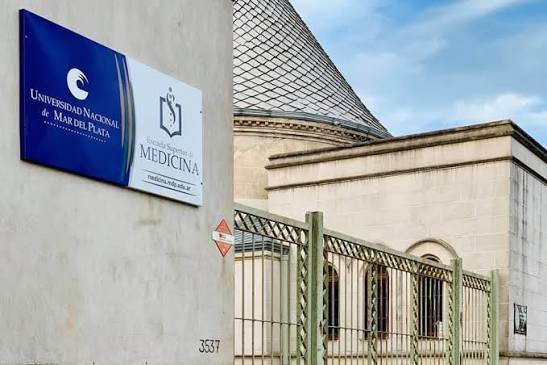
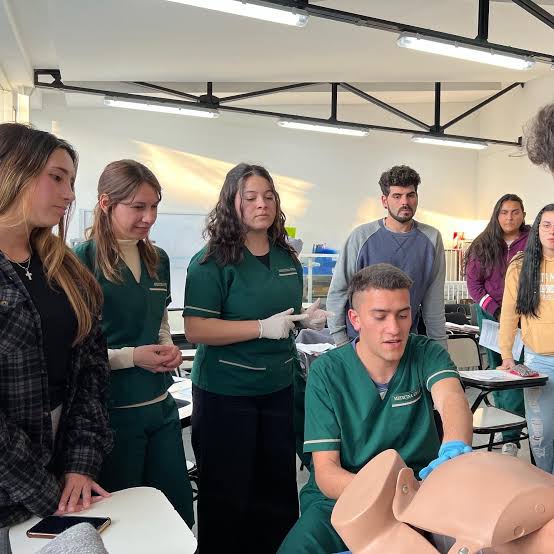
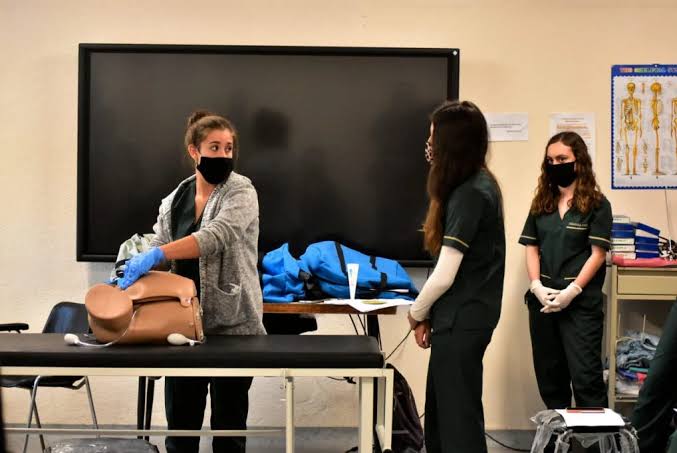
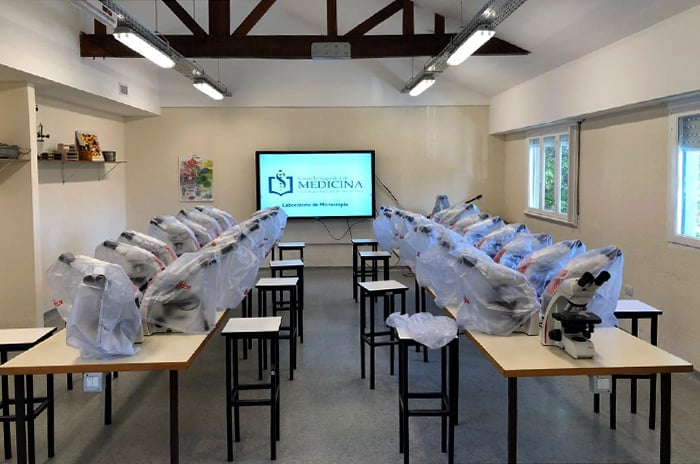
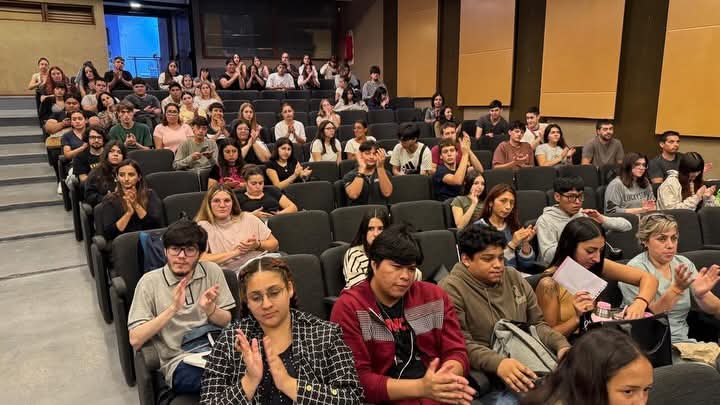
Facilities & Campus Life

Well-equipped Library

Experienced Faculty

Computer Lab

Sports Activities

Heritage Campus


Frequently Asked Questions
Why Consult With Us?
- 15+ years of experience in medical education counseling
- 5000+ students successfully guided
- 50+ partner universities worldwide
- Free initial consultation with no obligation