
Universidad Nacional de Rosario Facultad de Ciencias Médicas

General Information
The Facultad de Ciencias Médicas at the Universidad Nacional de Rosario (UNR) is one of Argentina's most prestigious and historically significant medical schools. Located in the city of Rosario, Santa Fe, it was founded in 1920 and has since become a major regional hub for medical training and scientific research. Known for its mass enrollment and open-access public education model, it is the second-largest medical faculty in the country, fostering a curriculum that balances rigorous biomedical science with a deep commitment to social medicine and public health.
General Info
- Primary Location: Santa Fe 3100, (S2002KQT) Rosario, Santa Fe, Argentina.
- Degree Awarded: Médico (6-year program).
- Language of Instruction: Spanish.
- Accreditation: Fully accredited by CONEAU. It is a major reference center for medical education in the Mercosur region.
- Admission: Public and free. Entry for the cycle required a mandatory two-stage registration process (Online Pre-registration and in-person document submission) completed between November and February.
- Entrance Policy: UNR famously maintains an open-enrollment policy with no eliminatory entrance exam, though students must complete an introductory leveling phase.
Campus Facilities
The UNR medical campus is a massive urban complex that integrates academic heritage with modern technology.
- Hospital Provincial del Centenario: Located on-site, this high-complexity hospital serves as the primary teaching base where students begin clinical practice.
- Anatomy & Pathological Labs: Historic and well-equipped facilities for morphological study and dissection.
- Simulation Center: A modern space where students practice clinical skills and emergency scenarios using high-fidelity simulators.
- "7 de Abril" Health Center: A university-run facility providing free medical, dental, and psychological care to the student community.
- Dr. Ricardo Argañaraz Library: A central hub with thousands of volumes and high-speed digital access to international medical journals.
- Virtual Campus UNR: The digital backbone for administrative tasks, SIU-Guaraní management, and hybrid learning materials.
- University Residences: UNR offers specialized residences for students from other provinces, providing affordable housing and study spaces.
- Science and Technology Labs: Multiple units dedicated to immunology, virology, and public health research.
- Student Welfare Center: Manages university scholarships, sports programs, and mental health support.
- University Dining (Comedor): Located near the faculty, providing subsidized, nutritious meals for the student body.
Hospital & Medical Facilities
Leading tertiary care hospital attached to the institution
UNR medicine is deeply integrated into the public health network of Santa Fe province and the city of Rosario.
- Hospital Provincial del Centenario: The heart of the clinical training cycle, specializing in high-complexity adult medicine.
- Hospital de Niños Víctor J. Vilela: A regional benchmark for Pediatric rotations and surgical training.
- Hospital Escuela Eva Perón: A major teaching hospital located in nearby Granadero Baigorria, integrated into the UNR network.
- Hospital Roque Sáenz Peña: Used for specialized rotations in Obstetrics and Gynecology.
- Primary Care Centers (Centros de Salud): Students perform extensive community rotations, mastering the "Atención Primaria de la Salud" (APS) model in urban and peri-urban areas.
Fee Structure
State University Affordability
As a national public university, undergraduate medical education is entirely free for both domestic and international students.
Scholarship
- Becas UNR: Includes support for transportation, dining, and material grants for students with economic needs.
- Becas de Residencia: Competitive spots in university-run housing for non-local students.
- National Progresar: Eligible domestic students receive monthly government stipends for academic support.
- Boleto Educativo Gratuito: A provincial benefit providing free local and intercity bus transport for students.
City Details
- The Vibe: Rosario is the third-most populous city in Argentina, located along the Paraná River. It offers a beautiful riverfront and a grid-like urban layout.
- Connectivity:
- Bus: A robust "Colectivo" system connects the medical faculty to every corner of the city.
- Bike: The city features an extensive network of "Ciclovías" and a public bike-sharing system (Mi bici tu bici).
- Safety: Generally safe in the academic corridors during the day; students are encouraged to use university-recommended routes at night.
Hostel & Mess
- Accommodation: Most students live in the Pichincha or Centro neighborhoods, which are vibrant student hubs within walking distance of the Santa Fe 3100 campus.
- Vibe: Urban, politically active, and socially engaged. Rosario is a "university city" with a rich cultural and nightlife scene.
- Dining: The Comedor Universitario offers breakfast, lunch, and dinner at symbolic, highly subsidized prices.
- Student Organizations: Powerful "Centros de Estudiantes" that provide low-cost printing, study guides, and political representation.
Miscellaneous
- Academic Innovation: In, UNR expanded its health offerings with new degrees like Occupational Therapy, strengthening the interdisciplinary environment.
- No Entrance Exam: Unlike many other universities, UNR Medicine does not have a "ranking" or "quota" entrance exam; success depends on completing the leveling stages.
- International Students: Those from non-Spanish speaking countries must present a Spanish Level B2 certificate (CELU, SIELE, or CertEA).
- Admission: Final document submissions for the intake cycle were scheduled through February.
Collage Images Gallery
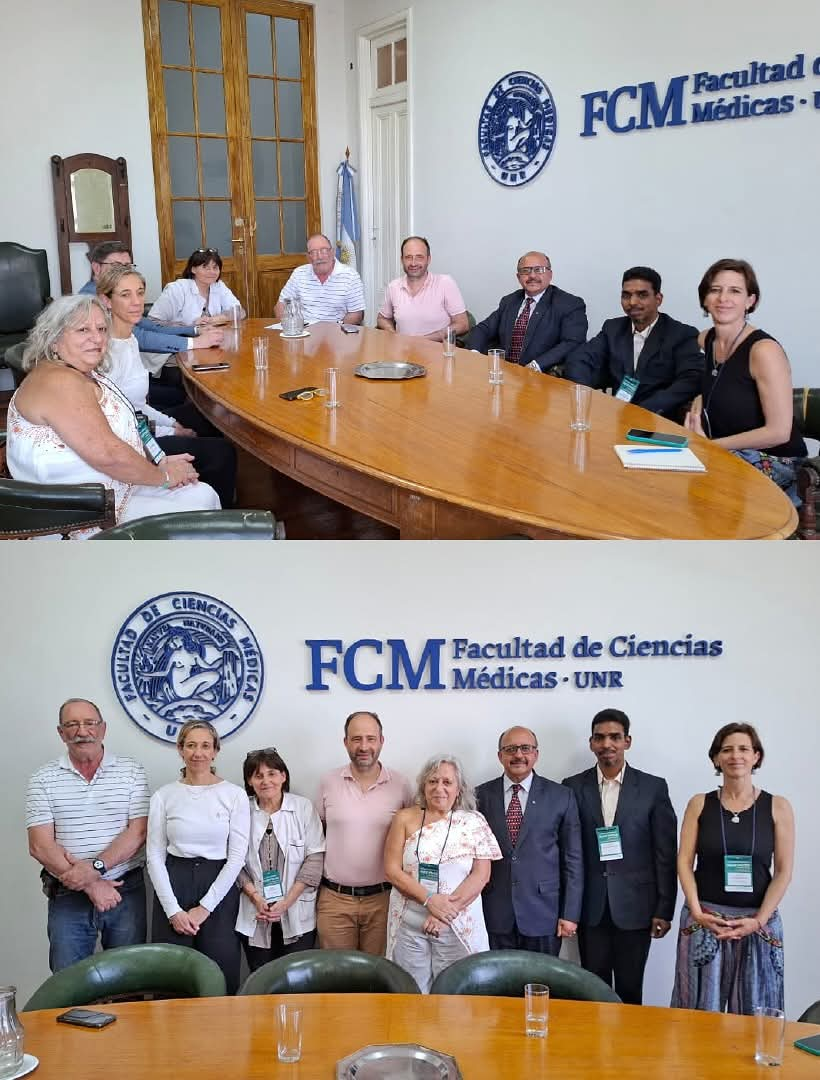

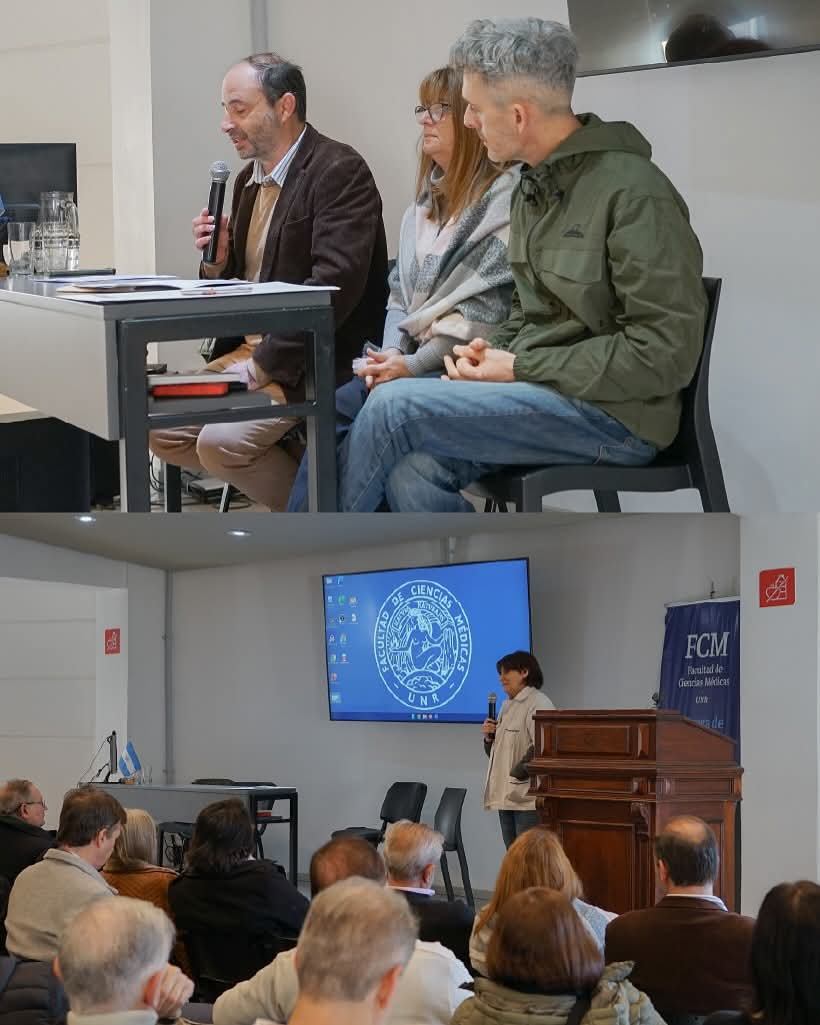
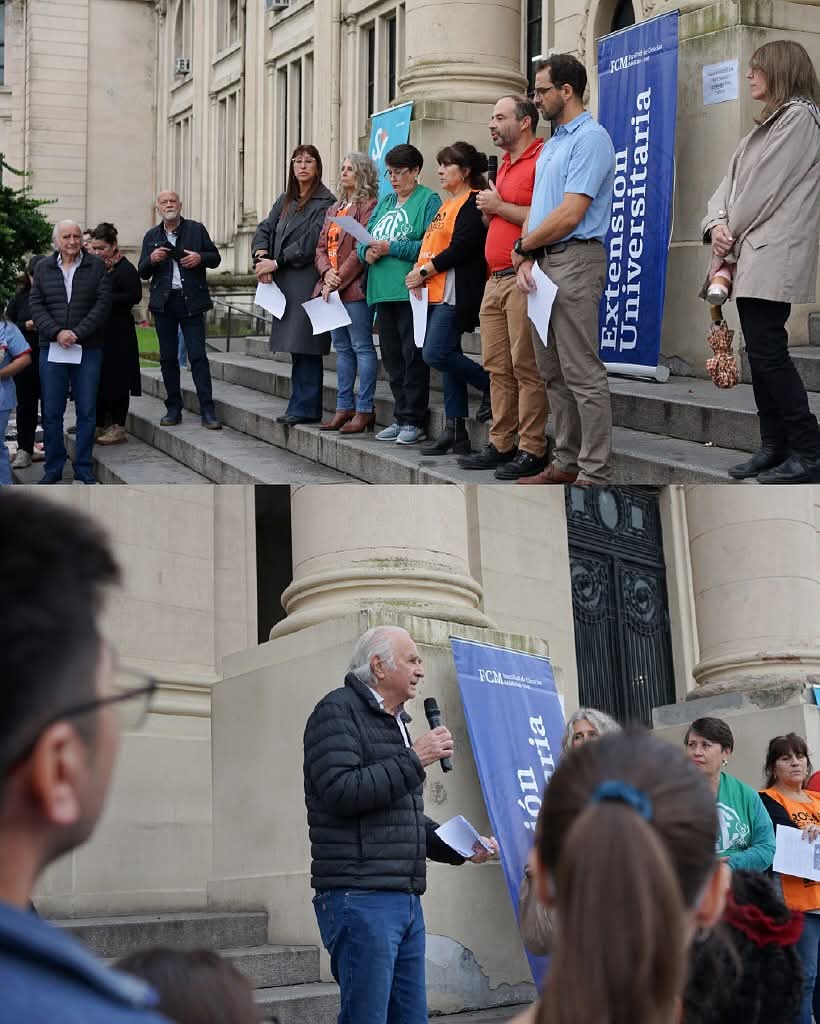
Facilities & Campus Life

Well-equipped Library

Experienced Faculty

Computer Lab

Sports Activities

Heritage Campus


Frequently Asked Questions
Why Consult With Us?
- 15+ years of experience in medical education counseling
- 5000+ students successfully guided
- 50+ partner universities worldwide
- Free initial consultation with no obligation